
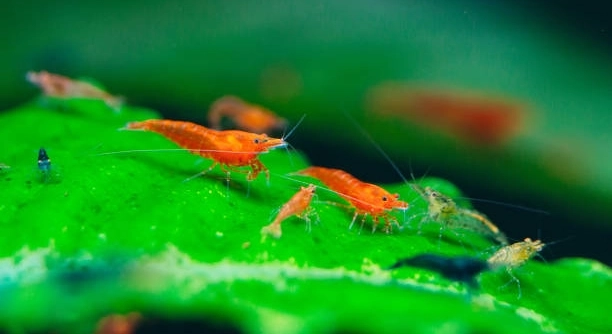
Shrimp are often seen moving together in groups, creating a lively scene in aquariums or natural waters. Their social behavior is usually steady, but changes in their environment or health can affect how they interact.
Shrimp may stop grouping together due to factors such as water quality, changes in temperature, or stress from overcrowding. Altered conditions can disrupt their natural instincts, causing them to become more solitary and less likely to engage in social behaviors.
Understanding these shifts can help maintain a healthy shrimp environment and ensure their natural behaviors continue smoothly in captivity or the wild.
Changes in Water Quality
Shrimp are highly sensitive to the water they live in. Even small shifts in pH, ammonia, or nitrate levels can affect their behavior. Poor water quality stresses them, making them less likely to gather in groups. They may retreat to hiding spots or move slowly across the tank. Keeping water clean and stable is essential for maintaining their social habits. Filtration, regular water changes, and careful monitoring of chemical levels all help prevent stress and illness. Temperature also plays a role, as sudden fluctuations can disrupt their routines and make them behave differently. Observation is key—shrimp that are normally active may become lethargic if the water conditions are off. Ensuring a balanced and stable environment supports their natural tendency to cluster, feed, and interact. Even minor neglect in water maintenance can trigger significant behavioral changes.
Maintaining consistent water quality allows shrimp to stay active, social, and healthy, preventing isolation caused by stress or toxicity.
By paying attention to temperature, pH, and chemical levels, you can create a stable habitat. This encourages shrimp to continue their usual grouping behaviors and reduces stress-related isolation. Regular tank care fosters a predictable environment that supports both health and natural social interactions.
Overcrowding and Space Issues
Too many shrimp in one tank can create tension and competition for resources.
Overcrowding affects shrimp behavior by limiting hiding spaces and increasing stress. When too many shrimp occupy a small area, they may stop moving together. Competition for food or territory leads to isolation, as dominant shrimp push others away. This can also increase aggression, causing injury or health issues. Providing adequate space, proper hiding spots, and enough resources helps reduce tension. It is important to calculate the number of shrimp per gallon of water, considering their size and activity level. A crowded tank disrupts normal behaviors, while a well-spaced environment encourages social interaction and group cohesion. Monitoring shrimp populations and tank capacity ensures they remain comfortable and active together, preserving their natural tendencies. Regular observation allows adjustments before stress escalates, keeping the tank balanced and peaceful. Proper planning prevents behavioral disruptions caused by overcrowding and competition.
Stress and Environmental Disturbances
Stress can make shrimp isolate themselves from the group. Loud noises, frequent tank movement, or sudden changes in lighting can trigger this behavior.
When shrimp experience frequent disturbances, they tend to hide more and avoid social interaction. Even small vibrations or tapping on the tank can create stress, causing shrimp to behave unusually. They may stop feeding regularly or retreat to corners, reducing visible group activity. Maintaining a calm and stable environment helps shrimp feel secure, allowing them to continue their natural clustering behavior. Observing how shrimp respond to changes in their surroundings can help identify stress triggers early and prevent long-term behavioral shifts. Simple adjustments, like limiting sudden movements around the tank and keeping lighting consistent, can make a noticeable difference.
Providing a quiet, steady environment encourages shrimp to be active and social. Predictable conditions allow them to move freely, interact naturally, and maintain their health without unnecessary stress.
Health and Illness
Illness can directly affect shrimp behavior, causing them to separate from others.
Diseases or parasites weaken shrimp and reduce their energy levels. Infected shrimp may stop feeding, hide frequently, or float near the surface. Illness can spread quickly in tanks if not addressed promptly, making early detection crucial. Observing shrimp daily for changes in movement, color, or appetite helps identify problems before they worsen. Quarantining new or sick shrimp can prevent transmission and protect the group’s overall health. Nutritional deficiencies also play a role, as poorly fed shrimp are more vulnerable to stress and disease. Providing a balanced diet, maintaining clean water, and monitoring behavior are key steps in ensuring shrimp remain active and social.
Proper care and timely intervention prevent minor health issues from turning into serious problems. Healthy shrimp are more likely to maintain their natural group behaviors and enjoy a stable, stress-free environment.
Lack of Hiding Spaces
Shrimp feel safer when they have plenty of places to hide. Without proper shelter, they may avoid grouping together.
Hiding spaces reduce stress and give shrimp confidence to explore and interact. Plants, rocks, or small decorations help create a secure environment. A well-structured tank encourages natural social behaviors and reduces solitary tendencies.
Changes in Diet
Shrimp need a balanced diet to stay healthy and social. Nutritional deficiencies can impact their behavior.
Feeding shrimp a variety of foods, including algae, pellets, and occasional protein, supports their energy levels and overall health. When diet is insufficient, shrimp may become weak, less active, and more likely to isolate themselves. Consistent feeding routines also encourage group activity and reduce competition, keeping shrimp more engaged with each other.
Lighting and Day-Night Cycle
Inconsistent lighting or abrupt changes can make shrimp retreat and stop socializing.
Proper light cycles help shrimp regulate activity and reduce stress, promoting regular group behavior.
Why are my shrimp hiding more than usual?
Shrimp hide more often when they feel stressed or unsafe. Changes in water quality, temperature fluctuations, or sudden movements around the tank can trigger this behavior. Lack of hiding spots also makes shrimp retreat to corners or cling to decorations. By maintaining stable water conditions and providing plants or rocks, shrimp feel secure enough to come out and interact normally. Regular observation helps identify triggers and adjust the environment before the behavior becomes persistent.
How can I tell if my shrimp are sick?
Sick shrimp may show reduced movement, loss of color, or lack of appetite. They often stay hidden or float near the surface, away from the group. Some may have visible spots, injuries, or unusual growths. Daily monitoring is essential, and quarantining new or ill shrimp prevents the spread of disease. Maintaining a clean tank and balanced diet supports recovery and keeps other shrimp healthy. Quick intervention ensures minor issues do not escalate into serious health problems.
Can water quality really affect shrimp behavior?
Yes, water quality has a direct impact on shrimp activity. High ammonia, nitrite, or nitrate levels can stress shrimp, causing them to isolate. Sudden pH shifts or temperature changes disrupt their routine, leading to lethargy or hiding. Regular water testing, proper filtration, and consistent water changes create a stable environment that supports social behavior. Shrimp in clean, balanced water are more active, feed well, and maintain natural group dynamics. Observing shrimp regularly helps detect any early signs of water-related stress.
What is the ideal number of shrimp per tank?
Overcrowding can create tension, reduce hiding spots, and increase competition for food. Each shrimp needs space to move freely and interact without stress. The recommended ratio depends on tank size, shrimp species, and decoration density. A well-planned stocking density encourages natural clustering while minimizing aggression and isolation. Adjusting the number of shrimp to the tank’s capacity ensures they remain comfortable, active, and social. Monitoring behavior allows for timely adjustments to prevent overcrowding issues.
How do lighting and day-night cycles affect shrimp?
Shrimp rely on consistent light cycles to regulate activity. Sudden bright lights or irregular schedules can stress them, causing them to hide or stop interacting. A predictable day-night rhythm encourages normal feeding and social patterns. Using timers or natural lighting helps maintain stability, allowing shrimp to move freely and interact within the group without fear or stress. Observing shrimp behavior in response to light can indicate if adjustments are needed to maintain a healthy routine.
Can diet influence shrimp social behavior?
Yes, an unbalanced diet can make shrimp less active and more likely to isolate. Shrimp require a variety of foods, including algae, pellets, and occasional protein, to stay healthy. Insufficient nutrition weakens their energy levels, reducing movement and interaction. Consistent feeding schedules and a diverse diet promote activity, group clustering, and normal social behavior. Observing shrimp during feeding helps ensure all individuals are receiving enough food and that no one is left behind, keeping the group healthy and active.
What should I do if shrimp stop grouping together?
Start by checking water quality, temperature, and pH to ensure stability. Examine tank space, hiding spots, and population density. Evaluate diet and feeding schedules, as nutritional gaps can cause isolation. Reduce sudden disturbances and maintain a calm environment. If illness is suspected, quarantine affected shrimp and provide proper treatment. Gradually restoring ideal conditions encourages shrimp to resume normal social behavior, feed actively, and interact naturally with others in the tank.
Shrimp are fascinating little creatures that thrive in stable and well-maintained environments. Their behavior can tell us a lot about the conditions they live in. When shrimp stop grouping together, it usually signals that something in their environment or health is affecting them. Many factors influence their social habits, from water quality and tank size to diet and stress levels. Paying close attention to these details is essential for maintaining a healthy and active shrimp population. A calm, predictable environment allows shrimp to feel safe, move freely, and interact naturally with one another. Observing their behavior daily provides valuable insight into their well-being and helps identify potential issues before they become serious.
Water quality is one of the most important elements to monitor. Shrimp are sensitive to ammonia, nitrite, and nitrate levels, as well as pH and temperature fluctuations. Even minor changes can cause stress, making shrimp hide or stop moving together. Regular water testing and maintenance, such as partial water changes and proper filtration, are key to preventing these problems. Overcrowding is another major factor that can impact shrimp behavior. Too many shrimp in a small space increases competition for resources and reduces hiding spots, which often leads to isolation or aggression. Providing adequate space and creating hiding areas with plants, rocks, or decorations encourages shrimp to feel secure and remain social. Stable lighting and a consistent day-night cycle also support their natural activity patterns and reduce stress.
Health and nutrition play a critical role in shrimp behavior as well. Sick or malnourished shrimp often become lethargic, stop feeding, or separate from the group. A balanced diet with algae, pellets, and occasional protein ensures that shrimp maintain their energy and natural social tendencies. Observing shrimp for signs of illness or unusual behavior allows for early intervention, whether it is quarantining new or affected shrimp or adjusting tank conditions. By combining proper water care, adequate space, consistent feeding, and attention to environmental stability, it is possible to maintain a thriving shrimp population that continues to interact naturally. A little effort in monitoring and care goes a long way in supporting their health, reducing stress, and encouraging the behaviors that make them enjoyable to watch.

Hello,
If you enjoy the content that we create, please consider saying a "Thank You!" by leaving a tip.
Every little bit helps us continue crafting quality advice that supports the health, happiness, and well-being of pets around the world, for pets of all shapes, sizes, and species.
We really appreciate the kindness and support that you show us!