
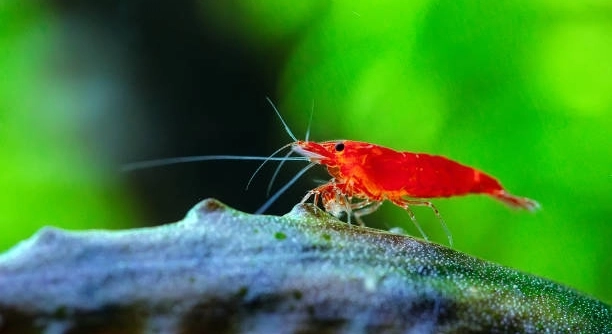
Do you enjoy keeping cherry shrimp but notice subtle changes in their behavior that leave you puzzled? Even minor shifts in their environment or daily routine can affect their activity and well-being in noticeable ways.
Tiny disruptions in water parameters, feeding schedules, lighting variations, or tank maintenance can significantly affect cherry shrimp behavior and health. Maintaining consistency in these areas is essential to prevent stress, promote growth, and ensure their routine remains stable.
Understanding these small influences can help you create a calmer, healthier environment for your shrimp and maintain their natural habits consistently.
Sudden Water Parameter Changes
Cherry shrimp are highly sensitive to even minor shifts in water conditions. Rapid changes in temperature, pH, or hardness can stress them, causing reduced activity or hiding for long periods. Many beginners unknowingly introduce abrupt changes by overfeeding, adding new decorations, or adjusting filtration without gradual steps. Stability is key. Observing shrimp behavior regularly can help you notice subtle stress signs, such as decreased movement or unusual clustering in corners. Even temporary fluctuations in water parameters can disrupt molting cycles or reduce feeding efficiency. Regular testing and small adjustments ensure their environment remains predictable and supportive. Using a thermometer, pH test kit, and water hardness strips consistently will give you confidence that the tank is stable. Ensuring water parameters stay within optimal ranges is one of the simplest ways to prevent routine disruptions. These small measures make a significant difference in shrimp comfort, growth, and overall activity patterns, helping maintain a healthy, thriving tank population.
Maintaining stable water conditions reduces stress and supports consistent shrimp behavior, ensuring their daily routines remain uninterrupted.
Even small variations in temperature or pH can have cumulative effects. For instance, a rise of just a few degrees during water changes may cause shrimp to retreat or slow feeding. Consistent monitoring and careful, gradual adjustments help maintain normal activity. Regular partial water changes, using conditioned water matched in temperature and chemistry, prevent sudden shocks. Avoid overfeeding or introducing new decor abruptly. Observing shrimp closely during these changes can indicate if they are adjusting well. Over time, maintaining these small but consistent habits fosters a predictable environment, promoting healthy molting and feeding routines, and reducing stress-induced behavior changes.
Lighting Schedule Disruptions
Irregular lighting can confuse cherry shrimp and affect their feeding and activity patterns. Even short periods of unexpected light or darkness may cause stress or inactivity.
Consistent lighting supports natural behavior and encourages regular movement, feeding, and molting cycles.
Shrimp rely on predictable light cycles to regulate their daily routine. Sudden changes, like leaving the aquarium light on overnight or inconsistent daylight simulation, can make them hide or alter feeding habits. A timer ensures lights turn on and off consistently, reducing stress. Matching light duration to natural day lengths, around eight to ten hours, helps maintain their internal rhythms. Brightness levels also matter; overly intense lighting may make shrimp retreat into plants or decorations, while dim lighting encourages exploration. By keeping lighting predictable, shrimp maintain normal activity, feed regularly, and experience less stress. Simple adjustments in light timing and intensity make a noticeable difference in maintaining a calm, routine environment for your shrimp to thrive.
Overfeeding
Overfeeding can quickly disrupt cherry shrimp routines. Excess food decays, alters water quality, and causes stress, affecting their activity and molting cycles.
Even small amounts of uneaten food can pollute the tank, leading to spikes in ammonia and nitrite. This affects shrimp health and behavior. Feeding only what they can consume within a few hours prevents overfeeding. Measuring portions and observing consumption patterns helps maintain balance. Regularly cleaning leftover food and monitoring water parameters ensures shrimp remain active and healthy. A consistent feeding schedule supports natural routines, reducing stress and encouraging normal behavior.
Overfeeding also impacts shrimp growth and molting. Uneaten food encourages algae overgrowth, which may initially seem beneficial but can shift tank conditions unfavorably. Shrimp may hide or reduce movement to avoid stressful conditions caused by decaying food. Maintaining portion control, feeding in small amounts, and removing leftovers promptly helps preserve water quality. Observing shrimp activity after feeding gives insights into whether adjustments are needed. Keeping a predictable feeding routine ensures shrimp stay active, healthy, and exhibit normal behavior.
Sudden Tank Maintenance
Unexpected maintenance tasks can disturb shrimp, creating stress and hiding behavior. Moving decorations or cleaning without care interrupts their routine.
Routine maintenance should be gradual and predictable to avoid stress, keeping shrimp behavior consistent.
Cherry shrimp are sensitive to sudden changes in their environment during cleaning or tank rearrangement. Shifting plants, decorations, or substrate abruptly can make shrimp retreat or stop feeding. Partial water changes should be slow and measured, with water matched in temperature and parameters. Using gentle suction when cleaning prevents accidental shrimp removal or stress. Observing their behavior during maintenance helps identify stress triggers and allows for adjustments. A steady, predictable approach to tank upkeep supports shrimp comfort and promotes a consistent daily routine. Predictable maintenance ensures shrimp continue normal feeding, activity, and molting cycles.
Strong Water Currents
Strong water currents can overwhelm cherry shrimp, causing them to hide or struggle to feed. Gentle flow is important to maintain normal activity and prevent stress.
Positioning filters carefully or using flow-reducing attachments helps create calm areas. Shrimp can move freely without being constantly pushed, supporting healthy routines.
Sudden Temperature Fluctuations
Temperature swings, even small ones, disrupt shrimp metabolism and behavior. Rapid cooling or heating can make shrimp lethargic or trigger hiding, affecting feeding and molting schedules. Maintaining a stable temperature within the ideal range, usually 72–78°F, is essential. Using a reliable heater and thermometer ensures gradual changes and protects shrimp from stress.
Overcrowding
Too many shrimp or tank mates create competition and stress. Overcrowding reduces feeding efficiency and increases hiding behavior, disrupting their normal routine.
FAQ
Why are my cherry shrimp hiding more than usual?
Hiding often indicates stress from environmental changes. Sudden shifts in water parameters, temperature fluctuations, strong currents, or overcrowding can make them retreat. Ensuring stable water conditions, gentle flow, and enough hiding spots like plants or decorations helps them feel secure and return to normal activity.
How much should I feed my shrimp?
Feed only what they can consume in two to three hours. Overfeeding leads to leftover food, which pollutes water and stresses shrimp. Small, measured portions support healthy feeding routines and reduce stress while keeping the tank clean. Observing their feeding patterns helps adjust portions appropriately.
What water parameters are ideal for cherry shrimp?
Cherry shrimp thrive in a stable environment with temperatures around 72–78°F, pH between 6.5–7.5, and moderate hardness. Frequent testing and small adjustments prevent stress and ensure their routine remains predictable. Avoid abrupt changes in temperature or chemistry.
How often should I perform water changes?
Partial water changes of 10–20% weekly maintain water quality without shocking shrimp. Always match the new water’s temperature and parameters to the tank. Gradual, consistent changes prevent disruption to feeding, molting, and activity patterns.
Can lighting affect their behavior?
Yes, irregular lighting can confuse shrimp and disrupt routines. Keep a consistent schedule, ideally 8–10 hours of light daily. Sudden changes or overly bright light may cause hiding or reduce movement. A timer ensures consistency.
Do tank decorations influence shrimp stress?
Moving decorations abruptly or overcrowding the tank can stress shrimp. Plants, moss, and hiding spots give them comfort, but rearranging them too often interrupts routines. Gentle placement and minimal changes help maintain normal behavior.
Why are my shrimp molting poorly?
Poor molting can result from stress, unstable water parameters, or improper diet. Maintaining consistent water conditions, a balanced feeding schedule, and hiding spots allows shrimp to molt safely and supports normal growth.
Can other tank inhabitants affect my shrimp?
Yes, fish or aggressive tank mates can stress shrimp, causing hiding or reduced feeding. Overcrowding increases competition and disturbs routines. Keeping peaceful tank mates or a shrimp-only tank helps maintain calm and healthy shrimp behavior.
How do I monitor shrimp health effectively?
Observe activity, feeding patterns, and coloration daily. Lethargy, unusual hiding, or color fading can indicate stress or poor water quality. Regular monitoring and prompt adjustments to water parameters, feeding, and environment ensure shrimp remain healthy and active.
What is the best way to introduce new shrimp?
Acclimate new shrimp slowly to prevent stress and disruption. Float their bag in the tank for temperature adjustment, then gradually mix small amounts of tank water over an hour. This helps them adjust safely without upsetting routines of existing shrimp.
Can seasonal changes impact my tank?
Yes, room temperature fluctuations, sunlight exposure, or heating adjustments can affect water temperature and stress shrimp. Monitoring temperature and maintaining stable conditions minimizes disruptions and keeps their routine predictable.
How can I reduce stress during tank cleaning?
Perform maintenance gently and predictably. Move decorations carefully, use slow water changes, and avoid sudden disturbances. Observing shrimp behavior during cleaning helps you identify stress triggers and adjust techniques to maintain a calm environment.
What signs show that shrimp are stressed?
Common signs include hiding for long periods, reduced feeding, lethargy, color fading, and irregular molting. Addressing environmental consistency, gentle handling, and proper nutrition helps minimize stress and keeps routines steady.
Are there natural ways to support shrimp routines?
Adding live plants, moss, and hiding spots helps create a secure, familiar environment. Stable water parameters, controlled feeding, and consistent lighting allow shrimp to feel safe and maintain predictable daily activity.
How long does it take for shrimp to adjust to changes?
Adjustment depends on the severity of change. Minor water adjustments may take hours, while new tank setups or temperature shifts can take days. Gradual introductions, patience, and close observation ensure routines return to normal without prolonged stress.
What can I do if my shrimp stop eating?
Check water quality, temperature, and lighting first. Ensure feeding portions are appropriate and provide variety like algae wafers or blanched vegetables. Avoid sudden changes in environment or diet. Observing behavior after adjustments helps restore normal feeding routines.
Can I mix different shrimp species?
Mixing species may cause competition, stress, or aggressive behavior, disrupting routines. If mixing, ensure compatible species, similar water parameters, and adequate space to reduce stress and maintain consistent activity patterns.
How often should I check water parameters?
Test key parameters like temperature, pH, ammonia, nitrite, and hardness at least weekly. More frequent checks during new setups, temperature shifts, or feeding changes help maintain a stable environment and prevent routine disruptions.
Do seasonal water changes affect shrimp behavior?
Large or sudden seasonal water adjustments can stress shrimp. Gradual changes in temperature and chemistry help maintain normal feeding, molting, and activity cycles, ensuring the shrimp remain calm and healthy throughout seasonal shifts.
How important is tank size for routine stability?
A properly sized tank provides enough space for movement, feeding, and hiding, reducing stress. Overcrowding disturbs routines, while a balanced population in an adequate tank ensures predictable shrimp behavior and supports normal daily activity.
Can supplements help maintain routine?
Mineral and calcium supplements support molting and shell health, reducing stress-related disruptions. Use them carefully according to shrimp needs and water conditions. Maintaining consistency with supplements ensures a predictable environment without overwhelming the tank.
How do I know if a new plant will affect routines?
Introduce new plants gradually and rinse them to remove chemicals. Observe shrimp interaction and monitor water parameters. Sudden plant additions may alter water chemistry or hiding dynamics, so gradual integration helps preserve routines.
What maintenance habits prevent routine disruption?
Consistent feeding schedules, gentle partial water changes, predictable lighting, and careful cleaning keep shrimp comfortable. Regular observation and gradual adjustments prevent stress, ensuring normal behavior, feeding, and molting patterns remain stable over time.
How do I handle sudden deaths in the tank?
Remove deceased shrimp promptly to prevent water quality issues. Check water parameters to identify stress triggers. Maintaining stability in temperature, feeding, and environment reduces further disruption and helps remaining shrimp continue their routine without prolonged stress.
Can temperature or light shocks from room changes affect shrimp?
Yes, rapid temperature changes or sudden bright lights can cause hiding or reduced feeding. Keep ambient conditions stable, avoid direct sunlight, and use gradual adjustments to prevent routine disruption and minimize stress.
How do I maintain a calm environment for molting?
Provide hiding spots and stable water conditions. Avoid sudden changes in water, lighting, or feeding. Gentle handling and consistent tank care allow shrimp to molt safely and maintain normal daily routines.
What are the signs of water toxicity affecting routine?
Elevated ammonia, nitrite, or nitrate levels cause lethargy, hiding, and reduced feeding. Regular testing and immediate corrective measures, like partial water changes, help restore normal activity and prevent long-term stress.
How long should shrimp hide after stress?
Hiding duration varies based on stress severity. Minor disturbances may result in a few hours, while significant water changes or overcrowding can lead to days. Ensuring gradual adjustments helps them return to normal routines more quickly.
Is it okay to rearrange tank decorations frequently?
Frequent rearrangement can disrupt shrimp behavior. Keep changes minimal and gradual. Providing stable hiding spots and predictable pathways supports normal activity and reduces stress, maintaining healthy routines.
How do I balance feeding with algae growth?
Provide small, controlled feedings to supplement natural algae. Excess food encourages overgrowth, which can affect water quality and shrimp behavior. Observing consumption and removing leftovers keeps the tank balanced and routine predictable.
What is the best way to prevent routine disruption during water changes?
Use slow, partial water changes with preconditioned water matching tank parameters. Gradual adjustments, gentle handling, and monitoring shrimp behavior minimize stress and keep routines consistent. Regular, predictable maintenance is key.
How can I tell if a shrimp is sick or stressed?
Lethargy, hiding, unusual coloration, poor feeding, or irregular molting are signs. Address water parameters, nutrition, and environmental stability promptly to restore normal behavior and routine.
Are there behaviors indicating happiness in shrimp?
Active movement, regular feeding, and molting without issues indicate comfort. Swimming openly, grazing on plants, and interacting normally with tankmates show a predictable and stress-free routine.
Can tank mates interrupt shrimp feeding?
Yes, aggressive or fast-moving fish may outcompete shrimp, causing hiding or reduced feeding. Providing enough space, hiding spots, and peaceful tankmates helps maintain normal routines.
How do I introduce multiple shrimp at once?
Acclimate slowly, using temperature-matched water and gradual introduction. Avoid crowding and monitor behavior. This reduces stress and ensures they quickly settle into normal feeding and activity routines.
How can I prevent routine disruption during plant pruning?
Prune carefully and gradually, removing debris promptly. Avoid sudden rearrangements or excessive disturbance to maintain shrimp comfort. Predictable, gentle pruning supports their normal activity and feeding behavior.
What small habits improve shrimp consistency?
Regular observation, stable water parameters, measured feeding, gradual changes, and consistent lighting keep routines predictable. Attention to detail in maintenance fosters calm, healthy shrimp behavior and minimizes stress-related disruptions.
How do I handle water parameter fluctuations from tap water?
Use a water conditioner and allow treated water to match tank temperature and chemistry. Gradual introduction prevents shocks, maintaining a stable environment and supporting shrimp routines consistently.
Can sudden decorations or new plants trigger stress?
Yes, abrupt additions can cause hiding or altered feeding. Introduce changes slowly and monitor shrimp behavior to preserve routine and reduce stress.
How important is consistency in shrimp care?
Consistency in feeding, lighting, water changes, and environment is crucial. Predictable routines reduce stress, support molting, and maintain healthy activity levels, ensuring shrimp thrive.
What is the impact of poor water quality on shrimp routine?
Unstable or polluted water stresses shrimp, causing hiding, reduced feeding, and disrupted molting. Regular monitoring, partial water changes, and maintaining stable conditions keep their daily routine consistent.
How do I keep shrimp comfortable during seasonal temperature shifts?
Monitor room temperature and water closely. Use heaters or coolers to maintain gradual changes. Avoid sudden temperature fluctuations to preserve feeding, activity, and molting routines.
How do I know if tank mates are affecting shrimp routine?
Observe shrimp behavior after adding new species. Increased hiding, reduced feeding, or stress indicates incompatibility. Adjust population or provide more hiding spots to restore normal routines.
Can minor water chemistry changes accumulate stress over time?
Yes, repeated small fluctuations in pH, hardness, or ammonia can gradually stress shrimp. Consistent monitoring and slow adjustments prevent cumulative stress and maintain predictable behavior.
How do I keep shrimp comfortable during filter maintenance?
Clean filters carefully without removing too much water or disturbing shrimp. Gradual adjustments and gentle handling preserve routine and reduce stress during maintenance tasks.
How do I manage shrimp in a planted tank without disruption?
Maintain stable lighting, consistent water parameters, and careful plant care. Avoid abrupt pruning or rearranging, and observe shrimp behavior to ensure normal activity and feeding patterns remain intact.
How do I prevent routine disruptions when adding minerals or supplements?
Introduce supplements gradually and according to needs. Monitor shrimp response and water parameters to prevent stress and maintain normal feeding, molting, and activity.
What are the signs that shrimp are adapting well to changes?
Active movement, normal feeding, regular molting, and exploration indicate successful adaptation. Predictable behavior shows they are adjusting without stress or disruption.
How do I keep multiple shrimp species stress-free together?
Ensure compatible species, adequate space, sufficient hiding spots, and stable water parameters. Gradual introductions and monitoring behavior prevent routine disruption and maintain calm, healthy shrimp.
How can I restore routine after a stressful event?
Check water parameters, stabilize temperature, maintain consistent feeding and lighting, and provide hiding spots. Gradual adjustments help shrimp regain normal activity and reduce stress effects.
How do I monitor for long-term routine stability?
Keep track of feeding, activity, molting, and general behavior. Regular water tests and consistent maintenance routines help identify potential issues early, preserving predictable and healthy shrimp behavior.
Cherry shrimp are delicate creatures whose routines are easily influenced by their environment. Even small changes in water parameters, feeding schedules, lighting, or tank layout can disrupt their normal activity. Understanding their sensitivity is key to providing a stable habitat. By maintaining consistent water temperature, pH, and hardness, you create a foundation that supports their health and behavior. Observing shrimp regularly allows you to notice small signs of stress, such as hiding, lethargy, or reduced feeding. These early indicators give you the chance to correct conditions before they lead to more significant issues. Paying attention to these details ensures that your shrimp can move, feed, and molt in a predictable and stress-free manner, which is essential for their overall well-being.
Feeding is another important factor in maintaining routine stability. Overfeeding can quickly lead to water pollution, while underfeeding reduces energy and can affect molting. Providing measured portions and observing how much shrimp consume in a short period helps maintain balance. Using a consistent feeding schedule encourages regular activity and prevents stress from sudden environmental changes. Alongside feeding, careful attention to tank maintenance also supports a stable routine. Partial water changes should be performed gradually with water matched in temperature and parameters. Cleaning decorations and removing debris gently prevents disturbances that might otherwise stress shrimp. Even small, incremental changes can make a difference, helping shrimp remain active and healthy without disrupting their natural rhythm.
Environmental factors beyond water and food also play a role. Lighting, tank decorations, and even water flow can influence behavior. Consistent lighting schedules help regulate feeding and activity patterns, while gentle currents allow shrimp to move freely without being constantly pushed. Providing adequate hiding spots, like moss and plants, ensures they have safe spaces when they feel stressed. Avoiding overcrowding and ensuring compatible tank mates reduces competition and stress, which supports predictable daily routines. By taking a careful and consistent approach to all aspects of tank care, you create an environment where cherry shrimp can thrive. Maintaining this stability not only encourages healthy behavior but also allows you to enjoy observing them as they grow and interact naturally, without the interruptions caused by unnecessary stress or environmental fluctuations.

Hello,
If you enjoy the content that we create, please consider saying a "Thank You!" by leaving a tip.
Every little bit helps us continue crafting quality advice that supports the health, happiness, and well-being of pets around the world, for pets of all shapes, sizes, and species.
We really appreciate the kindness and support that you show us!