
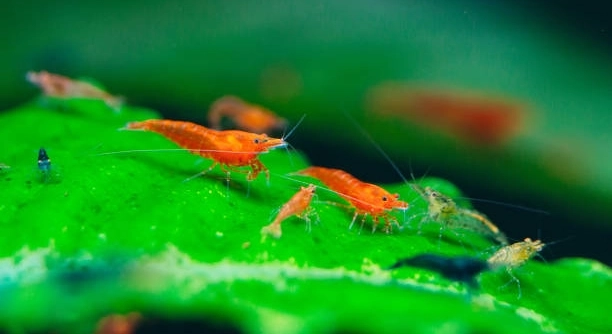
Do you ever notice your cherry shrimp swimming in circles around the tank? Many hobbyists observe this behavior and wonder if it signals a problem or is just a quirk of their aquatic pets.
Cherry shrimp swimming in circles is commonly caused by stress, water quality issues, illness, or environmental factors. Each of these influences affects shrimp behavior, and understanding the root cause is essential for ensuring their well-being and healthy activity.
Observing the patterns of your shrimp can reveal important information about their health and environment, helping you maintain a thriving, balanced aquarium.
Water Quality Issues
Maintaining stable water conditions is critical for cherry shrimp. Poor water quality often causes them to swim in circles. Factors like high ammonia, nitrite, or nitrate levels, sudden pH shifts, or improper temperature can stress shrimp. Even minor changes can affect their nervous system and movement patterns. Tank cleanliness plays a major role. Uneaten food and waste can accumulate, releasing toxins that disturb shrimp behavior. Regular water testing and changes are essential. Observing water parameters closely helps identify issues before they escalate. Filtering and aeration also support oxygen levels, which are vital. Shrimp exposed to fluctuating water conditions may display erratic swimming. Addressing these factors promptly improves their comfort and reduces stress. Consistent monitoring and maintenance can prevent circular swimming from becoming a persistent problem. Ensuring a stable, clean environment creates a safe and healthy habitat for shrimp to thrive naturally, with predictable and calm movements throughout the tank.
Maintaining proper water quality reduces stress and allows shrimp to swim normally. Testing and careful cleaning prevent recurring behavioral issues.
Understanding water chemistry, waste buildup, and oxygen levels provides insight into shrimp behavior. Regular maintenance ensures they remain healthy and active. Observing changes over time helps identify patterns linked to swimming in circles. Simple adjustments in tank care, such as partial water changes or adjusting filtration, can restore balance. Even small improvements in water conditions have immediate effects on shrimp activity. Healthy water encourages normal feeding, molting, and social interaction, reducing erratic movements. Keeping water parameters within optimal ranges ensures shrimp remain comfortable, and stress-related behaviors, including circular swimming, are minimized. Tracking these factors gives confidence in maintaining a stable environment that supports long-term shrimp health and natural behaviors. By focusing on water quality, you establish a foundation for a thriving shrimp tank.
Stress and Environmental Factors
Stress can trigger circular swimming in cherry shrimp. Factors like overcrowding, loud vibrations, or constant disturbances disrupt their natural behavior.
Shrimp are highly sensitive to their surroundings. Sudden changes in tank setup, aggressive tankmates, or insufficient hiding spots can increase stress levels. When stressed, shrimp may swim erratically or circle repeatedly. Observing their environment helps identify sources of tension. Even small modifications, like rearranging decorations or adding plants, can reduce stress. Ensuring a calm and stable habitat promotes healthy movement patterns.
Creating a stress-free environment starts with understanding shrimp behavior and needs. Plants, moss, and small shelters provide hiding spots, allowing them to feel secure. Avoiding sudden loud noises, tapping on the glass, or frequent handling reduces unnecessary stress. Tankmates should be compatible and non-aggressive to prevent intimidation. Overcrowding increases competition for food and space, heightening stress levels, so maintaining appropriate population density is essential. Lighting should mimic natural day-night cycles, supporting regular activity. Providing a consistent routine, stable water conditions, and environmental enrichment encourages shrimp to swim normally, feed well, and interact with the tank naturally. Reducing environmental stress enhances their overall health and prevents repeated circular swimming caused by anxiety or discomfort.
Illness and Parasites
Shrimp infected with bacteria, fungi, or parasites often swim in circles. Signs include lethargy, discoloration, or unusual behavior. Prompt identification is important to prevent worsening conditions and to protect other tank inhabitants.
Illnesses such as bacterial infections, fungal growths, or parasitic infestations can interfere with shrimp mobility. Infected shrimp may struggle to maintain balance, causing circular swimming. Early detection is crucial. Observing changes in coloration, unusual spots, or sluggish movement helps identify affected shrimp. Quarantining sick individuals and treating the tank appropriately can prevent further spread. Maintaining water quality and providing a nutritious diet reduces vulnerability to infections. Regular inspection of shrimp ensures that minor health issues do not escalate, allowing for timely intervention and treatment.
Parasites often attach to shrimp externally or affect internal systems, disrupting coordination. Treatments may include medicated baths or specialized water additives. Addressing infections promptly protects healthy shrimp. Observing feeding habits, molting cycles, and activity levels also provides clues. Healthy shrimp swim steadily and feed consistently. Affected shrimp may isolate themselves or show repeated circular movement. Maintaining clean water and avoiding overcrowding reduces stress and the likelihood of disease outbreaks. Preventive measures, careful monitoring, and quick action create a safe environment and help shrimp regain normal swimming patterns.
Diet and Nutritional Imbalances
Improper diet can cause shrimp to swim erratically. Lack of essential nutrients may affect energy levels, balance, and overall activity, leading to repetitive circular movement.
A diet lacking protein, calcium, or essential minerals can impair shrimp health. Nutritional deficiencies weaken muscles and nervous systems, disrupting swimming behavior. Feeding a variety of high-quality foods, including algae, biofilm, and specialized shrimp pellets, supports growth and vitality. Overfeeding or underfeeding can also lead to stress or digestive problems, affecting movement. Observing shrimp during feeding times helps identify appetite issues and ensures all shrimp receive adequate nutrition. Balancing diet and portion sizes maintains health and encourages steady, normal swimming patterns, reducing the likelihood of erratic circular movements.
Supplementing with minerals, vitamins, and natural food sources strengthens exoskeletons and promotes energy. Proper feeding routines prevent deficiencies. Providing a diverse, nutrient-rich diet improves shrimp resilience, reducing erratic swimming caused by weakness or imbalance. Monitoring food intake, rotating diet options, and ensuring clean feeding areas are essential steps. Nutritionally supported shrimp exhibit normal, steady movements and are more resistant to stress and disease. Consistency in diet combined with water quality maintenance ensures long-term health and vitality, keeping shrimp active and reducing behaviors like circular swimming linked to dietary problems.
Tank Size and Overcrowding
Too small a tank or too many shrimp can lead to circular swimming. Limited space restricts movement and increases stress, affecting behavior and overall health.
Overcrowding also raises competition for food and hiding spots. Shrimp may circle repeatedly to find space or avoid others, signaling the need for a larger, less populated tank.
Molting Issues
Difficulty molting can cause shrimp to swim in circles. A weak exoskeleton or poor water conditions disrupt normal movement.
Shrimp require calcium and stable water parameters for successful molting. When conditions are unsuitable, they may struggle to shed their exoskeleton. This stress often results in repeated circular swimming. Observing shrimp during molting and providing minerals can reduce this behavior.
Lighting and Day-Night Cycle
Improper lighting or inconsistent day-night cycles can affect shrimp activity. Erratic light exposure may lead to circular swimming as they adjust.
Maintaining a consistent lighting schedule and avoiding abrupt changes helps stabilize shrimp behavior, promoting regular swimming patterns and overall well-being.
FAQ
Why are my cherry shrimp swimming in circles constantly?
Constant circular swimming usually indicates stress, illness, or environmental issues. Overcrowding, poor water quality, and insufficient hiding spots are common triggers. Observing shrimp for other signs like discoloration, lethargy, or irregular feeding can help pinpoint the cause. Regular maintenance and stable conditions reduce this behavior.
Can water temperature affect circular swimming?
Yes, cherry shrimp are sensitive to temperature fluctuations. Too high or too low temperatures can disrupt their metabolism and balance, leading to erratic swimming. Keeping water within their preferred range of 72–78°F ensures comfort and consistent movement. Sudden changes should be avoided to prevent stress.
Is diet a reason for unusual swimming patterns?
Improper nutrition can weaken shrimp muscles and nervous systems, causing circular swimming. A balanced diet of biofilm, algae, and specialized shrimp food supports energy and healthy movement. Overfeeding or underfeeding may also lead to stress, so monitoring intake is essential.
Could tank size or population be the problem?
Yes, overcrowding limits space and increases competition for resources. Shrimp may circle repeatedly to find room or avoid tankmates. Maintaining a moderate population relative to tank size ensures they have enough space to swim normally and reduces stress-related behaviors.
Do parasites or diseases make shrimp swim in circles?
Infections or parasites can affect coordination. Sick shrimp may appear lethargic, change color, or struggle to maintain balance. Quarantining affected shrimp and treating the tank can prevent the spread of disease. Early detection is critical to protect healthy shrimp and restore normal behavior.
Can stress from environmental changes cause circular swimming?
Shrimp are sensitive to disturbances like loud vibrations, aggressive tankmates, or sudden decorations changes. Stress can lead to repetitive swimming patterns. Adding plants, moss, and hiding spots, and keeping a calm tank environment, helps shrimp feel secure and move naturally.
Does molting affect swimming behavior?
Yes, shrimp often swim irregularly when molting, especially if water lacks calcium or minerals. Weak exoskeletons make swimming difficult, sometimes causing circles. Providing proper nutrition and stable water conditions supports healthy molting and reduces stress-related movements.
Can lighting and day-night cycles influence shrimp activity?
Inconsistent lighting can confuse shrimp and disrupt natural activity patterns. A stable day-night cycle with gradual light transitions helps shrimp maintain regular swimming behaviors. Avoid sudden, bright lights or extended darkness, which can increase stress and circular swimming.
How do I know if the swimming is serious or normal?
Occasional circling is sometimes normal, but persistent, repeated movement combined with lethargy, loss of appetite, or physical signs indicates an issue. Monitoring water quality, diet, and tank conditions can help determine if intervention is needed.
What steps can I take to stop my shrimp from swimming in circles?
Check water quality, ensure proper diet, maintain adequate tank space, reduce stress factors, and observe for illness. Making adjustments gradually and consistently improves shrimp behavior. Providing hiding spots, stable lighting, and mineral supplements supports overall health and reduces erratic swimming.
Are all cherry shrimp affected the same way?
Not always. Individual shrimp may react differently to stress, diet, or illness. Observing each shrimp’s behavior allows for targeted interventions, ensuring healthier movement and reducing circular swimming in the tank population as a whole.
Can I prevent this behavior entirely?
While occasional circling may occur, maintaining stable water parameters, proper nutrition, moderate population density, and a calm environment minimizes repetitive circular swimming. Consistent care and observation are the best ways to prevent persistent behavioral issues in cherry shrimp.
How long does it take for shrimp to recover normal swimming?
Recovery time depends on the underlying cause. Fixing water quality issues or stressors can produce noticeable improvement within hours to days. Recovery from illness or molting complications may take longer. Continuous observation ensures shrimp regain normal movement safely.
Should I separate circling shrimp from the rest?
If illness is suspected, quarantine is recommended to prevent spreading disease. Otherwise, minor circling due to temporary stress or molting doesn’t usually require separation. Ensuring a healthy environment helps the entire tank regain normal behavior.
Are certain shrimp more prone to swimming in circles?
Juveniles, newly introduced shrimp, or those recovering from molting are more sensitive. These shrimp are more likely to display circular swimming temporarily as they adjust to new conditions or recover strength.
Final Thoughts
Observing cherry shrimp swimming in circles can be concerning at first, but it often signals manageable issues rather than severe problems. Their behavior is highly sensitive to the environment, including water quality, temperature, diet, and stress. Small changes in tank conditions can trigger noticeable shifts in movement, so paying attention to their surroundings is essential. Maintaining stable water parameters, consistent temperatures, and clean conditions helps prevent many common causes of circular swimming. By monitoring ammonia, nitrite, nitrate levels, and pH regularly, you create a safer and more predictable environment for your shrimp. Clean tanks and proper filtration reduce stress and create space for shrimp to move comfortably, limiting repetitive swimming patterns.
Diet plays an equally important role in overall shrimp health. A balanced, nutrient-rich diet supports their muscles, nervous system, and energy levels, which all contribute to normal swimming behavior. Inadequate nutrition or overfeeding can lead to imbalances, resulting in unusual movement patterns. Providing a mix of algae, biofilm, and specialized shrimp food ensures they receive essential minerals and vitamins. Calcium and other nutrients also support successful molting, which is a vulnerable time when shrimp may circle due to weakness or discomfort. Careful observation during feeding and molting periods allows you to identify potential problems early. Minor adjustments to diet and feeding routines often produce noticeable improvements in movement and general vitality.
Stress and environmental factors are another key consideration. Cherry shrimp are sensitive to overcrowding, aggressive tankmates, abrupt changes in tank layout, and inconsistent lighting. Even small disruptions can cause repeated circling. Creating a calm, stable environment helps them feel secure and promotes natural behavior. Adding hiding places, plants, or moss provides security, reducing stress-related behaviors. Quarantining new or sick shrimp can prevent the spread of disease while maintaining a healthy population. Monitoring behavior consistently allows for early detection of issues and helps maintain a thriving tank. With careful attention to water quality, nutrition, and environmental stability, circular swimming can usually be minimized, and shrimp can maintain healthy, steady movement throughout their tank.

Hello,
If you enjoy the content that we create, please consider saying a "Thank You!" by leaving a tip.
Every little bit helps us continue crafting quality advice that supports the health, happiness, and well-being of pets around the world, for pets of all shapes, sizes, and species.
We really appreciate the kindness and support that you show us!