
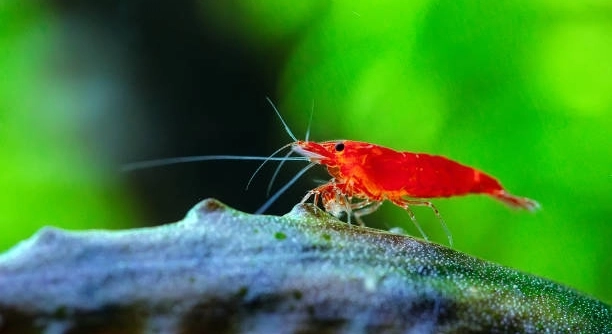
Do you ever notice your cherry shrimp clustering in one corner of the tank or climbing over each other during feeding times? Observing their behavior can be surprising, especially for those new to keeping these tiny, colorful creatures.
Cherry shrimp often crawl over each other due to limited space, high population density, or competition for food. Stress, water quality, and the presence of molting shrimp can also influence this behavior, making it a common occurrence in home aquariums.
Understanding these patterns can help improve tank conditions and shrimp well-being, ensuring a healthier and more balanced environment for your aquatic pets.
Why Cherry Shrimp Cluster Together
Cherry shrimp often cluster in small areas of the tank when they feel overcrowded or stressed. In my experience, this can happen even in tanks that seem spacious at first glance. Limited hiding spots and high population density push them together. They also tend to gather near food, which can lead to them climbing over each other. Stressful conditions like sudden changes in water temperature, pH, or ammonia spikes make them seek safety in numbers. Observing them, you notice that some shrimp are more active, while others remain hidden until they feel safe. Plants, moss, and small decorations provide more hiding areas and can reduce clustering. Molting shrimp attract attention, as others may explore or gently push them. Over time, monitoring these behaviors helps identify patterns linked to feeding schedules, tank layout, and water quality. Small adjustments often make a noticeable difference in their comfort and activity levels.
Stress and space limitations are major factors influencing shrimp clustering. Proper tank design helps them spread naturally.
Providing enough hiding spots, regulating population, and maintaining stable water conditions can prevent excessive gathering, creating a healthier environment for your shrimp.
Feeding Habits and Competition
Cherry shrimp often move over each other while foraging. They are quick and curious, especially during feeding times, which can make them appear crowded. Observing closely, you see shrimp gently nudging each other as they search for food.
Food type and placement significantly impact how they interact. High-protein foods like shrimp pellets or blanched vegetables attract multiple shrimp to the same spot, encouraging climbing and mild competition. Even when plenty of food is available, dominant individuals may push smaller or slower shrimp aside. Timing also matters; feeding in the morning versus evening can change the intensity of their interactions. Overfeeding can reduce aggression, but leftover food may pollute the water, creating stress that affects overall behavior. Watching their feeding routines over several days reveals patterns, such as certain shrimp always leading the search or particular spots in the tank being preferred. Adjusting food distribution, using multiple feeding points, and ensuring proper nutrition can reduce overcrowding behaviors, making the tank calmer and more enjoyable to observe.
Water Quality and Its Effects
Poor water quality can make cherry shrimp behave oddly, including crawling over each other. High ammonia, nitrite, or nitrate levels create stress, leading them to cluster or compete for safe spots. Regular testing is important.
Maintaining stable water parameters has a big impact on shrimp behavior. Sudden swings in pH, temperature, or hardness can stress shrimp and trigger more aggressive or unusual movements. I’ve noticed that even minor changes in tank chemistry make shrimp cling together or explore less. Frequent partial water changes and careful monitoring help prevent these problems. Adding live plants also supports better water conditions by absorbing excess nutrients and giving shrimp more places to rest. Over time, small efforts in water maintenance lead to calmer, healthier shrimp that are less likely to crowd each other or show signs of stress.
Filtration and aeration also influence water quality. Strong currents or poorly oxygenated water can make shrimp move erratically. Choosing a gentle filter and ensuring proper oxygen levels keeps them comfortable. Proper cleaning routines, avoiding overfeeding, and removing decaying material reduce toxins. I’ve found that providing shaded areas under plants or decorations also gives shrimp a sense of security, lowering the need to cluster. Maintaining consistent water quality is the most reliable way to encourage normal, relaxed behavior, making your tank more enjoyable to watch.
Tank Layout and Hiding Spots
Tank setup affects how shrimp interact. Crowded or bare tanks lead to more climbing over each other. Plants and decorations give them space to spread out and feel safe.
Providing a mix of moss, small caves, and plants encourages natural behavior. Cherry shrimp explore different levels of the tank when they have places to hide, reducing stress and crowding. In my experience, shrimp are less likely to push each other around when they can retreat. Rocks, driftwood, and dense plant clusters create areas for molting shrimp to hide, which is essential for reducing interactions that may disturb them. Arranging decorations to break up open areas also promotes more evenly distributed movement. Multiple hiding spots help dominant shrimp coexist with smaller ones, limiting conflicts and climbing. Over time, a well-planned tank layout makes observation more rewarding, as shrimp exhibit calmer, more balanced activity patterns.
Population Density
High population density often causes cherry shrimp to crowd together. Too many shrimp in a small tank increases interactions, stress, and competition for food and hiding spots.
Reducing the number of shrimp or increasing tank size helps them spread out. Even small adjustments in population can lower stress and improve overall behavior.
Molting and Vulnerable Shrimp
Molting shrimp are more sensitive and tend to attract attention from others. They hide more often or get nudged, which can cause temporary clustering. Observing molting cycles helps explain why some shrimp move unusually or gather in one area.
Temperature Changes
Rapid temperature changes affect shrimp activity. Even small fluctuations make them more active or stressed, prompting climbing over each other. Maintaining stable temperature keeps behavior predictable and reduces unnecessary stress in the tank.
FAQ
Why are my cherry shrimp always climbing over each other?
Cherry shrimp climb over each other mostly due to stress, limited space, or competition for food. In my experience, overcrowded tanks or sudden water changes make them cluster. Adding hiding spots and ensuring enough space helps reduce this behavior significantly.
Is it normal for shrimp to push each other while eating?
Yes, this is common. Cherry shrimp are naturally curious and fast-moving, especially during feeding. Even in well-maintained tanks, dominant shrimp may nudge others to reach food first. Using multiple feeding points or spreading food evenly reduces pushing and crowding.
Can poor water quality cause unusual shrimp behavior?
Absolutely. High levels of ammonia, nitrites, or nitrates create stress, which often leads to climbing or clustering. Regular water testing, partial water changes, and stable parameters help keep shrimp calm and healthy. Live plants also improve water quality naturally.
Do shrimp need hiding spots for molting?
Yes. Molting is a vulnerable time for shrimp, and lack of hiding places can make them cluster together or hide in the same areas. Moss, caves, and dense plants give them secure spaces to molt safely without interference.
How many shrimp are too many in a tank?
Overcrowding depends on tank size, filtration, and layout. A small 10-gallon tank can comfortably hold 15–20 cherry shrimp. Exceeding that number increases stress, competition, and the chance of climbing over each other. Spacing out population helps maintain calm behavior.
Does feeding schedule affect shrimp behavior?
Yes. Feeding too little or too much changes how shrimp interact. Hungry shrimp are more likely to push each other around, while overfeeding can pollute water and increase stress. I’ve found dividing food into small portions throughout the day works best.
Do shrimp climb more during temperature changes?
They do. Sudden drops or rises in temperature make shrimp active and sometimes stressed, causing unusual movement patterns like climbing or clustering. Keeping the tank temperature stable within their preferred range avoids unnecessary stress and aggressive interactions.
Can tank decorations influence shrimp behavior?
Definitely. Bare tanks leave shrimp exposed and force them to cluster. Plants, moss, driftwood, and small rocks create hiding spots and divide space, letting shrimp move freely. Proper layout encourages natural exploration while reducing competition and pushing.
What should I do if shrimp keep piling in one area?
Check water quality, population, and available hiding spots. Small adjustments like rearranging decorations, adding plants, or spreading food can disperse the group. Observing behavior over a few days helps identify the main cause and prevent repeated clustering.
Will adding more food solve climbing issues?
Not always. While additional food can reduce mild competition, it doesn’t address stress, water quality, or space issues. Overfeeding may create other problems like ammonia spikes, so balanced feeding and proper tank maintenance are more effective.
Are some shrimp more dominant than others?
Yes, individual personalities exist. Dominant shrimp tend to get first access to food and prime spots, sometimes nudging smaller ones. Providing multiple feeding points and hiding areas allows all shrimp to coexist without constant crowding.
How can I tell if shrimp are stressed?
Signs include clustering, rapid movement, hiding more than usual, and constant climbing over each other. Poor water quality, overcrowding, and sudden environmental changes are common causes. Keeping conditions stable helps reduce these stress behaviors.
Does tank size alone prevent overcrowding issues?
Tank size is important but not the only factor. Proper filtration, layout, and hiding spots are equally crucial. Even a large tank with few decorations can cause shrimp to cluster if space isn’t effectively divided. Balanced setup ensures calm behavior.
Can adding more plants reduce climbing behavior?
Yes. Dense plants provide hiding spots, break up open spaces, and give shrimp areas to explore individually. In my tank, adding moss and small plants reduced clustering and made shrimp movements more even and natural.
How often should I check water parameters to prevent stress?
Frequent checks are important, especially in new tanks. Weekly testing works for stable, established tanks, but in high-density setups or after feeding changes, checking more often helps prevent stress-related climbing and unusual behaviors.
Do shrimp interact differently during breeding?
Yes. Breeding periods increase activity and interactions. Females carrying eggs may receive more attention from others, and males might compete for proximity. Providing ample hiding spots reduces stress and maintains harmony in the tank.
Can aggressive shrimp harm others?
Cherry shrimp are generally peaceful, but constant nudging or chasing can stress weaker shrimp. Observing dominant behavior and ensuring enough space and food prevents harm and reduces excessive climbing or crowding.
Does lighting affect shrimp behavior?
Bright or fluctuating light can make shrimp seek shaded areas, often clustering under plants or decorations. Consistent lighting with natural hiding spaces reduces stress and encourages even distribution across the tank.
What is the best way to stop shrimp from piling up?
Addressing multiple factors works best: stable water, enough hiding spots, appropriate population, and balanced feeding. Observing behavior and making gradual adjustments prevents excessive clustering and promotes calmer, healthier shrimp.
How long does it take for shrimp behavior to normalize after changes?
It varies. Minor adjustments like food placement may show results in a few days. Water parameter corrections or population adjustments can take a week or more. Patience and careful observation help ensure shrimp return to normal activity.
Final Thoughts
Cherry shrimp are fascinating little creatures, but their behavior can sometimes be confusing, especially when they start climbing over each other. In my experience, observing them closely over time is the best way to understand what is normal and what might indicate stress or other issues. Many of the behaviors we notice, like clustering or nudging each other, are natural responses to the environment they live in. Factors such as tank size, population density, food distribution, and water quality all play a role in how shrimp move and interact. Even small adjustments in any of these areas can make a noticeable difference in their overall comfort and activity. It’s easy to overlook details like the number of hiding spots or how evenly food is spread, but these small considerations often have a big impact on behavior.
Water quality is one of the most important aspects to focus on when keeping cherry shrimp. Maintaining stable parameters for pH, temperature, and ammonia levels reduces stress and encourages natural movement throughout the tank. I’ve found that partial water changes and careful monitoring over time make shrimp less likely to crowd in one area. The addition of live plants and decorations not only improves water quality but also gives shrimp more places to explore and hide. Providing multiple areas for food and shelter allows each shrimp to find its own space, which naturally reduces climbing and pushing behavior. Observing how shrimp respond to these changes over a few days can reveal patterns, helping to identify if issues are related to overcrowding, feeding routines, or environmental stress. Patience and consistency are key when making adjustments, as shrimp often need time to settle into new conditions.
Population management is another essential consideration for creating a balanced shrimp tank. Overcrowding can quickly lead to stress, competition, and unusual climbing behavior. Choosing the right number of shrimp for your tank size and ensuring there is enough space for everyone prevents many common issues. Paying attention to molting cycles, feeding habits, and seasonal behaviors can also help explain why shrimp cluster or interact more aggressively at certain times. Overall, maintaining a calm, healthy environment requires a combination of proper tank setup, regular care, and observation. When these elements are in place, shrimp tend to distribute themselves naturally, interact more peacefully, and show less of the crowded, climbing behavior that can be concerning. Over time, watching a well-balanced tank become calmer and more active is very rewarding and makes caring for cherry shrimp much easier.

Hello,
If you enjoy the content that we create, please consider saying a "Thank You!" by leaving a tip.
Every little bit helps us continue crafting quality advice that supports the health, happiness, and well-being of pets around the world, for pets of all shapes, sizes, and species.
We really appreciate the kindness and support that you show us!