
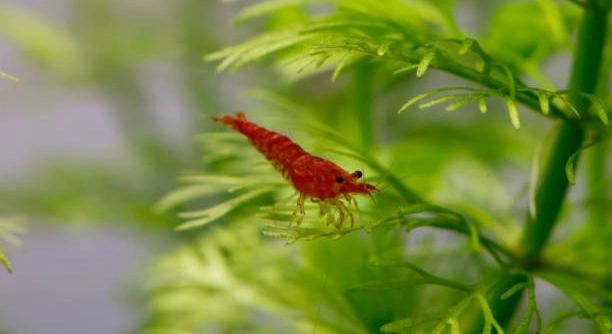
Are your cherry shrimp acting nervously around the tank glass or when lights reflect on the water? Many shrimp owners notice sudden movements or hiding when light patterns change in their aquarium environment. Observing them closely can reveal subtle behaviors.
Cherry shrimp do show sensitivity to light reflections. Sudden flashes or bright reflections can trigger hiding or erratic swimming, as these creatures naturally avoid perceived threats. Their response is instinctive, aiming to protect them from predators in their environment.
Understanding how light affects shrimp behavior can improve tank setup and care. Paying attention to reflections helps create a calmer, safer environment for your aquatic pets.
Why Cherry Shrimp React to Light Reflections
Cherry shrimp are small and sensitive creatures. Their eyesight is adapted to detect movement and shadows rather than bright light. When light reflects off the aquarium glass or surfaces, it can startle them. This reaction is instinctive, helping them avoid predators in natural habitats. In home tanks, reflections from sunlight, lamps, or camera flashes may make shrimp dart quickly or hide behind plants. Over time, repeated exposure to strong reflections can stress them, affecting feeding and activity levels. Tank decorations, plants, and hiding spots can help shrimp feel safer. Many hobbyists notice shrimp cluster in corners or behind moss when bright light hits. Using indirect lighting or diffusers reduces sudden flashes. It’s important to observe shrimp behavior regularly to understand their comfort zones. Adjusting light sources and minimizing reflective surfaces helps maintain calm and encourages natural movements in the aquarium.
Light reflections can disturb shrimp temporarily, but small changes in tank lighting often prevent repeated stress responses.
By arranging plants and decorations strategically, you can create shaded areas that reduce reflections. Shrimp feel more confident moving around when their environment has soft, indirect lighting. Consistent observation helps recognize patterns in behavior, and small adjustments improve overall well-being. Over time, shrimp become accustomed to gentle light, and sudden reflections become less alarming, making the aquarium a more peaceful place.
Managing Reflections in Your Tank
Reducing reflections involves controlling light placement and intensity.
Positioning lights away from reflective surfaces is key. Using frosted bulbs or diffusers softens light, preventing sharp flashes that startle shrimp. Covering parts of the tank with background material or dark-colored tape can minimize mirrored surfaces. Regularly cleaning the glass also reduces scattered light. Paying attention to natural sunlight entering the room is important, as even indirect sunlight can create reflections at certain angles. Monitoring shrimp activity after lighting changes helps identify effective setups. Creating shaded zones with plants or rocks provides hiding spots that reduce stress. In combination with proper feeding and water conditions, these adjustments contribute to a calmer, healthier environment. Consistency is important, as shrimp are sensitive to sudden environmental changes. Over time, careful management of reflections allows shrimp to move freely, feed confidently, and display natural behavior without unnecessary stress.
Adjusting Light Levels
Too bright lighting can make cherry shrimp hide or move erratically. Dimming lights slightly or using timers creates a more stable environment. This helps shrimp feel safe and encourages regular feeding and activity.
Gradually adjusting light intensity allows shrimp to adapt without stress. Sudden changes often trigger hiding or frantic swimming. Using adjustable LEDs or placing a tank hood at an angle reduces glare. Observing shrimp responses during light adjustments ensures the setup supports natural behaviors. Shadows created by plants or decorations provide comfort, giving shrimp areas to retreat when needed. These small changes improve shrimp confidence and overall tank harmony.
Consistent light schedules also promote healthier molting and feeding patterns. Shrimp rely on predictable light cues, and irregular lighting can disrupt these processes. Combining soft, indirect lighting with shaded zones encourages exploration without fear. Regular observation and minor adjustments prevent long-term stress, allowing shrimp to behave naturally. Even small tweaks in light placement or intensity can have a big impact on their daily activity, creating a balanced and calmer environment for the shrimp to thrive.
Using Plants and Hiding Spots
Dense plants and decorations reduce reflections and provide safe areas for shrimp to retreat.
Live plants like moss, java fern, or floating species create natural cover that absorbs excess light and limits startling reflections. Rocks, driftwood, and other hiding spots add vertical and horizontal spaces, giving shrimp options to explore or rest. Strategically placing plants in corners and along tank walls breaks up reflective surfaces, creating calmer zones. Regularly rearranging plants slightly can also maintain stimulation and prevent stress from stagnant areas. Shrimp respond positively when they have clear choices for shelter, increasing confidence and reducing sudden hiding.
Providing multiple hiding spots not only reduces light stress but also encourages natural behaviors such as grazing and molting safely. Shrimp are more likely to explore freely when they know escape routes exist. Dense planting mimics their natural habitat, improving well-being and reducing competition or territorial conflicts. Combining live plants with smooth surfaces for grazing creates a balanced tank ecosystem. Regular observation ensures that hiding spots remain effective and accessible. Over time, shrimp become more active and visible while feeling secure, making the aquarium a more dynamic yet stress-free environment.
Observing Behavior Patterns
Cherry shrimp often show subtle signs when reflections disturb them. Rapid movements, clustering, or frequent hiding indicate sensitivity to light changes.
Noticing when these behaviors occur helps identify which light sources or angles cause stress. Keeping a simple log of activity patterns can reveal consistent triggers and guide adjustments to tank lighting.
Choosing the Right Lighting
Soft, diffused lighting is ideal for shrimp tanks. LEDs with adjustable brightness or fluorescent tubes with covers help maintain steady illumination. Direct, harsh light often startles shrimp, while indirect light encourages natural feeding and movement. Shaded areas from decorations or plants reduce stress, allowing shrimp to move confidently and freely. Proper lighting also supports plant growth, balancing the ecosystem and maintaining water quality. Monitoring shrimp reactions after changes ensures the setup remains suitable, and small tweaks in placement or intensity make a noticeable difference in shrimp behavior. Consistency in lighting schedules helps maintain calm activity levels throughout the day.
Minimizing Sudden Flashes
Avoid sudden flashes from cameras, sunlight, or nearby reflections.
FAQ
Do cherry shrimp get stressed from bright light?
Yes, bright or sudden light can stress cherry shrimp. They are small, sensitive creatures that rely on subtle light cues in their environment. Sudden changes, like strong reflections or overhead lights, often make them hide, swim erratically, or cluster in shaded areas. Stress from light can affect feeding, molting, and general activity, so controlling intensity and creating shaded areas is important. Soft, indirect lighting and consistent schedules help shrimp remain calm while still allowing natural behaviors like grazing and exploring.
Can reflections from the aquarium glass harm shrimp?
Reflections themselves do not physically harm shrimp, but they can trigger fear responses. When shrimp see flashes or mirrored images, they interpret them as potential threats and hide or swim quickly. Over time, repeated stress can reduce activity levels, impact feeding, and disrupt molting. Using decorations, plants, and proper tank placement reduces reflective surfaces and creates safe zones for shrimp to retreat when startled.
How can I make my shrimp feel safer with light in the tank?
Providing shaded areas with plants, moss, rocks, or driftwood helps. Positioning lights away from direct glass angles and using diffusers or frosted bulbs reduces sudden glare. Adjustable lighting allows gradual changes, which shrimp tolerate better. Observing shrimp behavior after changes ensures the tank environment is comfortable and stress-free. Consistent light schedules reinforce calm daily routines.
Is it necessary to turn off lights at night?
Yes, turning off lights at night mimics natural day-night cycles. Continuous bright light can disrupt shrimp behavior and stress them. Nighttime darkness allows rest, molting, and normal activity cycles. Even low-intensity ambient light should be minimized to prevent sudden reflections that might startle them. A timer can help maintain consistency without constant manual adjustments.
Do all shrimp react the same way to reflections?
Not all shrimp react identically. Some may be bolder or more accustomed to light, while others hide quickly. Factors include age, color intensity, previous exposure, and overall tank conditions. Providing hiding spots and observing individual behavior ensures even the shyest shrimp can feel secure. Over time, shrimp may gradually tolerate gentle reflections if the environment remains consistent.
Will reducing reflections improve shrimp health?
Yes, minimizing reflections and sudden light changes reduces stress, which improves feeding, molting, and overall activity. Calm shrimp are less likely to waste energy hiding or darting around. A stable, well-planted tank with controlled light helps maintain both shrimp health and a peaceful environment. Stress reduction supports natural growth and reproduction.
Are there specific types of lighting better for shrimp?
Soft LEDs with adjustable brightness are preferred, as they allow fine control over intensity. Fluorescent tubes with covers or diffusers also work well. Avoid strong, direct lights or overly reflective setups. Shaded zones created by plants and decorations complement suitable lighting, offering shrimp choices for retreat and exploration.
Can reflections affect shrimp breeding?
Yes, stress from frequent reflections can reduce breeding activity. Shy or stressed shrimp may hide more and spend less time grazing or interacting with other shrimp. Calm, consistent lighting combined with safe hiding spots encourages natural mating behavior and increases the likelihood of successful breeding.
Is monitoring shrimp behavior enough to manage light stress?
Observation is essential. By noting when shrimp hide, cluster, or swim rapidly, you can identify specific light sources or angles causing stress. Combining observation with environmental adjustments like plant placement, diffused lighting, and consistent schedules ensures shrimp remain active, healthy, and comfortable in the tank.
Do reflections bother shrimp more during certain times of day?
Yes, reflections from sunlight or strong indoor lighting can be more noticeable during peak daylight hours. Positioning the tank to avoid direct sunlight and using consistent artificial lighting reduces these effects. Shrimp tend to be calmer with gradual light changes rather than sudden flashes, so awareness of light timing is helpful.
Will shrimp eventually ignore reflections?
Some shrimp may gradually become accustomed to minor reflections if stress is minimized and safe zones exist. However, sudden or very bright flashes will always trigger instinctive hiding. Creating a stable, predictable environment with consistent lighting allows shrimp to explore more confidently while still responding naturally to unexpected changes.
How do I balance plant growth with low stress for shrimp?
Plants need light, but shrimp need calm conditions. Using adjustable lighting, diffusers, and indirect placement ensures plants receive enough light without startling shrimp. Floating plants or dense moss create shaded areas while supporting growth. Balancing these factors helps maintain healthy shrimp and a thriving planted tank.
Do reflections affect shrimp differently based on tank size?
Yes, smaller tanks often concentrate reflections more, making shrimp more sensitive to light changes. Larger tanks allow more hiding spots and natural dispersal of light. Adjusting light angles, creating shaded zones, and providing multiple retreat areas helps shrimp of all sizes feel secure.
Is it necessary to change tank decor to reduce reflections?
Not always, but rearranging decorations can help. Rocks, driftwood, and plants can break up reflective surfaces. Even minor changes like adding moss or moving a background panel reduce stress triggers. Observing shrimp after changes ensures that modifications improve comfort without disrupting natural activity.
How long does it take for shrimp to adjust to lighting changes?
Adjustment varies by shrimp and tank setup. Gradual changes over days or weeks help shrimp acclimate without stress. Providing shaded zones and avoiding sudden flashes allows shrimp to explore freely. Patience is important, as rushed lighting changes often result in hiding or erratic swimming.
Can reflections from equipment like filters or heaters affect shrimp?
Yes, shiny surfaces, moving water, or reflected light from equipment can startle shrimp. Placing equipment thoughtfully, using backgrounds, and avoiding direct reflection onto swimming areas reduces stress. Observing behavior after setup changes ensures shrimp remain comfortable and active.
Does water clarity impact light reflections?
Clear water increases the visibility of reflections, making shrimp more sensitive to light. Slightly softened lighting and strategically placed plants or decorations can reduce glare. Regular maintenance and water quality management also help shrimp perceive their environment more naturally, minimizing unnecessary stress from reflections.
Are there any signs that indicate long-term stress from reflections?
Persistent hiding, reduced feeding, lethargy, or molting issues can indicate chronic stress. Monitoring shrimp regularly helps identify these patterns early. Adjustments in lighting, hiding spots, and tank arrangement can restore normal behavior and prevent long-term health problems caused by repeated exposure to reflections.
Can reflections interfere with shrimp feeding?
Yes, startled shrimp may hide instead of grazing, slowing growth and affecting health. Reducing sudden flashes, creating shaded areas, and maintaining consistent light schedules encourages regular feeding and natural foraging behavior. Calm shrimp are more likely to eat consistently and maintain healthy activity levels.
What is the best overall approach to reduce light stress in shrimp?
Combine soft, indirect lighting, shaded zones from plants and decorations, and consistent light schedules. Monitor behavior, adjust equipment placement, and create retreat options. Gradual changes prevent sudden stress, while careful observation ensures shrimp remain active, healthy, and comfortable in a secure tank environment.
How important is patience when managing light and reflections?
Patience is crucial. Shrimp respond slowly to environmental changes, and rushing adjustments can increase stress. Small, consistent steps with careful observation allow shrimp to adapt naturally, improving their confidence, activity, and overall health in the aquarium.
Cherry shrimp are delicate creatures that react strongly to their surroundings. Light reflections, whether from sunlight, artificial bulbs, or shiny surfaces in the tank, can trigger hiding, sudden movements, or clustering in shaded areas. These responses are instinctive, helping them avoid threats in the wild. In a home aquarium, repeated exposure to harsh light or reflections can cause stress, which may affect feeding, molting, and overall activity. By understanding their natural tendencies and observing their behavior carefully, you can make small but meaningful adjustments that reduce stress and create a more comfortable environment for your shrimp. Paying attention to their movements, hiding patterns, and reactions to different light angles allows you to see what works best in your tank.
Managing light is one of the simplest yet most effective ways to improve shrimp well-being. Using soft, diffused lighting and avoiding sudden changes helps shrimp feel secure and encourages normal behaviors like grazing, exploring, and interacting with other shrimp. Shaded zones created with plants, moss, rocks, or driftwood give them safe spaces to retreat when reflections or bright light occur. Adjustable lights, timers, and diffusers can also make a noticeable difference, allowing for gradual changes that shrimp tolerate better than abrupt flashes. Consistency is important, as shrimp are more comfortable when their environment is predictable. Observing their reactions over time provides feedback on which adjustments are effective and which may need further modification.
Providing a balanced environment goes beyond lighting alone. Including dense plants, natural hiding spots, and calm water conditions complements proper light management, reducing stress and supporting healthy growth. Shrimp in tanks with thoughtful placement of decorations and soft lighting tend to be more active, confident, and visible. Over time, careful attention to reflections, lighting intensity, and shading allows shrimp to thrive while displaying natural behaviors. Creating a stable and safe habitat benefits not only their comfort but also their long-term health, feeding patterns, and reproduction. With consistent observation and small adjustments, it is possible to maintain an aquarium where cherry shrimp can live calmly and actively without being startled by reflections or sudden light changes.

Hello,
If you enjoy the content that we create, please consider saying a "Thank You!" by leaving a tip.
Every little bit helps us continue crafting quality advice that supports the health, happiness, and well-being of pets around the world, for pets of all shapes, sizes, and species.
We really appreciate the kindness and support that you show us!