
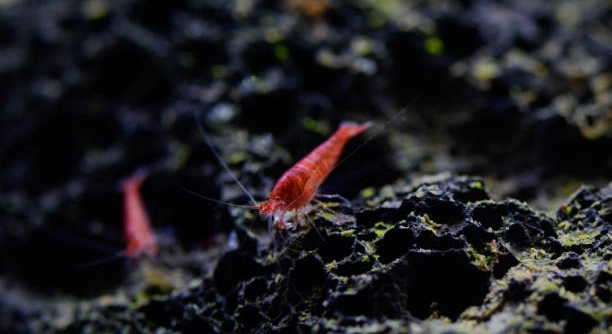
Are your shrimp struggling to find the right food that keeps the tank clean and healthy? Feeding them properly can make a big difference in their growth, activity, and overall well-being in your aquarium.
Providing shrimp with easy-to-digest foods that do not cloud the tank is essential for maintaining water quality. Selecting options high in nutrients and low in waste ensures shrimp health, reduces algae growth, and promotes a balanced aquatic environment.
Choosing the right foods can simplify your shrimp care routine while keeping their habitat clear and healthy for long-term enjoyment.
Algae Wafers
Algae wafers are a simple and reliable choice for feeding shrimp. They sink slowly, giving shrimp plenty of time to graze without disturbing the water. These wafers provide essential nutrients like protein and fiber, supporting growth and molting. They are especially useful in tanks with limited natural algae growth, ensuring shrimp always have access to food. Overfeeding should be avoided because uneaten wafers can still break down and affect water clarity. Many shrimp keepers find that feeding small amounts a few times a week is sufficient. By observing shrimp during feeding, you can gauge how much they need and prevent excess from accumulating on the substrate. Algae wafers also complement other foods, creating a balanced diet. Using these wafers consistently helps maintain healthy shrimp behavior and tank conditions. Shrimp tend to gather around wafers, making it easy to monitor their health and activity levels. They are inexpensive and readily available, making them practical for long-term care.
Algae wafers help shrimp thrive while keeping the tank clean. Feeding in moderation ensures water clarity and healthy growth.
Regular use of algae wafers can improve shrimp color and energy. They are easy to portion, compatible with other foods, and help maintain a balanced diet. Watching shrimp eat wafers can also give insights into their health. Overfeeding should be avoided to prevent water issues.
Blanched Vegetables
Blanched vegetables, such as zucchini, spinach, or carrots, are excellent additions to a shrimp diet. Briefly boiling or steaming them softens the vegetables, making them easier for shrimp to eat and digest. This process also removes bacteria and harmful pathogens that could otherwise affect tank water. Blanched vegetables provide vitamins and minerals that promote molting and overall health. Shrimp often gather around vegetable pieces, nibbling throughout the day, which reduces the risk of leftover food clouding the tank. Small portions should be offered and removed after 24 hours if not eaten. Rotating different vegetables can prevent dietary monotony and ensure a variety of nutrients. Many shrimp respond well to leafy greens like spinach, which offer iron and other essential elements. Blanched carrots or zucchini also encourage foraging behavior, keeping shrimp active. Regular inclusion of these vegetables contributes to vibrant colors, faster growth, and stronger immune systems. It is a low-cost, natural option for maintaining healthy, clean tanks.
Blanched vegetables are gentle on the tank and enrich shrimp diets with essential nutrients.
Feeding a variety of vegetables encourages healthy foraging and provides a steady source of vitamins. Small, timed portions keep the tank clean while supporting shrimp growth and coloration.
Frozen Shrimp Food
Frozen shrimp food is convenient and nutrient-rich, perfect for maintaining shrimp health without dirtying the tank. Small portions thaw quickly, letting shrimp feed immediately.
Frozen food retains essential proteins and vitamins better than some dry options. Shrimp eagerly eat these small portions, reducing the risk of leftovers clouding the water. Rotating frozen foods like bloodworms or plankton ensures a varied diet. Portioning correctly is key because excess food can decay and impact water quality. Many shrimp enjoy frozen meals alongside regular dry foods, which helps balance their diet and support consistent growth. Observing feeding behavior ensures each shrimp gets adequate nutrition.
Using frozen foods encourages active feeding and provides variety, keeping shrimp healthy. It’s easy to store and portion for daily use, ensuring clean, clear water while promoting growth.
Commercial Shrimp Pellets
Commercial shrimp pellets are formulated for small shrimp, containing a balance of proteins, minerals, and fibers. They sink steadily, allowing shrimp to feed at their own pace.
High-quality pellets support molting and coloration. Shrimp often gather around the pellets, reducing wasted food. Feeding small amounts prevents water clouding and keeps the tank clean. Pellets are convenient and consistent in nutritional value, making them a reliable staple.
Many pellets are enhanced with natural additives that encourage growth and immune health. They complement other foods like blanched vegetables or algae wafers, providing a complete diet. By observing shrimp consumption, portions can be adjusted to avoid excess. Regular use maintains healthy shrimp activity and a clear tank. Pellets also store easily, allowing flexible feeding schedules without risk of nutrient loss or spoilage. Combining pellets with fresh foods ensures shrimp receive a varied, balanced diet while water quality remains stable.
Leaf Litter
Leaf litter is a natural and gentle food source for shrimp. It slowly breaks down, providing nutrients without clouding the water.
Indian almond leaves and oak leaves are commonly used. They release tannins that slightly soften water, benefiting shrimp health and encouraging natural grazing behavior.
Fish Flakes
High-quality fish flakes can be fed in very small amounts. They contain protein and vitamins suitable for shrimp. Regular feeding in moderation prevents leftovers from affecting water clarity, making flakes a practical supplemental food.
DIY Shrimp Gel
Homemade shrimp gel combines vegetables, proteins, and algae into a soft, easy-to-eat form. This gel can be portioned to prevent overfeeding, ensuring water remains clear. It allows customization of nutrients based on shrimp needs, promoting growth, coloration, and overall health while maintaining a clean tank environment.
Frozen Vegetables
Frozen vegetables like peas or spinach are convenient and nutrient-rich. Small thawed portions can be offered directly to shrimp, providing essential vitamins without leaving excess residue.
FAQ
How often should I feed my shrimp?
Shrimp should be fed small amounts once a day or every other day. Overfeeding can quickly cloud the tank and create excess waste. Observing how much they consume in a few hours helps determine the right portion. Feeding little by little ensures all shrimp have access to food without leaving leftovers that affect water quality.
Can shrimp eat the same food every day?
While shrimp can survive on one type of food, a varied diet improves their health. Rotating foods like algae wafers, blanched vegetables, pellets, and occasional frozen options provides a better mix of nutrients. Variety also encourages natural grazing behavior and supports molting and coloration. Consistency in feeding times helps shrimp maintain a routine.
Are frozen foods better than dry foods?
Frozen foods retain more natural nutrients than many dry options. Shrimp often prefer frozen bloodworms, plankton, or other protein-rich foods. They are easy to portion and feed directly to the tank. Dry foods like pellets are convenient for storage and daily use, but including frozen foods periodically ensures balanced nutrition and keeps shrimp active.
How can I prevent water from clouding after feeding?
Feeding in small portions and removing uneaten food after a few hours is key. Using slow-sinking foods like pellets or algae wafers also reduces clouding. Blanched vegetables should be removed if not eaten within 24 hours. Regular tank maintenance, including water changes and substrate cleaning, helps maintain clarity and overall shrimp health.
Can shrimp eat vegetables from my kitchen?
Yes, vegetables like spinach, zucchini, or carrots are suitable if blanched first. Boiling or steaming removes bacteria and softens them for easier consumption. Only small amounts should be offered at a time to avoid leftovers decaying in the tank. Leafy greens also provide iron and vitamins essential for healthy shrimp growth.
Are there any foods to avoid?
Shrimp should not be fed heavily processed human foods or anything with added salt, sugar, or seasoning. Overly oily or protein-rich foods that decay quickly can harm water quality. Stick to foods designed for shrimp, natural vegetables, and occasional frozen proteins to keep them healthy and the tank clean.
How do I know if my shrimp are getting enough nutrition?
Healthy shrimp are active, colorful, and molt regularly. If they seem lethargic or their shells appear weak, their diet may need adjustment. Observing feeding behavior and rotating foods ensures they receive enough protein, vitamins, and minerals. Keeping water parameters stable also supports nutrient absorption and overall health.
Can shrimp share food with other tank inhabitants?
Shrimp can eat some foods alongside snails or small fish, but competition may arise. It’s best to feed shrimp separately when possible to ensure they get their share. Slow-sinking foods like wafers or blanched vegetables give shrimp a chance to graze without interference, while maintaining clean water conditions.
Is it necessary to supplement with minerals?
Some shrimp species benefit from additional calcium or mineral supplements, especially for molting. These can be added through specific food options or mineral-enriched pellets. Monitoring shell hardness and growth rates helps determine if supplementation is required. Proper water parameters also play a critical role in nutrient uptake.
Can I freeze homemade shrimp gel?
Yes, homemade shrimp gel can be portioned and frozen for later use. Thaw small amounts before feeding to avoid overfeeding. This allows precise control over nutrients and ensures that leftover gel does not affect water quality. Regular rotation with other foods ensures a balanced diet and keeps shrimp healthy.
How long can shrimp go without food?
Shrimp can survive several days without food, especially if there is natural biofilm in the tank. However, consistent feeding is better for growth, molting, and overall health. Providing small, regular portions maintains activity levels and prevents stress caused by sudden food shortages.
Do shrimp prefer live foods over prepared foods?
Many shrimp enjoy live foods like brine shrimp or daphnia because they stimulate natural foraging behavior. Prepared foods such as pellets or blanched vegetables are still effective and often more practical for daily feeding. A mix of live, frozen, and prepared foods ensures balanced nutrition while keeping the tank clean.
What signs indicate overfeeding?
Cloudy water, leftover food on the substrate, and increased algae growth are common indicators. Overfed shrimp may also become less active or develop water quality-related health issues. Reducing portion sizes and feeding in smaller intervals helps prevent these problems while supporting shrimp health.
Can shrimp eat fruits?
Small amounts of fruits like melon or apple can be offered occasionally, but they must be peeled and free from pesticides. Fruits should be given sparingly because they decay quickly and can affect water quality. They serve as an occasional treat rather than a staple in the diet.
How should I store shrimp foods?
Dry foods like pellets and wafers should be kept in a cool, dry place, sealed to maintain freshness. Frozen foods require proper freezing and thawing before feeding. Blanched vegetables can be stored in the refrigerator for short periods. Proper storage prevents spoilage and ensures nutrients remain intact.
Can shrimp overeat?
Yes, shrimp will eat more than they need if food is constantly available. Overfeeding can lead to water quality issues, which impact shrimp health. Portion control and scheduled feeding prevent overeating while supporting proper growth and activity levels.
Do different shrimp species have different dietary needs?
Some species, like Amano shrimp, require higher protein levels, while others thrive on plant-based diets. Understanding the species-specific needs helps select the right foods and maintain a balanced diet. Observing behavior and growth can guide adjustments to feeding routines.
Are supplements necessary for color enhancement?
Certain pellets and foods contain natural color enhancers like carotenoids. Regular feeding of these can improve shrimp coloration over time. They are most effective when part of a balanced diet and paired with good water quality. Color enhancement supplements are optional but beneficial for visual appeal and health.
How do I transition shrimp to a new food?
Introduce new foods gradually by mixing them with familiar options. Start with small portions and increase slowly to ensure shrimp accept the new food. This prevents stress and avoids sudden changes that could impact tank water quality or shrimp behavior.
Can I feed shrimp leftovers from fish meals?
Leftovers from fish meals are not ideal because they may contain additives, salt, or oils harmful to shrimp. It’s better to stick with foods formulated for shrimp, natural vegetables, or small portions of frozen proteins to ensure health and maintain a clean tank environment.
How do I know when to remove uneaten food?
Check the tank after a few hours of feeding. Any uneaten vegetables or leftover portions should be removed to prevent decay. Slow-sinking foods like wafers or pellets may last longer but should still be monitored. Maintaining this routine keeps water clear and shrimp healthy.
What are the best foods for baby shrimp?
Baby shrimp, or shrimplets, require finely crushed pellets, powdered foods, or biofilm-rich options. Small portions allow them to feed without competition from adults. Offering tiny amounts several times a day supports growth and survival while keeping the tank clean and safe for young shrimp.
Are shrimp sensitive to water changes during feeding?
Sudden water changes during feeding can stress shrimp. It’s best to feed after partial water changes or allow them to settle first. Maintaining consistent water parameters while providing appropriate food ensures shrimp remain active and healthy.
How do I balance feeding between adults and juveniles?
Separate feeding areas or slower-sinking foods help juveniles access food without competition. Observing shrimp behavior during meals ensures both adults and young shrimp get adequate nutrition. Rotating different food types and portion sizes helps maintain balance and overall tank health.
Can shrimp survive on only algae in the tank?
Algae alone can sustain shrimp temporarily but does not provide complete nutrition. Supplementing with wafers, pellets, vegetables, or frozen foods ensures proper growth, coloration, and molting. A combination of natural algae and supplemental foods supports long-term health.
What is the safest way to introduce live foods?
Live foods should be free from pesticides, parasites, or disease. Rinse or culture them carefully before feeding. Introducing small amounts reduces risk and allows shrimp to feed naturally while maintaining clean water conditions. Monitoring consumption ensures leftovers do not affect tank clarity.
Are there any signs of nutrient deficiency in shrimp?
Pale coloration, weak shells, slow growth, and irregular molting indicate potential deficiencies. Adjusting diet with protein-rich foods, minerals, or vegetables can correct these issues. Monitoring shrimp behavior and appearance regularly helps maintain optimal health and prevents long-term problems.
Do shrimp need different foods during molting?
During molting, shrimp benefit from high-calcium foods and additional protein to support new shell formation. Blanched vegetables, pellets with minerals, or small frozen protein portions can aid recovery. Consistent feeding with proper nutrients ensures successful molts and maintains shrimp vitality.
Can shrimp eat detritus from the tank?
Shrimp naturally graze on detritus, biofilm, and decaying plant matter. While this supplements their diet, it should not replace proper feeding. Ensuring a variety of foods provides balanced nutrition and supports growth, coloration, and health. Observing feeding habits helps prevent overreliance on detritus.
How do I adjust feeding for a crowded tank?
In crowded tanks, feed in multiple areas and reduce portion sizes to prevent water issues. Rotating food types ensures all shrimp receive nutrients without creating excessive waste. Careful observation allows adjustments to maintain health, prevent stress, and keep the tank clear.
Is it okay to mix different foods in one feeding?
Yes, combining foods like pellets, blanched vegetables, and frozen portions can provide a balanced meal. Mixing small amounts ensures shrimp access a variety of nutrients while minimizing leftover waste. Observing shrimp during mixed feedings helps determine portion sizes and preferences.
What foods help shrimp with vibrant coloration?
Carotenoid-rich foods, blanched vegetables, and high-quality pellets promote color enhancement. Regular inclusion in the diet, combined with proper lighting and water conditions, helps shrimp display brighter and more consistent coloration naturally.
Can shrimp survive on plant-based diets alone?
Some species can survive on plant-based diets, but protein and mineral supplementation are recommended for growth and molting. Combining algae, blanched vegetables, and occasional protein sources ensures a healthy, balanced diet.
Do shrimp benefit from probiotics or supplements?
Probiotics can support gut health and digestion. Mineral supplements help with shell development. These additions should be used carefully, following recommended amounts, and combined with a balanced diet to maintain overall health and tank clarity.
How do I know if my shrimp food is still good?
Check for changes in color, smell, or texture. Expired or improperly stored foods can lose nutrients or grow mold. Dry foods should be kept sealed in a cool, dry place. Frozen foods should remain frozen until use. Proper storage maintains safety and nutritional value.
Can shrimp eat fish eggs or larvae?
Some shrimp may consume small fish eggs or larvae, but this is not necessary for a balanced diet. Feeding prepared foods, vegetables, and frozen proteins is safer and more predictable for nutrition while maintaining clean water.
How should I introduce new shrimp to the feeding routine?
Offer familiar foods first while gradually adding new options. Small portions and observation ensure they accept the food without stress. This method prevents competition and supports health, helping new shrimp adapt to the tank environment quickly.
Are there seasonal changes in feeding requirements?
Shrimp metabolism may slow slightly in cooler water, reducing food needs. Adjust portions accordingly to prevent leftover waste. Warmer water can increase activity and appetite, requiring more frequent feedings. Observing behavior ensures feeding matches seasonal changes.
What is the best way to monitor shrimp feeding?
Watch shrimp during meals to see who is eating and how much. Check the tank for leftover food afterward. Regular observation helps adjust portions, prevent water issues, and ensure all shrimp remain healthy and active.
Can shrimp eat leftover blanched vegetables from previous meals?
No, uneaten vegetables left in the tank can decay quickly and affect water quality. Always remove leftovers after 24 hours. Feeding fresh portions helps maintain clean water and healthy shrimp.
Do shrimp prefer sinking or floating foods?
Shrimp prefer slow-sinking or bottom foods like wafers, pellets, and blanched vegetables. Floating foods may not be accessible and can increase the risk of water clouding if they remain uneaten. Slow-sinking foods ensure all shrimp can feed at their own pace.
How long should frozen foods be thawed before feeding?
Thaw small portions until soft enough for shrimp to eat immediately. Over-thawing can make the food messy and increase water clouding. Proper thawing preserves nutrients and ensures shrimp can consume it efficiently.
Can shrimp eat dried seaweed?
Yes, dried seaweed is a suitable occasional food source, providing fiber and trace minerals. Offer in small amounts to avoid leftovers and maintain water clarity. It can complement other foods in a balanced shrimp diet.
Are there signs shrimp are enjoying their food?
Active grazing, bright coloration, and consistent molting indicate shrimp are thriving on their diet. Observing them gather around food and feed enthusiastically shows the chosen foods meet nutritional needs and keep them healthy.
How do I avoid overfeeding in a busy tank?
Feed small portions in multiple areas and remove uneaten food promptly. Rotating foods and observing shrimp behavior ensures everyone gets enough without causing water quality issues. Maintaining a schedule helps prevent overfeeding.
Is it necessary to soak pellets before feeding?
Soaking is optional but can help prevent them from floating or disintegrating too quickly. Small pellets often sink on their own. Observing how they behave in the water allows adjustments to feeding techniques.
Can shrimp eat powdered foods?
Powdered foods are suitable for baby shrimp or small species. Sprinkle lightly to avoid excess settling. They complement pellets and blanched vegetables and can be used to target nutritional needs without clouding the tank.
Do shrimp eat algae naturally in the tank?
Yes, most shrimp graze on biofilm and algae, supplementing their diet. However, relying solely on algae is insufficient. Providing wafers, vegetables, pellets, and occasional frozen foods ensures balanced nutrition and growth.
Can shrimp get bored with the same food?
Shrimp benefit from dietary variety. Rotating foods keeps them active, encourages natural foraging, and ensures they receive a full range of nutrients. Combining prepared, fresh, and frozen foods helps maintain interest and health.
How much protein do shrimp need?
Shrimp require moderate protein for growth and molting. Too much protein can affect water quality, while too little slows growth. Balanced foods, including pellets, frozen options, and occasional vegetables, provide adequate protein without harming the tank.
Are there foods that improve shrimp longevity?
Balanced diets with pellets, blanched vegetables, algae wafers, and occasional frozen foods support long-term health. Proper nutrition, clean water, and consistent feeding routines contribute to a longer, healthier life for shrimp.
Can shrimp eat small insects?
Occasionally, tiny insects like fruit flies can be offered. They provide protein but should be used sparingly. Overfeeding insects can affect water quality. Prepared or frozen protein foods are safer for regular feeding.
Do shrimp need fiber in their diet?
Yes, fiber aids digestion and supports gut health. Algae wafers, vegetables, and some pellets provide fiber. Adequate fiber helps shrimp process nutrients efficiently and maintain healthy activity levels.
How long can I store blanched vegetables?
Blanched vegetables can be kept in the refrigerator for one to two days. Feeding fresh portions ensures shrimp get nutrients without risking water clouding from decaying leftovers. Proper storage maintains quality.
Is feeding frequency more important than portion size?
Both matter, but portion size is crucial for water clarity. Small, measured feedings prevent leftovers and maintain nutrition. Frequency can be adjusted based on shrimp activity and tank conditions. Observing shrimp ensures proper balance.
Can shrimp eat spirulina?
Yes, spirulina is rich in protein and vitamins. It can be offered as flakes or powdered food. Small portions prevent clouding and provide nutritional benefits that support growth, coloration, and molting.
How do I adjust feeding for slow-eating shrimp?
Feed smaller portions over longer periods. Using slow-sinking foods allows them to feed without competition. Monitoring consumption ensures they get enough nutrition while avoiding leftover food in the tank.
Do shrimp need vitamins or minerals beyond their food?
A balanced diet usually provides sufficient vitamins and minerals. Supplements may help during molting or growth periods. Use sparingly to prevent overloading the tank with unnecessary additives while supporting shrimp health.
Can shrimp eat cooked vegetables?
Lightly boiled or steamed vegetables are safe. Avoid seasoning or oil. These provide vitamins and fiber without leaving harmful residues. Small portions prevent water issues while ensuring proper nutrition.
Are shrimp sensitive to food texture?
Yes, they prefer soft, small, or finely broken foods like wafers, pellets, or blanched vegetables. Proper texture ensures they can eat efficiently, reducing leftovers and maintaining water clarity.
Can shrimp eat pond snails or eggs?
Shrimp may nibble on small snails or eggs, but this is not a necessary part of their diet. Feeding balanced foods ensures they get adequate nutrients without risking tank imbalance.
How do I know if shrimp are full?
Shrimp stop gathering around food and resume normal activity. Observing their behavior during feeding helps determine proper portion sizes and prevents overfeeding.
Can shrimp eat rice or bread?
No, these can decompose quickly and affect water quality. Stick to algae wafers, blanched vegetables, pellets, or frozen protein foods. Proper diet ensures shrimp health and a clean tank.
Do shrimp need calcium supplements?
Some benefit from calcium for molting. Pellets with minerals, leaf litter, or specialized supplements provide support. Monitoring shell strength and molting success helps gauge the need.
Can shrimp eat leftover fish food?
Occasional small portions are fine if appropriate, but avoid oily or heavily processed fish food. Shrimp-specific foods are safer and reduce water contamination risk.
Is it safe to feed shrimp commercial treats?
Yes, but use sparingly. Treats should complement a balanced diet and not replace staple foods. Overuse can affect water quality and nutrition balance.
Do shrimp prefer moving food?
Shrimp are attracted to slow-moving or sinking foods rather than floating or fast-moving items. This allows them to feed efficiently without competition or leftover waste.
How do I prevent nutrient imbalance?
Rotate food types and provide vegetables, pellets, wafers, and frozen options. Monitor shrimp growth, color, and behavior to ensure all nutritional needs are met while maintaining water quality.
Are live plants enough for shrimp nutrition?
Live plants supplement the diet but do not provide complete nutrition. Shrimp still need pellets, wafers, blanched vegetables, or frozen foods for balanced growth and health.
Can shrimp overconsume protein?
Yes, too much protein can increase waste and affect water quality. Balanced feeding with
Feeding shrimp properly is essential for maintaining a healthy tank and ensuring the well-being of your shrimp. Choosing foods that provide balanced nutrition while avoiding those that quickly decompose helps keep the water clear and supports growth, coloration, and molting. Options like algae wafers, blanched vegetables, pellets, and small amounts of frozen foods are practical choices that meet these needs. By observing how your shrimp respond to different foods, you can adjust portions and types to suit their activity levels and preferences. Small, consistent feedings prevent overfeeding, which is one of the most common causes of cloudy water and poor shrimp health. Maintaining a clean tank and monitoring water quality alongside proper feeding routines ensures that your shrimp remain active and vibrant over time.
A varied diet is especially important because shrimp require a combination of proteins, fibers, vitamins, and minerals to thrive. No single food source can provide all the nutrients they need, so rotating foods or combining multiple options helps maintain balance. Blanched vegetables provide essential vitamins and minerals, while algae wafers or pellets deliver protein and fiber for growth and digestive health. Frozen foods like bloodworms or plankton offer additional protein without clouding the tank if portions are managed correctly. Even natural options like leaf litter can contribute beneficial elements and encourage grazing behavior, which is essential for activity and mental stimulation. Careful observation during feeding allows you to gauge whether shrimp are receiving sufficient nutrients while minimizing leftover food that could affect water quality. Over time, this approach supports healthier shrimp that molt successfully and display vibrant colors, creating a more attractive and sustainable aquarium environment.
Consistency in feeding habits, combined with proper tank maintenance, is key to long-term success. Shrimp are sensitive to changes in water quality, so removing uneaten food and monitoring how much they consume helps prevent unnecessary waste buildup. Feeding small amounts at regular intervals allows shrimp to eat without competition and reduces the risk of overfeeding. Using high-quality foods tailored for shrimp, supplemented with natural vegetables or frozen proteins, ensures they receive a well-rounded diet. Paying attention to seasonal variations, individual shrimp needs, and behavior during feeding helps you make adjustments as required. By focusing on balanced nutrition, portion control, and careful monitoring, you can support healthy, active shrimp while maintaining a clear, thriving tank environment. This method not only enhances shrimp health but also simplifies care routines, allowing you to enjoy a clean, vibrant, and sustainable aquarium.

Hello,
If you enjoy the content that we create, please consider saying a "Thank You!" by leaving a tip.
Every little bit helps us continue crafting quality advice that supports the health, happiness, and well-being of pets around the world, for pets of all shapes, sizes, and species.
We really appreciate the kindness and support that you show us!