
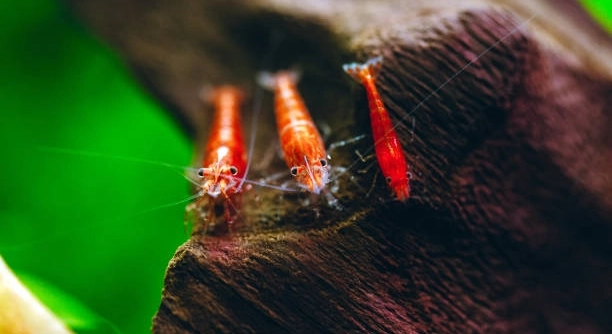
Do you ever notice your cherry shrimp moving differently when the water flows faster than usual? Their tiny bodies can react in unexpected ways, making their usual graceful swimming appear somewhat shaky or confused.
Cherry shrimp can become disoriented in strong water flow. High currents interfere with their ability to maintain balance and direction, causing stress and erratic movement. This can impact feeding, resting, and overall health if exposure is prolonged.
Observing their behavior under different flow conditions can help you provide a safer, more comfortable environment for your shrimp to thrive.
How Strong Flow Affects Cherry Shrimp
Strong water flow can make cherry shrimp struggle to swim normally. Their small bodies are designed for gentle currents, so when the water moves quickly, they may have trouble holding their position. This can tire them out faster and reduce their ability to explore or find food. In high flow, shrimp often cling to plants, rocks, or decorations to avoid being swept away. Their antennae, which help them sense their surroundings, can also become less effective when pushed around by water. Over time, constant exposure to strong currents can increase stress levels, weaken their immune system, and make them more prone to illness. Providing hiding spots or areas with calmer water helps them feel secure. Watching how they adjust can give insights into whether the flow in your tank is too strong. Minor adjustments in filtration or flow direction can make a significant difference in their daily comfort.
Strong flow mainly increases stress and decreases their efficiency in swimming and feeding.
Shrimp adapt by seeking calmer zones, but their natural behavior is affected. They may spend more time hiding or resting and less time interacting with other shrimp. Their growth and molting can also slow down, and frequent exposure can lead to long-term health problems. Adjusting flow gradually allows them to acclimate without panic or injury.
Signs of Disorientation
Cherry shrimp show clear signs when currents are too strong.
Erratic swimming, constant clinging, or difficulty reaching food are common indicators. They may also appear pale or jittery. Recognizing these behaviors early allows you to adjust the tank environment. Observing them daily ensures you catch issues before they affect their health or molting process. Proper flow management is key to keeping shrimp active and healthy.
Reducing water flow near plants and decorations is an effective way to help shrimp feel more secure. You can use sponge filters, baffles, or adjust filter output to create calmer zones. Cherry shrimp rely on gentle currents for normal exploration, feeding, and social interaction. Sudden changes in water flow can confuse them, so gradual adjustments are recommended. By monitoring their behavior, you can determine the ideal balance between necessary filtration and a comfortable swimming environment. Providing areas with dense plants or hiding spots ensures they can escape strong currents if needed. Observing shrimp during feeding times also helps gauge whether they are coping well with the water movement. Keeping the environment consistent and predictable allows them to maintain natural routines and reduces stress-related health issues over time.
Adjusting Flow for Cherry Shrimp
Controlling water flow is essential for healthy shrimp. You can redirect currents using decorations, plants, or filter modifications. Creating calm zones lets shrimp swim and feed without struggling, reducing stress and promoting normal behavior.
Adjusting flow starts with observing where your shrimp spend most of their time. They often seek areas with less current, such as behind plants or rocks. Using sponge filters or adjusting filter outputs can help reduce strong currents. Adding floating plants or dense vegetation can break the water movement, creating gentle pockets where shrimp can rest or forage. It’s important to make gradual changes rather than sudden shifts to avoid shocking them. Watching their reactions after adjustments ensures the flow is appropriate, balancing filtration needs with shrimp comfort.
Some shrimp continue exploring even in stronger currents, but most will prefer calmer regions. Creating a mix of flow strengths throughout the tank allows shrimp to choose where they feel most comfortable. This also encourages natural behaviors like grazing, hiding, and social interaction. Proper planning and simple modifications prevent stress and help maintain their health over time.
Tools and Techniques to Manage Current
Using tools like baffles or filter diffusers is effective for flow management. They can redirect strong currents and create calm areas for shrimp to thrive.
Filter diffusers, sponge filters, and strategically placed decorations can reduce direct water movement. Floating plants break the surface current, while rocks and driftwood create pockets of calm. Adjusting the intake direction or flow output from filters helps regulate strength. Combining multiple techniques allows you to fine-tune the environment, making the tank suitable for shrimp without sacrificing filtration or aeration. Regular observation ensures that shrimp can move freely and access food without constant struggle.
Creating a well-balanced current involves careful planning of tank layout and flow paths. Place taller plants or decorations near the filter output to absorb energy and reduce turbulence. Combining multiple low-flow zones with moderate currents in open areas gives shrimp options for feeding, resting, and exploring. Monitoring shrimp behavior during daily activities helps identify areas that may need adjustments. Over time, you can refine placement to maintain consistent conditions that support molting, growth, and social interaction. Proper flow management not only reduces stress but also encourages healthier and more active shrimp.
Creating Calm Zones
Calm zones give shrimp safe areas to rest and feed. Plants, rocks, and driftwood can block strong currents and provide shelter, letting them move freely without constant effort.
Position decorations strategically to break the flow near filter outputs. Floating plants and dense vegetation create gentle pockets, allowing shrimp to escape strong currents.
Monitoring Shrimp Behavior
Pay attention to how shrimp respond to changes in flow. Erratic swimming, clinging, or hiding often signals stress.
Regular observation helps detect problems early. Noticing preferred swimming areas and feeding patterns indicates whether the tank environment is suitable. Adjustments in decorations or flow can improve shrimp comfort and overall health.
Gradual Flow Adjustments
Sudden changes in water flow can shock shrimp. Gradual adjustments let them acclimate comfortably.
Start with minor changes to filter output or placement of baffles. Observe shrimp response before further modification, ensuring a balance between tank filtration and their ease of movement.
Benefits of Proper Flow
Appropriate flow reduces stress and supports natural behaviors.
Shrimp can feed, explore, and interact normally. A balanced current prevents exhaustion and improves overall health, ensuring shrimp thrive in the aquarium.
FAQ
Can cherry shrimp survive in strong water flow?
Cherry shrimp can survive in stronger currents, but it is not ideal for their health. Prolonged exposure increases stress, reduces feeding efficiency, and can affect growth or molting. They may cling to decorations or plants to avoid being swept away, which limits their normal movement and activity.
How can I tell if my shrimp are disoriented?
Disorientation shows through erratic swimming, difficulty maintaining position, constant clinging, or frequent hiding. Shrimp may also appear pale or jittery. Observing them during feeding helps identify problems, as disoriented shrimp struggle to reach food or compete with others for it.
What tank modifications help reduce strong currents?
Adding decorations like rocks, driftwood, and plants can break the flow. Floating plants also soften surface currents. Filter diffusers or sponge filters reduce direct water movement. Even small adjustments to filter output or placement can create calmer zones for shrimp without reducing filtration effectiveness.
Do cherry shrimp adapt to strong currents over time?
Some shrimp adapt partially by seeking calmer areas, but most experience stress if currents remain too strong. Gradual adjustments allow them to acclimate slowly, but consistent high flow can still affect health, molting, and social behavior. Observing their preferred zones helps guide proper tank modifications.
Can strong flow affect shrimp molting?
Yes, strong currents make molting more difficult. Shrimp require calm areas to safely shed exoskeletons. Stress from constant current may delay or disrupt molting, leaving shrimp vulnerable to injury or infection. Providing gentle flow zones supports healthy growth and regular molting cycles.
Should I reduce filter strength for shrimp?
You don’t need to turn off filtration completely, but reducing flow or redirecting output can help. Using baffles, sponge filters, or adjusting intake orientation maintains water quality while creating safe zones. Balance is key to keep shrimp comfortable without compromising tank health.
Are some shrimp more sensitive to flow than others?
Yes, smaller or juvenile shrimp are more sensitive than adults. They tire easily and may struggle to reach food or safe zones. Observing younger shrimp closely helps ensure they are not constantly battling currents, supporting proper growth and development.
Can strong currents cause long-term health issues?
Chronic exposure to strong flow can weaken shrimp, making them prone to stress-related illnesses. Reduced feeding efficiency, slower molting, and limited exploration affect overall well-being. Proper flow management is essential for maintaining healthy, active shrimp populations.
How can I create multiple flow zones?
Use decorations, plants, and floating elements to break the current into areas of varying strength. Position filter outputs carefully and consider sponge filters for softer flow. Multiple zones let shrimp choose comfortable areas, balancing activity with rest and feeding opportunities.
What signs indicate shrimp are finally comfortable in adjusted flow?
Shrimp swim freely without clinging, reach food easily, and explore multiple tank areas. Active feeding, regular molting, and calm behavior indicate that current adjustments are appropriate. Observing daily patterns ensures that your shrimp remain healthy and stress-free.
Is water flow more important than temperature or pH?
Flow is critical for comfort, but temperature, pH, and water quality are equally important. Proper flow complements other parameters by allowing shrimp to move, feed, and rest effectively. Ignoring any factor can stress shrimp, so maintaining balanced conditions across all aspects ensures their well-being.
How often should I check shrimp behavior in relation to flow?
Daily observation is best. Look for swimming patterns, feeding efficiency, and hiding behavior. Even small changes in tank setup or filter output can affect shrimp, so frequent monitoring ensures adjustments are timely and effective.
Can adding more plants completely solve strong current issues?
Plants help, but they may not fully block strong currents. Combining plants with baffles, rocks, or driftwood is more effective. Multiple approaches create safe zones while keeping filtration intact, giving shrimp the freedom to choose calmer areas when needed.
Do shrimp fight over calmer areas?
Some competition may occur, especially in crowded tanks. Providing multiple calm zones reduces stress and prevents constant conflicts, allowing shrimp to feed, molt, and explore without excessive competition.
Is observing shrimp during feeding the best way to judge flow suitability?
Yes, feeding behavior shows whether shrimp can navigate the tank comfortably. Struggling to reach food or being pushed around by current indicates excessive flow. Calm feeding behavior reflects a well-balanced environment.
Can tank shape affect flow impact?
Long or shallow tanks distribute currents differently. Narrow tanks may have stronger localized flows near filters, while taller tanks can create vertical currents. Adjusting flow with baffles and decorations tailored to tank shape ensures even, manageable currents throughout.
How quickly do shrimp show stress from strong currents?
Signs can appear within hours, but long-term effects may develop over days or weeks. Immediate behaviors include clinging or erratic swimming, while chronic exposure can reduce molting frequency, feeding efficiency, and overall activity.
Should I combine slow currents with aeration?
Yes, gentle flow combined with adequate oxygenation maintains water quality and allows shrimp to swim freely. Sponge filters or diffusers can soften currents while providing aeration, ensuring both comfort and tank health.
What is the ideal flow level for cherry shrimp?
Moderate to low flow is best. It should be enough to prevent stagnant water but not so strong that shrimp struggle to swim. Observing their behavior in various tank areas helps fine-tune flow for optimal comfort.
Can tankmates influence how shrimp handle flow?
Yes, active or larger tankmates can create turbulence, adding stress for shrimp. Calm companions reduce additional currents, while aggressive swimmers may make even moderate flow stressful. Monitoring interactions ensures shrimp remain safe and comfortable in all areas.
Final Thoughts
Cherry shrimp are small and delicate creatures, and even minor changes in their environment can affect their behavior and health. Water flow is one of the key factors that impacts how they move, feed, and interact in the tank. Strong currents can make them struggle, forcing them to cling to plants or decorations, which limits their natural activities. Over time, constant exposure to high flow can cause stress, weaken their immune system, and affect their molting and growth. It is not just about making the tank look active or ensuring filtration; it’s about creating a space where shrimp can perform their normal behaviors comfortably. Observing how your shrimp respond to flow gives important insight into their needs and overall well-being. Small adjustments, like repositioning plants, adding driftwood, or changing filter direction, can make a significant difference. These changes don’t require major renovations but do provide the shrimp with areas to rest, feed, and explore without the constant challenge of fighting strong currents.
Providing calm zones is essential. Plants, rocks, and other decorations can help break up strong currents and give shrimp safe areas to rest. Floating plants are particularly helpful because they reduce surface currents and create shaded spots that feel secure. Multiple zones of varying flow allow shrimp to choose where they feel most comfortable at any given moment. Some may prefer faster currents for grazing or exploring, while others will stay in calmer sections for safety and rest. Gradually adjusting flow is better than making sudden changes, as abrupt shifts can cause stress and disorientation. Observing shrimp during feeding times is a simple and effective way to see if they are coping well. Shrimp that can reach food without struggle, explore their surroundings freely, and interact with other shrimp calmly are indicators that the tank flow is suitable. Careful planning and observation ensure that shrimp remain healthy, active, and stress-free.
Maintaining the right flow goes hand in hand with other tank conditions, such as temperature, water quality, and pH. All of these factors together create an environment where cherry shrimp can thrive. Even if filtration or aeration requires some water movement, it’s possible to balance these needs with areas of calm for the shrimp. Monitoring their behavior regularly is key to ensuring they are not constantly stressed or disoriented. Healthy shrimp will show normal swimming patterns, regular feeding, and consistent molting cycles. In the long term, paying attention to flow not only improves their comfort but also supports overall tank health and stability. By making careful, incremental adjustments and providing options for calm areas, you can create an aquarium environment that keeps cherry shrimp safe, active, and thriving for years.

Hello,
If you enjoy the content that we create, please consider saying a "Thank You!" by leaving a tip.
Every little bit helps us continue crafting quality advice that supports the health, happiness, and well-being of pets around the world, for pets of all shapes, sizes, and species.
We really appreciate the kindness and support that you show us!