
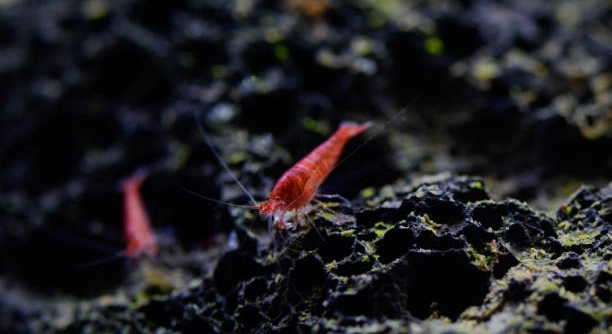
Shrimp are small creatures with delicate behaviors that often go unnoticed. Observing them closely can reveal signs of stress or nervousness, which is important for keeping them healthy and comfortable in their environment.
Shrimp exhibit nervous behavior through specific movements such as rapid tail flicks, hiding frequently, claw trembling, erratic swimming, retreating from others, antennae retraction, and sudden darting motions. These indicators provide insight into their stress levels and overall well-being.
Recognizing these behaviors helps you understand your shrimp better and ensures a safer, more peaceful habitat for them to thrive.
Rapid Tail Flicks
Shrimp often flick their tails quickly when they feel uneasy. This movement is a defense mechanism, allowing them to escape potential threats in their surroundings. Observing the frequency and intensity of these tail flicks can give insight into their comfort level. In aquariums, sudden noises, water changes, or other fish can trigger this behavior. Over time, shrimp that flick their tails often may experience stress that affects their eating and social habits. It’s important to monitor these signals to maintain a healthy tank. Tail flicking is normal in short bursts, but constant rapid movements suggest anxiety. Providing plenty of hiding spaces and stable water conditions can reduce stress. By paying attention to this subtle behavior, you can adjust the environment to make shrimp feel safer. Regular observation helps prevent long-term health problems and supports their natural behaviors in the tank.
Rapid tail flicking signals that shrimp are alert and nervous, reacting to potential stressors or disturbances in their immediate environment.
Watching these movements closely can help you adjust your aquarium to keep shrimp calmer and more secure overall.
Frequent Hiding
Shrimp often retreat to hiding spots when they feel nervous. This behavior shows they are wary of nearby activity or changes in their habitat. Hiding can be triggered by new tankmates, sudden movements, or changes in water conditions. Shrimps instinctively seek shelter to feel protected, and this natural behavior increases when they are stressed. Observing how often and where shrimp hide provides clues about their comfort levels. Overcrowded tanks or aggressive companions can intensify this habit. Introducing plants, rocks, or small decorations gives them more options to feel safe. While hiding is normal, excessive retreating indicates prolonged stress. Maintaining consistent lighting, water quality, and gentle handling can reduce this behavior. Ensuring your tank offers enough cover can help shrimp regain confidence and reduce anxiety. Noticing these patterns early allows for adjustments before health or social issues develop.
Frequent hiding suggests shrimp are uneasy, and changes in their habitat or companions may be contributing to their stress.
By understanding why shrimp hide, you can make targeted improvements to their tank, creating an environment where they feel more secure. Offering multiple shelters, arranging the layout thoughtfully, and minimizing sudden disturbances helps them explore more freely. Over time, shy shrimp often become more comfortable when they have safe spaces and a predictable routine. Adjusting water parameters gradually and observing interactions among tank inhabitants ensures they remain calm. Monitoring hiding spots also helps detect early signs of illness or aggression, as stressed shrimp are more likely to retreat and avoid food. Paying attention to these details supports a healthier, more balanced aquarium ecosystem and encourages natural shrimp behaviors to flourish.
Claw Trembling
Shrimp sometimes tremble their claws when they feel nervous. This movement is subtle but noticeable if you watch carefully. It often happens during interactions with other shrimp or after sudden changes in the tank.
Claw trembling is a sign that shrimp are alert and possibly stressed. It usually occurs when they feel threatened or uncertain about their surroundings. This behavior can be triggered by aggressive tankmates, rapid water changes, or even strong currents. Shrimps use this motion as a way to sense their environment and prepare for quick reactions. Over time, frequent trembling may indicate ongoing anxiety. Providing calm conditions and gentle water flow can help reduce stress and allow shrimp to feel more secure. Observing these small movements regularly helps detect early signs of discomfort before it affects their overall health or feeding habits.
In addition to stress, claw trembling can signal minor health issues or water quality problems. Monitoring tank parameters such as temperature, pH, and ammonia levels ensures shrimp remain comfortable. Creating hiding spots near feeding areas lets them feel safe while still accessing food. Gradually adjusting environmental changes prevents sudden stress responses and encourages natural behavior. Paying attention to claw movements also improves your understanding of social dynamics among shrimp, as trembling may increase in the presence of dominant individuals. Over time, calm conditions reduce trembling frequency, making shrimp more confident and active in the tank.
Erratic Swimming
Erratic swimming often appears when shrimp feel nervous or startled. Their movements become unpredictable, with sudden bursts and sharp turns across the tank.
This behavior usually indicates stress or fear, often caused by sudden changes in the environment. Erratic swimming may result from loud noises, new tankmates, or water parameter fluctuations. Shrimps rely on predictable surroundings to feel safe, and disruptions can trigger quick, unpredictable movements. Observing these patterns helps identify the sources of stress and address them promptly. Providing hiding spots, stable water conditions, and minimal disturbances reduces erratic activity. Over time, shrimp regain confidence and move more smoothly.
Erratic swimming also affects feeding and social behavior. Stressed shrimp may avoid food or struggle to interact with others. Continuous monitoring of tank conditions is essential, ensuring temperature, pH, and water quality remain consistent. Adjusting the environment slowly allows shrimp to adapt without panic. Introducing gentle water currents and soft lighting can calm nervous shrimp. Creating a balanced habitat with sufficient plants and shelters encourages natural movement and reduces sudden bursts. Understanding these triggers helps maintain a peaceful aquarium and keeps shrimp active, healthy, and less prone to nervous behaviors.
Retreating from Others
Shrimp often move away from other tankmates when they feel nervous. This behavior helps them avoid potential conflict and reduces stress in crowded or aggressive environments.
Retreating can also indicate dominance dynamics. Submissive shrimp seek space to feel safe, often staying near plants or decorations. Monitoring these patterns helps maintain balance in the tank.
Antennae Retraction
Shrimp pull their antennae close to their bodies when stressed. This limits exposure and protects sensitive parts while they assess potential threats. Retraction is a subtle but clear sign of nervousness. Observing how often and how long shrimp retract their antennae gives insight into their comfort level and environmental stressors.
Sudden Darting
Shrimp sometimes dart quickly across the tank without warning. This movement is usually a response to perceived danger or startling changes nearby. It allows them to escape quickly but signals heightened anxiety. Frequent darting indicates ongoing stress, suggesting that the environment may need adjustments for stability and safety.
FAQ
Why do shrimp flick their tails so often?
Shrimp flick their tails as a defensive response. Rapid tail movements help them escape perceived threats, whether from other tankmates, sudden noises, or changes in their environment. While occasional flicks are normal, constant tail flicking usually signals stress or discomfort. Observing the frequency and intensity of tail flicks helps you identify potential stressors and adjust the tank accordingly. Ensuring stable water parameters, gentle currents, and plenty of hiding spaces reduces unnecessary stress and allows shrimp to move more naturally and confidently.
What causes shrimp to hide most of the time?
Shrimp hide to feel safe. Excessive hiding often indicates they are nervous due to overcrowding, aggressive tankmates, or sudden changes in water conditions. Providing sufficient plants, rocks, or decorations gives them secure places to retreat. Over time, shrimp are more likely to explore the tank when they feel protected. Monitoring hiding habits also helps detect stress or illness early, allowing for timely adjustments. Consistent lighting, gentle water flow, and predictable routines encourage shrimp to spend more time outside their shelters while remaining calm and healthy.
Why do shrimp tremble their claws?
Claw trembling occurs when shrimp feel anxious or are assessing their surroundings. It can be a response to aggressive tankmates, sudden movements, or changes in water quality. While subtle trembling is normal, frequent or intense shaking indicates stress. Observing this behavior alongside other signs, like tail flicking or hiding, gives a clearer picture of their comfort level. Maintaining stable water parameters, providing hiding spots, and avoiding sudden disturbances can reduce claw trembling. Understanding these movements helps you respond appropriately and support the shrimp’s well-being.
What makes shrimp swim erratically?
Erratic swimming is a clear sign of nervousness. Shrimp may dart, spin, or change direction quickly when startled by sudden noises, strong currents, or unfamiliar tankmates. Consistent erratic movement may suggest stress, water issues, or overcrowding. Reducing disturbances, stabilizing water parameters, and adding plants or decorations can help shrimp feel secure. Monitoring their movement patterns allows you to detect environmental problems early and create a calmer tank where shrimp can swim naturally.
Why do shrimp pull back their antennae?
Antennae retraction is a protective response. Shrimp pull their antennae close to avoid damage and assess potential threats. This behavior is subtle but indicates nervousness, especially if repeated often. Observing the duration and frequency of retraction can reveal how comfortable shrimp feel. Maintaining gentle currents, stable water conditions, and safe hiding spots helps reduce stress, encouraging shrimp to keep their antennae extended while exploring the tank.
What triggers sudden darting in shrimp?
Sudden darting is usually a stress reaction to perceived danger. It allows shrimp to escape quickly from real or imagined threats. Frequent darting suggests ongoing stress, which may be due to aggressive tankmates, water instability, or sudden environmental changes. Creating secure hiding spots, providing calm water flow, and minimizing disturbances helps shrimp feel safe. Observing these behaviors helps you understand their stress levels and adjust the habitat to encourage calm, natural movement.
Can diet affect shrimp nervousness?
Yes, diet plays a role. Shrimp lacking proper nutrition may become weaker and more anxious, showing increased hiding, tail flicking, or darting. Providing a balanced diet with algae, shrimp pellets, and occasional plant matter supports both physical health and behavioral stability. Feeding on a consistent schedule also reduces stress, as shrimp learn when and where food will be available. Watching for changes in behavior after adjusting their diet helps ensure they are both well-fed and comfortable.
How does water quality impact shrimp behavior?
Water quality is critical. Poor water conditions, such as high ammonia, fluctuating pH, or temperature swings, increase stress and trigger nervous movements like claw trembling, erratic swimming, or hiding. Regular water testing, gentle filtration, and careful maintenance maintain stable conditions that promote calm and healthy shrimp. Observing behavior alongside water parameters helps identify issues early, preventing prolonged stress or health problems. Keeping the tank stable encourages shrimp to behave naturally, explore more, and reduce nervous movements.
Can tankmates influence shrimp nervousness?
Yes, other tank inhabitants greatly affect shrimp behavior. Aggressive fish or dominant shrimp may trigger hiding, darting, or claw trembling. Peaceful tankmates and adequate hiding spaces allow shrimp to feel safe while interacting socially. Observing interactions helps identify sources of stress. Introducing compatible species gradually and arranging the tank to provide cover improves shrimp confidence and reduces nervous behaviors.
Is sudden lighting a problem for shrimp?
Sudden changes in lighting can startle shrimp, causing tail flicks, darting, or retreating. Consistent light schedules and gradual transitions reduce stress and encourage natural activity. Using dimmers or floating plants to soften bright lights helps shrimp feel secure. Observing responses to light changes can help you create a more comfortable, predictable environment for them.
Shrimp are small and delicate creatures, and their behaviors often reveal how they feel. Observing them closely helps us understand when they are nervous or stressed. Movements like rapid tail flicks, hiding, claw trembling, erratic swimming, retreating, antennae retraction, and sudden darting are all signs that shrimp may not feel fully comfortable in their environment. Each shrimp reacts differently, and noticing even small changes in their usual behavior can provide important clues. Stress in shrimp can affect their eating habits, interactions with other tankmates, and overall health. Being aware of these signs allows you to make small but meaningful changes in their tank, which can have a big impact on their well-being.
Providing a calm and stable environment is one of the most effective ways to reduce nervous behaviors in shrimp. Consistent water parameters, gentle currents, and careful handling make shrimp feel safer. Adding hiding spaces like plants, rocks, or decorations gives them areas to retreat when they feel uneasy. Avoiding sudden changes, like introducing new tankmates too quickly or changing the lighting abruptly, helps shrimp remain confident in their surroundings. Diet also plays a role in their behavior. A balanced diet with proper nutrition supports physical health, which in turn reduces stress. Observing how shrimp respond to these adjustments provides insight into what works best for each individual, and helps maintain a more peaceful tank overall.
Understanding shrimp behavior takes time and patience. Regular observation allows you to recognize patterns and identify sources of stress early. Each movement has meaning, and learning to interpret them helps ensure the shrimp remain healthy and active. While some nervous behaviors are natural, frequent or intense signs suggest changes are needed in the environment or care routine. By providing a secure habitat, stable conditions, and proper nutrition, shrimp are more likely to exhibit natural, relaxed behaviors. Paying attention to their small movements and responding appropriately fosters a healthier tank and supports the overall happiness of these delicate creatures. Consistency, care, and attention to detail are key to keeping shrimp comfortable and reducing nervous behaviors in any aquarium.

Hello,
If you enjoy the content that we create, please consider saying a "Thank You!" by leaving a tip.
Every little bit helps us continue crafting quality advice that supports the health, happiness, and well-being of pets around the world, for pets of all shapes, sizes, and species.
We really appreciate the kindness and support that you show us!