
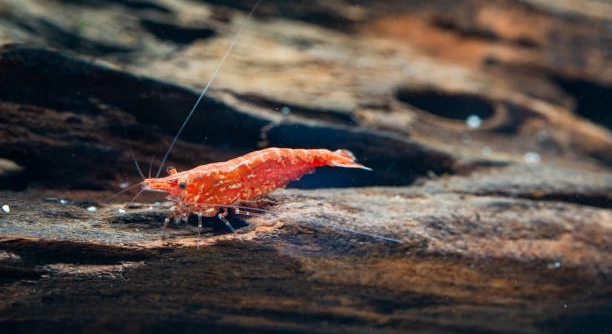
Cherry shrimp are small, colorful creatures that add life to any freshwater tank. Many hobbyists enjoy watching their behaviors, especially how they interact with the aquarium environment and its features. Observing their habits can be quite satisfying.
Cherry shrimp often gravitate toward the filter due to the gentle water flow and trapped food particles. This behavior provides both nutrition and stimulation. Consistent filter use can indicate comfort, access to oxygen-rich water, and an enriched habitat that supports healthy shrimp activity.
Recognizing these behaviors helps maintain a balanced aquarium while supporting the natural instincts of your cherry shrimp. Small observations can reveal a lot about their comfort and health.
Gentle Currents Are Appealing
Cherry shrimp are naturally drawn to areas in the tank where water moves softly. The filter creates a steady, gentle flow that mimics the small currents found in their natural habitats. They often hover near these currents, grazing on tiny particles and algae that pass by. This behavior not only helps them find food but also keeps them active and engaged. Spending time near the filter allows shrimp to stay in oxygen-rich water, which is vital for their overall health. Observing them glide calmly in these gentle flows can be soothing, and it also gives you insight into their preferences and comfort zones. Filters don’t just clean the water; they create small, safe spaces for shrimp to explore. When the shrimp cluster near the filter, it shows they feel secure in this part of the tank and enjoy the subtle motion the water provides for movement and feeding.
The consistent presence of cherry shrimp near the filter indicates comfort and satisfaction with the environment.
Shrimp that frequently use the filter area demonstrate more active feeding habits and regular movement patterns. By watching how they interact with the flow, you can better understand their health and well-being. The gentle current helps distribute food particles evenly, so shrimp can graze continuously without competing too aggressively. Over time, this consistent behavior becomes a clear sign that your tank conditions are suitable. The filter indirectly supports their social interactions too, giving them a space to gather without stress. Recognizing these small habits makes caring for them simpler and more predictable. Paying attention to how often and how long shrimp linger near the filter gives valuable information about their comfort levels. Healthy shrimp will return repeatedly, showing trust in the area as a safe and nourishing spot.
Grazing Around the Filter
Cherry shrimp often feed near filters because small particles accumulate there naturally.
When food bits and biofilm collect around the filter, shrimp take advantage of these easy meals. The constant water movement prevents stagnation, keeping these particles fresh and accessible. Grazing near the filter also keeps them active while reducing stress. Shrimp that frequently graze in this area tend to show more vibrant colors and stronger growth over time. Observing this behavior can guide how you feed your shrimp and maintain tank cleanliness. You can notice which areas attract them most and adjust decorations or plant placement accordingly. The filter becomes both a feeding zone and a gathering spot, combining safety with nutrition efficiently. Over weeks, this habit confirms the filter’s role beyond just water circulation, making it a key factor in shrimp behavior and overall tank harmony. Proper placement of the filter ensures shrimp can access it easily without being swept away by too strong a flow, which encourages consistent use and feeding habits.
Clinging to the Filter
Cherry shrimp often cling to the filter’s surface or nearby decorations. This behavior shows they feel secure in that spot and enjoy the steady flow of water. The texture also gives them a place to rest while grazing on biofilm.
Shrimp clinging near the filter is a natural response to water movement. They use their tiny legs and claws to hold onto surfaces, which allows them to stay in one place without struggling against the current. This position provides both safety and easy access to food particles carried by the flow. Observing shrimp cling regularly can indicate they are comfortable with the tank’s current strength and overall environment. Over time, you may notice certain shrimp returning to the same areas repeatedly, showing preference for stable and well-oxygenated spots.
The behavior also aids in molting and growth. Being near the filter lets shrimp remove old exoskeletons in a calm area where they feel protected. The gentle flow ensures that waste is carried away, maintaining cleanliness around their resting spot. This combination of security, food access, and water movement makes the filter a reliable hub for daily shrimp activity.
Hovering and Exploring
Shrimp often hover near the filter while exploring small surfaces and crevices. This lets them stay active while remaining close to oxygen-rich water.
Hovering near the filter allows cherry shrimp to inspect tiny nooks and surfaces for food or shelter. They move slowly, touching surfaces with their antennae, which helps them detect food particles or other shrimp. This constant movement keeps them healthy and engaged while reducing stress. Filters provide a safe zone for these activities, combining water circulation with food availability. Over time, shrimp that hover in this area regularly show stable growth and vibrant coloration, indicating comfort in their environment.
This behavior also helps with social interaction. Shrimp can observe each other, establish small territories, and find mates in a low-stress setting. The filter’s flow spreads scents and particles, making it easier for them to communicate and locate resources. Hovering and exploring near the filter is both practical for survival and beneficial for long-term health, showing how integral this part of the tank becomes in their daily patterns.
Swimming Against the Flow
Cherry shrimp often swim gently against the filter’s current. This allows them to exercise while remaining in a safe area. The resistance helps them build strength and keeps their movements steady and controlled.
They also use this behavior to reach small food particles that float near the filter. Swimming against the flow gives them access to nutrients while staying close to oxygen-rich water, creating an ideal feeding and activity spot.
Using Filter Intake as a Resting Spot
Shrimp sometimes rest near the filter intake where water enters slowly. This provides a stable location that keeps them safe while maintaining contact with moving water. Regularly returning to this area shows they feel secure and enjoy the constant water movement, which aids in respiration.
Grazing on Biofilm
The filter attracts biofilm, which cherry shrimp feed on continuously. This natural food source encourages frequent visits and longer periods spent near the filter, supporting both nutrition and activity in a compact area.
What makes cherry shrimp attracted to the filter?
Cherry shrimp are naturally drawn to areas with gentle water flow, which the filter provides. The movement distributes oxygen and small food particles evenly, creating an ideal environment for them to graze. Being near the filter also allows them to stay active without being stressed by strong currents.
Is it safe for shrimp to stay near the filter all the time?
Yes, as long as the current isn’t too strong. Filters with adjustable flow are best, letting shrimp cling, hover, or swim without struggle. Constant water movement helps prevent stagnation, keeping the tank cleaner and more oxygenated, which supports their health.
Do cherry shrimp get food from the filter?
Filters collect tiny particles and biofilm, which shrimp feed on regularly. Grazing near the filter gives them easy access to this nutrition, reducing competition elsewhere in the tank. It also allows them to feed while staying in a safe, stable location.
Why do shrimp cling to the filter surface?
Clinging is a natural response to water flow. It provides stability while grazing and resting. Shrimp use their legs and claws to hold onto surfaces, which keeps them from being swept away and gives them access to food carried by the current.
How does the filter help with shrimp health?
Filters create oxygen-rich zones and improve water quality by removing debris. Shrimp near the filter benefit from consistent water movement, which encourages activity, strengthens muscles, and promotes molting. Observing their interaction with the filter can indicate their comfort and overall well-being.
Can shrimp get stuck in the filter?
It’s uncommon if the filter has a pre-filter sponge or guard. These prevent shrimp from being drawn into strong intake tubes while still providing a place to cling and graze safely. Regular maintenance ensures both safety and cleanliness.
How often should I check shrimp near the filter?
Daily observation is ideal. Look for healthy movement, feeding, and color. If shrimp avoid the filter or cling unusually, it could indicate strong currents, poor water quality, or stress. Adjusting flow or adding hiding spots can improve comfort.
Does the filter impact shrimp molting?
Yes, gently flowing water near the filter creates a calm, safe environment for molting. Shrimp need secure spots where they can shed exoskeletons without disturbance. Filters also help keep the area clean, reducing risk of bacterial infection during this vulnerable period.
Are there signs that shrimp dislike the filter?
Shrimp avoiding the filter, hiding excessively, or showing erratic swimming may indicate the flow is too strong or water quality is off. Adjusting the current, adding plants, or providing hiding spots can make the area more inviting while still benefiting from water movement.
How can I make the filter more shrimp-friendly?
Adding a pre-filter sponge, placing small decorations nearby, or reducing current strength creates safe grazing areas. The goal is to maintain water quality and movement while offering surfaces for shrimp to cling, feed, and explore comfortably.
Do shrimp interact with the filter at night?
Yes, cherry shrimp are active both day and night. Night activity often focuses on grazing and exploring near the filter, using its oxygen-rich water and collected biofilm. Observing them during different times helps understand habits and preferences.
Can multiple shrimp share the same filter area?
Absolutely. Cherry shrimp are social and can graze together near a filter. The flow spreads particles, reducing competition. However, overcrowding should be avoided to maintain water quality and prevent stress among individuals.
Does the type of filter matter for shrimp behavior?
Yes, sponge filters or filters with gentle flow are preferred. Strong currents can push shrimp away, while slow, consistent water movement encourages clinging, grazing, and resting nearby. Choosing the right filter supports both comfort and health.
How does water temperature near the filter affect shrimp?
Stable, slightly cooler zones near the filter can attract shrimp. Water circulation helps distribute heat evenly, preventing stagnant pockets. Maintaining appropriate temperature ensures shrimp remain active, healthy, and comfortable while using the filter regularly.
Can filter placement change shrimp behavior?
Yes, positioning the filter near plants or decorations increases surfaces for clinging and grazing. Central placement can encourage more interaction, while tucked-away filters may attract only a few shrimp. Observing preferences helps optimize both tank layout and shrimp comfort.
Do baby shrimp use the filter differently?
Juveniles often cling to sponges or surfaces near the intake for safety and access to small food particles. They are less likely to fight currents and need gentle flows. Monitoring their behavior helps ensure young shrimp grow without stress or injury.
Does filter maintenance affect shrimp attraction?
Cleaning the filter too aggressively can remove biofilm, temporarily reducing feeding spots. Gentle maintenance preserves some surfaces for grazing while maintaining water quality. Observing shrimp after cleaning helps gauge if the area remains appealing.
How long do shrimp stay near the filter?
It varies by individual and activity. Some hover briefly while feeding, while others linger to rest, graze, or molt. Observing patterns over time gives insights into preferences, comfort, and the overall health of the shrimp colony.
Do shrimp use the filter for hiding?
Yes, areas behind or around the filter provide shelter. The gentle flow and physical surfaces allow shrimp to hide while remaining connected to oxygen-rich water and grazing opportunities, reducing stress and supporting daily activity.
Is filter observation a good way to check shrimp health?
Absolutely. Watching shrimp behavior near the filter reveals feeding habits, activity levels, and molting success. Changes in patterns can indicate stress, water issues, or illness, allowing early intervention to maintain a healthy tank environment.
Can algae growth on the filter be beneficial?
Yes, algae and biofilm provide natural food sources. Shrimp grazing on this growth get additional nutrients while remaining in a familiar, safe area. Controlled growth encourages regular visits and supports overall health.
How do shrimp respond to changes in filter flow?
Sudden increases in flow may push shrimp away, causing stress. Gradual adjustments allow them to adapt, keeping them near the filter for grazing, clinging, and resting. Observing behavior after changes ensures conditions remain comfortable.
Does filter size matter for cherry shrimp?
Moderate-sized filters work best, providing enough flow without overwhelming shrimp. Too large a filter may create strong currents, while too small may not circulate water effectively. Proper sizing balances water quality and shrimp comfort.
Can multiple filters be beneficial?
Yes, multiple gentle filters spread oxygen and food particles throughout the tank. Shrimp can choose their preferred spots while still enjoying clean, circulating water, reducing stress and encouraging natural behaviors.
How does filter flow affect breeding?
Gentle flow near the filter supports female shrimp carrying eggs by providing oxygen-rich, safe areas. Proper flow prevents debris buildup while ensuring baby shrimp have access to sheltered surfaces, enhancing survival rates.
Do decorations near the filter matter?
Yes, small rocks, plants, or driftwood create surfaces for grazing and hiding. Shrimp feel more secure while staying near the filter, making it both a feeding and resting hub in their habitat.
What signs show shrimp are happy near the filter?
Active grazing, bright coloration, frequent hovering, and calm clinging all indicate shrimp are comfortable. Regular observation confirms the area meets their needs for safety, nutrition, and activity, helping maintain a healthy tank ecosystem.
Can filter noise affect shrimp?
Excessive vibration or noise may cause stress. Smooth, quiet filters are ideal, allowing shrimp to feed and explore undisturbed. Monitoring behavior after installation ensures the filter remains a comfortable hub for daily activity.
Does water flow affect shrimp cleaning habits?
Yes, gentle currents help distribute particles evenly, encouraging shrimp to clean surfaces systematically. Filters enhance these habits by creating flowing zones rich in biofilm and tiny food bits, supporting natural feeding and maintenance behaviors.
How often should I monitor shrimp at the filter?
Observing daily provides insights into feeding, activity, and comfort. Any sudden changes can indicate environmental or health issues, allowing timely adjustments. Regular attention ensures the filter remains a safe, productive area for the shrimp.
Does water quality near the filter differ from the rest of the tank?
Yes, circulation improves oxygenation and reduces debris accumulation. Shrimp prefer these areas for grazing and resting because cleaner, moving water supports overall health and reduces stress, creating an ideal microhabitat within the tank.
How does light near the filter affect shrimp?
Moderate lighting encourages grazing while preventing excessive algae growth. Too bright or direct light may stress shrimp, causing them to avoid the filter area. Balanced light helps maintain their natural behaviors.
Can shrimp behavior near the filter predict tank issues?
Yes, unusual avoidance or clustering can signal water quality problems, strong currents, or temperature fluctuations. Observing filter activity is an effective way to gauge tank conditions and intervene before problems escalate.
Does adding plants near the filter change shrimp patterns?
Yes, plants provide surfaces for grazing, hiding, and molting. Shrimp may spend more time near the filter if decorations offer additional security and feeding spots, creating a balanced, stimulating environment.
How do shrimp react to new filters?
Initially, they may explore cautiously. Over time, they learn to cling, hover, and graze, integrating the filter into daily routines. Gradual introduction helps reduce stress and encourages natural behaviors.
Can the filter help reduce aggression among shrimp?
Yes, gentle flow and multiple surfaces near the filter reduce competition by spreading food and creating separate grazing areas. Shrimp can maintain personal space while still enjoying the benefits of water movement.
Is it normal for shrimp to leave the filter area temporarily?
Yes, they explore, feed, or rest elsewhere. Temporary departures don’t indicate issues. Returning frequently shows comfort and satisfaction with the filter’s conditions.
Do shrimp prefer certain filter textures?
Yes, rough or porous surfaces allow better clinging and grazing opportunities. Smooth surfaces may be avoided, so adding sponges, rocks, or textured decorations improves usability.
How do shrimp choose filter spots in crowded tanks?
They balance safety, food access, and flow strength. Dominant shrimp may claim the best spots, while others find quieter areas nearby. Observing these patterns helps maintain harmony and ensures everyone has access.
Can filter upgrades change shrimp behavior?
Yes, new filters with different flow rates or intake designs may attract or repel shrimp. Adjustments in placement or flow can help shrimp adapt comfortably while preserving feeding and resting habits.
How does seasonal temperature change affect shrimp near the filter?
Seasonal shifts influence activity levels and preference for certain spots. Gentle currents and oxygen-rich zones near the filter help shrimp stay active and feed consistently, supporting overall health through temperature fluctuations.
Do shrimp groom themselves near the filter?
Yes, clinging and hovering provide stable surfaces for grooming. Water movement helps remove debris and facilitates access to biofilm, allowing shrimp to maintain cleanliness efficiently.
Can filter maintenance disturb shrimp routines?
Overly aggressive cleaning may temporarily remove biofilm or alter flow. Gradual, careful maintenance preserves feeding and resting zones, minimizing stress and maintaining daily patterns.
How do shrimp interact with other species near the filter?
Shrimp may coexist with snails or small fish while using the filter. They rely on gentle currents for safety and grazing, while cautious interactions prevent stress and support natural behaviors.
Do shrimp prefer new or established filters?
Established filters often have more biofilm and familiar surfaces, making them more attractive. New filters may require time for shrimp to explore and adapt, gradually integrating into daily habits.
Can filter placement affect molting success?
Yes, calm, secure areas near the filter encourage safe molting. Adequate water flow and nearby surfaces help shrimp shed exoskeletons without disturbance or risk, improving survival and growth rates.
Does the filter influence shrimp color intensity?
Indirectly, yes. Access to oxygen, food particles, and stable resting spots promotes health and vitality, leading to brighter, more vibrant coloration over time.
Can strong currents near the filter be harmful?
Yes, excessively strong flow can stress or injure shrimp. Adjusting flow or adding obstacles ensures a gentle environment, allowing natural behaviors like grazing, hovering, and clinging to continue safely.
How do shrimp respond to changes in filter noise or vibration?
Sudden vibration or loud noises can cause temporary stress, leading to hiding or avoidance. Smooth, quiet operation encourages comfort, consistent feeding, and natural activity patterns.
Do all shrimp use the filter equally?
No, individual preferences vary. Some linger longer, others explore nearby surfaces. Observing these differences helps understand each shrimp’s habits and needs while maintaining a balanced tank environment.
Can filter placement impact breeding behavior?
Yes, female shrimp often carry eggs in areas near gentle flow. Proper placement ensures oxygen-rich water and access to feeding surfaces, supporting healthy reproduction and larval survival.
How does filter flow affect shrimp social behavior?
Flow spreads food particles and scents, facilitating grazing, territory establishment, and interactions. Gentle, consistent currents reduce competition and stress, helping shrimp coexist harmoniously near the filter.
Does filter maintenance frequency matter for shrimp behavior?
Yes, regular but gentle maintenance preserves grazing spots and flow patterns. Abrupt cleaning can disrupt habits, while careful upkeep maintains a safe and nutritious environment.
Can filter location affect water temperature consistency?
Yes, placement near water circulation zones ensures stable temperature distribution. Shrimp prefer these areas for activity, grazing, and resting, reducing stress from thermal fluctuations.
Do shrimp prefer horizontal or vertical surfaces near the filter?
Both have benefits. Horizontal surfaces provide grazing areas, while vertical surfaces allow clinging and resting. Offering a mix ensures shrimp can engage naturally with water flow and food particles.
Can filters support baby shrimp survival?
Yes, gentle flow zones and surfaces near the filter give juveniles safe grazing areas. They cling and feed without strong currents, increasing survival rates and promoting growth into healthy adults.
Do shrimp use multiple spots around a single filter?
Yes, they rotate between feeding, resting, and hiding areas. This behavior reduces stress, promotes health, and ensures access to sufficient biofilm and oxygenated water throughout the day.
How long does it take shrimp to adapt to a new filter?
Adaptation varies but usually occurs within a few days. Shrimp gradually explore, cling, and graze as they become comfortable, integrating the filter into their routine for feeding and resting.
Can filter-induced water movement improve shrimp fitness?
Yes, gentle currents strengthen swimming muscles and encourage active grazing. Regular exercise near the filter contributes to overall health, molting success, and long-term vitality.
Does filter flow influence shrimp stress levels?
Consistent, gentle flow reduces stress by providing secure, oxygen-rich areas for grazing and resting. Sudden changes or strong currents may increase stress and lead to hiding or avoidance behaviors.
Can shrimp teach each other filter habits?
Indirectly, yes. Juveniles observe adults clinging, grazing, and hovering, gradually adopting similar behaviors. The filter becomes a shared hub for feeding, safety, and activity patterns.
Do shrimp prefer sponge filters over other types?
Sponge filters are ideal due to gentle flow, soft surfaces, and food particle retention. They provide clinging areas and reduce risk of injury, making them suitable for daily grazing and resting behaviors.
How does filter placement affect tank cleanliness?
Proper placement encourages water circulation, reducing debris accumulation. Shrimp grazing near these zones helps remove biofilm and particles, maintaining cleaner surfaces and promoting a healthier environment overall.
Do shrimp respond differently to strong versus weak currents?
Yes, weak currents encourage grazing and resting, while strong currents may push them away. Adjusting flow ensures shrimp can engage naturally without stress or injury.
Can filter observation replace other health checks?
No, but it is a useful supplement. Watching behavior near the filter indicates feeding patterns, activity, molting, and stress, helping detect early signs of problems. Combined with regular water tests, it supports overall tank health.
Does filter placement affect algae growth patterns?
Yes, gentle flow areas near the filter promote controlled algae growth, providing grazing opportunities without overwhelming surfaces. This supports shrimp nutrition while maintaining tank balance.
Can shrimp behavior around the filter predict reproductive success?
Yes, frequent, calm activity in oxygen-rich zones indicates comfort and proper nutrition, supporting egg carrying, hatching, and juvenile survival rates.
How does filter maintenance timing affect shrimp?
Cleaning during low activity periods minimizes disturbance. Gentle upkeep preserves biofilm and surfaces, allowing shrimp to continue grazing and resting without stress or disruption.
Do shrimp prefer filter intake or outflow areas?
Mostly intake areas with moderate flow. These zones accumulate food particles and biofilm while providing safe, oxygen-rich water. Outflow areas may be too strong, pushing shrimp away.
Can adding hiding spots near the filter change shrimp behavior?
Yes, it encourages longer stays, grazing, and resting. Shrimp feel secure, interact naturally, and avoid stress, making the filter area a productive and safe zone.
How does filter material affect shrimp use?
Porous, rough surfaces allow better clinging and grazing. Smooth or slippery surfaces may be avoided. Sponge filters or textured decorations optimize accessibility and comfort.
Do shrimp use filter areas differently during molting?
Yes, they prefer calm, secure surfaces with gentle flow. The filter provides oxygen-rich water and safe resting spots, reducing risk of injury or predation while vulnerable.
Does filter location affect shrimp territorial behavior?
Yes, areas with multiple surfaces reduce competition. Shrimp establish small territories while sharing grazing zones, promoting social balance and reducing stress in crowded tanks.
Can observing shrimp near the filter reveal water quality issues?
Yes, unusual avoidance, lethargy, or erratic swimming may indicate poor water conditions, high currents, or low oxygen levels. Regular observation helps identify and address problems early.
Do shrimp use filter surfaces for antenna cleaning?
Yes, clinging or brushing against rough surfaces helps remove debris. Gentle water flow aids cleaning while providing continuous grazing opportunities.
Can filter flow patterns influence shrimp activity times?
Yes, moderate currents encourage daytime and nighttime grazing. Variations in flow or placement may shift activity patterns, influencing feeding and resting schedules.
Do shrimp prefer single or multiple filters?
Multiple gentle filters spread food and oxygen, allowing more shrimp to access safe grazing spots. Single filters work too, but placement and flow adjustment are key for balanced interaction.
How do filter vibrations affect shrimp molting?
Excessive vibration can cause stress or disrupt molting. Gentle, stable operation supports calm, successful exoskeleton shedding without interference.
Do shrimp adapt to new filter types quickly?
Yes, generally within days. They explore, cling, and graze as they adjust. Gradual introduction reduces stress and helps integrate the filter into their daily habits naturally.
Can filter location affect shrimp color display?
Indirectly, yes. Comfort, easy access to food, and calm surroundings promote healthy activity and nutrition, enhancing color intensity over time.
Does filter cleaning frequency influence shrimp grazing?
Yes, maintaining some biofilm encourages regular grazing. Aggressive cleaning may temporarily reduce feeding areas, while gentle upkeep preserves natural habits and nutrition.
Cherry shrimp are small, fascinating creatures that can show a lot about their preferences and comfort through their behavior. Observing them around the filter provides valuable insight into how they interact with their environment. Many shrimp naturally gather near areas with gentle water flow because it offers several advantages. The constant movement brings oxygen-rich water, small food particles, and safe surfaces for resting or grazing. Over time, shrimp develop routines around the filter, returning to certain spots repeatedly. This behavior is a good indicator that the tank is set up in a way that supports their natural instincts. Paying attention to these habits allows hobbyists to provide a better, more stable environment for their shrimp, which can lead to improved health, activity levels, and overall well-being.
Filters are not only functional in keeping the water clean but also play an important role in the shrimp’s daily life. The intake and surrounding areas become hubs for feeding, resting, and exploration. Biofilm and tiny particles that collect near the filter serve as a constant source of nutrition, encouraging shrimp to spend time nearby. Gentle currents created by the filter give them exercise and allow them to cling or hover without stress. Even subtle behaviors, such as swimming against the flow or grooming on filter surfaces, demonstrate how well shrimp adapt to these conditions. By observing how often shrimp return to the filter, how long they stay, and which spots they prefer, it is possible to gauge both their comfort and the effectiveness of the tank setup. Adjustments such as adding textured surfaces, plants, or pre-filters can improve accessibility and safety, making the filter an even more useful part of their environment.
Understanding cherry shrimp behavior near the filter can also help prevent potential problems. Changes in their activity, like avoiding the filter, hiding more than usual, or showing signs of stress, often indicate issues with water quality, current strength, or temperature. By monitoring their behavior closely, it becomes easier to identify and fix these concerns early. Maintaining gentle flow, providing adequate hiding spots, and keeping a balance of biofilm and food particles ensures that shrimp remain healthy and active. Observing shrimp daily fosters a connection to their needs while supporting their natural routines. The filter is more than just a piece of equipment; it serves as a space that meets multiple needs for shrimp. Paying attention to how they interact with it can guide better tank management, support healthy growth, and contribute to a thriving, stable aquarium environment.

Hello,
If you enjoy the content that we create, please consider saying a "Thank You!" by leaving a tip.
Every little bit helps us continue crafting quality advice that supports the health, happiness, and well-being of pets around the world, for pets of all shapes, sizes, and species.
We really appreciate the kindness and support that you show us!