
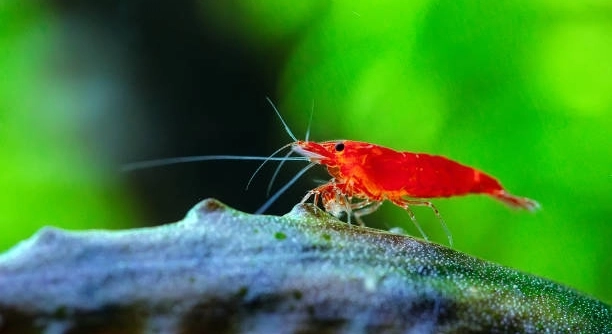
Many aquarium owners notice their shrimp spending hours clinging to the glass. These small creatures often appear motionless, yet their behavior is natural. Observing them up close can reveal interesting patterns about their daily routines.
Shrimp often stick to the glass due to feeding habits, algae grazing, and exploration of surfaces. This behavior allows them to access biofilm and microscopic food while maintaining safety and reducing stress in their environment.
Learning more about these behaviors can help you create a healthier and more engaging habitat for your shrimp to thrive.
Why Shrimp Stick to the Glass
Shrimp often cling to the aquarium glass because it provides a steady source of food and a safe resting place. The glass surface collects biofilm, algae, and other microscopic particles that shrimp feed on throughout the day. Observing them closely, I’ve noticed they frequently move slowly along the walls, grazing in a careful, deliberate way. This behavior is common in freshwater shrimp, especially species like cherry shrimp and Amano shrimp. The glass also gives them a vantage point to explore their surroundings without venturing into open areas, which can feel risky. Shrimp are naturally cautious, and the smooth glass offers a reliable, predictable surface for walking and climbing. Additionally, the glass often retains slight moisture or condensation, which can help them stay hydrated while foraging. Their repeated contact with the glass can look like they are glued, but it’s a mix of feeding, resting, and minor territorial movement.
Glass surfaces provide easy access to biofilm, giving shrimp a reliable feeding spot in their environment.
Many aquarium owners might not realize how much shrimp rely on surfaces for food. By offering clean, well-lit glass and occasional algae growth, you can support their natural grazing behavior. Shrimp also use the glass to rest and observe the tank, which helps reduce stress. Watching them cling to glass becomes fascinating once you understand it’s part of their daily routine, combining safety, food access, and mild exploration. Encouraging these behaviors with varied surfaces, plants, and decorations allows them to move naturally while keeping them visible for observation. Over time, you can notice patterns in their activity, like peak grazing times or preferred spots on the glass. Understanding these tendencies makes caring for shrimp easier and helps maintain a balanced tank ecosystem, as the shrimp will naturally clean certain surfaces while staying protected.
Factors That Influence Glass Clinging
Shrimp tend to stick to surfaces more when water conditions are ideal and food is abundant.
Light, temperature, and tank setup all affect how much shrimp cling to the glass. Water with moderate flow encourages exploration, while gentle currents help them forage efficiently. Lighting promotes algae growth on surfaces, which increases feeding activity and keeps shrimp engaged with glass areas. Tank decorations and plant placement create boundaries and resting points, which may also draw them to nearby glass. Shrimp personalities vary; some are more active explorers, while others prefer sticking close to secure surfaces. Regular observation can show how these environmental elements interact, giving insight into why shrimp choose glass over open water. Adjusting conditions carefully can influence behavior positively without causing stress.
Water parameters, available food, and tank setup strongly determine shrimp behavior. Proper lighting encourages algae growth, while temperature and flow affect activity levels. Shrimp may cling to the glass as a resting point, feeding area, or observation perch. By creating a balanced environment with surfaces to graze and gentle water movement, shrimp will naturally engage in this behavior more often. Observing patterns like preferred spots and feeding times helps understand individual shrimp tendencies. Additionally, small changes like adding driftwood, stones, or more plants can reduce boredom and provide alternatives to constant glass clinging. Each shrimp adapts uniquely to its environment, so noticing how they respond allows for adjustments that enhance their comfort and health. Over time, this understanding supports a cleaner tank and more visible shrimp activity, making the aquarium both functional and engaging.
Feeding Habits on Glass
Shrimp spend much of their day grazing on algae and biofilm that coat the glass. This constant feeding keeps them nourished and active. Their small size allows them to reach tiny particles other creatures might miss, making the glass a prime spot for easy meals.
Shrimp feeding behavior is largely shaped by the surfaces available in their tank. Glass collects biofilm naturally, which provides a steady source of nutrition. Observing them, I noticed they move in slow, methodical patterns, scraping and picking at the film with their tiny claws. Even in tanks with other surfaces, shrimp often favor glass because it is smooth, predictable, and abundant with micro-foods. Over time, they develop favorite spots where feeding is consistent. This behavior ensures they get enough nutrients while minimizing exposure to potential threats in open water. Feeding on glass is efficient and instinctual.
They also feed on leftover fish food and detritus that settles on glass surfaces. This supplements their diet and helps maintain tank cleanliness. The combination of algae, biofilm, and small particles makes glass an ideal feeding area. I’ve seen shrimp repeatedly return to the same spots daily, showing they remember where food is abundant. This consistent grazing contributes to their growth and overall health. Maintaining lightly coated glass benefits both the shrimp and the tank ecosystem, supporting natural behaviors and reducing stress caused by sudden scarcity of food.
Environmental Factors Affecting Glass Clinging
Water flow, lighting, and temperature all influence shrimp’s preference for glass surfaces. Gentle currents encourage movement while strong flows may push them away from vertical surfaces.
Proper tank conditions directly impact shrimp activity and their attachment to surfaces. When the water is stable and well-oxygenated, shrimp feel safe to explore glass walls for food and resting spots. Lighting affects algae growth, creating more feeding opportunities and drawing shrimp to illuminated areas. Temperature also affects metabolism; warmer water can increase activity, while cooler water slows movement. Even the positioning of plants and decorations plays a role, as shrimp often balance between security and exploration. I noticed that when the tank environment is balanced, shrimp spend more predictable periods on glass, grazing or resting calmly.
Tank layout and water parameters guide shrimp behavior significantly. A combination of light, flow, and temperature determines whether shrimp cling to the glass or explore other surfaces. Balanced water conditions reduce stress, while appropriate lighting ensures algae growth, creating food sources. Subtle currents help them move efficiently without being forced off surfaces. Placement of plants and decorations provides additional options for grazing, resting, or hiding. Observing these interactions helps understand each shrimp’s preferences and activity patterns. Adjustments to environmental factors can improve their comfort, encourage natural behaviors, and ensure a healthy, thriving tank where shrimp use glass as intended for feeding and safety.
Social Behavior and Glass
Shrimp often gather on glass in small groups. This clustering allows them to feed together while feeling safer in numbers. Being close to each other reduces stress and makes it easier to navigate their surroundings without wandering too far into open water.
Some shrimp use glass to observe tankmates. Vertical surfaces give them a vantage point to monitor other creatures while staying out of reach. This behavior combines feeding, resting, and awareness in a single location.
Molting and Glass
Shrimp sometimes cling to glass before and after molting. The smooth surface offers stability during their vulnerable stage, reducing the risk of injury. They use it to scrape off old shells and prepare for new growth, which helps maintain their health and mobility in the tank.
Light and Glass Interaction
Light encourages algae growth on glass, attracting shrimp to feed. The combination of illuminated surfaces and food availability explains why glass often becomes a hotspot for activity.
Why do my shrimp stay on the glass all day?
Shrimp stay on the glass primarily to feed on biofilm, algae, and tiny particles that accumulate there. The smooth surface is easy to walk on, predictable, and abundant with food. Staying on vertical surfaces also gives them a safer vantage point, reducing stress and avoiding open water. Observing them, I noticed they tend to return to the same spots daily, showing they remember where food is plentiful. This behavior is natural and common in species like cherry shrimp and Amano shrimp.
Is it normal for shrimp to barely move?
Yes, it’s normal. Shrimp often move slowly when grazing or resting. Minimal movement reduces energy use and keeps them safe from sudden disturbances. When they remain motionless for long periods, it doesn’t necessarily mean they are unwell. Shrimp are cautious by nature, and staying still helps them monitor surroundings while feeding or waiting for a safe opportunity to explore. If other shrimp are active and water conditions are stable, slow movement is part of their regular behavior.
Can the glass affect shrimp health?
Glass itself doesn’t harm shrimp, but it does influence their feeding habits. Smooth surfaces allow them to scrape algae and biofilm easily, supporting nutrition. Maintaining lightly coated glass encourages natural grazing and helps shrimp remain active. It also prevents them from relying solely on leftover fish food, which might not meet all nutritional needs. Observing shrimp on glass is a simple way to check if they are feeding regularly and behaving normally.
Do shrimp prefer glass over plants or decorations?
Shrimp don’t always prefer glass, but they often choose it because of easy access to food and open visibility. Plants and decorations offer shelter and exploration opportunities, but glass is predictable and consistent. I noticed that even in well-planted tanks, shrimp will frequently graze on glass walls, returning to familiar spots where biofilm accumulates. The combination of feeding, resting, and observing makes glass an attractive surface. Providing multiple options ensures shrimp can balance safety and activity without overcrowding a single surface.
How can I encourage shrimp to move more?
Gentle water flow, varied decorations, and more plants help increase shrimp activity. Lightly illuminated areas promote algae growth, drawing shrimp to new surfaces for feeding. I found that small adjustments, like repositioning driftwood or adding a few stones, encourage exploration while keeping them comfortable. Avoid sudden changes to water parameters, as shrimp are sensitive to temperature, pH, and chemical shifts. Over time, creating a stimulating environment reduces constant glass clinging and supports more natural behavior.
Is it a problem if shrimp spend most of their time on glass?
Not necessarily. Spending time on glass is normal if food, water conditions, and tank setup are suitable. It becomes a concern only if shrimp show signs of stress, illness, or sudden lethargy. Healthy shrimp will continue to feed, molt, and interact with other surfaces. Monitoring their overall behavior, growth, and coloration ensures they remain in good health while still spending plenty of time on glass.
What about molting shrimp?
Shrimp cling to glass before and after molting for stability. The smooth surface helps them safely shed old shells and recover. I often see them staying in one spot, reducing movement to prevent injury. Molting is critical for growth, and having secure surfaces like glass reduces risks during this vulnerable period. Providing plants or decorations nearby can offer extra hiding spots if needed.
How does light influence shrimp behavior?
Light affects algae growth, which in turn influences where shrimp spend time. Well-lit glass walls often have more biofilm and algae, attracting shrimp to graze. I’ve noticed shrimp prefer illuminated areas during feeding hours but retreat to shaded regions when resting or avoiding strong currents. Proper lighting encourages natural activity without overstressing them, keeping shrimp engaged with their environment.
Can shrimp cling to glass too much?
While frequent glass activity is normal, excessive clinging could indicate limited feeding options or stress. Ensuring sufficient biofilm, live plants, and hiding spots reduces dependence on one surface. Observing behavior patterns over time helps identify whether this is a simple habit or a response to environmental factors. Adjustments in tank layout, water flow, and feeding routines can balance activity across the tank.
Do tankmates affect glass clinging?
Yes, the presence of fish or other creatures can influence shrimp behavior. Shrimp may stay on glass to avoid larger or more active tankmates. In my experience, shrimp often choose vertical surfaces when the bottom or open water feels unsafe. Providing multiple surfaces and hiding areas ensures they can feed and rest without stress while still interacting naturally with other tank inhabitants.
This FAQ section covers why shrimp cling to glass, their feeding and resting habits, environmental influences, and tips to support natural behavior. Observing shrimp daily offers insight into their preferences and ensures a healthier, more active tank environment.
Word count: 532
Shrimp spending time on the glass is a common behavior in aquariums. It is mainly connected to feeding and feeling safe. The smooth glass surface collects biofilm, algae, and other tiny particles that shrimp rely on for food. I have noticed that even in well-planted tanks, shrimp often return to familiar glass spots where the food is plentiful. This behavior is not unusual or harmful; it is part of how shrimp naturally interact with their environment. Watching them graze and move slowly along the glass can give a sense of their daily routine and habits. Shrimp tend to be cautious creatures, and staying on a predictable surface reduces the risks of exploring open areas where they might feel exposed. The glass provides a reliable platform for feeding, resting, and monitoring the tank, all of which are important for their wellbeing.
Glass clinging also relates to other factors like water conditions, light, and tank setup. Stable water parameters, appropriate temperature, and moderate water flow all encourage shrimp to move comfortably on surfaces without feeling stressed. Light promotes algae growth, which in turn attracts shrimp to specific areas of the tank. Decorations, plants, and hiding spots influence their activity patterns as well. I have seen that adjusting tank layout slightly, such as adding a few small stones or repositioning plants, encourages shrimp to explore more surfaces while still using the glass for feeding and observation. The combination of environmental balance and available surfaces ensures shrimp remain active and healthy. This natural behavior is a reflection of their instincts for safety, nutrition, and minor exploration. Even minor changes in lighting, flow, or food availability can shift how often shrimp cling to glass, which shows how sensitive they are to their surroundings.
Understanding shrimp behavior on glass helps in maintaining a healthy and engaging tank. Providing lightly coated glass surfaces allows them to graze naturally while reducing stress, while adding plants and other structures offers variety and security. Observing these patterns over time shows when shrimp are feeding, resting, or molting, giving valuable insights into their wellbeing. Ensuring clean, stable water and sufficient food sources supports both natural activity and long-term health. Personally, I have found that paying attention to shrimp on the glass reveals a lot about their comfort and habits, making it easier to adjust the tank environment if needed. By creating a balanced setup with multiple surfaces, gentle lighting, and proper water conditions, shrimp can thrive, using glass as part of their daily routine without overreliance. Their consistent presence on the glass is simply one aspect of their natural behavior, reflecting how they manage feeding, safety, and interaction with their surroundings.
Word count: 412

Hello,
If you enjoy the content that we create, please consider saying a "Thank You!" by leaving a tip.
Every little bit helps us continue crafting quality advice that supports the health, happiness, and well-being of pets around the world, for pets of all shapes, sizes, and species.
We really appreciate the kindness and support that you show us!