
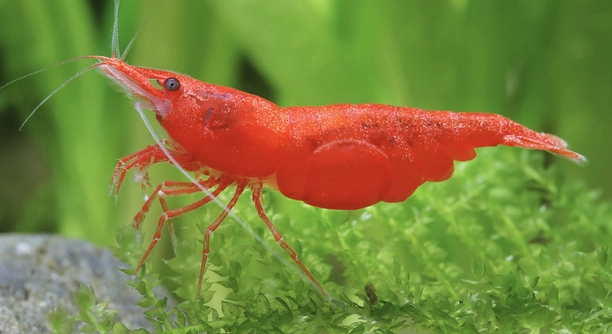
Have you ever noticed your cherry shrimp acting a little shy when the lights turn on, making you wonder why they prefer staying hidden in the shadows of their tank environment most of the time?
Cherry shrimp often avoid light because bright conditions increase their stress levels, reduce their sense of security, and expose them to potential threats. Their natural instincts guide them toward shaded areas where they can forage safely while maintaining behavioral patterns.
Understanding these habits lets you support your shrimp better while uncovering gentle patterns that shape their comfort within the aquarium.
Reason 1: Natural Instincts Around Light
Cherry shrimp come from shaded streams where thick plants and scattered debris soften the light, so their behavior in a home tank often mirrors those gentle conditions. When light feels too strong, they react by pulling back, choosing sheltered areas that match their natural comfort. Their tiny bodies make them feel exposed under bright illumination, and even subtle changes can influence how they move or interact with their surroundings. You might see them grazing more confidently when the tank has dim spots or layered plants that break up the brightness. Light intensity also shapes how safe they feel while feeding, resting, or exploring. If the environment seems too open, they choose caution over activity, which is part of their instinctive approach to staying protected. Understanding this helps you adjust the tank in thoughtful ways that keep them calm without disrupting your setup or forcing changes they might struggle to handle.
Providing shaded spaces helps shrimp feel secure by giving them consistent cover. When they have places to retreat, they move with less stress and show natural behaviors. This simple adjustment keeps their routines steady and reduces the tension caused by bright or uncovered areas in their daily tank experience overall.
Plant cover plays an important role in helping shrimp feel comfortable, and choosing the right mix makes a noticeable difference. Dense leaves, floating stems, and softly shaded corners create surfaces for grazing and safe pockets for resting. These features also help break up harsh light that might overwhelm them. When arranged well, plants encourage shrimp to explore the tank with a steadier rhythm, since they can move between shaded spaces without feeling exposed. This balance supports healthier behavior and keeps their environment gentle. A thoughtfully planted tank gives them freedom to move while still protecting their natural need for subtle shelter.
Reason 2: Stress From Sudden Brightness
Sudden shifts in lighting can make shrimp withdraw quickly because their eyes adjust slowly to bright conditions. When the change feels too intense, they react by hiding instead of moving freely. Managing lighting transitions helps maintain calm behavior and reduces unnecessary pressure on their small bodies in daily tank life.
Light changes influence shrimp far more than many keepers realize, especially when those changes happen suddenly. Bright light can trigger a strong sense of exposure, making them retreat into plants or behind decor to protect themselves from what feels like a risky situation. A tank with abrupt lighting shifts disrupts their natural rhythm, since they depend on gentle cues to understand when it is safe to forage or rest. Slow transitions from dim to bright conditions support their comfort because the gradual shift lets them adjust at a manageable pace. Using timers, layered lighting, or floating plants can soften intensity and create a more stable setting. These adjustments help shrimp avoid the shock that comes with harsh lighting, encouraging them to behave with greater confidence. When their environment feels predictable, they explore more openly, graze more consistently, and settle into calmer routines. A stable lighting setup brings out their usual activity patterns and supports their overall well being without overwhelming them. This approach also helps reduce startle responses that appear when shrimp feel exposed, allowing them to navigate their surroundings with ease. Over time, these steady conditions encourage healthier behavior and contribute to a peaceful tank atmosphere in their habitat.
Reason 3: Lack of Hiding Spots
Cherry shrimp often avoid bright areas when the tank lacks enough hiding places. Without shelter, they feel exposed, which pushes them to stay in darker corners. Adding structure helps them move more confidently and reduces the stress caused by open, brightly lit spaces.
Creating solid hiding options encourages calmer behavior and steadier movement throughout the tank. Materials like driftwood, leaf litter, moss, and small caves give shrimp shelter that helps them feel protected even when the light is on. These features also create surfaces where biofilm can grow, giving them more to graze on throughout the day. When they know they can retreat quickly if needed, shrimp explore more areas of the tank instead of staying hidden for long periods. A well-structured environment supports both their comfort and natural behaviors without overwhelming them.
Layered hiding spots also help shrimp manage their surroundings more easily. When multiple shelters are spread across the tank, they can move from place to place while still staying partially covered. This prevents the sudden exposure that makes them retreat into deep shade. A mix of plants, wood, and small decorative shelters gives them better control over how they move under different lighting levels. It also helps shy individuals feel less pressured, creating a calmer atmosphere. Over time, these additions encourage steady routines and reduce the avoidance behaviors caused by harsh or open lighting conditions.
Reason 4: Sensitivity After Molting
Shrimp feel especially vulnerable after molting because their new shell is soft and offers little protection. Bright light increases this exposed feeling, leading them to hide more until their shell hardens. These quiet periods help them stay safe while they recover from the molting process.
During this time, shrimp rely heavily on shaded spaces to avoid stress. Softer lighting and gentle tank conditions keep them from feeling overwhelmed, since even normal activity can seem more intense when their shell is still fragile. Providing dim areas and stable parameters reduces tension and helps them regain confidence as they strengthen. A calm, predictable setup makes this phase smoother and supports their natural instincts. Over time, these careful adjustments help them bounce back comfortably and return to normal activity once their shell feels firm again.
Reason 5: Overly Intense Aquarium Lighting
Bright, direct lighting can make cherry shrimp feel unsafe, leading them to stay hidden for most of the day. Strong illumination removes the subtle shadows they rely on, creating an uncomfortable setting that pushes them to search for darker, calmer areas in the tank.
Softening the lighting with plants or dimmer settings helps them feel more secure. When the brightness is reduced, they move around more freely and show natural grazing habits. Balanced lighting supports their comfort, especially when the tank offers gentle shading that breaks up harsh, open spaces.
Reason 6: Poor Acclimation to New Lighting
Shrimp often react strongly when lighting changes too quickly in a new tank. Their adjustment takes time, and sudden brightness can overwhelm them. A slow transition period helps them adapt to the intensity and pattern of their new environment without feeling pressured or exposed.
Reason 7: Timid Behavior in Open Spaces
Cherry shrimp may avoid bright areas simply because open spaces make them feel unprotected. They prefer dim spots that offer cover and quiet movement. Creating layered spaces encourages more confident behavior and reduces the stress they feel under direct, unobstructed lighting.
FAQ
Why do cherry shrimp hide even when the tank light is on for only a few hours?
Cherry shrimp have a natural preference for shaded areas, and sudden light can make them feel exposed. Even short periods of brightness can trigger instinctive hiding behaviors. Their tiny size and delicate bodies make them cautious, so they often retreat to plants, moss, or decor until they feel secure again. Gradual lighting and safe spaces reduce stress and encourage more normal movement.
Can adjusting the tank lighting schedule help my shrimp feel more comfortable?
Yes. A consistent, gradual lighting schedule helps shrimp adapt to bright periods without feeling threatened. Using timers or dimmable lights allows the tank to mimic natural day and night cycles. This consistency reduces stress and helps shrimp maintain their normal grazing and activity patterns. Adding floating plants or creating shaded corners softens light intensity, which supports calmer behavior.
Are certain types of lighting better for cherry shrimp?
LEDs with adjustable intensity or soft fluorescent lights tend to work best. Harsh, high-intensity lights can make shrimp retreat, while softer lighting allows them to move freely. Warm or neutral tones are less stressful than very bright or cold-colored lights. Positioning lights to avoid direct glare and adding plant cover improves comfort without disrupting tank aesthetics.
Does tank size affect how shrimp respond to light?
Yes, smaller or sparsely planted tanks often feel more exposed, causing shrimp to hide more under bright light. Larger tanks with varied decor, plants, and hiding spots allow shrimp to choose preferred light levels. Layered planting and driftwood help break up open areas, making even smaller tanks feel safer for timid individuals.
How can I make hiding spots more effective?
Provide a mix of plants, moss, and small structures that create natural shade. Floating plants, dense moss patches, and leaf litter give shrimp multiple retreat options. Spread hiding spots throughout the tank to prevent overcrowding and ensure every shrimp has access to cover. This approach encourages exploration while allowing them to remain protected.
Do cherry shrimp need complete darkness sometimes?
Not completely, but dim or shaded areas help them feel secure. Light-free spots give them rest and reduce stress during molting or after sudden changes. Complete darkness isn’t necessary; gentle shading is enough to encourage natural behaviors and support comfort during vulnerable times.
Will cherry shrimp eventually get used to bright light?
Gradual exposure helps them adapt. Start with shorter periods or dimmed lighting and slowly increase intensity over days or weeks. Even then, shrimp may always prefer some shaded areas. Respecting their natural instincts is better than forcing them into constant bright conditions, which can cause ongoing stress.
Can hiding behavior indicate health problems?
Occasionally. Persistent hiding combined with lethargy, unusual coloration, or lack of eating may suggest illness or poor water conditions. Check water parameters, temperature, and food availability if hiding seems extreme. Often, hiding is normal, but it’s important to rule out environmental or health-related stressors.
Does the type of tank substrate matter for light avoidance?
Yes. Darker substrates reduce reflected light and provide a feeling of security, while light or shiny substrates may amplify brightness, causing more hiding. Pairing a dark substrate with plants and decor creates a layered environment that balances light and provides safe zones for shrimp.
How can I encourage more active behavior under light?
Provide gradual light transitions, sufficient hiding spots, and a balanced environment with plants and decor. Feeding at times when light is softer can encourage movement. Ensuring stable water conditions and gentle water flow also reduces stress and promotes confident behavior throughout the day.
Is it normal for some shrimp to never venture into bright areas?
Yes, individual temperament varies. Some shrimp are naturally more cautious and may prefer shaded corners throughout their lives. Providing plenty of shelter and accepting their preferences ensures they remain healthy and active in areas they feel comfortable, even if they avoid direct light entirely.
How important is plant density for light-sensitive shrimp?
Very important. Dense plants provide shelter, diffuse bright light, and create a natural environment that supports feeding, resting, and molting. Combining floating and rooted plants with moss and small decorations creates multiple layers of protection, making the tank feel safe while still allowing movement and exploration.
Can I use tinted or colored lights to reduce stress?
Soft, warm-colored lights or low-intensity tinted LEDs can reduce stress compared to harsh, cool-toned lights. Avoid extremely bright or flashing lights, as these increase hiding behavior. Pair tinted lighting with natural decor to maintain a gentle, balanced tank environment that shrimp can navigate comfortably.
What’s the best approach if my shrimp suddenly start hiding more than usual?
Check recent changes in water quality, temperature, or lighting first. Ensure they have enough hiding spots and that bright light isn’t overwhelming them. Observe feeding and movement. Gradual adjustments to light intensity and careful attention to tank conditions usually restore normal behavior over several days.
Does the time of day affect shrimp activity under light?
Yes. Cherry shrimp are more active in shaded or dim periods and often rest during peak brightness. Mimicking a natural day-night cycle with gradual light changes supports normal activity rhythms. Observing their movement patterns helps determine the best lighting setup for comfort and feeding.
How do I balance aesthetics with light-sensitive shrimp?
Layer plants, moss, and decor to create natural shadows without cluttering the tank. Position lights to highlight areas without directly exposing shrimp. Soft, indirect lighting enhances visual appeal while maintaining comfort. Prioritize their safety over bright displays to keep shrimp healthy and stress-free.
Can tank mates influence hiding under light?
Yes. Active or larger tank mates can increase shrimp stress, especially in open, bright areas. Providing hiding spots and separating shrimp from aggressive species reduces exposure and encourages calmer behavior. Observing interactions helps maintain a peaceful environment that respects shrimp preferences.
How long should I expect shrimp to hide after moving to a new tank?
It can take days to a week for shrimp to feel comfortable in a new environment. Adequate hiding spots, gentle lighting, and stable water conditions accelerate acclimation. Patience is key, as forcing them into open areas can cause stress and reduce natural activity.
Does feeding influence their willingness to explore lighted areas?
Yes. Shrimp are more likely to venture into partially lit areas when food is available. Offering small amounts at gradual intervals encourages movement while still allowing them to retreat if they feel exposed. Strategic feeding supports both their nutrition and natural behavior patterns.
What’s the most effective way to reduce light stress long-term?
Combine gradual lighting schedules, plenty of hiding spots, shaded areas, and stable water conditions. Avoid sudden changes, high-intensity lights, and open spaces. Observing behavior and adjusting based on their reactions ensures shrimp remain comfortable, healthy, and active throughout daily tank routines.
This FAQ section addresses common concerns about light-sensitive shrimp and provides practical ways to create a secure, stress-free tank environment while supporting natural behavior.
Final Thoughts
Cherry shrimp are naturally cautious creatures, and their reactions to light are part of instinctive behavior that has helped them survive in the wild. Bright or direct light often makes them feel exposed, so they retreat to shaded areas, plants, or decorations that provide cover. This avoidance is not unusual and does not always indicate a problem with the tank or care. Understanding that shrimp prioritize safety over exploration helps keep expectations realistic and reduces frustration for aquarists. By observing their patterns, it becomes clear that even small changes, such as adjusting light intensity or adding plants, can significantly improve their comfort and encourage more natural movement. These small adjustments do not require major tank redesigns but instead focus on creating a gentle and secure environment that aligns with their instincts. Recognizing the link between light and shrimp behavior allows aquarists to support the health and well-being of their shrimp while maintaining a balanced and visually appealing tank setup.
Providing plenty of hiding spots and layered spaces is one of the simplest ways to make shrimp feel safe. Floating plants, moss mats, driftwood, and small decorative structures break up open areas and create pockets of shade where shrimp can retreat when needed. This setup gives them the freedom to explore the tank at their own pace without feeling constantly threatened by bright light. Even when they are out in partially lit areas, the presence of nearby cover allows them to feel secure. Careful planning of the tank layout also helps balance visibility for observation with the natural preferences of the shrimp. By respecting their need for shelter, aquarists can reduce stress, encourage more confident movement, and observe feeding, grazing, and social behaviors in a more relaxed environment. This approach supports the natural habits of the shrimp without compromising the overall aesthetics of the aquarium. Over time, shrimp will show steadier behavior, less hiding, and more active interaction with the tank space.
Light sensitivity is only one aspect of shrimp care, but it has a strong influence on their overall behavior and comfort. Consistency in lighting schedules, gentle transitions from dim to bright periods, and monitoring their environment for sudden changes are all important steps to help them adapt. Tank parameters, food availability, and water quality also play a role, as shrimp are more likely to hide if multiple stressors are present. Observing them carefully over time allows aquarists to adjust conditions gradually and provide a stable, predictable setting that encourages natural activity. Accepting that some shrimp may remain more timid than others is part of providing proper care. By combining thoughtful tank design, stable lighting, and attention to their needs, shrimp can thrive in a safe and balanced environment. Supporting their instincts not only improves their health and behavior but also allows aquarists to enjoy a more harmonious and rewarding experience watching these delicate creatures in their home aquarium.

Hello,
If you enjoy the content that we create, please consider saying a "Thank You!" by leaving a tip.
Every little bit helps us continue crafting quality advice that supports the health, happiness, and well-being of pets around the world, for pets of all shapes, sizes, and species.
We really appreciate the kindness and support that you show us!