
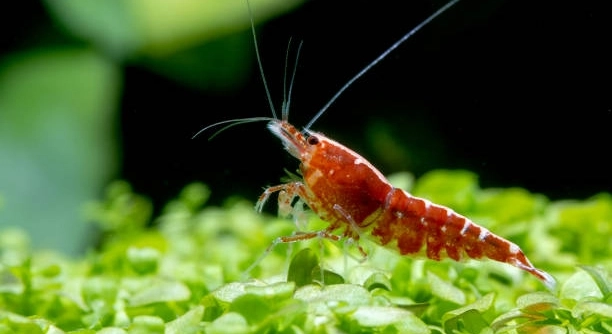
Shrimp are fascinating creatures, often moving in coordinated groups that seem almost choreographed. Their social behavior plays an important role in survival, feeding, and protection. Observing these patterns can reveal much about their natural instincts.
Shrimp exhibit grouping instincts primarily for safety, efficient foraging, and environmental adaptation. These behaviors reduce predation risk, enhance food acquisition, and allow shrimps to respond collectively to changes in their surroundings, demonstrating a complex social structure despite their small size.
Learning about these behaviors offers insights into shrimp ecology and how they interact within their habitats. Understanding their instincts helps explain why they gather and move the way they do.
How Shrimp Form Groups
Shrimp tend to cluster together in small or large groups depending on the environment. These formations are not random; they are influenced by food availability, water currents, and the presence of predators. Staying in groups offers protection, as predators are less likely to target an individual when many are present. Grouping also helps shrimp find food more efficiently. When they move together, they can detect changes in their surroundings faster. Social interactions within these clusters are subtle but important. Shrimps communicate through body movements and chemical signals. Juveniles often stay close to adults to learn feeding and defensive behaviors. This instinct to gather is present across many shrimp species, though the size and structure of the group can vary. Observing shrimp in an aquarium or natural setting shows that they rarely stray far from the group, highlighting the strength of their social instincts.
Grouping reduces risk and improves feeding efficiency, showing that shrimp rely on collective behavior for survival.
Shrimp clusters are dynamic, with members shifting positions while maintaining overall cohesion. Some lead movements while others follow. The group adapts continuously to obstacles and threats. Environmental factors like temperature and water quality also influence how tightly shrimp stay together. Even small changes can cause the group to split or reform. These instincts ensure survival and efficiency, demonstrating a balance between individual action and collective benefit. Watching shrimp interact in real time reveals a pattern of cooperation and responsiveness that seems surprisingly advanced for small aquatic creatures.
Benefits of Grouping Instincts
Shrimp groups enhance protection and resource sharing, allowing individuals to survive in competitive environments.
Group living provides multiple advantages beyond safety. When shrimp forage collectively, they can locate food sources faster than alone. They also benefit from shared vigilance, as multiple eyes and senses detect predators early. Grouping reduces energy expenditure because shrimp can align movements with neighbors, conserving effort against currents. In reproduction, being in groups increases mating opportunities and genetic diversity. Social behaviors also help shrimp adapt to environmental changes, such as fluctuating oxygen levels or habitat disturbances. These instincts have evolved over millions of years, optimizing survival in diverse aquatic settings. Observing how shrimp interact offers insight into their decision-making and environmental awareness. The structure of the group, from tight clusters to loose aggregations, reflects a balance between competition and cooperation, ensuring each individual gains the advantages of safety, efficiency, and opportunity within the collective.
The combination of safety, feeding, and social learning highlights why grouping instincts are essential to shrimp survival.
How Shrimp Communicate
Shrimp rely on subtle signals to interact within their groups. Movements, antennae gestures, and chemical cues help them coordinate feeding, avoid danger, and maintain group cohesion. Communication is continuous and essential for survival in both wild and captive environments.
Chemical signals allow shrimp to detect predators or food sources. When one shrimp senses a threat, it releases substances into the water that alert nearby individuals. Similarly, pheromones can indicate readiness to mate or mark territory. Body movements like flicking tails or swaying antennae also convey intentions to others. Coordination through these signals reduces risk and ensures the group responds as a unit. Even small changes in water conditions can alter how signals are interpreted, showing how finely tuned shrimp communication is.
In addition to chemical and physical signals, shrimp sometimes use vibrations in the water to share information. These subtle waves help synchronize movement when the group is feeding or escaping danger. Younger shrimp often mimic adults, learning which gestures indicate threats or food. Observing these behaviors highlights the importance of non-verbal cues in maintaining group structure and ensuring individual survival within the collective.
Grouping and Predator Avoidance
Shrimp grouping directly lowers the chance of being eaten, making it a key survival tactic.
When predators are nearby, shrimp stay close and move in unison. This makes it harder for predators to single out one shrimp, creating confusion and safety in numbers. Groups often form tighter clusters when danger is sensed. By remaining vigilant together, shrimp benefit from multiple sets of eyes and sensory organs, allowing early detection of threats. Even small shrimp can survive better when surrounded by companions who react quickly to changes. This instinctual behavior is consistent across habitats and species, showing its evolutionary importance.
The effectiveness of grouping extends beyond simple proximity. Shrimp adjust their position and movement speed to maintain cohesion. Individuals in the center of the cluster are typically safer, while those on the edges are more alert and ready to signal the group. Groups can split temporarily to escape predators, then reform once the threat passes. Some species use camouflage or blend with surroundings while staying in groups, increasing protection. This combined strategy of clustering, vigilance, and coordinated escape highlights how instinctive behaviors improve survival chances and illustrate the complexity of shrimp social systems.
Feeding in Groups
Shrimp feed more effectively when in groups. Moving together allows them to locate food quickly and reduces the time spent exposed to predators. Group feeding also helps shrimp share access to rich food sources without conflict.
Smaller shrimp benefit from following larger, more experienced individuals. Observing the group provides clues about where food is abundant. This instinctive behavior ensures that even the least experienced members can survive and grow.
Social Hierarchy
Shrimp exhibit subtle social hierarchies within their groups. Dominant individuals often lead movements and access the best feeding spots. This hierarchy minimizes conflict and organizes the group efficiently.
Environmental Influence on Grouping
Water temperature, current, and habitat structure directly affect how shrimp form groups. Changes in these factors can cause the group to tighten or disperse, influencing feeding, safety, and communication.
Reproductive Group Behavior
During mating periods, shrimp gather more densely. Clustering increases encounters between males and females, enhancing reproductive success and ensuring the continuation of the species.
FAQ
How do shrimp decide where to group?
Shrimp rely on environmental cues and social signals when forming groups. They often choose areas with abundant food, shelter, or favorable water conditions. Proximity to other shrimp also plays a key role, as individuals feel safer and more efficient when moving collectively.
Do all shrimp species form groups the same way?
No, grouping behaviors vary by species. Some shrimp form tight clusters, while others remain loosely connected. Environmental pressures, predator presence, and food distribution influence these differences. Despite variations, the instinct to stay near others is common across most shrimp species.
Can shrimp survive alone?
Shrimp can survive individually, but isolation increases risk from predators and reduces feeding efficiency. Many species thrive best in groups where they share vigilance and coordinate movement, improving chances of survival and growth.
Why do shrimp cluster when threatened?
Clustering reduces predation risk. When a predator approaches, shrimp gather tightly and move together. This creates confusion, making it difficult for predators to single out an individual. The behavior is instinctive and observed even in young shrimp.
Do shrimp communicate within groups?
Yes, shrimp communicate using chemical signals, body movements, and vibrations. These messages coordinate feeding, warn of danger, and help maintain group structure. Juveniles learn by observing adults, which strengthens their survival instincts.
How does water temperature affect grouping?
Temperature influences shrimp activity and group cohesion. In cooler water, they may cluster tightly to conserve energy, while warmer water can increase movement and dispersion. Environmental shifts impact how effectively groups maintain protection and efficiency.
Do shrimp compete within groups?
Competition exists but is subtle. Dominant individuals may access prime feeding spots or lead movement, while others follow. The social hierarchy reduces conflict by establishing roles and ensuring the group functions smoothly.
How often do shrimp change groups?
Shrimp can switch groups depending on resource availability and threats. Movement between clusters helps them find food, avoid predators, and adapt to environmental changes. Flexibility is key to their survival.
Does group size affect survival?
Yes, larger groups often have better protection and more efficient foraging. However, very large groups may face increased competition. Optimal group size balances safety, food access, and social dynamics.
How do shrimp learn from each other?
Young shrimp observe adults to learn feeding habits, predator avoidance, and communication signals. Social learning allows inexperienced individuals to benefit from the group’s collective knowledge, improving survival without trial-and-error alone.
Are shrimp social outside of feeding and safety?
Yes, shrimp interact for mating and territory marking. Group behavior ensures reproductive success and helps maintain balance within their habitat. Even subtle social interactions play a role in overall group cohesion.
Can environmental changes disrupt grouping behavior?
Significant changes, such as pollution, water flow, or habitat destruction, can force shrimp to disperse or form irregular clusters. Maintaining stable conditions is important for natural grouping instincts to function effectively.
Do all members of a shrimp group share resources equally?
Resources are not always equally shared. Dominant or more experienced individuals often access food first. However, the group’s structure generally allows most members to feed and survive, maintaining balance over time.
How quickly do shrimp respond to threats in groups?
Response is rapid. Chemical and visual cues trigger nearly instant movement. The group acts as a unit, adjusting position and fleeing collectively, which improves survival compared with solitary behavior.
Can shrimp recognize specific group members?
Shrimp likely recognize familiar individuals through chemical cues. This recognition helps maintain group cohesion, reduces conflict, and allows coordination during feeding and predator avoidance.
Does stress affect shrimp grouping?
High stress, caused by overcrowding, poor water quality, or predators, can change group behavior. Shrimp may tighten clusters, disperse, or alter feeding patterns in response to stressors. Monitoring their environment is essential for stability.
Do shrimp have leaders in their groups?
Certain shrimp may take the lead in movement or feeding, usually more experienced or dominant individuals. Leadership is flexible and can shift depending on the situation, ensuring group efficiency and safety.
Is grouping instinct present from birth?
Yes, many shrimp show grouping tendencies early in life. Even juveniles stay close to others, learning behaviors that improve survival. Instinctive clustering is critical during vulnerable early stages.
How do shrimp adapt grouping in captivity?
In tanks or controlled environments, shrimp often adjust group size and spacing based on available space, food, and water flow. Observing their interactions helps maintain natural behavior and reduce stress.
Do shrimp ever act independently within groups?
While group cohesion is important, individual shrimp sometimes explore or forage alone briefly. These independent actions are balanced by returning to the group for safety and communication.
How do predators influence shrimp grouping?
Predator presence directly affects group tightness and movement. Frequent threats lead to denser clusters, more synchronized movement, and heightened vigilance, demonstrating the adaptive nature of grouping instincts.
Are there differences in grouping between males and females?
Males and females may occupy slightly different positions within groups, particularly during mating periods. Females often stay near feeding areas, while males may patrol or lead movement to locate mates.
Do shrimp adjust grouping based on food type?
Yes, food distribution and type affect how closely shrimp cluster. Abundant, easily accessed food may allow looser grouping, while limited or scattered food encourages tighter coordination to ensure access.
How long can shrimp maintain stable groups?
Stability depends on environment and resources. In favorable conditions, groups can remain intact for weeks. Changes in water quality, predation, or food availability can prompt reorganization or dispersal.
Can observing shrimp groups reveal their health?
Yes, irregular clustering, erratic movement, or lack of coordination often signals stress, illness, or poor water conditions. Consistent group behavior is a good indicator of healthy shrimp and a balanced habitat.
Do shrimp communicate about reproduction within groups?
Yes, chemical and tactile signals indicate readiness to mate. Group clustering during reproductive periods ensures encounters between males and females, supporting successful fertilization and species continuation.
How do shrimp maintain group coordination?
Coordination relies on constant feedback through chemical cues, movements, and vibrations. Each individual reacts to neighbors, keeping the group aligned. This dynamic system balances safety, feeding efficiency, and social structure in changing conditions.
Do shrimp in captivity behave differently than in the wild?
Captive shrimp may form smaller or more loosely connected groups due to limited space or fewer environmental stimuli. However, instinctive behaviors like clustering, communication, and coordinated movement generally remain intact, showing the resilience of their grouping instincts.
How does age affect grouping behavior?
Older, experienced shrimp often lead or occupy central positions, while younger individuals follow and learn. Age influences access to resources, risk-taking, and social roles within the group.
Are shrimp territorial within groups?
While generally social, some species display mild territorial behaviors, such as defending feeding spots or resting areas. Territorial tendencies are moderated by the benefits of remaining in the group, balancing cooperation and individual needs.
Can shrimp group behavior influence other species?
Yes, their movements and clustering can affect nearby fish, crabs, or smaller invertebrates. Predators may target shrimp clusters, while prey may exploit gaps or follow their movements for food opportunities.
Do environmental chemicals interfere with shrimp communication?
Pollutants or unnatural chemicals in water can disrupt chemical signaling, affecting coordination, predator awareness, and reproductive behaviors. Maintaining clean water is essential to preserve natural grouping instincts.
How quickly do groups reform after disruption?
Shrimp groups can reform within minutes to hours after disruption. Individuals actively seek others and reestablish cohesion, demonstrating the instinctive drive to remain in groups for survival and efficiency.
Is group size fixed or flexible?
Group size is flexible, influenced by food, habitat, and threats. Shrimp can merge with nearby clusters or split into smaller groups to adapt to changing conditions. This adaptability is central to their survival strategy.
Do shrimp rest while in groups?
Yes, shrimp rest within clusters, often staying close to neighbors for protection. Grouping during rest periods reduces vulnerability while allowing individuals to conserve energy for feeding and movement.
How does light influence grouping?
Light levels affect activity and positioning. Shrimp may cluster in shaded areas or at specific depths during bright conditions, adjusting their group formation to balance feeding, protection, and comfort.
Are there differences in grouping between freshwater and saltwater shrimp?
Yes, environmental factors shape behavior. Freshwater species often form smaller, tighter clusters due to limited space, while saltwater shrimp may form larger, more dispersed groups. Despite differences, the core instinct to stay together remains strong.
Do shrimp remember past group interactions?
Shrimp likely retain short-term recognition of familiar individuals, helping reduce conflict and maintain cohesion. Repeated positive interactions reinforce group stability and coordinated behavior over time.
Can shrimp recognize threats individually or only collectively?
Both. Individual shrimp detect danger through sensory cues, but group coordination amplifies responses. Early detection by one triggers a chain reaction, improving survival for the entire cluster.
How does water current affect group formation?
Currents influence spacing and cohesion. Strong flows may force tighter clusters to conserve energy, while calm conditions allow looser arrangements. Shrimp continuously adjust positions to maintain stability and efficiency.
Do shrimp adapt grouping based on time of day?
Yes, activity patterns vary. Many shrimp are more active during low light, forming loose foraging groups, while resting or hiding in tighter clusters during daylight to avoid predators.
Can disease spread faster in groups?
Group living can facilitate transmission of pathogens. Dense clusters increase contact, so monitoring health and water quality is important to prevent outbreaks. Despite this risk, the benefits of grouping usually outweigh potential disease concerns.
Do shrimp in aquariums need specific group sizes?
Maintaining appropriate group size ensures natural behavior. Too few shrimp may feel insecure, while overcrowding increases stress and competition. Observing their interactions helps determine the ideal number for healthy grouping.
How do shrimp learn to avoid predators in groups?
Young shrimp follow adults, learning escape responses and how to interpret chemical or visual cues. Group experience accelerates learning and reduces reliance on trial-and-error survival methods.
Do shrimp ever fight within groups?
Minor skirmishes occur, usually over food or space, but aggression is limited. Social hierarchy and group instincts encourage cooperation over conflict, maintaining group stability.
How important is water quality for grouping?
Water quality affects activity, communication, and health. Poor conditions can disrupt signals, reduce cohesion, and increase stress. Clean, stable water ensures natural grouping behaviors remain intact and effective.
Are there seasonal changes in grouping behavior?
Some species adjust cluster size and density seasonally, responding to temperature, food availability, and reproductive cycles. Seasonal changes optimize survival and reproductive success.
Do shrimp use visual cues in grouping?
Yes, in addition to chemical and tactile signals, shrimp use visual cues to align movements, detect neighbors, and coordinate feeding. Vision complements other forms of communication.
Can shrimp predict danger within groups?
Not consciously, but instinctive responses allow the group to react quickly to environmental changes. Early signals from individuals trigger collective movement, effectively anticipating threats.
Does the size of the shrimp affect grouping?
Yes, larger shrimp often occupy central positions or lead movement, while smaller shrimp follow and learn. Size influences hierarchy, access to resources, and position within the cluster.
Are shrimp grouping behaviors innate or learned?
Grouping is largely instinctive, though juveniles refine behaviors by observing adults. Survival depends on combining instinct with social learning.
Can shrimp sense group density?
Yes, chemical and tactile cues help shrimp gauge how many individuals are nearby. Density affects feeding, movement, and protection strategies.
Do shrimp coordinate movements during migration or relocation?
Yes, when moving to new areas, shrimp align movements for efficiency and safety. Coordination reduces risk and ensures group cohesion during transitions.
Are shrimp grouping instincts similar to other aquatic species?
Many aquatic species exhibit clustering for safety and efficiency. Shrimp demonstrate a comparable balance of individual action and collective behavior, highlighting the effectiveness of social instincts in small invertebrates.
Can human activity impact shrimp grouping?
Pollution, habitat destruction, and overfishing disrupt natural groups. Altered conditions may cause dispersion, stress, and reduced survival, emphasizing the importance of conservation and habitat management.
How do shrimp respond to overcrowding in groups?
Overcrowding increases stress, competition, and aggression. Shrimp may spread out, form smaller clusters, or show irregular behavior. Proper space ensures natural grouping and reduces negative effects.
Do shrimp groups change during reproduction?
Yes, reproductive periods lead to denser clusters. Close proximity increases encounters between males and females, promoting successful mating and species continuity.
How do shrimp maintain spacing within groups?
Shrimp adjust distance based on size, current, and risk. Proper spacing allows feeding, communication, and predator avoidance while maintaining cohesion.
Can shrimp groups influence the ecosystem?
Shrimp clusters affect food distribution, predator behavior, and habitat structure. Their coordinated movements play a subtle but important role in aquatic environments, influencing other species and ecological balance.
Do shrimp ever leave groups permanently?
Permanent departure is rare. Individuals may temporarily explore or relocate, but instinct drives them to return or join another cluster for safety and efficiency.
How do shrimp adapt grouping in changing habitats?
Shrimp adjust group size, cohesion, and movement based on new conditions. Adaptability ensures survival despite environmental shifts or threats.
Does the presence of humans affect shrimp groups?
Human presence may cause temporary disruption, especially in shallow or captive environments. Groups adjust by tightening clusters or hiding, returning to normal once the disturbance passes.
Are some shrimp more social than others?
Yes, individual temperament and species characteristics affect social tendencies. Some are highly gregarious, while others prefer looser connections but still maintain basic grouping instincts.
Do shrimp show signs of stress when group behavior is disrupted?
Stress can be observed through erratic swimming, reduced feeding, or increased hiding. Maintaining stable group structure helps minimize stress and supports healthy behavior.
Can shrimp form temporary alliances within groups?
While not permanent, shrimp may align temporarily during feeding or predator evasion. These short-term associations optimize survival and efficiency without formal hierarchy changes.
How do shrimp balance individual and group needs?
Shrimp instinctively weigh safety, feeding, and reproduction. Individuals follow group cues while occasionally acting independently, ensuring both personal survival and collective benefit.
Does food scarcity change grouping behavior?
Yes, limited resources lead to tighter clusters around food or temporary dispersal to locate alternatives. Group behavior adapts to ensure survival and efficiency.
Are grouping instincts stronger in younger shrimp?
Young shrimp rely heavily on groups for protection and learning. Instincts are strong early in life, gradually complemented by experience and social learning.
How do shrimp respond to chemical signals from other groups?
Chemical signals from neighboring groups may cause avoidance, merging, or territorial adjustment. Shrimp interpret these cues to maintain safety and optimize feeding opportunities.
Can shrimp remember dangerous locations?
Shrimp have limited memory, but repeated exposure to threats teaches individuals to avoid specific areas. Groups collectively reinforce these learned responses, enhancing survival.
Do shrimp adjust group behavior based on predator type?
Yes, predation pressure affects cluster tightness, movement speed, and escape strategies. Different predators elicit tailored group responses for maximum protection.
How quickly can shrimp reform leadership in groups?
Leadership shifts almost immediately if dominant individuals are removed or new situations arise. The group dynamically adapts to maintain coordination and survival efficiency.
Are shrimp more active in groups than alone?
Activity is generally higher in groups due to competition, communication, and social cues. Collective energy supports foraging, vigilance, and coordinated movement more effectively than solitary behavior.
Do shrimp recognize their own reflection in captivity?
Shrimp respond to reflections as potential individuals, adjusting movements and clustering behavior. While not true recognition, this demonstrates sensitivity to visual cues in group dynamics.
How do shrimp coordinate group feeding in tight spaces?
They rely on chemical and tactile signals to prevent conflict. Movements are synchronized, allowing multiple shrimp to access food efficiently without overcrowding or aggression.
Can shrimp anticipate food availability through group cues?
Yes, observing neighbor behavior provides early information on food location. Individuals follow signals from others to optimize foraging success.
Does group cohesion change with age or maturity?
Mature shrimp often occupy central or leading positions, while younger shrimp follow. Age influences social role, resource access, and movement within the cluster, maintaining balanced group function.
Are shrimp affected by artificial lighting in captivity?
Light impacts activity and group spacing. Adjustments in cluster density occur to balance feeding, rest, and safety. Maintaining natural light cycles supports normal behavior.
How do shrimp respond when the group is split by obstacles?
They quickly regroup once obstacles are bypassed. Chemical, visual, and tactile signals guide individuals back to the main cluster, maintaining protection and coordination.
Do shrimp show preference for certain group members?
Familiar individuals may be preferred for closer proximity, reducing conflict and enhancing coordination. Chemical recognition plays a key role in these preferences.
Can shrimp detect injured or weak group members?
Yes, chemical and behavioral cues signal weakness or injury. Groups may adjust spacing or movement to accommodate or protect vulnerable members.
How long does it take shrimp to establish a new group?
Time varies by species and environment, ranging from minutes to hours. Instinct drives individuals to seek others and rebuild cohesive clusters for safety and feeding efficiency.
Do shrimp use grouping to manage environmental stress?
Tight clustering reduces exposure to currents, temperature fluctuations, and predators. Grouping serves as a natural coping mechanism under challenging conditions.
Are shrimp more coordinated at night?
Many species are more active in low light, showing looser but efficient group formations for feeding. Nighttime coordination balances safety with food acquisition.
Do shrimp exhibit playful behavior in groups?
While not playful in a human sense, interactions like chasing or antennae flicking may serve learning, exploration, or social bonding functions within the group.
Can shrimp sense overcrowding chemically?
Yes, chemical cues indicate density. Overcrowding prompts dispersion or adjusted spacing to reduce stress and maintain group efficiency.
How important is water movement for group cohesion?
Flow affects spacing, energy expenditure, and positioning. Shrimp adjust formations to maintain stability and minimize effort while moving or feeding in currents.
Do shrimp show signs of leadership during predator attacks?
Experienced or dominant individuals often lead escape movements. Quick decisions help the group react collectively, improving survival chances during sudden threats.
How do shrimp groups impact aquaculture?
Understanding grouping behavior aids tank design, feeding strategies, and stress reduction. Healthy clusters improve survival, growth, and reproduction, supporting effective management.
Do shrimp respond differently to familiar versus unfamiliar groups?
They may avoid unfamiliar clusters or interact cautiously. Recognition through chemical cues influences merging, spacing, and coordination, reducing conflict and enhancing survival.
**Can shrimp groups adapt to
Shrimp are more complex than they may appear at first glance. Their instinct to form groups is not simply about moving together but is deeply connected to survival, feeding, and reproduction. Grouping allows shrimp to reduce risk from predators, locate food more efficiently, and communicate important information to one another. Even small shrimp benefit from following larger or more experienced members, learning how to navigate their environment safely. These instincts are present from a very young age and continue throughout their lives, demonstrating how social behavior is crucial to their development and overall well-being. Observing shrimp in both natural habitats and controlled environments shows how adaptive and responsive they are, constantly adjusting their movements, spacing, and interactions based on surrounding conditions. The patterns of clustering, shifting positions, and coordinated movement highlight that shrimp rely on both individual awareness and collective behavior. Every group functions as a network where each member contributes to the safety and efficiency of the whole.
Grouping instincts also influence how shrimp interact with their environment. Water temperature, currents, habitat structure, and food availability all affect how tightly shrimp cluster and how they move together. For instance, stronger currents may force shrimp to stay closer to conserve energy, while abundant food may allow looser formations. Predator presence immediately triggers tighter clusters and synchronized movement, showing that their instinctive behaviors are finely tuned to environmental cues. In addition, chemical signals, tactile interactions, and subtle movements help maintain cohesion, warn of threats, and communicate mating readiness. Even minor changes in the surroundings can alter how shrimp organize themselves, demonstrating their sensitivity and adaptability. These behaviors are not random but reflect an evolved strategy to maximize survival and reproductive success. Understanding these patterns also helps in managing shrimp in aquaculture, ensuring that groups maintain natural behavior and avoid stress. By recognizing the importance of environmental stability and appropriate group sizes, shrimp caretakers can create conditions that support healthy, functioning social clusters.
Finally, shrimp grouping instincts reveal the balance between individual and collective needs. While each shrimp acts according to instinct, it also adjusts its behavior in response to others, creating a dynamic system where safety, feeding, and reproduction are optimized. Dominant or experienced shrimp may lead movement, while younger or smaller shrimp follow and learn. Even temporary disruptions, like splitting due to obstacles or environmental changes, are corrected quickly, showing the resilience and adaptability of the group. Social learning ensures that knowledge is passed on, allowing individuals to survive in challenging conditions. Whether in the wild or captivity, these behaviors demonstrate that shrimp are not solitary creatures but rely on collaboration and coordination to thrive. Observing their natural patterns provides insight into how instinct, communication, and environmental awareness work together, offering a fuller understanding of these small yet highly social aquatic animals.

Hello,
If you enjoy the content that we create, please consider saying a "Thank You!" by leaving a tip.
Every little bit helps us continue crafting quality advice that supports the health, happiness, and well-being of pets around the world, for pets of all shapes, sizes, and species.
We really appreciate the kindness and support that you show us!