
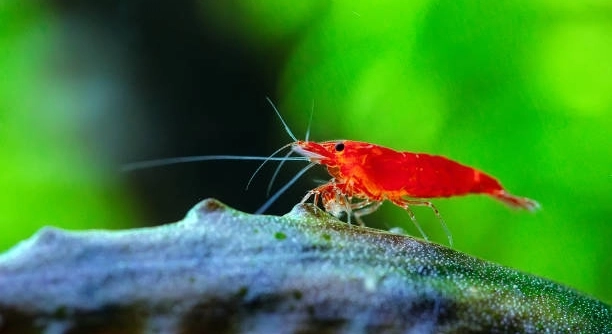
Do you ever notice your cherry shrimp moving quickly whenever new fish are added to the tank? Observing their behavior can reveal surprising details about how they respond to changes in their environment.
Cherry shrimp generally show caution around brightly colored fish. Their natural instinct is to avoid potential threats, which can result in hiding or reduced activity. This behavior helps them survive and maintain safety in mixed-species aquariums.
Understanding their reactions can improve tank harmony and help you create a safer, more comfortable environment for all your aquatic pets.
How Cherry Shrimp See Their Tankmates
Cherry shrimp rely heavily on their vision and instinct to navigate their surroundings. Bright colors can startle them because they associate vivid hues with potential predators. Even fish that are completely harmless may trigger a hiding response when they swim too close. Observing your tank, you might notice that shrimp retreat to plants, rocks, or decorations whenever new, colorful fish are introduced. Over time, they may become accustomed to their tankmates, but initial reactions can be sudden and pronounced. Providing plenty of hiding spots, like moss, caves, and dense plants, helps shrimp feel secure. Their movement patterns may also change temporarily, with less active swimming and more cautious foraging. Tank layout plays an important role in reducing stress. Open areas without shelter can make shrimp feel exposed. Feeding schedules and water changes can also influence how comfortable shrimp are around bright fish. Patience is key when monitoring these interactions.
Shrimp instinctively avoid bright fish to protect themselves. Stress can reduce feeding and activity.
Regular observation allows you to notice small signs of stress and adjust tank conditions accordingly. Shrimp adapt gradually, improving tank harmony.
Tank Setup Tips to Reduce Stress
Keeping hiding spots plentiful is essential for shy shrimp.
Dense plants, rocks, and small caves give shrimp areas to retreat from bright fish. Positioning decorations in multiple layers allows them to feel safe while exploring. Avoid overcrowding, as limited space increases stress levels. Soft lighting can reduce sudden reactions, helping shrimp feel less threatened. Water parameters should be stable, including temperature, pH, and hardness, as fluctuations can worsen stress. Feeding in different tank areas encourages shrimp to venture out without confronting fish directly. Watching interactions regularly helps identify which fish may cause prolonged stress. Over time, shrimp often become more confident, exploring open spaces and foraging more freely. Tank harmony improves when both shrimp and fish have distinct areas that suit their behavior. Small adjustments in layout, lighting, and feeding can make a noticeable difference in shrimp comfort, ensuring they remain active, healthy, and less reactive to colorful tankmates.
Recognizing Stress Signs in Cherry Shrimp
Shrimp often hide more than usual when stressed by brightly colored fish. Reduced movement, refusal to eat, and clinging to decorations are common signs. Observing their behavior carefully helps identify stress early, allowing adjustments in tank conditions to support their well-being.
Shrimp may show subtle changes before obvious stress appears. Slightly slower movements or hesitation when exploring can indicate discomfort. Some shrimp might retreat immediately when fish swim nearby, while others only hide occasionally. Stress can also affect molting, making shrimp more vulnerable during these times. Monitoring their feeding habits is crucial, as stressed shrimp often skip meals or eat less. Providing extra hiding places and stable water conditions reduces stress, helping shrimp regain normal behavior gradually. Patience and observation are essential for maintaining a balanced aquarium.
Behavioral changes in shrimp are often temporary if addressed quickly. Adding plants, driftwood, and moss mats encourages exploration and gives shrimp safe zones. Bright fish may gradually be accepted once shrimp feel secure, especially with consistent feeding and calm water conditions. Avoid sudden tank rearrangements or introducing multiple new fish at once, as this can heighten anxiety. Over time, shrimp often regain confidence, venturing out more frequently and resuming normal foraging routines. Maintaining a predictable environment helps them feel safe and reduces long-term stress, fostering a more harmonious aquarium.
Choosing Compatible Tankmates
Selecting peaceful fish is key when keeping cherry shrimp. Aggressive or highly active fish increase stress and reduce shrimp activity.
Ideal tankmates are small, calm species that do not view shrimp as food. Species such as small rasboras, tetras, and snails are generally safe. Avoid large or predatory fish that may chase or eat shrimp. The number of fish matters too; overcrowded tanks increase stress and competition for resources. Observing interactions before introducing new fish helps prevent problems. Creating a layout with multiple hiding spots ensures shrimp have space to escape. Choosing compatible species allows both shrimp and fish to coexist peacefully, reducing stress and promoting healthy behavior.
Introducing new tankmates should be gradual, with careful observation to gauge shrimp reactions. Slowly acclimating fish reduces sudden changes that may alarm shrimp. Spacing feeding areas helps shrimp avoid direct competition with fish. Adjusting water flow and lighting can make shrimp feel safer, as strong currents or overly bright lights may exacerbate fear. Regular monitoring during the first days allows you to intervene if stress appears. Over time, shrimp adapt to compatible fish, exploring more freely while maintaining access to safe hiding zones. Consistent care ensures both shrimp and tankmates thrive together.
Feeding Strategies for Shy Shrimp
Feeding shrimp in multiple locations helps them avoid bright fish. Small portions spread across the tank reduce competition and stress, allowing shy shrimp to eat safely.
Timing feedings when fish are less active gives shrimp more freedom. Observing their eating habits ensures they get enough nutrition without confrontation.
Using Plants to Create Safe Zones
Dense plants, moss, and floating vegetation provide shelter for cherry shrimp. These natural barriers give them areas to hide and feel secure, reducing stress from active or brightly colored fish. Proper placement of plants allows shrimp to explore safely while maintaining access to food.
Water Parameters and Comfort
Stable water temperature, pH, and hardness are critical for shrimp well-being. Sudden changes can increase stress and make them more reactive to tankmates. Maintaining consistency helps shrimp remain calm and active, even in tanks with colorful fish.
Observing Long-Term Behavior
Long-term monitoring helps track how shrimp adapt. Gradual changes in behavior indicate improving comfort levels. Consistent observation ensures stress triggers are managed before they affect shrimp health.
FAQ
Do cherry shrimp always hide from bright fish?
Not always. Cherry shrimp have an instinct to be cautious, especially around new or active fish. Their reaction depends on the species of fish, tank setup, and availability of hiding spots. Some shrimp may explore freely once they feel safe, while others remain shy for longer periods. Over time, consistent feeding and a calm environment help them feel secure.
Can bright fish harm cherry shrimp?
Brightly colored fish are not automatically harmful, but many active or large species may stress or even eat shrimp. Small, peaceful fish like rasboras or small tetras are generally safe. Ensuring plenty of plants and hiding spaces reduces the risk of harm and helps shrimp stay confident.
How can I reduce stress for my shrimp?
Stress can be reduced by creating safe zones with plants, moss, and decorations. Feeding in multiple areas and keeping water parameters stable also helps. Avoid sudden changes, such as introducing many new fish at once or rearranging the tank drastically, which can heighten anxiety.
Do shrimp react differently to different colors?
Yes, shrimp are sensitive to bright and contrasting colors because these may signal predators. Reds, oranges, and yellows often catch their attention more quickly than muted colors. Over time, shrimp can become accustomed to fish colors, especially if they feel secure and have hiding spaces.
How long does it take for shrimp to adapt?
Adaptation varies. Some shrimp begin exploring within a few days, while others may take weeks. Factors include tank size, density of decorations, fish activity, and individual shrimp temperament. Patience is essential; forcing shrimp out of hiding can increase stress. Monitoring their behavior helps gauge progress.
Will hiding affect shrimp health?
Excessive hiding can reduce feeding opportunities, which may impact growth and molting. Providing multiple feeding points encourages shy shrimp to eat safely. Regular observation ensures all shrimp receive enough food and maintain normal behavior.
Are certain fish better for community tanks with shrimp?
Yes, small, peaceful fish like ember tetras, neon tetras, and small rasboras coexist well with cherry shrimp. Avoid larger, aggressive species or those known to eat invertebrates. Gradual introductions and careful monitoring help maintain a calm tank environment.
Can tank layout influence shrimp behavior?
Absolutely. A well-planted tank with layers of hiding spots allows shrimp to move freely while feeling safe. Open areas without cover may increase stress and reduce activity. Arranging plants, rocks, and driftwood in multiple layers creates a secure, natural environment.
Do shrimp get used to fish over time?
Yes, shrimp often adapt if they feel safe and have consistent conditions. Gradual exposure to fish and reliable feeding schedules reduce stress. Some shrimp may eventually explore the tank openly, while more cautious individuals may remain partially hidden. Patience is key.
How do I know if my shrimp are stressed?
Signs include prolonged hiding, reduced activity, slower movement, refusal to eat, and delayed molting. Observing shrimp daily helps identify stress early. Addressing stress with hiding spaces, stable water conditions, and compatible tankmates supports long-term health and comfort.
Can I prevent stress completely?
While complete prevention isn’t guaranteed, careful planning minimizes stress. Choose compatible fish, provide ample hiding spots, maintain stable water parameters, and monitor shrimp behavior. Gradual introductions and predictable feeding routines create a calmer tank, allowing shrimp to thrive despite bright or active fish.
How often should I check on shrimp behavior?
Daily observation is recommended, especially after adding new fish or changing the tank layout. Small changes in movement or feeding habits provide early signs of stress. Regular monitoring ensures interventions can be made quickly, keeping shrimp healthy and active in their environment.
What role does water quality play in shrimp confidence?
Water quality is crucial. Fluctuations in temperature, pH, or hardness increase stress and make shrimp more reactive to fish. Maintaining stable parameters encourages normal behavior and reduces hiding. Proper filtration, regular testing, and consistent maintenance are essential for a healthy, stress-free tank.
Can feeding methods influence shrimp interaction with fish?
Yes. Scattering food in multiple areas or feeding when fish are less active reduces competition and stress. Shrimp are more likely to venture out and feed safely. Observing their eating habits helps ensure all shrimp get enough nutrition without being intimidated by tankmates.
Are baby shrimp more sensitive to bright fish?
Yes, juveniles are often more cautious and hide more than adults. Providing dense plant cover and gentle water flow helps them stay safe while developing confidence. Over time, they become more active as they grow and adapt to their environment.
Do shrimp need constant hiding spots?
Yes, hiding spots are essential for both stress reduction and natural behavior. Even confident shrimp benefit from places to retreat, especially during molting. A variety of shelters across the tank ensures that shy and bold shrimp can coexist safely.
How do I introduce new fish without stressing shrimp?
Introduce fish slowly, ideally one at a time. Use a quarantine tank if possible and acclimate them gradually. Ensure hiding spots are available, and monitor shrimp behavior closely. Avoid sudden, large changes to tank layout or lighting during introductions.
Is it normal for shrimp to remain hidden for weeks?
It can be normal for especially timid shrimp. Individual temperament, fish activity, and tank setup affect hiding behavior. Ensuring food availability and safe zones helps shrimp remain healthy, even if they spend extended periods out of sight.
Can shrimp coexist with multiple brightly colored fish?
Yes, if the fish are peaceful, the tank has sufficient hiding spots, and water conditions are stable. Shrimp can adapt over time, though initially, they may hide more. Observation and careful management of tank dynamics are essential for long-term success.
What changes improve shrimp confidence most quickly?
Providing dense plant cover, multiple hiding areas, and stable water parameters improves confidence. Feeding strategically and introducing fish gradually also helps. Over time, these adjustments reduce stress and encourage shrimp to explore more of the tank.
How important is lighting for stressed shrimp?
Lighting affects visibility and perceived safety. Bright or direct lights can increase stress, while softer, diffused lighting encourages exploration. Plants and decorations also provide shade, helping shrimp feel secure and more willing to leave hiding spots.
Can shrimp molting be affected by stress?
Yes, stress can delay or complicate molting. Hiding excessively or avoiding food weakens shrimp, making molting more difficult. Providing safe, low-stress conditions supports healthy molting cycles and overall growth.
Do all cherry shrimp react the same way?
No, individual temperament varies. Some are naturally bolder, while others are shy. Tank conditions, fish species, and prior experiences also influence behavior. Recognizing these differences helps manage the aquarium effectively and maintain a harmonious environment.
How can I make shrimp feel safer around colorful fish?
Add plants, moss, and hiding spots, feed strategically, and keep water parameters stable. Gradual exposure to fish and a predictable environment help shrimp feel secure. Patience and consistent care allow shrimp to adjust and reduce stress over time.
Final Thoughts
Cherry shrimp are small but highly sensitive creatures. Their instincts make them cautious around anything that seems unusual or potentially threatening. Brightly colored fish often catch their attention, triggering hiding behavior or slower movement. This reaction is not a sign of poor health but a natural survival mechanism. Observing these behaviors helps you understand shrimp better and adjust the aquarium environment to support their well-being. Providing secure spaces, consistent feeding, and calm water conditions allows shrimp to feel safe while exploring their surroundings. Over time, even shy shrimp can become more confident and active, showing normal foraging and social behaviors.
Tank setup plays a significant role in shrimp comfort. Dense plants, moss, driftwood, and caves give shrimp areas to retreat when they feel threatened. These safe zones are crucial, especially in tanks with active or brightly colored fish. Open areas without cover may make shrimp feel exposed, which can increase stress and reduce feeding activity. Strategic placement of decorations and plants creates multiple layers of security, encouraging shrimp to explore at their own pace. Regular observation ensures that hiding spots are being used effectively and that shrimp have enough space to move freely while avoiding unwanted interactions with tankmates.
Managing shrimp behavior is a matter of balance and patience. Feeding in multiple locations, maintaining stable water parameters, and choosing compatible tankmates all contribute to a calmer environment. Gradual introductions of new fish or changes to the tank reduce stress and help shrimp adapt more quickly. Watching shrimp daily allows you to notice subtle changes in movement, activity, or feeding, which can indicate stress or discomfort. By creating a safe, stable, and predictable environment, you support shrimp health, confidence, and longevity. Over time, this approach ensures that shrimp and other aquarium inhabitants coexist peacefully, maintaining harmony throughout the tank.

Hello,
If you enjoy the content that we create, please consider saying a "Thank You!" by leaving a tip.
Every little bit helps us continue crafting quality advice that supports the health, happiness, and well-being of pets around the world, for pets of all shapes, sizes, and species.
We really appreciate the kindness and support that you show us!