
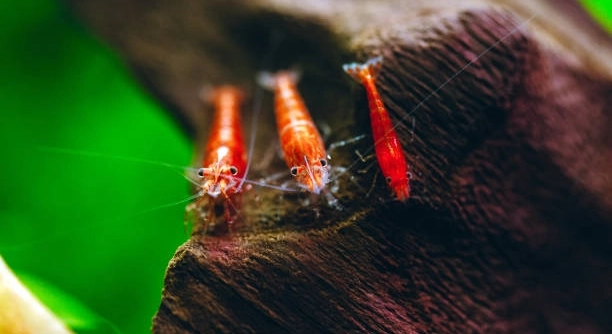
Cherry shrimp are small, vibrant creatures that bring life to freshwater aquariums. Their delicate movements and color patterns make them fascinating to watch. Providing the right environment is important for their comfort and overall well-being in captivity.
Cherry shrimp generally prefer areas with moderate to dense vegetation. Dense areas offer protection from potential threats, reduce stress, and allow natural foraging behavior. Open areas may be explored occasionally, but shrimp consistently favor cover for safety and activity.
Observing their habitat choices can reveal a lot about their behavior and preferences, helping aquarists create a more suitable and comfortable environment.
Understanding Cherry Shrimp Habitat Preferences
Cherry shrimp are naturally drawn to environments that offer both safety and feeding opportunities. Dense plant clusters, mosses, and hiding spots mimic their natural habitats, giving them a sense of security. When they feel protected, shrimp explore more actively, forage efficiently, and maintain vibrant coloration. Open areas may be used for movement or grazing, but prolonged exposure can increase stress and vulnerability. Providing a mix of dense vegetation with occasional open spaces balances safety and freedom. Substrate choice also matters; fine gravel or sand allows shrimp to forage effectively, while rocks or driftwood can provide additional shelters. Light levels influence their activity as well, with moderate lighting encouraging normal behavior. Maintaining water quality is crucial, as poor conditions can negate habitat benefits. Overall, a well-planned aquarium that considers these elements supports healthy, active shrimp and reduces signs of stress, ensuring they thrive and reproduce successfully in a confined space.
Dense areas give shrimp confidence, letting them explore and feed without constant stress from exposure.
Careful observation of their behavior reveals how much they rely on cover. Shrimp frequently retreat into plants or moss when startled, showing that dense habitats are preferred. Open areas are explored but only when shrimp feel safe. Balancing hiding spots with foraging areas encourages activity and reduces aggression. Regularly checking water parameters ensures plants and shrimp remain healthy. Introducing new decorations or plant clusters gradually helps shrimp acclimate without panic. Over time, you can notice patterns in movement, feeding, and interactions among shrimp. Dense zones support molting and reproduction by reducing exposure risk, while open areas allow swimming and grazing. Shrimp show natural instincts clearly, responding to perceived threats and comfort zones. Observing these behaviors provides insight into their needs, helping aquarists optimize both plant placement and tank layout for long-term success and a vibrant, healthy population.
Tips for Creating the Right Balance
A mix of dense and open spaces provides safety while allowing shrimp freedom to explore.
Start with moss, small plants, and hiding spots, leaving patches of open substrate for grazing. Ensure water flow is gentle, and avoid overcrowding plants. Introducing decorations gradually lets shrimp adjust, preventing stress. Regular maintenance of plants and substrate prevents buildup that could harm shrimp. Monitoring activity helps determine if adjustments are needed. Avoid sudden changes, as shrimp are sensitive to environmental shifts. Dense vegetation encourages molting and breeding, while open areas promote movement and feeding. Rotating or trimming plants maintains both safety and accessibility. Over time, shrimp become comfortable exploring without fear. Observing preferences allows you to refine tank layout to suit their behavior. A balanced setup keeps shrimp active, healthy, and visually appealing, creating a thriving aquatic environment for long-term enjoyment.
Plant Density and Shrimp Behavior
Dense plants give cherry shrimp shelter, allowing them to feel secure and explore without fear. Shrimp spend most of their time in areas with plenty of hiding spots, using open spaces only for brief movements or feeding sessions.
When plants are closely packed, shrimp show more natural behaviors, such as grazing on biofilm and molting safely. Dense vegetation reduces stress, which is essential for their health and coloration. Shrimp often retreat into thick foliage when sensing movement or changes in light. Open areas are used cautiously, mainly for short swims or foraging. By arranging plants to provide both cover and accessible spaces, aquarists can observe active, confident shrimp without forcing them into exposed positions. Shrimp behavior is strongly influenced by plant placement, showing that careful consideration of density directly affects activity and well-being in the tank.
Dense habitats also encourage breeding, as females feel secure enough to carry eggs. Shrimp that lack cover may hide excessively, eat less, or show slower growth. By balancing plant density and open substrate, aquarists create a safe yet stimulating environment. Even small decorations like rocks or wood can offer additional cover, complementing plants. Observing shrimp daily helps identify stress signs and adjust habitat accordingly. Gradual changes in layout allow shrimp to adapt without panic. Overcrowding plants can limit movement, so spacing is important. Shrimp thrive when there is a mix of dense hiding spots and accessible foraging areas.
Light and Visibility Considerations
Moderate lighting helps shrimp feel secure while allowing observation. Too bright or direct light can stress them, reducing activity.
Cherry shrimp respond to light levels by adjusting their locations in the tank. Bright light can push them into dense plants, while dim or moderate lighting encourages grazing in open areas. Visibility affects how comfortable they feel when moving, molting, or interacting with other shrimp. By controlling intensity and duration, shrimp maintain normal behavior patterns. Some aquarists use floating plants to diffuse light, creating shaded areas that shrimp favor. Light cycles that mimic natural conditions also support healthy activity, molting, and reproduction. Proper lighting is part of an overall strategy to balance safety, activity, and growth, ensuring shrimp remain active, healthy, and stress-free in their environment.
Light can highlight the beauty of shrimp while also influencing their comfort. Overly bright lights can cause hiding, molting issues, or reduced feeding. Floating or dense plants soften harsh illumination, creating natural shaded zones that shrimp prefer. Adjusting the light schedule to match day-night cycles encourages regular activity, foraging, and molting. Even with adequate cover, sudden lighting changes can startle shrimp, leading to retreat or hiding. Combining plant placement with proper light intensity ensures shrimp move freely and confidently. Aquarists can observe natural behaviors more easily when light is managed effectively. Balancing visibility and comfort is key to maintaining shrimp health and encouraging active, visible movement throughout the tank.
Substrate Choices
Fine gravel or sand provides an ideal surface for cherry shrimp to forage. It allows them to graze on biofilm and detritus efficiently without risking injury.
Substrate color can influence shrimp comfort and visibility. Darker substrates often make shrimp feel more secure, while lighter substrates can highlight their colors but may increase stress if dense cover is lacking.
Hiding Spots and Molting
Providing moss, caves, and plant clusters gives shrimp safe areas to molt. These spaces reduce stress and prevent vulnerability to tank mates or environmental disturbances. Molting is a critical process, and access to cover directly affects shrimp survival and healthy growth rates.
Open Areas
Open spaces allow shrimp to move freely and forage. Without some clear areas, they may become too confined, limiting activity and exploration.
FAQ
How much plant density is ideal for cherry shrimp?
Cherry shrimp thrive in environments with moderate to dense plant coverage. Dense areas provide shelter, reducing stress and encouraging natural behaviors such as grazing and molting. A mix of tightly packed plants with some open substrate works best. Overcrowding plants can limit movement, while too few hiding spots may cause stress. Observing shrimp behavior helps determine if adjustments are needed. Gradually adding plants or moss allows shrimp to adapt without panic. Small caves or driftwood can complement vegetation, providing additional security. Balancing plant density ensures shrimp remain active, healthy, and comfortable throughout the tank.
Do cherry shrimp avoid open areas completely?
Cherry shrimp do not completely avoid open spaces, but they use them cautiously. Open areas are primarily for short swims or foraging. Dense vegetation is preferred for hiding, molting, and breeding. Open areas provide visibility and allow shrimp to access food, but they return to cover quickly when sensing movement or light changes. Observing their movement patterns can reveal their comfort level. Providing a combination of open and dense spaces ensures shrimp can explore safely while minimizing stress. Gradual exposure to open zones encourages confident activity without compromising their natural instincts.
How does lighting affect cherry shrimp behavior?
Light intensity directly impacts shrimp comfort and activity. Bright, direct lighting can cause stress, leading shrimp to hide in dense vegetation. Moderate or diffused lighting encourages foraging and normal movement. Floating plants or shaded areas help soften harsh light, creating preferred zones. Light schedules that mimic natural day-night cycles promote consistent activity, molting, and feeding behaviors. Sudden changes in lighting can startle shrimp, while gradual adjustments help them acclimate. Proper light management, combined with plant placement, ensures shrimp feel secure, allowing observation of natural behaviors without disruption or stress.
Can shrimp survive without dense vegetation?
Shrimp can survive in tanks with minimal cover, but their activity, health, and reproduction may be compromised. Lack of dense vegetation increases stress and vulnerability during molting. Shrimp are more likely to hide excessively or eat less. Including moss, plants, or caves encourages natural behaviors and supports long-term survival. A combination of cover and open areas allows movement and foraging while maintaining security. Gradually introducing dense vegetation improves shrimp comfort and reduces stress without shocking them. Observation of daily behaviors can guide adjustments to habitat density for optimal health and activity.
What role do hiding spots play during molting?
Hiding spots are essential for successful molting. During this process, shrimp are soft and vulnerable. Without secure areas, they may be at risk from tank mates or environmental stressors. Dense plant clusters, moss, or small caves allow shrimp to molt safely. Providing multiple hiding zones ensures that all shrimp have access to shelter when needed. Even in tanks with open areas for foraging, secure spaces must be available. Regular observation can confirm if shrimp are using these areas effectively. Properly placed cover improves survival rates, growth, and overall well-being in both juvenile and adult shrimp.
How can substrate impact shrimp comfort and foraging?
Substrate type affects shrimp grazing, activity, and stress levels. Fine gravel or sand is ideal, as it allows for easy movement and access to biofilm and detritus. Darker substrates make shrimp feel safer and highlight their colors, while light substrates may increase visibility but also stress. Open areas with clear substrate give shrimp space to forage and swim, but dense cover nearby ensures security. Combining safe substrate with plant density balances exploration and protection. Gradual adjustments to substrate or layout help shrimp adapt naturally, promoting feeding, growth, and stress-free behavior.
Is it necessary to combine dense plants and open areas in one tank?
Yes, a balanced tank with both dense and open spaces supports shrimp health. Dense areas provide shelter and molting zones, while open zones allow movement, grazing, and social interactions. Without this balance, shrimp may feel confined or exposed, which can reduce activity and growth. Observing behavior over time helps determine if adjustments are needed. Even small open patches between plant clusters improve confidence and encourage exploration. Properly combining dense and open areas ensures shrimp remain active, stress-free, and able to display natural behaviors, supporting long-term health and reproduction.
How does plant density affect breeding?
Breeding success is closely linked to plant density. Females feel safer carrying eggs in densely planted areas. Dense plants provide protection for juveniles once hatched, reducing predation risk from tank mates or environmental disturbances. Open areas alone are not sufficient for reproduction. Providing a mix of moss, small plants, and secure hiding zones supports mating, egg development, and juvenile survival. Gradual plant placement and observation allow aquarists to adjust density for optimal breeding conditions. Balanced coverage ensures adults and juveniles thrive without unnecessary stress, promoting a stable and growing shrimp population.
What are the signs that cherry shrimp are stressed by habitat layout?
Shrimp stress can be observed through hiding excessively, reduced activity, slower feeding, or poor coloration. Molting issues may occur if there are insufficient hiding spots. Overcrowded plants or excessive open space can also contribute to stress. Adjusting plant density, substrate, or lighting often alleviates these problems. Regular observation of movement patterns, feeding, and interactions provides insight into comfort levels. Gradual changes to the habitat allow shrimp to acclimate without panic. Ensuring a balance of cover and open zones helps maintain healthy behavior, activity, and overall shrimp well-being.
Can decorations replace plant density for shrimp comfort?
Decorations like caves, driftwood, or rocks can supplement plant density but should not completely replace vegetation. Plants provide both hiding spots and grazing surfaces, supporting natural behavior and molting. Decorations offer additional shelter, creating variety and security. Combining plants and decorations creates an ideal environment for activity, comfort, and reproduction. Observation ensures shrimp use both types of cover effectively. Overreliance on decorations without plants may limit foraging opportunities and reduce stress relief. Gradual integration of both elements helps maintain a balanced habitat, promoting confident, active, and healthy shrimp behavior throughout the tank.
Final Thoughts
Cherry shrimp are small but sensitive creatures that thrive in carefully arranged habitats. Providing a balanced mix of dense plants and open areas allows them to display natural behaviors while maintaining comfort and safety. Dense vegetation is essential for hiding, foraging, and molting, giving shrimp the confidence to move and feed without constant stress. At the same time, open spaces encourage swimming and exploration, preventing them from feeling too confined. Observing how shrimp interact with their surroundings helps guide adjustments to plant placement, substrate, and decorations. Over time, this observation reveals patterns in behavior, showing which areas shrimp prefer for feeding, resting, or molting. By taking note of these preferences, aquarists can refine the tank layout to better suit the shrimp’s needs, ensuring a healthy and active population. The combination of dense and open spaces is not only practical but also allows shrimp to express natural instincts, which is key to their overall well-being.
Lighting and substrate also play a crucial role in creating a comfortable environment. Moderate lighting encourages normal activity, while overly bright or harsh lights can increase stress and reduce movement. Floating plants, moss, and strategically placed decorations help diffuse light, creating shaded areas that shrimp naturally favor. Substrate should be soft and fine, such as sand or small gravel, allowing shrimp to forage for biofilm and detritus easily. Darker substrates can help shrimp feel secure, while lighter ones may make them more visible but less comfortable if cover is lacking. By carefully selecting substrate and managing light intensity, aquarists can create an environment that balances safety and visibility. Attention to these details supports shrimp health, encouraging proper molting, growth, and reproduction. When combined with thoughtful plant placement and hiding spots, the tank becomes a stable, stress-free space where shrimp can thrive and display vibrant colors.
Consistency and careful observation are key to long-term success with cherry shrimp. Sudden changes in plant arrangement, lighting, or water conditions can startle or stress them, so gradual adjustments are important. Monitoring shrimp behavior provides insight into their comfort and habitat preferences. Signs of stress include excessive hiding, reduced feeding, slow movement, or irregular molting. When these issues appear, reviewing plant density, substrate, and light levels can help correct problems. Providing multiple hiding spots, balanced open areas, and a safe foraging substrate ensures shrimp remain confident and active. Over time, a well-structured environment promotes healthy behavior, successful breeding, and an overall thriving shrimp population. Careful planning, attention to detail, and observation create a habitat that meets both the practical needs and natural instincts of cherry shrimp, allowing them to flourish in a home aquarium.

Hello,
If you enjoy the content that we create, please consider saying a "Thank You!" by leaving a tip.
Every little bit helps us continue crafting quality advice that supports the health, happiness, and well-being of pets around the world, for pets of all shapes, sizes, and species.
We really appreciate the kindness and support that you show us!