
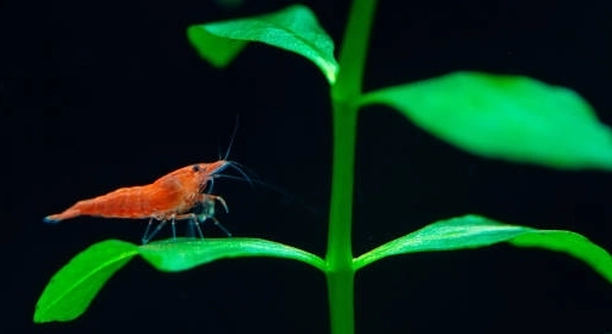
Have you ever noticed your cherry shrimp moving around in your aquarium and wondered if they have a favorite spot? Many shrimp owners find themselves observing these tiny creatures, curious about their daily habits and comfort zones.
Cherry shrimp generally do not show a strict preference for a specific water depth. They are flexible in their swimming patterns and often explore the entire tank, focusing more on food availability, shelter, and water quality than on depth alone.
Understanding these behaviors can improve how you set up your aquarium and care for your shrimp over time. Proper observation helps ensure a healthier and more active shrimp community.
How Water Depth Affects Cherry Shrimp Behavior
Cherry shrimp are small but active creatures, and their behavior can change slightly depending on water depth. In shallower areas, they often feel safer because predators cannot approach from above. These areas also warm up faster, which can encourage movement and feeding. In deeper sections, shrimp may explore more cautiously. They often use plants, rocks, or decorations as hiding spots. Depth changes can influence how frequently they move and where they spend their time. Observing your shrimp over several days helps identify patterns. Some shrimp may prefer mid-level areas where food naturally settles, while others stick to corners with dense vegetation. Lighting, current, and tank temperature also interact with depth to guide shrimp behavior. Although depth alone does not strictly dictate activity, it contributes to their overall comfort and feeding efficiency, making it a factor worth considering when designing your aquarium.
Water depth influences shrimp movement but does not strongly restrict their exploration. They adapt well across various levels.
Providing a variety of depths encourages natural behaviors. Shrimp will use shallow zones for quick food grabs, mid-level areas for social interaction, and deeper sections for retreat and rest. Adding plants or hiding spots at different levels creates a safer, more stimulating environment. Observing how they move between depths can indicate overall tank health and highlight areas needing adjustments.
Tips for Adjusting Aquarium Depths
Adjusting tank water levels can change shrimp activity and comfort. Small changes can encourage more natural movement patterns.
When setting water depth, balance shallow and deeper areas to suit shrimp preferences. Shallow zones allow easy access to food and warmth, while deeper sections provide protection and stable conditions. Adding driftwood, stones, or dense plants can help shrimp feel secure in every section. Avoid sudden depth changes, as they may stress the shrimp. Monitor how shrimp respond to adjustments and ensure filtration and water circulation reach all levels evenly. Maintaining consistent water quality, regardless of depth, is crucial. Over time, small depth modifications can improve feeding efficiency, reduce stress, and increase overall activity. Paying attention to where shrimp spend most of their time allows for further fine-tuning of the environment, creating a tank that supports both health and natural behavior.
Ideal Tank Setup for Cherry Shrimp
Cherry shrimp thrive in tanks with varied depth and plenty of hiding spots. Plants, moss, and small decorations give them areas to explore and rest. Maintaining stable water conditions at all levels is key to their health and activity.
Providing a mix of shallow and deeper zones allows shrimp to choose where they feel safest. Shallow areas encourage feeding and social interaction, while deeper areas provide retreat and shelter. Live plants help maintain water quality and offer surfaces for grazing. Decorations like small caves or stones enhance security, giving shrimp confidence to move freely throughout the tank. Monitoring their behavior can reveal which areas they prefer, helping you optimize the layout. Balanced lighting, gentle water flow, and consistent temperature across depths ensure that all parts of the tank remain suitable. This setup supports both activity and well-being, helping shrimp feel comfortable and encouraging natural behavior patterns.
Consistent care and attention to tank structure make a noticeable difference in shrimp health. Observing their preferred zones informs future adjustments and improves overall tank harmony.
Feeding Considerations at Different Depths
Food tends to settle at varying depths depending on density and water movement. Shallow areas see faster consumption, while deeper zones may require more targeted feeding strategies.
Cherry shrimp often forage near the bottom and mid-level areas where food naturally accumulates. Floating foods might reach upper levels, but sinking pellets and biofilm attract them to lower sections. Observing how they access food can guide placement to reduce waste and ensure even feeding. Feeding in multiple areas encourages shrimp to explore different depths, promoting exercise and natural behavior. Rotating food types and locations keeps shrimp active, preventing them from staying only in one section of the tank. Monitoring leftovers and adjusting feeding frequency helps maintain water quality while supporting shrimp nutrition and vitality.
Light and Depth Preferences
Cherry shrimp tend to avoid overly bright areas, often staying in shaded or plant-covered sections. Gentle lighting helps them feel secure and encourages natural activity throughout the tank.
Providing spots with varying light intensity allows shrimp to choose comfortable areas. Floating plants or moss mats can create shaded zones while letting some light through.
Water Quality Across Depths
Water quality can vary slightly with depth, affecting shrimp health. Oxygen levels, temperature, and cleanliness need monitoring at all levels to maintain a stable environment. Uneven conditions can lead to stress and reduced activity, so circulation and filtration should reach every part of the tank.
Observing Natural Behavior
Cherry shrimp explore, graze, and rest at different depths depending on comfort and resource availability. Regular observation helps identify preferred zones and adjust tank conditions accordingly.
FAQ
Do cherry shrimp prefer shallow or deep water?
Cherry shrimp do not have a strict preference for shallow or deep water. They often move freely across the tank, exploring different depths. Their choice is guided more by safety, available food, and places to hide rather than depth alone. Observing them over time shows patterns but no fixed rule. Shallow areas may be used more frequently for quick feeding, while deeper sections often serve as resting or retreat zones. Plants, rocks, and decorations provide security at any depth, helping shrimp feel comfortable throughout the tank.
How does water flow affect cherry shrimp at different depths?
Water flow can influence where shrimp spend their time. Strong currents in shallow areas may push them toward mid-level or sheltered zones. Gentle circulation across all depths helps distribute food and oxygen evenly. Shrimp often use low-flow zones near plants or decorations to rest or graze. Adjusting flow ensures shrimp are not stressed and encourages natural movement. Too much turbulence can lead to hiding behavior, while stagnant water may reduce oxygen, especially at lower depths. Balancing flow supports health and encourages shrimp to explore all areas of the tank.
Does temperature variation with depth matter for shrimp?
Temperature can slightly differ between shallow and deep areas, especially in larger tanks. Cherry shrimp tolerate small differences but prefer stable temperatures. Sudden shifts may stress them or reduce activity. Maintaining consistent heating and using a thermometer at multiple depths ensures uniform conditions. Shrimp in stable environments are more likely to feed actively, interact with tankmates, and show natural behaviors. Adjusting heater placement or adding plants and decorations can reduce temperature differences. Proper management of temperature across depths helps prevent stress-related health issues and keeps shrimp energetic and engaged.
What kind of decorations work best at different depths?
Decorations like moss, rocks, and small caves are effective at all levels. In shallow zones, low-profile plants and moss mats provide hiding spots without obstructing movement. Mid-level areas benefit from taller plants or driftwood, giving surfaces for grazing and exploration. Deeper sections can include caves, leaf litter, or dense moss patches to create retreat zones. Varied decoration placement encourages natural behaviors, reduces stress, and allows shrimp to choose their preferred depth. Observing their movement around these features can guide future tank adjustments for optimal comfort.
How should feeding be adjusted for depth preferences?
Food placement should consider shrimp movement patterns. Sinking pellets or biofilm attract shrimp to mid and lower levels, while floating flakes can be used in shallower areas. Feeding in multiple locations ensures all shrimp access nutrients and encourages exploration. Monitoring leftovers prevents water quality issues. Rotating food types keeps shrimp engaged and active across different depths, which supports healthy growth and natural grazing behavior. Adjusting feeding strategies over time helps maintain a balanced and thriving shrimp population.
Can lighting influence where shrimp spend their time?
Lighting plays a role in depth preference. Bright areas may be avoided, while shaded zones or areas under plants are frequented more often. Soft, diffused lighting encourages natural grazing and exploration. Floating plants or moss mats can create varying light conditions, giving shrimp choice and security. Observing how shrimp react to light levels helps optimize tank setup, supporting both activity and comfort.
Do water parameters vary significantly with depth?
Water parameters like oxygen, pH, and nutrient levels can fluctuate slightly with depth, especially in larger tanks. Consistent filtration and circulation help maintain uniform conditions. Uneven parameters can cause stress, reduced activity, or hiding behavior. Regular testing at multiple depths ensures stability, allowing shrimp to remain healthy and active. Proper water management is essential to support growth, reproduction, and overall well-being.
Is it normal for shrimp to stay in one depth for long periods?
Yes, shrimp may spend extended periods at a preferred depth if they feel safe or food is abundant. Changes in light, flow, or temperature can influence movement. Providing varied habitats encourages exploration, but occasional stationary behavior is natural. Observing shrimp over days helps distinguish normal patterns from stress-related hiding or inactivity.
How do tank size and shape impact depth preference?
Tank dimensions affect where shrimp spend time. In shallow tanks, they may explore most areas easily, while taller tanks encourage movement across multiple levels. Decorations, plants, and water flow interact with tank size to shape shrimp behavior. Proper layout ensures all depths are accessible, safe, and stimulating. Monitoring activity informs adjustments for better comfort and tank harmony.
What are signs that shrimp are uncomfortable at certain depths?
Signs include hiding excessively, staying in one corner, or reduced feeding. Rapid movement or trying to escape strong currents also indicates discomfort. Uneven temperature, lighting, or poor water quality at specific depths can cause stress. Observing these behaviors allows prompt adjustments to improve conditions, ensuring shrimp feel secure and remain active throughout the tank.
Final Thoughts
Cherry shrimp are small, delicate creatures that respond to their environment in subtle ways. While many people wonder if they have a favorite water depth, the truth is they are flexible and adaptable. Depth alone does not strongly determine where they spend most of their time. Instead, factors like food availability, shelter, light, temperature, and water flow guide their behavior. Shallow areas often provide warmth and easy access to food, which encourages active movement, while mid-level and deeper sections offer safety, stable conditions, and places to rest. By observing their daily habits, it becomes clear that shrimp choose locations based on comfort and security rather than a strict preference for shallow or deep water.
Setting up an aquarium with varying depths and features helps support natural shrimp behavior. Including plants, moss, driftwood, and small hiding spots gives them the freedom to explore and select areas that feel safe. Proper filtration and circulation ensure that oxygen and nutrients reach all levels, maintaining stable water quality. Temperature should remain consistent, even in larger tanks, to prevent stress. Lighting also plays a role; too bright an environment can make shrimp retreat, while gentle or shaded zones encourage movement and grazing. Feeding in multiple areas, using both sinking and floating foods, ensures that shrimp at different depths receive proper nutrition and remain active. All of these considerations together create a balanced, stimulating habitat that supports both health and natural behavior patterns.
Observing shrimp over time is essential for understanding their preferences and improving tank conditions. Each shrimp may behave slightly differently, with some exploring more and others staying in safe zones longer. Paying attention to where they spend time can reveal if certain areas need adjustment, such as adding plants, creating shaded spots, or adjusting water flow. This careful observation helps prevent stress, supports feeding efficiency, and ensures overall well-being. By providing an environment that balances depth, shelter, and accessibility, shrimp can thrive, showing more natural behaviors and remaining active throughout the tank. With attention to these details, caring for cherry shrimp becomes more rewarding, creating a healthy, dynamic aquarium where shrimp feel comfortable and secure at every depth.

Hello,
If you enjoy the content that we create, please consider saying a "Thank You!" by leaving a tip.
Every little bit helps us continue crafting quality advice that supports the health, happiness, and well-being of pets around the world, for pets of all shapes, sizes, and species.
We really appreciate the kindness and support that you show us!