
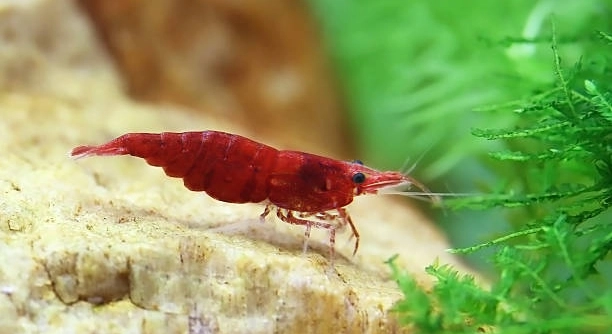
Cherry shrimp are small freshwater creatures known for their vibrant colors and delicate nature. Many aquarium enthusiasts notice their behavior can change subtly, often reflecting shifts in their surrounding water environment. Observing these tiny shrimp can be surprisingly insightful.
Cherry shrimp possess the ability to detect changes in water chemistry, responding to fluctuations in pH, ammonia, nitrites, and nitrates. Their sensory systems allow them to adjust their behavior, activity levels, and location within the tank accordingly.
Monitoring these reactions provides valuable information for maintaining a stable aquarium. Understanding how shrimp respond can help ensure their health and the overall balance of their aquatic environment.
How Cherry Shrimp Sense Water Changes
Cherry shrimp have a remarkable ability to sense subtle shifts in water chemistry. Their antennae and sensory hairs detect changes in pH, ammonia, nitrites, and nitrates. When water conditions become unfavorable, they often reduce movement or hide among plants. Observing these behaviors can provide early warning signs for potential problems in the tank. These shrimp rely heavily on a stable environment, and even minor fluctuations can trigger noticeable reactions. By watching their activity patterns closely, you can anticipate issues before they escalate.
Their response is mostly behavioral, but it directly reflects water quality.
Monitoring shrimp behavior regularly helps maintain a healthier tank. Recognizing stress signals early allows adjustments to filtration, water changes, or chemical balances, keeping the habitat safe and comfortable for all aquatic life. Consistent observation and action are key to preventing long-term harm.
Common Water Chemistry Factors
Ammonia spikes are dangerous for cherry shrimp, causing stress and reduced activity.
Ammonia, nitrite, and nitrate levels have a significant impact on shrimp health. High ammonia or nitrite levels can be toxic, while elevated nitrates create long-term stress. Even slight changes in pH can affect their molting cycles and feeding behavior. Regular testing and proper filtration help maintain stability. Water temperature and hardness also influence their sensitivity. Maintaining consistent conditions reduces stress and prevents illness, ensuring shrimp remain active and healthy. Observing their reactions to water changes can indicate which parameters need adjustment, making care more precise. Habitats with stable conditions allow them to feed, molt, and reproduce reliably. Behavior such as hiding, reduced movement, or clumping together often signals a need for water adjustments. Simple changes like partial water replacements or buffer additions can make a significant difference, helping shrimp thrive in a controlled environment while minimizing risk.
Behavioral Signs of Stress
Cherry shrimp often reduce movement or hide when stressed. Changes in swimming patterns, clumping in corners, or staying near the surface can indicate water issues.
Stress can make shrimp less active and reduce feeding. They may cling to plants or decorations, avoiding open areas. Over time, continuous stress can affect molting cycles and reproduction. Observing these signs helps identify problems early, allowing timely adjustments to water quality. Stress behaviors are subtle but consistent, offering clues about ammonia, nitrite, nitrate, or pH fluctuations. Regular observation ensures shrimp remain healthy and active.
Consistent monitoring of shrimp behavior allows for targeted interventions. Noticing small changes in activity or positioning provides insight into water chemistry shifts. Adjusting filtration, performing partial water changes, and maintaining stable conditions can reduce stress. Shrimp respond quickly to improvements, restoring natural activity, feeding patterns, and normal molting cycles. Overlooking these signals can lead to long-term health issues, so careful attention is essential for a thriving aquarium environment.
Maintaining Stable Water Conditions
Maintaining stable water conditions is critical for cherry shrimp health. Frequent testing and gentle adjustments prevent sudden shifts in chemistry.
Regular water changes, filtration maintenance, and pH balancing reduce stress. Small fluctuations can trigger hiding, inactivity, or reduced feeding. Keeping temperature consistent and avoiding rapid chemical additions helps shrimp adapt comfortably. Monitoring nitrate levels and adding plants or biofilters contributes to a balanced environment. Stability in water parameters supports natural behaviors, reproduction, and growth. Careful observation combined with preventive measures ensures the shrimp remain active and resilient.
Creating a stable habitat requires attention to detail. Even minor imbalances in ammonia, nitrite, nitrate, pH, or hardness can affect shrimp behavior. Partial water changes and gradual adjustments prevent sudden shocks. Using buffers or conditioners when needed helps maintain optimal conditions. Temperature consistency supports metabolic and molting processes. Plants and biofilters enhance natural filtration, reducing chemical buildup. Observing shrimp behavior after adjustments provides immediate feedback on the effectiveness of care strategies. With careful planning, shrimp can thrive, reproduce, and display vibrant colors while remaining active and stress-free.
Common Signs of Water Imbalance
Cherry shrimp may stop eating or move sluggishly when water chemistry is off. Sudden changes in behavior often indicate ammonia, nitrite, or pH fluctuations.
Molting issues can also appear. Shrimp may struggle to shed exoskeletons or show discoloration. Observing these changes helps identify problems early and maintain a safe tank environment.
Testing and Monitoring Water
Regular water testing is essential to detect shifts before they become harmful. Using reliable test kits for ammonia, nitrites, nitrates, and pH allows for quick corrections. Frequent checks provide insight into trends, helping maintain a stable environment and preventing stress-related behaviors in shrimp.
Adjusting Parameters Safely
Small, gradual adjustments to water chemistry are safest. Rapid changes can further stress shrimp and impact their health.
FAQ
How do I know if my cherry shrimp are stressed by water changes?
Signs of stress include reduced movement, hiding, clumping together, or staying near the surface. They may also stop eating or molt irregularly. Observing these behaviors after a water change can indicate that water chemistry has shifted too quickly or is outside their comfort range.
What water parameters should I monitor regularly?
Ammonia, nitrites, nitrates, pH, temperature, and hardness are key. Cherry shrimp are sensitive to sudden changes, so frequent testing helps prevent stress and long-term health issues. Tracking trends over time is more useful than reacting to a single reading.
How often should I test the water?
Testing at least once a week is recommended, but more frequent checks may be necessary after major water changes, adding new shrimp, or introducing plants. Consistency ensures small problems are caught early.
Can cherry shrimp survive minor water chemistry fluctuations?
They can tolerate small, gradual changes, but sudden shifts in pH, ammonia, or nitrates can cause stress. Minor fluctuations over short periods may not be fatal, but repeated exposure weakens their immune system and affects molting.
What immediate steps should I take if parameters are off?
Perform a partial water change, adjust pH gradually, and check filtration. Avoid drastic chemical additions. Monitoring shrimp behavior after adjustments ensures changes are safe and effective. Small, incremental corrections are always better than large ones.
Do shrimp show delayed reactions to poor water conditions?
Yes, some reactions may appear hours or even a day later. Reduced activity, hiding, or changes in color may show after initial exposure. Observing behavior over time is important to fully understand water impacts.
Can plants help stabilize water chemistry for cherry shrimp?
Yes, live plants absorb nitrates and provide shelter, helping buffer minor changes. They contribute to stable pH and offer hiding spaces, reducing stress and encouraging natural behavior. Choosing hardy plants ensures consistency in water conditions.
Is temperature important for detecting water chemistry stress?
Absolutely. Extreme or fluctuating temperatures amplify stress from chemical changes. Maintaining a steady temperature supports normal metabolism, feeding, and molting, making shrimp less vulnerable to minor water fluctuations.
What is the role of filtration in shrimp health?
Filtration removes toxins and debris while maintaining oxygen levels. A well-maintained filter prevents ammonia and nitrite spikes. Avoid over-cleaning, as beneficial bacteria are crucial for chemical balance and overall shrimp well-being.
Can I introduce new shrimp without affecting water stability?
Yes, but acclimation is key. Gradually adjust new shrimp to the tank’s water chemistry using drip acclimation or small water additions. Sudden introduction can stress both new and existing shrimp, triggering behavioral changes and potential health issues.
How can I tell if shrimp have recovered after a water adjustment?
Normal movement, regular feeding, molting, and bright coloration are signs of recovery. Observing shrimp over a few days helps confirm stability, as full recovery can take time depending on stress severity.
Are there long-term effects of repeated water chemistry stress?
Yes, repeated exposure can weaken immune systems, reduce reproduction, and cause molting problems. Maintaining stable water conditions prevents chronic health issues and ensures shrimp remain active and vibrant.
What tools are best for accurate water testing?
Liquid test kits are preferred for accuracy, especially for ammonia and nitrites. Digital meters can supplement pH and temperature readings. Reliable tools allow timely corrections before stress escalates.
How do I safely adjust pH for cherry shrimp?
Use buffers or natural methods like driftwood or peat moss. Adjust slowly, testing frequently. Sudden pH swings can be more harmful than a slightly off reading. Gradual changes help shrimp adapt without stress.
Can shrimp behavior predict water quality issues better than test kits?
Behavior offers immediate insight. Hiding, reduced movement, or clumping can indicate problems before test kits show alarming readings. Combining observation with regular testing provides the most reliable approach for maintaining healthy shrimp.
How does molting reflect water chemistry health?
Irregular or failed molts often signal stress from poor water conditions. Consistent molting indicates stable chemistry and adequate nutrition, while frequent molting problems suggest ammonia spikes, pH imbalance, or other environmental stressors.
What role does tank size play in water stability?
Larger volumes buffer chemical fluctuations better than small tanks, reducing stress. Small tanks can experience rapid ammonia or pH shifts, so careful monitoring and frequent maintenance are essential in compact setups.
Can sudden light or temperature changes affect water chemistry detection?
Yes, abrupt environmental changes can magnify stress, making shrimp more sensitive to minor chemical shifts. Maintaining consistent lighting schedules and temperature helps them respond naturally without added stress.
How can I create a stress-free environment for cherry shrimp?
Stable water chemistry, proper filtration, live plants, gentle acclimation, and consistent feeding create ideal conditions. Observing shrimp behavior regularly ensures they remain comfortable, active, and healthy while minimizing stress from environmental changes.
What should I do if multiple stress signs appear simultaneously?
Perform a partial water change, check all water parameters, ensure proper filtration, and observe shrimp closely. Addressing multiple issues together prevents further stress and restores stability efficiently. Quick action protects shrimp health and supports recovery.
How important is diet in relation to water stress?
A balanced diet helps shrimp maintain resilience against water stress. Poor nutrition combined with chemical imbalances worsens health outcomes, making them more susceptible to disease, molting issues, and inactivity. Proper feeding supports overall vitality.
Are cherry shrimp more sensitive during certain life stages?
Yes, juveniles and molting shrimp are particularly vulnerable. Water changes, chemical shifts, or temperature fluctuations during these stages can cause higher stress levels and impact growth or survival. Extra care ensures safe development.
Can overfeeding affect water chemistry and shrimp behavior?
Yes, leftover food decomposes and increases ammonia and nitrates. This can lead to stress, hiding, or reduced feeding. Controlling portions and removing uneaten food maintains stable water quality and prevents behavioral issues.
How long does it take for cherry shrimp to adjust to water changes?
Adjustment depends on the magnitude of the change and shrimp sensitivity. Minor shifts may require hours, while larger fluctuations can take days. Observing behavior is the best way to gauge recovery and ensure continued health.
Do cherry shrimp react differently to chemical additives?
Yes, additives like pH buffers or water conditioners can temporarily stress shrimp if applied too quickly. Gradual introduction allows shrimp to acclimate without drastic behavioral changes or health impacts.
Cherry shrimp are delicate creatures that respond strongly to their environment. Their behavior is often the first sign of changes in water chemistry, and paying attention to these signals can help maintain a healthy tank. Observing shrimp movement, hiding patterns, feeding habits, and coloration provides clear insight into how they are coping with their surroundings. Even small fluctuations in ammonia, nitrites, nitrates, or pH can create stress, so understanding the link between water quality and shrimp behavior is essential. Consistent monitoring allows for timely interventions before problems escalate, ensuring shrimp remain active, comfortable, and healthy in their habitat.
Maintaining stable water conditions is the foundation of proper care for cherry shrimp. Regular testing for key parameters such as pH, ammonia, nitrites, nitrates, and temperature is critical. Gradual adjustments, when necessary, help prevent sudden shocks that could negatively affect their behavior and health. Using live plants, biofilters, and controlled feeding can further stabilize the environment and reduce stress. Shrimp are particularly sensitive during molting or juvenile stages, making careful observation and preventive measures even more important. A stable tank encourages normal feeding, molting, and reproduction, supporting overall shrimp longevity and vitality. Understanding these basic principles of water chemistry management helps avoid common issues that could otherwise lead to long-term health problems.
Behavioral observation combined with proper maintenance creates the best conditions for cherry shrimp to thrive. By responding to early signs of stress, such as reduced movement or hiding, aquarium caretakers can make informed adjustments to water quality. Maintaining consistency in water parameters, temperature, and feeding routines ensures shrimp are resilient against minor environmental changes. Even small measures, like partial water changes or gentle acclimation of new shrimp, can have a significant impact on overall health. Monitoring their responses over time allows for a clear picture of what adjustments are necessary and reinforces the importance of a stable environment. Ultimately, careful attention to both water chemistry and shrimp behavior provides a safe and supportive habitat, enabling these tiny creatures to remain vibrant and active while minimizing stress.

Hello,
If you enjoy the content that we create, please consider saying a "Thank You!" by leaving a tip.
Every little bit helps us continue crafting quality advice that supports the health, happiness, and well-being of pets around the world, for pets of all shapes, sizes, and species.
We really appreciate the kindness and support that you show us!