
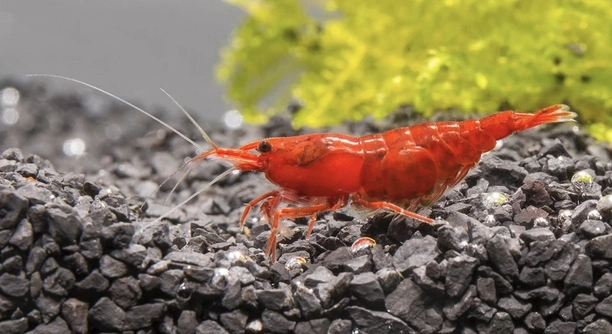
Do your freshwater shrimp suddenly hide after a routine water change? Many shrimp owners notice this behavior, which can seem puzzling and concerning. Observing their reaction carefully can help explain why they avoid the tank temporarily.
Shrimp often avoid the tank after water changes due to sudden shifts in water chemistry. Changes in temperature, pH, or mineral content create stress, prompting shrimp to seek hiding spots until conditions stabilize to a safe and comfortable level.
Understanding why shrimp react this way can help you improve their habitat. Learning how to manage water changes ensures a calmer, healthier environment for your aquatic pets.
Common Stress Factors After Water Changes
Water changes are essential for maintaining a healthy shrimp tank, but they can introduce stress if not done carefully. Sudden changes in temperature, pH, or hardness may alarm shrimp, making them hide or reduce activity. Even small shifts in ammonia, nitrite, or nitrate levels can trigger avoidance behaviors. Shrimp are highly sensitive to chemical changes in their environment, and a water change that seems minor to us can feel significant to them. Handling decorations or stirring the substrate can also disturb shrimp, adding to their stress. Observing their reactions over time helps you understand what levels are safe and comfortable. Gradual adjustments and pre-treating new water to match tank parameters can reduce shock. Ensuring hiding spots like plants, moss, and rocks gives shrimp security during these adjustments, allowing them to re-emerge at their own pace. Proper preparation reduces stress and encourages healthier behavior overall in your tank.
Planning water changes carefully improves shrimp well-being and reduces sudden hiding incidents. A little preparation goes a long way.
Patience is important when observing shrimp behavior. They may take hours or even a full day to feel comfortable again, but consistent care builds trust. Gradual acclimation, monitoring water parameters, and providing secure hiding areas help shrimp recover faster. Over time, they adapt to regular water changes and remain active, allowing you to enjoy a thriving, visually engaging tank with confident, healthy shrimp.
Techniques to Minimize Avoidance
Matching water temperature is key to preventing shrimp from hiding. Slowly introducing new water reduces stress levels.
When preparing for a water change, measure temperature and pH closely. Adjust new water to match the tank’s current conditions before adding it. Avoid adding water too quickly, as rapid mixing can shock shrimp. Partial water changes are preferable to complete replacements, keeping chemical shifts minimal. Using a dechlorinator and ensuring minerals remain balanced helps maintain stability. Observing shrimp during and after the change lets you identify stress triggers and improve future water changes. Over time, shrimp become accustomed to gentle adjustments, reducing avoidance behavior. Providing adequate shelter and hiding spots enhances their sense of security. This consistent approach promotes healthier activity, feeding, and breeding patterns, contributing to a more balanced tank ecosystem. With careful water change techniques, shrimp can remain comfortable, visible, and active, making maintenance less stressful for both you and the shrimp while ensuring their long-term health and stability in the aquatic environment.
Observing Shrimp Behavior
Shrimp often show subtle signs of stress after a water change. Hiding, reduced movement, or staying near tank edges are common reactions. Noticing these behaviors helps identify when conditions may need adjustment.
Careful observation allows you to detect patterns in shrimp activity. If they consistently hide after water changes, it indicates sensitivity to water chemistry shifts or sudden environmental disturbances. Tracking behavior alongside water parameters helps determine which factors cause stress. Some shrimp may recover quickly, while others need more time. Providing hiding places and gradually acclimating them during water changes reduces stress and encourages normal activity. Documenting changes helps improve care practices.
Behavior also reflects overall health. Shrimp that avoid food or remain hidden for long periods may experience prolonged stress. Addressing water parameters, ensuring proper feeding, and maintaining stable conditions can restore their comfort. Observing interactions among tankmates is also important, as aggressive behavior can increase avoidance. Creating a predictable and safe environment minimizes stress reactions and allows shrimp to thrive. Recognizing their subtle cues fosters a more balanced and peaceful aquarium.
Water Change Best Practices
Performing small, gradual water changes helps maintain stability. Large, rapid changes increase stress and hiding behavior.
Matching new water temperature and chemistry to existing tank conditions is essential. Use a thermometer and test kits for pH, hardness, and other key parameters. Slowly add treated water to avoid shocking the shrimp. Partial water changes preserve beneficial bacteria and minimize sudden chemical shifts. Preparing water in advance and monitoring shrimp during changes ensures they remain comfortable. Avoid disturbing substrate and decorations too much, as movement can add stress. Consistent routines and careful adjustments build trust with shrimp and reduce hiding.
Maintaining a schedule with predictable water changes creates a safer environment. Shrimp adjust more easily when changes are regular and gentle, reducing long-term stress. Use siphons carefully to prevent suctioning shrimp or disturbing plants. Introducing water gradually and checking parameters after each change ensures stability. Combining careful water preparation with hiding spots and observation creates an environment where shrimp feel secure. Over time, these practices lead to healthier shrimp that are more active, visible, and comfortable in their habitat.
Hiding Spots and Shelter
Providing plenty of hiding spots reduces shrimp stress. Moss, plants, and small decorations give them safe places to retreat.
Hiding areas help shrimp feel secure after a water change. They re-emerge gradually as they sense stable conditions, allowing normal activity and feeding to resume.
Gradual Acclimation Techniques
Introducing new water slowly minimizes stress. Use a drip method or add small amounts over time to match temperature and chemical levels. Gradual acclimation prevents sudden shocks that can cause hiding, promoting a calmer environment where shrimp feel safe and comfortable.
Monitoring Water Parameters
Regular testing ensures conditions remain stable. Keeping track of temperature, pH, and hardness prevents unexpected changes that trigger avoidance behaviors.
Why do my shrimp hide immediately after a water change?
Shrimp hide after water changes primarily due to sudden environmental shifts. Even small changes in temperature, pH, or mineral content can stress them. Shrimp are highly sensitive to these factors, so hiding is a natural response. It allows them to protect themselves until the environment stabilizes.
How long will shrimp stay hidden after a water change?
The time shrimp spend hiding depends on their sensitivity and the severity of changes. Some shrimp reappear within an hour, while others may remain hidden for a full day. Providing hiding spots and stable water conditions encourages them to return to normal activity faster.
Can water temperature affect shrimp behavior?
Yes. Shrimp are very sensitive to temperature fluctuations. Adding water that is too warm or too cold can shock them. Matching new water temperature to the tank before adding it reduces stress and prevents prolonged hiding. Gradual introduction is always safer.
Do shrimp notice changes in pH?
Absolutely. Shrimp respond quickly to pH shifts, even minor ones. A sudden rise or drop can cause avoidance behavior. Testing both the existing tank water and new water before a change ensures consistency and reduces stress.
Is hiding a sign of illness or just stress?
Hiding alone usually indicates stress rather than illness, especially after water changes. However, if hiding continues for several days and is paired with lethargy, loss of appetite, or color changes, it may indicate a health problem requiring attention.
Does the type of substrate affect shrimp behavior?
Yes. Certain substrates can release chemicals or alter water hardness and pH. Stirring substrate during water changes can disturb shrimp and cause them to hide. Using stable, inert substrates and minimal disruption keeps shrimp comfortable.
Will partial water changes reduce hiding behavior?
Partial water changes are less stressful than complete replacements. Changing 10-20% at a time keeps chemical shifts minimal. Shrimp remain calmer and re-emerge more quickly compared to full water changes, which can create significant environmental shifts.
How can I help shrimp feel safe during water changes?
Providing hiding spots, like moss, plants, and small decorations, allows shrimp to retreat safely. Adding new water gradually and avoiding sudden movements helps them adjust. Over time, they learn to tolerate routine changes with less stress.
Does water hardness influence post-change behavior?
Yes. Shrimp are sensitive to sudden shifts in hardness. New water that is significantly harder or softer can cause hiding. Testing and adjusting hardness before changes ensures a stable environment and prevents stress responses.
Are all shrimp species equally sensitive to water changes?
No. Some species tolerate minor fluctuations better than others. For example, Cherry shrimp are relatively resilient, while Crystal Red shrimp are highly sensitive. Knowing your shrimp species’ tolerance helps plan water changes with minimal stress.
Can feeding impact hiding behavior?
Yes. Providing food during or shortly after a water change can encourage shrimp to leave hiding spots. However, avoid overfeeding, as leftover food can alter water quality and increase stress. Small, consistent feedings work best.
What is the best routine to minimize hiding?
A consistent water change schedule with gradual, partial replacements is ideal. Matching water temperature, pH, and hardness while providing ample hiding spots creates a stable environment. Observing shrimp during changes and adjusting as needed ensures a calmer tank overall.
Should I use a water conditioner every time?
Using a dechlorinator or water conditioner is essential. Chlorine and chloramine in tap water are harmful and can increase stress. Treating new water before adding it ensures shrimp safety and reduces hiding behavior.
Can tank mates influence hiding after water changes?
Yes. Aggressive or overly active tank mates may cause shrimp to hide more after changes. Providing hiding areas and monitoring interactions helps reduce stress and ensures shrimp feel secure while the environment adjusts.
Does lighting affect shrimp activity post-change?
Bright lights can increase stress during water changes. Dim lighting or leaving lights off for a short period allows shrimp to acclimate and feel safe. Gradually returning light levels encourages normal activity.
Is it normal for shrimp to avoid food after a water change?
Yes. Reduced feeding is a typical stress response. Shrimp often resume normal eating once they feel secure. Patience and consistent water management help restore their appetite.
How can I monitor stress levels effectively?
Track behavior, activity, feeding patterns, and color changes. Sudden hiding, sluggish movement, or loss of appetite signals stress. Regular observation, combined with consistent water parameters, helps maintain a healthy, comfortable environment for shrimp.
Does the size of the water change matter?
Yes. Larger water changes create greater shifts in water chemistry, increasing stress and hiding behavior. Smaller, controlled water changes are safer, especially for sensitive species, and maintain stability.
Are there long-term effects of repeated hiding?
Repeated stress can impact molting, growth, and reproduction. Minimizing drastic changes, providing shelter, and maintaining stable water conditions ensures shrimp remain healthy and active over time.
Can plants help reduce post-change stress?
Yes. Live plants stabilize water conditions and offer hiding spots. Moss, Java fern, and other dense plants give shrimp secure areas to retreat while acclimating to water changes, reducing prolonged hiding and promoting normal behavior.
Do decorations influence hiding patterns?
Yes. Decorations like caves, rocks, and driftwood provide immediate shelter after water changes. Strategically placing these throughout the tank helps shrimp feel secure, encourages movement, and prevents them from remaining hidden for extended periods.
Is water flow a factor in hiding behavior?
Strong currents during or after water changes can stress shrimp. Low to moderate water flow allows them to adjust comfortably. Avoid directing flow directly at hiding areas to encourage shrimp to explore safely when ready.
How often should I perform water changes to minimize stress?
Regular but partial water changes every one to two weeks maintain water quality without shocking shrimp. Consistent scheduling, combined with gradual adjustments, reduces stress and hiding behavior, promoting a healthier and more active tank environment.
Can overhandling contribute to hiding?
Yes. Stirring substrate, moving decorations, or netting shrimp can increase stress. Minimizing disturbance during water changes and providing secure areas encourages shrimp to feel safe and reduces avoidance behavior.
Are there signs that water changes are too frequent or too large?
Frequent or large changes may result in prolonged hiding, reduced feeding, and lethargy. Observing shrimp behavior alongside water parameters ensures adjustments are safe and supports long-term health. Gradual, measured changes are always preferable.
Does water age impact shrimp response?
Yes. Freshly treated water may still contain unstable elements or lack beneficial bacteria. Allowing water to settle and testing parameters before adding it reduces stress and hiding behavior, ensuring a comfortable environment.
Can shrimp adapt to regular water changes over time?
Yes. With consistent, gentle water change routines and stable tank conditions, shrimp gradually become accustomed to changes. They hide less frequently, resume normal activity faster, and remain healthier in the long term.
What role does tank size play in hiding?
Smaller tanks amplify chemical shifts from water changes, increasing stress. Larger tanks dilute changes more effectively. Understanding how tank size affects water stability helps plan safe water change practices to minimize shrimp hiding.
How can I ensure the safest water change process?
Match water temperature, pH, and hardness. Use partial changes, introduce water gradually, provide hiding spots, and observe shrimp carefully. Treat water for chlorine and chloramine, minimize disturbance, and maintain consistent routines. This approach supports shrimp comfort, reduces stress, and promotes active, healthy behavior.
Water changes are an essential part of maintaining a healthy shrimp tank, but they can cause temporary stress for shrimp. Even small shifts in temperature, pH, or hardness can trigger hiding behavior. Understanding that this reaction is natural helps shrimp owners remain patient and focused on creating a stable environment. Shrimp rely on consistent water conditions to feel secure, and sudden changes can make them retreat to hiding spots until they adjust. Providing shelter through plants, moss, and decorations gives shrimp safe spaces to cope with these adjustments. Over time, they learn to tolerate routine water changes and resume normal activity once conditions are stable.
Gradual acclimation is one of the most effective ways to reduce stress during water changes. Slowly introducing new water that matches the tank’s temperature, pH, and hardness prevents sudden shocks. Partial water changes are better than complete replacements, as they preserve beneficial bacteria and minimize chemical shifts. Observing shrimp closely during and after water changes can provide insight into how sensitive they are to specific changes. Noticing behaviors such as reduced feeding or extended hiding periods allows for adjustments in the process, whether it is slowing down the water introduction or ensuring the new water is fully conditioned. Combining these steps with secure hiding spots ensures shrimp feel safe and can return to normal activity more quickly.
Consistency in care is important for long-term shrimp health. Maintaining regular water testing routines, following a predictable water change schedule, and minimizing disturbances all contribute to a calmer environment. Tankmates, lighting, and water flow should also be considered, as each factor can influence how comfortable shrimp feel after water changes. Over time, shrimp will adapt to gentle and consistent routines, showing less avoidance and more active behavior. Understanding and anticipating their needs helps create a balanced tank that supports their overall health, feeding patterns, and reproduction. By paying attention to their subtle cues, providing a stable environment, and handling water changes carefully, shrimp can thrive and remain active, allowing for a peaceful and well-maintained aquarium.

Hello,
If you enjoy the content that we create, please consider saying a "Thank You!" by leaving a tip.
Every little bit helps us continue crafting quality advice that supports the health, happiness, and well-being of pets around the world, for pets of all shapes, sizes, and species.
We really appreciate the kindness and support that you show us!