
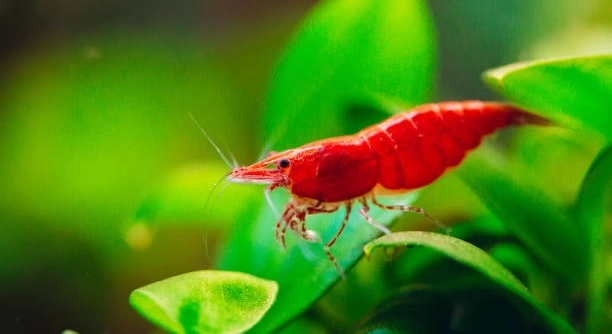
Are your shrimp acting strangely around certain tankmates, leaving you unsure why they behave that way? Observing their movements can be surprising, as even small changes in the aquarium environment can trigger unexpected reactions.
Shrimp exhibit a range of behaviors toward different tankmates due to stress, competition, and social hierarchy. These reactions can include hiding, aggression, avoidance, or increased activity, all of which are influenced by species compatibility, tank size, and environmental conditions.
Understanding these responses will help you create a balanced tank and maintain your shrimp’s well-being more effectively.
Shrimp Hiding When Tankmates Approach
Shrimp often hide when other fish or invertebrates enter their space. This behavior is natural and usually linked to fear or caution. Certain tankmates, especially larger or faster species, can intimidate shrimp, prompting them to retreat to hiding spots. Even peaceful fish may trigger this response if the shrimp feel vulnerable. Hiding helps shrimp conserve energy and avoid unnecessary stress, which is important for molting and overall health. Providing plants, rocks, and small caves allows shrimp to feel secure while observing tankmates from a safe distance. Over time, some shrimp may become more comfortable with specific tankmates, reducing hiding, but this depends on species temperament and tank setup. Observing these patterns can help adjust the environment to reduce stress, such as rearranging decorations, adding shelters, or limiting aggressive species. Noticing where shrimp prefer to hide can also inform where to place food and monitor their activity more effectively.
Shrimp hiding is a normal defense mechanism, helping them avoid stress and potential harm in shared tanks.
Providing proper shelters ensures shrimp remain active and healthy while coexisting with other species.
Shrimp Nipping or Pecking at Tankmates
Shrimp may nip or peck at other creatures, often targeting soft fins or slower-moving species. This behavior is usually more common in larger or more territorial shrimp. Although it can be alarming, it is generally a way to establish space and assert dominance. Environmental factors, such as overcrowding, insufficient food, or lack of hiding spaces, can increase nipping behavior. Even in a calm community tank, shrimp may occasionally interact aggressively if they feel their territory is threatened. Monitoring tankmate reactions is important, as constant harassment can harm smaller species. Adjusting tank setup with more plants or stones can reduce aggressive interactions. It’s also helpful to ensure each shrimp has access to adequate food and avoid overstocking, which often triggers competition. Keeping species compatibility in mind will maintain a balanced environment where shrimp and tankmates coexist with minimal conflict.
Nipping is typically mild but should be monitored to prevent harm to tankmates.
Managing space, food availability, and shelter can reduce aggression while promoting peaceful coexistence.
Shrimp Gathering in Groups
Shrimp often cluster together for safety or comfort, especially when feeling threatened by tankmates. Grouping helps them feel more secure and reduces individual stress.
When shrimp gather in groups, it is usually a response to perceived danger or a new addition in the tank. This behavior is common with timid species that rely on numbers to feel safe. It can also occur when they sense sudden movements or shadows from larger tankmates. Grouping provides protection during molting, as vulnerable shrimp can hide among peers, reducing the risk of attack. In some cases, shrimp cluster near food sources or in areas with strong current protection. Observing where and when shrimp group can reveal stress patterns or preferred hiding spots. Adjusting tank layout or adding shelters can help balance their behavior, ensuring they remain active while still feeling secure with tankmates.
Shrimp grouping is a stress-related behavior that reflects their instinct for safety and protection within a community tank.
Providing additional hiding spaces and stable conditions encourages healthier, less stressed shrimp while maintaining harmony with other species.
Shrimp Chasing Tankmates
Shrimp occasionally chase smaller or slower-moving tankmates. This is often a sign of curiosity, competition, or mild territorial behavior rather than aggression.
Chasing behavior can appear surprising, but it usually has a practical reason. Shrimp may pursue tankmates to explore new objects or areas in the tank, ensuring they have control over preferred hiding or feeding spots. Juvenile shrimp often chase each other during social interaction or while establishing hierarchy, which helps reduce conflicts later. Overcrowding or limited food can increase chasing, as shrimp compete for resources. Even peaceful tankmates may become targets if shrimp are stressed or the tank lacks structure. Monitoring chasing incidents helps identify patterns and potential environmental triggers. Adjustments like distributing food evenly or adding plants and stones can reduce chasing. Recognizing these behaviors is essential to maintaining a balanced, safe environment for all aquatic species.
Chasing is usually brief and situational, reflecting exploration, competition, or social dynamics within the shrimp community.
Providing ample space, resources, and visual barriers minimizes chasing while keeping shrimp healthy and active.
Shrimp Ignoring Tankmates
Shrimp may ignore certain tankmates completely, focusing only on food or their environment. This behavior shows comfort and lack of threat from other species.
Ignoring tankmates is common when shrimp feel safe and unbothered. They may move freely, feed without concern, or explore without interacting with other inhabitants.
Shrimp Molting Near Hiding Spots
Shrimp often choose secluded areas to molt, reducing the risk of attacks from tankmates. Hiding during this time is crucial for survival.
Molting is a vulnerable phase for shrimp, as their soft exoskeleton leaves them defenseless. Choosing sheltered areas minimizes exposure to curious or aggressive tankmates. Stress-free conditions and plenty of hiding spaces improve molting success. Observation of these patterns helps identify safe zones and informs tank layout adjustments to support healthy growth.
Shrimp Displaying Bright Colors
Shrimp sometimes intensify their colors in response to tankmates or environmental changes. Bright coloration can indicate health, readiness to mate, or territorial display.
FAQ
Why do my shrimp hide so much?
Shrimp hide primarily to feel safe. Larger or faster tankmates can intimidate them, especially during molting when they are most vulnerable. Providing plants, rocks, and small caves helps them feel secure. Hiding is normal behavior and indicates that shrimp are protecting themselves rather than being sick or stressed.
Is it normal for shrimp to nip at other tankmates?
Yes, occasional nipping is normal, especially among territorial or larger shrimp. They may nip fins or antennae to assert space or during mild competition. Overcrowding, limited food, or lack of shelters can increase this behavior. Ensuring adequate space and hiding spots reduces stress and nipping incidents.
Why do shrimp gather in groups?
Grouping is a natural safety response. Shrimp cluster together when they feel threatened, stressed, or during molting. Being in numbers makes them feel less vulnerable. Grouping can also occur near food sources or in areas with low current for comfort. Observing where they cluster helps identify stress points in the tank.
What causes shrimp to chase other tankmates?
Chasing usually reflects curiosity, competition, or mild territorial behavior. Shrimp may pursue tankmates to explore new areas, assert dominance, or compete for food. Juveniles often chase each other to establish hierarchy. Overcrowding or insufficient resources can increase chasing, which is why evenly distributed food and ample hiding spaces are helpful.
Why do some shrimp ignore tankmates entirely?
Shrimp may ignore certain species when they feel safe and unthreatened. They focus on feeding, exploring, or resting without interacting. This behavior indicates comfort and stability in the tank environment. Ignoring tankmates is normal and generally a positive sign that stress is low.
Why do shrimp molt near hiding spots?
Molting leaves shrimp defenseless, so they choose secluded areas to reduce the risk of attacks from tankmates. Stress-free conditions, adequate hiding spots, and minimal disturbances improve the success of molting. Observing molting locations helps inform the best tank layout for safety.
Why do shrimp display brighter colors around other tankmates?
Bright coloration can indicate health, readiness to mate, or a subtle territorial display. Changes in lighting, diet, and water quality also influence color intensity. Bright colors are usually a positive sign, showing that shrimp are comfortable and active within their environment.
Can tankmates affect shrimp behavior long-term?
Yes, consistent interactions with tankmates shape shrimp behavior over time. Aggressive or fast-moving species may cause shrimp to hide more often, while calm, compatible species encourage natural activity. Adjusting tankmates, tank layout, and shelter availability helps maintain balanced behavior.
How can I reduce stress in my shrimp community?
Providing hiding spaces, adequate food, and compatible tankmates reduces stress. Monitoring water parameters and avoiding overcrowding also keeps shrimp healthy. Observing their behavior regularly allows adjustments to prevent prolonged stress, ensuring shrimp remain active and display natural behaviors.
What signs indicate shrimp are thriving with their tankmates?
Active swimming, regular feeding, bright coloration, and minimal hiding are signs of a healthy shrimp community. Occasional grouping or minor chasing is normal, but overall calm behavior indicates compatibility. Proper tank setup and stable conditions support thriving shrimp populations.
Shrimp can exhibit a wide range of behaviors when interacting with tankmates, and understanding these actions is key to maintaining a healthy aquarium. Observing how your shrimp respond to other species allows you to adjust the tank environment to meet their needs. Behaviors such as hiding, grouping, or occasionally nipping are normal and often related to stress, safety, or social interactions. Providing adequate hiding spots, such as plants, rocks, and small caves, helps shrimp feel secure and reduces anxiety. Even minor adjustments, like repositioning decorations or adding more shelters, can make a noticeable difference in their comfort level. Over time, you will begin to notice patterns in their behavior and understand which tankmates influence their actions the most. By recognizing these responses, you can ensure that shrimp remain healthy while coexisting peacefully with other aquatic species.
Maintaining a balanced environment is essential for encouraging natural shrimp behavior. Tank size, water quality, and food availability all play a role in shaping how shrimp interact with their tankmates. Stress caused by overcrowding, aggressive species, or inconsistent feeding can trigger defensive or unusual behaviors. Conversely, a well-planned setup with compatible species allows shrimp to explore, feed, and molt without unnecessary stress. Observing their color, activity level, and hiding patterns provides insight into their overall well-being. Adjustments such as distributing food evenly, ensuring adequate space, and providing areas with reduced currents support both comfort and growth. Regular monitoring and minor interventions help prevent prolonged stress, ensuring that shrimp display more natural and predictable behaviors. Understanding these dynamics improves the overall harmony of the tank and supports the long-term health of all aquatic inhabitants.
Shrimp behavior can seem unpredictable at first, but careful observation and thoughtful tank management reveal a clear pattern over time. Their reactions to tankmates are usually instinctive, driven by the need for safety, territory, and social interaction. Providing a stable, well-structured environment allows shrimp to thrive while minimizing conflicts or stress. Even minor changes in tankmates or tank layout can impact their actions, making observation and adaptation essential. By focusing on their comfort and monitoring interactions, you can create an environment where shrimp feel secure and remain active, colorful, and healthy. The goal is not to eliminate all unusual behaviors but to provide conditions that support natural, stress-free interactions. With attention and care, shrimp can coexist successfully with compatible tankmates, and their behaviors become easier to understand and anticipate.

Hello,
If you enjoy the content that we create, please consider saying a "Thank You!" by leaving a tip.
Every little bit helps us continue crafting quality advice that supports the health, happiness, and well-being of pets around the world, for pets of all shapes, sizes, and species.
We really appreciate the kindness and support that you show us!