
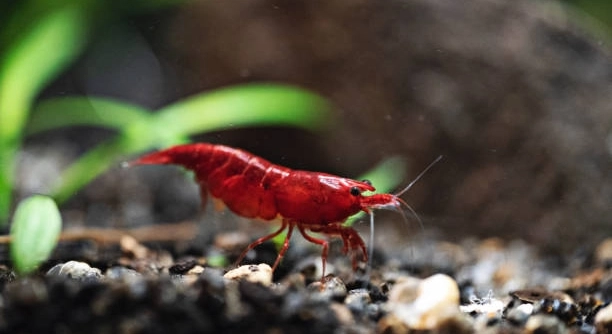
Are your shrimp moving slower than usual in your aquarium? Small adjustments in their environment can make a noticeable difference. Improving water quality, tank setup, and feeding routines often helps shrimp feel more active and comfortable.
Optimizing shrimp movement involves addressing water parameters, tank layout, and nutrition. Maintaining stable temperature, proper pH, sufficient hiding spaces, and a balanced diet encourages natural activity. Even minor improvements in these areas can significantly enhance shrimp mobility and health.
By making these small changes, you can create a livelier and healthier environment for your shrimp. Each adjustment contributes to their overall well-being and movement.
Improve Water Quality
Maintaining clean water is essential for shrimp movement and overall health. Regular water changes help remove waste and excess nutrients that can make shrimp lethargic. Using a gentle filter ensures circulation without stressing the shrimp. Testing water parameters frequently, including ammonia, nitrite, nitrate, and pH levels, prevents sudden fluctuations. Even small changes in water chemistry can significantly affect shrimp activity. Soft water with stable pH is ideal for most species, while avoiding sudden temperature shifts reduces stress. Avoid overcrowding the tank, as too many shrimp can increase waste and decrease oxygen levels. Adding live plants can improve water quality naturally by absorbing nutrients. Gravel or substrate should be cleaned carefully to prevent debris buildup without disturbing shrimp too much. Overall, attention to water quality creates a stable environment that encourages natural movement and reduces stress-related inactivity.
Regular maintenance and monitoring of water conditions keep shrimp active, healthy, and comfortable in their tank environment.
Providing consistent water quality prevents sudden shocks and allows shrimp to move freely, explore the tank, and exhibit natural behaviors without unnecessary stress.
Adjust Tank Layout
Shrimp require space to swim and hide, which directly impacts their movement. Including hiding spots like moss, plants, and small caves gives them security and encourages exploration. Avoid cluttering the tank with decorations that limit swimming paths. Position plants and decorations to allow open areas for free movement while maintaining shaded spots for comfort. Using smooth surfaces for climbing helps prevent injuries. Maintaining a balance between open spaces and hiding areas is key. Shrimp often feel safer and more active when they can retreat if needed. Observing how they navigate the tank can help refine the layout. Adjustments can include rearranging plants, adding driftwood, or creating gentle slopes in substrate for variety.
Providing a well-structured environment encourages shrimp to explore, forage, and display natural behaviors.
By designing a thoughtful tank layout, you improve both shrimp safety and movement. Open areas, proper hiding spaces, and gentle slopes allow shrimp to navigate comfortably, reducing stress and increasing activity. Regular observation and minor adjustments ensure the environment continues to support their needs while keeping movement natural and consistent.
Maintain Stable Temperature
Shrimp are sensitive to temperature changes, which can slow movement or stress them. Keeping the tank within their preferred range ensures consistent activity. Sudden shifts should be avoided, and heaters or chillers used if needed.
A stable temperature helps shrimp maintain metabolism and energy levels. Most freshwater species thrive between 72–78°F (22–26°C), while tropical species may require slightly higher ranges. Fluctuations can cause lethargy, reduce appetite, and make them more susceptible to disease. Monitoring with a reliable thermometer and adjusting gradually prevents shocks. Using a heater with a thermostat provides consistent warmth, while room placement away from drafts or direct sunlight helps reduce variability. Small adjustments in tank temperature can significantly impact shrimp movement and overall behavior, ensuring they remain active and healthy.
Temperature consistency also affects oxygen levels and water chemistry. Warmer water holds less oxygen, so maintaining an appropriate balance is necessary. Combining proper heating with adequate circulation and aeration allows shrimp to explore the tank freely, forage efficiently, and display natural behaviors without stress.
Provide Balanced Nutrition
Shrimp require a diet that supports energy and growth. Offering high-quality pellets or flakes alongside occasional fresh vegetables ensures they stay active. Avoid overfeeding, as leftover food can pollute the water.
Balanced nutrition promotes strong muscles and stamina. Protein-rich foods like shrimp-specific pellets or small amounts of frozen or live foods improve mobility and health. Vegetables such as zucchini, spinach, or cucumber provide essential vitamins and fibers, aiding digestion and energy levels. Feeding in small amounts multiple times a week prevents nutrient deficiencies and keeps shrimp moving. Uneaten food should be removed promptly to maintain water quality and prevent harmful bacterial growth. Consistent feeding routines help shrimp recognize food sources, encouraging foraging and exploration. The combination of protein, vitamins, and fiber supports robust movement and natural behaviors throughout the tank.
Providing proper nutrition is closely linked to activity levels. Shrimp with a varied diet are more likely to swim energetically, interact with their environment, and maintain healthy growth patterns. Observing feeding habits allows for adjustments in portions and food types, ensuring that movement and overall vitality remain optimal.
Reduce Stress Factors
Shrimp are easily stressed by sudden movements, loud noises, or frequent disturbances. Limiting external stressors helps them stay active. Avoid tapping the glass or rearranging decorations too often, as this can trigger hiding behavior.
Maintaining a calm environment supports natural movement and feeding patterns. Consistent lighting, gentle water flow, and minimal handling reduce stress. Stress can lead to sluggishness or molting problems, so ensuring a peaceful habitat allows shrimp to explore and interact with their surroundings without fear or hesitation.
Monitor Molting
Molting is a natural process essential for growth. Shrimp may become less active or hide during this time. Providing calcium-rich foods and maintaining stable water conditions supports healthy molting and faster recovery.
Maintain Proper Lighting
Lighting affects shrimp behavior and activity cycles. Moderate, consistent lighting encourages foraging and exploration. Avoid harsh or prolonged exposure, which can cause stress and reduced movement.
Keep Tank Clean
A clean tank promotes health and natural activity. Removing debris, excess food, and algae regularly prevents water quality issues. Clean substrates and decorations support shrimp movement and reduce the risk of disease.
FAQ
What is the best water temperature for shrimp movement?
Most freshwater shrimp thrive between 72–78°F (22–26°C). Keeping the temperature stable supports metabolism and energy levels, which directly affects activity. Sudden changes can stress shrimp, slowing movement or causing them to hide. Using a heater with a thermostat and placing the tank away from drafts helps maintain consistency.
How often should I change the water?
Regular water changes are important for clean and healthy conditions. Changing 10–20% of the tank weekly removes excess waste, toxins, and nutrients that may reduce shrimp activity. Frequent monitoring of water parameters like ammonia, nitrite, nitrate, and pH ensures the environment remains stable and promotes natural movement.
What foods improve shrimp mobility?
A balanced diet is essential. Protein-rich pellets, occasional live or frozen foods, and fresh vegetables such as spinach or zucchini provide energy and nutrients. Avoid overfeeding, as leftover food can pollute water and slow shrimp down. Feeding small amounts consistently encourages foraging and active behavior.
How do hiding spots affect shrimp movement?
Shrimp feel safer with plants, moss, and small caves. These spaces allow them to retreat while also encouraging exploration. Open areas should be balanced with hiding spots to give freedom to swim without constant stress. A thoughtful tank layout directly increases natural movement.
Why is water quality so important?
Poor water quality can make shrimp lethargic or sick. High ammonia, nitrite, or nitrate levels reduce activity and increase stress. Maintaining clean water, using gentle filtration, and avoiding overcrowding help shrimp stay energetic and healthy. Plants can also improve water quality naturally.
Can tank lighting affect shrimp activity?
Yes, consistent moderate lighting encourages foraging and movement. Too bright or prolonged light can stress shrimp, making them hide or slow down. Following a regular light schedule helps maintain natural behavior and reduces stress.
How do I know if my shrimp are molting properly?
During molting, shrimp may become less active or hide. Providing stable water conditions and calcium-rich foods supports healthy exoskeleton development. Proper molting ensures they regain mobility quickly and continue normal behavior.
What signs indicate stress in shrimp?
Shrimp that stay hidden, move slowly, or show irregular swimming may be stressed. Common causes include water parameter fluctuations, sudden temperature changes, loud noises, or frequent disturbances. Reducing stressors and maintaining a calm environment helps restore activity levels.
Does tank size influence shrimp movement?
Yes, a larger, well-structured tank allows more space to swim and explore. Overcrowding reduces activity and increases competition for food and space. Even small adjustments to layout, such as adding open areas and gentle slopes, can encourage movement.
How do I prevent disease that affects movement?
Maintaining clean water, providing proper nutrition, and minimizing stress are key. Observing shrimp daily helps detect early signs of illness. Removing sick shrimp or quarantining new additions prevents disease spread, keeping the entire tank active and healthy.
Can water flow impact shrimp activity?
Gentle water flow promotes circulation and oxygenation without stressing shrimp. Strong currents can tire them and limit movement, while stagnant water can reduce oxygen levels and activity. Adjust filters and pumps to create a balanced environment for swimming and foraging.
How important is monitoring pH for movement?
Stable pH supports metabolic function and activity. Most freshwater shrimp prefer slightly acidic to neutral ranges. Sudden pH shifts cause stress and slower movement. Regular testing and careful adjustments maintain a consistent environment that encourages natural behavior.
Are live plants necessary for active shrimp?
While not strictly necessary, live plants improve water quality, provide hiding spots, and stimulate natural foraging. Mosses, floating plants, and leafy vegetation encourage exploration and help shrimp feel secure, which boosts overall movement.
How often should I check water parameters?
Frequent checks, at least weekly, ensure ammonia, nitrite, nitrate, and pH remain stable. Prompt adjustments prevent stress, lethargy, and health issues. Tracking trends also helps anticipate changes and maintain optimal conditions for active shrimp.
Can tank decorations influence shrimp movement?
Yes, decorations should balance hiding spots and open swimming areas. Avoid sharp or crowded elements that limit mobility. Thoughtful placement encourages exploration and safe interaction with the environment, supporting overall activity and comfort.
What are simple fixes to improve shrimp movement immediately?
Start with stable temperature, clean water, balanced diet, gentle lighting, and a proper tank layout. Small adjustments in these areas can produce noticeable improvement in activity within days, making shrimp healthier and more energetic.
How do I safely add new shrimp to improve activity?
Quarantine new shrimp first to avoid disease. Gradually acclimate them to water parameters. Adding healthy shrimp can stimulate movement and interaction, as social activity encourages exploration and foraging. Proper introduction ensures safety and maintains an active tank.
Can stress from handling affect movement long-term?
Frequent or rough handling can cause chronic stress, reducing activity and affecting health. Minimizing contact and allowing shrimp to explore freely supports natural movement and reduces the risk of long-term behavioral changes.
How do seasonal changes impact shrimp activity?
Temperature and light variations during seasonal changes can influence movement. Maintaining consistent indoor conditions, including stable temperature and lighting, helps prevent stress-related inactivity. Seasonal adjustments to diet or environment can further support healthy behavior.
What maintenance routines best support shrimp movement?
Regular water changes, substrate cleaning, monitoring parameters, trimming plants, and removing excess food create a stable, stimulating environment. Following a consistent routine reduces stress and promotes active swimming, foraging, and natural interaction in the tank.
This FAQ section addresses common concerns, providing clear and actionable steps to maintain shrimp movement, health, and activity within the aquarium environment. Regular observation and care are essential for thriving, active shrimp.
Maintaining an active and healthy shrimp tank depends on attention to a few simple factors. Consistent water quality, proper temperature, and a balanced diet form the foundation for shrimp movement. Regular testing and careful monitoring of ammonia, nitrite, nitrate, and pH levels prevent sudden changes that can stress shrimp. Keeping the tank clean through partial water changes and substrate maintenance ensures that waste does not build up and that water remains clear and safe. Even small fluctuations in water chemistry can affect shrimp behavior, so observing and adjusting the tank environment gradually is key. A stable environment allows shrimp to explore freely, forage efficiently, and maintain natural activity levels, which is important for their long-term health and vitality.
Tank layout and structure also play an important role in promoting movement. Shrimp need both open swimming areas and safe hiding spots to feel secure. Plants, moss, caves, and gentle slopes provide variety and encourage exploration. Overcrowding the tank or placing too many decorations in swimming paths can limit activity and increase stress. Thoughtful placement of items, combined with clean surfaces for climbing, gives shrimp the freedom to navigate comfortably. Lighting also contributes to their behavior, as moderate and consistent lighting encourages foraging while avoiding stress from overly bright or fluctuating exposure. These factors together create a more dynamic and stimulating environment that supports natural behaviors, allowing shrimp to move more actively throughout the day.
Diet and nutrition are equally critical to sustaining energy and mobility. Offering high-quality pellets, supplemented with occasional vegetables or live foods, provides essential nutrients that support growth and muscle function. Overfeeding should be avoided, as leftover food can pollute water and reduce activity. Calcium-rich foods are particularly important during molting to support exoskeleton development, ensuring shrimp regain mobility quickly. Stress reduction complements these physical factors, as shrimp respond negatively to loud noises, frequent handling, or sudden changes in water parameters. By maintaining calm conditions, stable nutrition, and a clean, structured habitat, shrimp remain active, healthy, and resilient. These combined practices allow you to observe natural behaviors, improve overall well-being, and enjoy a lively and vibrant aquarium environment over time.

Hello,
If you enjoy the content that we create, please consider saying a "Thank You!" by leaving a tip.
Every little bit helps us continue crafting quality advice that supports the health, happiness, and well-being of pets around the world, for pets of all shapes, sizes, and species.
We really appreciate the kindness and support that you show us!