
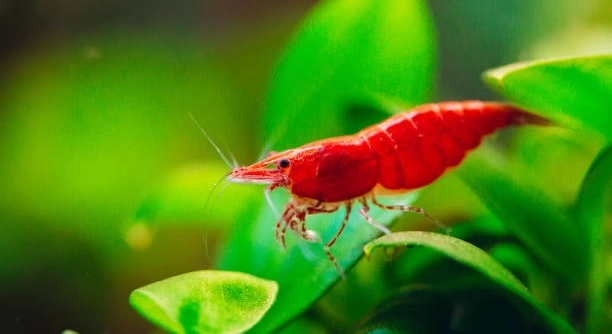
Keeping shrimp in a tank can be calming, but it is important to know how they react to their environment. Observing their behavior helps ensure they are healthy, comfortable, and thriving in the setup you provide.
Shrimp show signs of contentment through consistent activity, regular feeding behavior, and healthy coloration. They interact with their surroundings calmly, avoid hiding excessively, and maintain proper posture, indicating that the current tank conditions meet their physical and environmental needs.
Understanding these simple behaviors allows you to adjust the tank for better shrimp health. Small changes in care can improve their comfort and overall well-being.
Observing Movement Patterns
Shrimp that are happy in their tank often move around confidently. They explore the substrate, swim steadily, and interact with plants without hesitation. Watching them glide across the tank shows their comfort. Sudden frantic movements or staying hidden for long periods can signal stress or poor water conditions. Regular observation helps you notice subtle differences in behavior that indicate health and contentment. Even small changes, like spending more time near the surface or clustering together, can provide clues about their comfort level. It’s also helpful to note when shrimp molt, as a relaxed environment encourages safe molting. Consistent activity without erratic bursts suggests they feel secure in the current setup.
Active, calm movement is a clear sign of shrimp satisfaction. They tend to explore more when they feel comfortable.
Monitoring movement helps identify specific preferences. Shrimp may favor areas with more plants, shaded spots, or gentle water flow. By observing which zones they frequent, you can adjust décor or filter flow to suit them better. This also allows you to notice patterns in feeding and social interactions. Shrimp that interact with each other calmly and maintain balanced activity levels indicate the tank supports their natural behaviors. Noticing these trends ensures their habitat continues to meet their needs and reduces the risk of stress-related illness. Careful monitoring makes it easier to maintain water quality, temperature, and hiding spaces, all of which contribute to happier shrimp.
Feeding Behavior
Shrimp that enjoy their setup usually approach food quickly and consistently.
Regular feeding patterns indicate comfort and trust in their environment.
Observing shrimp during feeding reveals much about their satisfaction. Happy shrimp come out of hiding and forage actively, picking at the food evenly. They don’t fight over small pieces or show signs of stress, such as retreating or shaking. If you see all shrimp eating calmly and returning to their usual spots afterward, it signals the tank conditions are well suited to them. Additionally, their appetite can reflect water quality, temperature, and plant coverage. Shrimp that consistently refuse food may indicate issues with their environment, diet, or health. By adjusting feeding amounts and monitoring response, you can maintain balance in the tank. Overfeeding or underfeeding can disrupt water conditions, so observing feeding behavior is an important tool. Proper feeding routines also help you track growth and overall vitality, ensuring shrimp remain healthy and active in a setup they enjoy.
Hiding Spots and Shelter
Shrimp that feel safe use hiding spots regularly. Plants, rocks, and decorations give them security. When they molt, they often retreat to these areas, showing that their habitat supports natural behaviors.
Providing adequate hiding places reduces stress and encourages healthy growth. Shrimp feel more confident exploring the tank when they know they have shelter nearby. Dense plant coverage or small caves allow them to escape during molting or if startled. Observing which spots they use most helps adjust décor placement for comfort. Shrimp also tend to cluster near these areas when resting or sleeping. Proper shelter contributes to both physical safety and mental well-being.
Hiding spots also help maintain social balance. Shrimp use shelters to establish territory, avoid conflicts, and feel secure. Without enough shelter, stress may increase, affecting feeding and movement. Adding new plants or structures gradually lets shrimp acclimate comfortably.
Water Quality Indicators
Clear water, stable temperature, and proper pH levels signal a healthy tank.
Shrimp respond quickly to changes in water conditions. Cloudy or smelly water, rapid temperature swings, or unbalanced pH can cause stress and affect their activity. Healthy shrimp display smooth swimming, bright coloration, and consistent feeding behavior. Regular testing ensures the water remains within safe parameters. Observing shrimp reactions helps catch potential problems early, reducing the risk of illness. Maintaining proper filtration and gentle flow supports optimal conditions.
Keeping water quality stable supports molting, growth, and reproduction. Frequent monitoring and partial water changes prevent toxic buildup. Shrimp are sensitive to ammonia, nitrites, and nitrates, so testing weekly is crucial. Using natural substrates, live plants, and appropriate filtration helps maintain chemical balance. Observing shrimp for lethargy, clamped legs, or color fading signals the need for adjustments. Water quality directly influences behavior, appetite, and overall health. By prioritizing stable conditions, shrimp thrive, showing natural activity levels and comfort in their environment consistently over time.
Social Behavior
Shrimp interact calmly with each other when comfortable. They move together in groups without aggression or excessive hiding.
Peaceful social behavior indicates a stable environment. Shrimp that display coordinated movement and gentle interactions show they feel safe and content.
Color Vibrancy
Bright, consistent coloration reflects good health and comfort. Shrimp in a suitable setup maintain their natural hues without dullness.
Molting Comfort
Shrimp molt regularly when they feel secure. Successful molting without stress or injuries shows that the tank provides proper conditions, hiding spots, and water quality. Molting is critical for growth, and observing how they handle this process reveals much about their overall comfort and habitat suitability.
How often should I check my shrimp’s behavior?
It’s a good idea to observe shrimp daily, even if just for a few minutes. Regular monitoring helps catch early signs of stress or illness. Look for changes in movement, hiding, feeding, or coloration. Noticing small shifts early allows you to adjust water parameters, food, or tank layout to keep shrimp comfortable. Daily observation also helps you track molting patterns and social interactions, giving a clearer picture of overall health and contentment.
What signs indicate shrimp are stressed?
Shrimp under stress often hide for long periods, move erratically, or refuse food. Color may fade, and molting problems can occur. Rapid swimming or repeatedly bumping into objects can also signal discomfort. These behaviors are responses to water issues, overcrowding, or insufficient hiding spots. Stress affects feeding, growth, and reproduction. By paying attention to these signs, you can pinpoint environmental problems before they worsen. Adjusting tank conditions promptly helps reduce stress and improves shrimp well-being.
How do I know if shrimp are eating properly?
Healthy shrimp approach food quickly and pick at it evenly. They should not fight over small amounts, and leftovers should not accumulate excessively. If some shrimp ignore food or appear lethargic while others eat, water quality or health may be an issue. Observing feeding behavior over several days gives a better understanding of appetite trends. Proper feeding routines, combined with balanced nutrition, support growth and coloration. Feeding at consistent times also encourages shrimp to establish a sense of routine, reducing stress.
Why is molting important, and how can I tell if it’s going well?
Molting allows shrimp to grow and replace old exoskeletons. Successful molting occurs without injury, and shrimp usually hide during the process. If shrimp struggle, appear stuck in the old shell, or develop deformities, water quality, nutrition, or stress may be a factor. Adequate hiding places and stable water conditions are essential. Watching molting closely helps ensure shrimp health and allows adjustments if problems appear. Proper calcium and mineral levels in the water also support healthy exoskeleton formation.
How do shrimp react to water changes?
Shrimp are sensitive to sudden shifts in temperature, pH, or chemical composition. Gentle, partial water changes help maintain stable conditions. After a change, shrimp may temporarily hide or move less, but they should return to normal activity soon. If they remain stressed or show unusual behavior, check for chemical imbalances or chlorine presence. Regular, controlled water maintenance promotes a stable environment, reducing stress and supporting molting, feeding, and overall activity.
Can shrimp indicate tank problems before tests do?
Yes, shrimp often show signs of water issues before tests reveal them. Lethargy, hiding, color fading, or irregular movement can indicate ammonia spikes, nitrate buildup, or temperature fluctuations. Observing shrimp behavior alongside testing provides a fuller picture of tank health. Acting on behavioral cues early can prevent more serious problems, keeping shrimp healthy and the habitat stable.
How many shrimp should I keep together?
Shrimp are social but overcrowding causes stress. A moderate number allows for natural interactions without competition for food or hiding spots. Observing group behavior can guide adjustments. If aggression or constant hiding appears, reduce numbers or rearrange décor to create more territories. Social balance supports healthy feeding, movement, and molting.
What role does tank décor play in shrimp comfort?
Plants, rocks, and other decorations provide hiding spots and surfaces for grazing. Shrimp use these areas to feel secure, molt safely, and explore. Lack of adequate décor can lead to stress and unusual behavior. Observing which areas shrimp favor helps optimize tank layout. Rotating plants or adding gentle structures enhances security and encourages natural movement.
How do I tell if shrimp are comfortable in their social groups?
Comfortable shrimp move together without aggression, cluster gently, and forage alongside each other. Frequent hiding or chasing indicates imbalance. Watching interactions over time reveals social comfort and tank suitability. Adjusting decorations, feeding distribution, or group size improves harmony. Healthy social behavior supports growth, molting, and color vibrancy.
Are color changes normal or a warning sign?
Shrimp maintain consistent, bright coloration when healthy. Fading or dull colors can indicate stress, poor water quality, or inadequate nutrition. Sudden changes should be checked immediately, along with other behavioral signs. Healthy shrimp respond to improvements in water conditions and diet, restoring their natural hues. Maintaining consistent care promotes vibrant colors, reflecting comfort and overall well-being.
Caring for shrimp requires careful attention to their environment, behavior, and overall health. Observing shrimp daily allows you to notice small changes that indicate comfort or stress. Watching how they move, interact, and feed provides insight into whether the tank conditions suit them. Comfortable shrimp explore the tank confidently, approach food readily, and use hiding spots naturally. Stress signs, such as excessive hiding, erratic swimming, or faded colors, are easier to spot when you observe them consistently. Small adjustments, like repositioning plants, adding hiding areas, or adjusting water flow, can make a significant difference in their well-being. By paying attention to these details, you create a safer and more suitable habitat for shrimp, ensuring they thrive over time. Regular observation is a simple but effective way to maintain balance in the tank and respond quickly to potential problems before they escalate.
Water quality is one of the most important factors in maintaining a healthy shrimp tank. Stable temperature, clear water, and proper chemical levels support natural behavior, feeding, and molting. Partial water changes, proper filtration, and monitoring pH, ammonia, nitrites, and nitrates are essential for creating a healthy environment. Shrimp are very sensitive to sudden changes, so gradual adjustments are preferable. Observing shrimp behavior often reveals early warnings of water issues, sometimes before test readings show a problem. Providing an environment that meets these basic requirements allows shrimp to grow, molt safely, and display natural coloration. Healthy water conditions also reduce stress and improve immune response, helping shrimp resist disease. Combining consistent water maintenance with attention to behavior ensures a habitat that promotes both physical and mental well-being, leading to happier and more active shrimp.
Feeding and social interactions are other key aspects of shrimp care. Balanced nutrition, given in appropriate amounts, supports growth, molting, and vibrant coloration. Shrimp that feel safe and comfortable approach food actively and forage calmly with others. Overcrowding or competition can lead to stress, so maintaining a moderate number of shrimp and providing adequate hiding spaces is essential. Observing how shrimp interact with each other helps determine if adjustments to the tank setup are necessary. Providing plants, rocks, and other décor encourages natural movement, grazing, and safe molting. Attention to these factors, combined with consistent observation and proper water care, creates a balanced environment where shrimp can thrive. Maintaining a stable, well-designed habitat ensures long-term health, comfort, and contentment, helping shrimp display natural behaviors and overall vitality.

Hello,
If you enjoy the content that we create, please consider saying a "Thank You!" by leaving a tip.
Every little bit helps us continue crafting quality advice that supports the health, happiness, and well-being of pets around the world, for pets of all shapes, sizes, and species.
We really appreciate the kindness and support that you show us!