
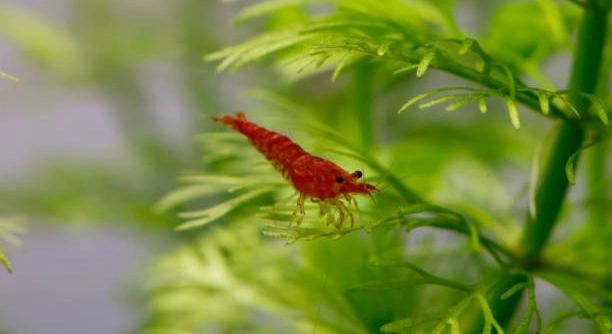
Keeping shrimp healthy starts with creating a safe environment in their tank. Rocks are a key part of their habitat, providing hiding spots and surfaces for biofilm, but not all rocks are suitable for shrimp tanks.
Safe rocks for shrimp tanks include slate, lava rock, quartz, and river stones. These rocks are chemically stable, do not alter water pH significantly, and are free from toxins, ensuring a secure and balanced environment for freshwater shrimp species.
Choosing the right rocks will make a noticeable difference in your shrimp’s comfort and tank stability, enhancing both their activity and overall well-being.
Slate Rocks
Slate is a smooth, flat rock that works well in shrimp tanks. It does not release harmful chemicals or alter the water’s pH. Many shrimp species enjoy climbing and hiding under slate sheets. Placing slate in layers or leaning it against the tank glass creates natural caves. You can also break larger pieces into smaller sections to make more hiding spots. Slate is lightweight, so it is easy to move or adjust without disturbing your tank. Unlike porous rocks, slate does not trap debris, which keeps the tank cleaner. Over time, biofilm grows on the surface, providing food for shrimp. Cleaning slate is simple, usually requiring only a gentle scrub under warm water. Avoid soaps or chemicals. Slate can also help anchor plants and decorations, adding stability. Many shrimp breeders recommend slate for both aesthetic and practical purposes. Its dark color also highlights shrimp colors, making them more visible and active in the tank.
Slate offers an easy, low-maintenance option for creating safe shelters that support shrimp health and natural behavior.
Using slate encourages natural foraging and adds variety to tank layouts, giving shrimp more interactive surfaces to explore.
Lava Rock
Lava rock is porous, lightweight, and ideal for shrimp tanks. Its holes provide shelter and surfaces for biofilm growth. Shrimp love crawling through and around lava rock, and its rough texture helps them feed naturally. Lava rock does not leach harmful substances and is chemically stable. Many shrimp breeders place lava rock in groups to form hiding clusters. The porous nature also allows beneficial bacteria to colonize, which supports water quality. Lava rock can float initially but sinks after soaking. It is durable and can last for many years with minimal maintenance. Cleaning lava rock requires only a gentle rinse to remove debris. It can also be combined with plants or mosses to enhance the tank’s visual appeal. Lava rock comes in various shapes and sizes, making it versatile for different tank designs. Its natural dark tones contrast well with shrimp colors, creating an attractive setup.
Lava rock is safe, functional, and visually appealing, supporting shrimp activity and tank health efficiently.
For shrimp, lava rock not only adds shelter but also encourages natural feeding habits while stabilizing the tank environment.
Quartz
Quartz is a hard, non-porous rock that is completely safe for shrimp tanks. It does not affect water chemistry and provides a smooth surface for shrimp to explore and graze on biofilm.
Quartz is durable and can last indefinitely in a tank without breaking down. Its non-porous surface makes cleaning easy, reducing algae buildup and debris accumulation. Many hobbyists use quartz to create visually striking tank layouts because it reflects light and enhances shrimp colors. Unlike softer rocks, quartz does not wear down over time, so it remains stable even in tanks with active shrimp populations. Its smooth edges prevent accidental injury to delicate shrimp bodies. Quartz can be arranged as single large pieces or scattered small stones, depending on the tank’s design. Combining quartz with moss or plants can create natural hiding spots while maintaining a safe environment. Its chemical neutrality ensures that water parameters stay consistent, which is crucial for sensitive species. Quartz is also easy to disinfect if needed.
Quartz’s smooth texture, stability, and safety make it an excellent addition to any shrimp tank, supporting both aesthetics and shrimp health.
Quartz adds variety to tank layouts, helping shrimp feel secure while providing surfaces for natural feeding behavior.
River Stones
River stones are smooth and rounded, ideal for gentle tank landscapes. Their natural shapes provide hiding areas without sharp edges that could harm shrimp.
These stones come in various sizes, allowing for creative tank arrangements. They are chemically stable and do not affect water pH or hardness. River stones often have subtle color variations, which can highlight shrimp colors naturally. Because they are smooth, they are easy to rinse and maintain, reducing algae or debris buildup. Arranging river stones in small clusters creates microhabitats where shrimp can rest and feed safely. Unlike porous rocks, river stones do not harbor harmful bacteria but still support biofilm growth on their surfaces. They can be combined with plants or mosses for a more dynamic tank layout. Their weight keeps them in place, even in tanks with active water flow, preventing accidental shifts that might stress shrimp. Overall, river stones provide both functional and aesthetic benefits while remaining entirely safe for shrimp.
River stones support natural shrimp behavior, adding texture, hiding spots, and visual appeal to freshwater tanks.
Dragon Stone
Dragon stone has a textured surface with natural grooves that shrimp enjoy exploring. Its composition is stable, ensuring it does not alter water chemistry or harm shrimp.
Its rough surface encourages biofilm growth, providing a natural feeding source. Dragon stone is lightweight yet durable, making it easy to arrange into caves and hiding spots for shrimp.
Sandstone
Sandstone is a soft, porous rock that is safe when properly rinsed and cured before adding to a shrimp tank. Its texture allows biofilm and algae to grow naturally, giving shrimp additional grazing areas. Sandstone can be stacked or used to create gentle slopes in the tank, adding variety to the environment. Careful placement ensures it does not crumble or create dust in the water, which could affect filtration. Many shrimp owners use sandstone to combine aesthetics with function, as its earthy tones blend well with plants and other rocks. With proper maintenance, sandstone can remain a long-lasting feature that enhances both the safety and appeal of the tank. Its porosity also provides surfaces for beneficial bacteria, supporting water quality and overall tank health.
Seiryu Stone
Seiryu stone is hard and slightly textured, providing a natural environment for shrimp. Its stability makes it safe for long-term tank use.
FAQ
What rocks should I avoid in a shrimp tank?
Rocks that contain metals, limestone, or are highly porous and untreated should be avoided. These rocks can leach harmful chemicals, raise pH, or release toxins into the water. Avoid rocks with sharp edges that could injure shrimp. Store-bought aquarium-safe rocks are usually the safest choice.
Can I use decorative rocks from outside?
Using rocks from rivers or yards is risky unless thoroughly cleaned and tested. Outdoor rocks can carry pesticides, minerals, or bacteria harmful to shrimp. Boiling or soaking rocks can help remove surface contaminants, but chemical composition is harder to check. It is safest to choose rocks labeled for aquarium use.
How do I clean rocks before adding them to a tank?
Rinse rocks thoroughly under warm water to remove dust or debris. For porous rocks, scrubbing with a soft brush helps remove dirt. Avoid using soap or chemicals, as residues can harm shrimp. Some hobbyists boil rocks briefly to sterilize them and remove any unwanted organisms.
Will rocks change water parameters?
Some rocks can affect water hardness and pH. Rocks like limestone or marble release calcium, increasing hardness and pH, which may stress shrimp. Safe options like slate, quartz, or lava rock are chemically stable and maintain consistent water conditions. Testing water after adding rocks helps ensure stability.
How should I arrange rocks in a shrimp tank?
Arrange rocks to create hiding spots, caves, and climbing areas. Avoid stacking rocks too high, which could fall and injure shrimp. Mixing different sizes adds depth and natural-looking spaces. Providing both open swimming areas and secure shelters helps shrimp feel comfortable and encourages natural behavior.
Can shrimp eat algae or biofilm on rocks?
Yes, biofilm and algae growing on rocks provide essential nutrients for shrimp. Rough or porous surfaces encourage biofilm growth. Some rocks, like dragon stone or lava rock, are particularly good for this. Regular tank maintenance keeps algae from overgrowing while still offering food.
Do rocks need regular maintenance in a shrimp tank?
Yes, rocks should be checked and cleaned occasionally. Rinsing them under warm water removes debris, and gently scrubbing textured surfaces prevents excessive algae buildup. Porous rocks may trap detritus, so cleaning is important to avoid water quality issues. Safe maintenance supports shrimp health and tank cleanliness.
Can I combine different types of rocks?
Combining rocks is safe as long as all types are shrimp-safe. Mixing colors, textures, and sizes enhances visual appeal and provides diverse surfaces for biofilm. Avoid rocks that affect water chemistry when combined with neutral rocks. Balance aesthetics with safety for optimal tank conditions.
How do I test if a rock is safe for my shrimp?
Place the rock in a bucket of water for a few days and test pH and hardness before adding it to the tank. If water parameters remain stable, the rock is likely safe. Avoid rocks that dissolve, change water chemistry, or release residues. Observation and testing prevent potential problems.
What size rocks are best for shrimp tanks?
Use a mix of small and medium rocks to create varied terrain. Large rocks can be used as anchors for plants or to build caves. Avoid tiny gravel-like rocks that may be swallowed. Balanced sizes provide hiding spots and open areas, promoting shrimp activity and natural behaviors.
Can I use rocks with plants attached?
Yes, attaching moss or small plants to rocks is common. Rocks provide a stable surface for roots or rhizomes. Ensure plants are secured so they don’t float or detach. Combining plants with rocks enhances hiding spaces and supports a more natural and functional tank environment.
How often should I change or remove rocks?
Rocks generally do not need frequent replacement if they are stable and safe. Remove or rearrange only if necessary for cleaning, tank design, or if a rock starts leaching minerals. Stable arrangements prevent stress and injuries to shrimp while maintaining a balanced environment.
Are there any signs a rock is harming shrimp?
Watch for sudden changes in water parameters, shrimp behavior, or health. Signs of stress, lethargy, or unusual molting issues may indicate harmful rocks. Removing suspected rocks and monitoring water chemistry helps maintain shrimp well-being. Safe rocks avoid these problems entirely.
Can rocks help with shrimp breeding?
Yes, rocks provide secure hiding spots for baby shrimp. Caves and textured surfaces allow juveniles to feed on biofilm and hide from adults. Using multiple safe rocks increases available shelters, promoting survival rates and supporting a stable shrimp population.
Do rocks impact water filtration?
Large rocks can influence water flow, potentially creating dead zones. Proper placement ensures filtration efficiency is maintained. Porous rocks may house beneficial bacteria, indirectly supporting filtration. Safe, well-placed rocks enhance tank health without interfering with filtration performance.
Are there aesthetic benefits to using rocks in shrimp tanks?
Rocks add natural texture and structure, highlighting shrimp colors. Combining different shapes, sizes, and colors creates visual depth while providing functional hiding areas. Thoughtful rock arrangements can make the tank visually appealing and more engaging for observing shrimp behavior.
Can rocks affect shrimp molting?
Safe rocks support molting by providing surfaces for shrimp to grip while shedding exoskeletons. Rough or textured surfaces like dragon stone or lava rock help shrimp hold on during molting. Avoid sharp or unstable rocks that could injure shrimp during this vulnerable stage.
Is it okay to move rocks once shrimp are established?
Rocks can be moved, but doing so carefully is important. Sudden changes may stress shrimp or crush them if unstable. Gradual adjustments allow shrimp to explore new hiding spots without harm. Secure rocks after rearranging to maintain tank stability and shrimp safety.
Can I combine rocks and driftwood?
Yes, driftwood and rocks complement each other. Driftwood can provide tannins, and rocks offer stable hiding spots. Ensure both are safe and stable. Together, they create natural landscapes and surfaces for shrimp to explore, feed, and hide, supporting overall tank health and activity.
Do all shrimp species react the same to rocks?
Different species may prefer different textures and hiding spots. Some enjoy climbing smooth surfaces, while others favor porous, textured rocks. Observing shrimp behavior helps determine the best rock types for your specific species and ensures they feel secure and active.
Can rocks influence tank water temperature?
Rocks have minimal effect on water temperature but can absorb heat if placed near a heater. They provide microhabitats with slightly different thermal zones, which shrimp may use for comfort. Safe rocks do not interfere with overall temperature stability in a properly regulated tank.
How many rocks are enough for a shrimp tank?
Use enough rocks to create multiple hiding spots and grazing surfaces without overcrowding. Balance open swimming areas with shelters. Overcrowding can reduce water flow and stress shrimp, while too few rocks may leave them exposed. Safe arrangements prioritize both safety and natural behaviors.
Can I use rocks in a planted shrimp tank?
Yes, rocks complement plants by anchoring roots and providing structure. They help create natural layouts and offer surfaces for mosses or epiphytic plants. Rocks support biofilm growth and shrimp grazing, enhancing both plant and shrimp health in a planted tank environment.
Are there signs a rock is unsafe over time?
Watch for crumbling, discoloration, or sudden changes in water chemistry. Rocks that release particles or alter pH may become unsafe. Regular observation and water testing help ensure long-term safety, maintaining a stable environment for shrimp.
Can rocks be used to breed multiple shrimp species together?
Yes, rocks create microhabitats and territories, reducing conflicts in multi-species setups. Each species can find hiding spots and grazing surfaces. Ensure all rocks are shrimp-safe, stable, and arranged to support coexistence while maintaining water quality and overall tank health.
Do rocks require treatment before adding to a tank?
Most safe rocks just need rinsing and scrubbing. Porous or new rocks may benefit from soaking to remove dust or loose particles. Avoid soaps or chemicals. Proper preparation ensures rocks remain safe and do not affect water chemistry.
Can rocks be used in nano tanks?
Yes, small or medium rocks work well in nano tanks if carefully arranged. They provide hiding spots without taking up excessive space. Ensure rocks are stable, safe, and proportionate to the tank size to protect shrimp and maintain proper water flow.
How long can rocks stay in a shrimp tank?
Rocks can remain indefinitely if safe, stable, and well-maintained. Regular cleaning and observation prevent debris buildup or unexpected chemical changes. Long-lasting rocks provide consistent hiding spots, grazing surfaces, and support healthy shrimp behavior over time.
Can I combine rocks with substrates like sand or gravel?
Yes, combining rocks with sand or gravel creates natural landscapes. Rocks provide structure while substrates allow burrowing or grazing. Ensure rocks are stable and compatible with the substrate to prevent shifting, protecting shrimp from injury and supporting a functional tank layout.
Are there rocks that naturally enhance shrimp color?
Dark or neutral-colored rocks, like slate or lava rock, make shrimp colors stand out. While they do not directly affect pigmentation, contrasting backgrounds highlight vibrant colors, making shrimp more visible and enhancing the visual appeal of the tank.
Can rocks help control algae growth?
Rocks themselves do not prevent algae but provide surfaces for biofilm, which shrimp graze on. Balanced lighting, water quality, and safe rock surfaces help maintain algae at manageable levels, supporting shrimp feeding and tank cleanliness.
Do rocks affect shrimp feeding behavior?
Yes, textured and porous rocks encourage grazing on biofilm. Rocks provide surfaces for natural foraging, helping shrimp stay active and healthy. Smooth rocks may offer fewer feeding opportunities but still provide shelter and visual appeal in the tank.
Can rocks harbor pests or unwanted organisms?
Yes, unprepared rocks may carry algae, bacteria, or tiny pests. Rinsing, scrubbing, or briefly boiling rocks reduces these risks. Safe rocks from aquarium suppliers are usually free of pests and contaminants, minimizing potential harm to shrimp.
Is it necessary to remove rocks for water changes?
Rocks do not need to be removed during routine water changes. Simply clean surfaces as needed to remove debris. Only remove rocks if rearranging the tank or addressing water quality issues to maintain safety and stability.
Do rocks influence shrimp aggression?
Rocks can reduce stress and aggression by providing hiding spots and visual barriers. Multiple shelters allow shrimp to establish territories, which helps maintain peace in tanks with higher populations. Safe rocks contribute to calmer, healthier shrimp.
Can I use rocks to separate different shrimp species?
Yes, rocks can create partitions or territories, giving each species distinct spaces. Proper placement minimizes conflicts, provides hiding areas, and ensures that all shrimp have safe grazing surfaces while maintaining water quality and overall tank harmony.
Are there signs rocks need replacing?
Rocks that crumble, discolor, or alter water chemistry should be replaced. Even safe rocks can erode over long periods. Monitoring their condition ensures continued shrimp safety and a stable, functional tank environment.
Can rocks affect shrimp lifespan?
Safe rocks contribute indirectly to shrimp longevity by providing shelter, grazing surfaces, and stable water conditions. Stress-free environments with adequate hiding spots and proper feeding opportunities help shrimp live healthier, longer lives.
Do rocks need to be anchored in the tank?
Heavier rocks or stacked arrangements should be stable to prevent tipping. Anchoring ensures shrimp safety and prevents tank damage. Light rocks like lava stone can be placed securely without risk, but checking stability before adding shrimp is always recommended.
How do rocks interact with shrimp molting cycles?
Textured and stable rocks give shrimp surfaces to cling to while molting. Properly arranged rocks reduce the risk of injury during this vulnerable time. Safe rocks also allow juveniles to find hiding spots, supporting successful molts and healthy growth.
Can rocks be used in breeding tanks for baby shrimp?
Yes, rocks create shelters and surfaces for biofilm that baby shrimp feed on. Small caves and textured areas provide protection from adults and strong water currents, improving survival rates and supporting healthy populations in breeding setups.
Are there rocks that require special care?
Porous rocks like sandstone or lava may trap debris and require occasional gentle scrubbing. Smooth rocks like quartz or slate need minimal maintenance. Understanding rock types ensures long-term safety and proper tank conditions.
Do rocks affect water clarity?
Safe rocks generally do not affect water clarity if cleaned properly before use. Dust or small particles from new rocks can cloud water initially, but rinsing or soaking prevents this issue. Regular maintenance keeps the tank clear while providing functional hiding spaces.
Can rocks be used in shrimp tanks with snails or other invertebrates?
Yes, rocks are safe for most invertebrates. They provide surfaces for grazing, climbing, and shelter. Avoid rocks that may alter water chemistry, ensuring compatibility with all tank inhabitants. Proper placement supports coexistence and a balanced aquatic environment.
Do rocks need to be replaced if algae overgrows?
No, algae can be managed by scrubbing surfaces, adjusting lighting, and ensuring proper water conditions. Rocks themselves remain safe as long as they are chemically stable and intact. Regular cleaning prevents excessive buildup and maintains shrimp health.
Can rocks be used to build multi-level habitats?
Yes, stacking safe rocks creates caves and ledges, offering varied spaces for shrimp. Ensure stability to prevent collapse. Multi-level habitats support natural behavior, hiding opportunities, and grazing surfaces while maintaining a secure environment.
Are all aquarium rocks safe for freshwater shrimp?
No, only rocks that are chemically stable, non-toxic, and properly cleaned are safe. Rocks like slate, quartz, lava rock, river stones, dragon stone, sandstone, and Seiryu stone are commonly recommended. Avoid rocks that leach minerals, are sharp, or untreated.
Can rocks influence shrimp coloration?
Indirectly, rocks affect shrimp visibility rather than pigmentation. Dark or contrasting rocks make shrimp colors appear brighter, enhancing aesthetic appeal and making it easier to observe natural behavior in the tank.
How do I prevent rocks from damaging shrimp?
Use smooth or rounded rocks and stable arrangements. Avoid sharp or crumbling rocks. Ensuring secure placement prevents falls or crushing, keeping shrimp safe while providing hiding and grazing areas in the tank.
Can I use rocks in tanks with fluctuating water parameters?
Chemically stable rocks help maintain water conditions even if parameters fluctuate slightly. Avoid reactive rocks like limestone in sensitive tanks, as they can amplify changes. Safe rocks support shrimp health despite minor variations in water chemistry.
Do rocks require special tools for maintenance?
No special tools are needed. Soft brushes, warm water, and gentle scrubbing are usually enough. For porous rocks, additional rinsing or soaking may be needed. Proper cleaning keeps rocks safe and the tank environment stable.
Are there signs shrimp prefer certain rocks?
Yes, shrimp often gravitate toward textured or sheltered surfaces. Observing where they hide or feed can indicate preferred rock types. Providing a mix ensures comfort and encourages natural behavior, supporting overall tank health and activity.
Can rocks help shrimp feel secure in community tanks?
Yes, rocks provide hiding spots, visual barriers, and surfaces for grazing. Multiple shelters reduce stress and territorial conflicts, helping shrimp feel secure even among more active or larger tank mates.
Do rocks affect oxygen levels?
Rocks have minimal direct impact on oxygen levels. However, porous rocks support biofilm and beneficial bacteria, indirectly contributing to a balanced tank ecosystem that helps maintain healthy oxygenation and water quality.
Can rocks be used in tanks with strong currents?
Yes, but heavier or anchored rocks are recommended. Light rocks may shift in strong currents, risking injury to shrimp. Proper placement ensures stability while still providing hiding spots and grazing surfaces for shrimp in dynamic water conditions.
Are rocks necessary for shrimp survival?
While not strictly necessary, rocks greatly enhance shrimp comfort, provide hiding spaces, support natural behaviors, and allow biofilm growth. Including safe rocks improves overall health, activity, and breeding success.
Can rocks be shared between tanks?
Yes, but rocks should be rinsed and sterilized before transfer. This prevents the spread of debris, algae, or pathogens. Ensuring chemical stability helps maintain water parameters and keeps shrimp safe during transfers.
Do rocks influence tank pH over time?
Stable rocks like quartz, slate, or lava have minimal impact. Reactive rocks, such as limestone or marble, can raise pH and hardness. Regular water testing ensures long-term stability and shrimp safety when using rocks.
Can rocks be used with artificial decorations?
Yes, combining rocks with decorations is safe if all materials are aquarium-friendly. Rocks provide stable surfaces and hiding spaces, complementing decorative items while supporting shrimp activity and grazing opportunities.
How do I know when a rock is fully safe?
Test water parameters after soaking or placing the rock in a separate container. Monitor pH, hardness, and clarity over several days. Rocks that do not alter water chemistry or release particles are considered safe for shrimp.
Can rocks help reduce shrimp stress?
Yes, providing hiding spots and surfaces for exploration reduces stress. Shrimp feel secure in tanks with appropriate shelters, which improves feeding, molting, and overall activity. Safe rocks are a key component in creating a low-stress environment.
Do rocks need to be replaced periodically?
Replacement is only needed if rocks degrade, crumble, or affect water chemistry. Durable, stable rocks can remain for years with minimal maintenance, providing consistent habitats for shrimp throughout their lifespan.
Are there rocks that naturally promote biofilm growth?
Porous and textured rocks like lava rock or dragon stone encourage biofilm, which shrimp feed on. Smooth rocks support less growth but still provide surfaces for grazing. Combining different textures creates a balanced feeding environment.
Can rocks be used to separate feeding zones?
Yes, arranging rocks strategically can create distinct areas for grazing and hiding. This helps reduce competition, supports natural behavior, and ensures all shrimp have access to food while feeling secure in the tank.
Do rocks affect water clarity during initial setup?
New rocks may release dust or small particles, temporarily clouding water. Rinsing, soaking, or boiling before adding to the tank minimizes this. Regular filtration clears any remaining particles quickly.
Can rocks influence shrimp activity levels?
Yes, providing hiding spots and climbing surfaces encourages natural exploration and grazing. Rocks create varied environments that stimulate activity, reduce stress, and support healthier, more active shrimp populations.
Do rocks need to be quarantined?
Quarantining new rocks in a separate container for a few days allows observation of potential pH changes or debris release. This precaution ensures rocks are safe before introducing them to a shrimp tank.
Are rocks safe in tanks with soft or acidic water?
Chemically stable rocks like quartz, slate, or lava are safe in soft or slightly acidic water. Avoid reactive rocks, which can increase hardness or pH, stressing shrimp. Careful selection supports stable conditions.
Can rocks help juvenile shrimp survive?
Yes, rocks provide small crevices and biofilm surfaces that offer protection and food. Juvenile shrimp can hide from adults and predators, increasing survival rates and promoting healthy growth in a safe environment.
Do rocks influence molting frequency?
While rocks do not directly affect molting frequency, they provide safe surfaces for shrimp to grip during molting. Reduced
Rocks are an important part of a shrimp tank because they provide more than just decoration. They give shrimp safe places to hide, climb, and explore, which reduces stress and helps them feel secure. Rocks also create surfaces for biofilm, which is an important natural food source for shrimp. Choosing the right types of rocks ensures that your water parameters stay stable, protecting shrimp from harmful changes in pH or hardness. Slate, quartz, lava rock, river stones, dragon stone, sandstone, and Seiryu stone are all reliable options that meet these needs. Each rock type has different textures, shapes, and colors, allowing you to create hiding spots, caves, and varied terrain for the shrimp. By carefully selecting and arranging rocks, you can create a functional and visually pleasing environment that benefits both shrimp and plants in the tank.
Maintenance and care of rocks are simple but necessary to keep the tank healthy. Rinsing, scrubbing, or briefly soaking rocks removes dirt, dust, or debris that could cloud the water or interfere with filtration. Porous or textured rocks may trap debris over time, so a gentle cleaning is recommended every few weeks. Smooth rocks like quartz or slate require minimal maintenance but still provide surfaces for biofilm growth. Avoid using soaps or chemicals, as even small residues can harm shrimp. Checking water parameters after introducing new rocks or making major rearrangements is also important. Safe rocks will not change water chemistry, but testing ensures that your tank environment remains stable. Proper cleaning and monitoring help prevent algae overgrowth, water cloudiness, and other issues, supporting a balanced and safe habitat for your shrimp.
Using rocks thoughtfully benefits both the health and behavior of your shrimp. Hiding spots reduce aggression and stress, while textured surfaces encourage natural grazing and exploration. Rocks can also enhance the appearance of the tank, highlighting the colors and movement of shrimp. Combining rocks with plants, moss, or other decorations creates a more natural and interesting environment, which encourages shrimp to be more active. Multi-level arrangements or clusters of rocks provide varied terrain, giving each shrimp access to safe spaces and food. Over time, a well-planned rock layout contributes to shrimp breeding success, juvenile survival, and overall longevity. Safe rocks make the tank more than just a container of water—they create an environment that supports natural behavior, health, and enjoyment. By carefully selecting, arranging, and maintaining rocks, you can ensure that your shrimp tank remains stable, secure, and visually appealing, providing long-term benefits for the shrimp and for the aquarium itself.

Hello,
If you enjoy the content that we create, please consider saying a "Thank You!" by leaving a tip.
Every little bit helps us continue crafting quality advice that supports the health, happiness, and well-being of pets around the world, for pets of all shapes, sizes, and species.
We really appreciate the kindness and support that you show us!