
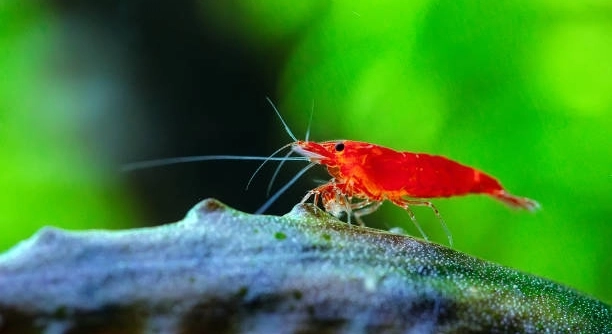
Have you ever watched your shrimp cluster in one corner of the tank, moving and nudging each other in ways that seem almost purposeful? These tiny crustaceans often act in ways that are surprising and sometimes puzzling.
Shrimp often fight over a single spot due to limited resources, such as food, shelter, or a preferred resting area. This behavior ensures survival, as occupying the best space increases their chances of safety, feeding efficiency, and reproductive opportunities.
Understanding why shrimp behave this way can help you manage your tank more effectively and create a balanced environment for all your aquatic pets.
Why Shrimp Choose One Spot
Shrimp often pick a single spot in the tank because it offers something they need. It might be a place with the most hiding spaces or the area with the best water flow. Some shrimp prefer surfaces where they can graze on algae easily. When several shrimp notice the same spot, they start to compete. This can look like pushing, nudging, or small skirmishes. It isn’t about being mean; it’s about survival. The shrimp that secures the spot gets easier access to food and safety. Over time, dominant shrimp may control it most of the day while others wait their turn. Watching this behavior can be fascinating because it shows a balance of hierarchy and cooperation. By understanding why they favor one spot, you can make adjustments in the tank to reduce fights. Adding extra hiding areas or spreading out food can make everyone more comfortable and calmer in their environment.
Providing more spaces in the tank often reduces competition and makes shrimp less stressed overall.
Creating multiple areas with plants or rocks can help shrimp share space without constant fighting. By distributing food evenly, you can also ensure that less dominant shrimp get their fair share. Observing their behavior after these adjustments often shows a calmer, more balanced tank.
How Tank Conditions Affect Behavior
Water quality plays a big role in shrimp behavior. Poor water conditions can make them more aggressive or restless.
Shrimp are sensitive to temperature, pH, and cleanliness. When these factors are off, even small shrimp can become territorial. They may repeatedly fight over the same spot or avoid others entirely. Proper tank maintenance, like regular water changes and monitoring parameters, keeps them comfortable and reduces stress. Adding plants, rocks, and hiding spaces also spreads them out naturally, giving each shrimp a sense of security. Observing your tank daily helps you notice small signs of stress before they escalate. Small adjustments in food placement or shelter can prevent most conflicts, ensuring all shrimp can access resources. By keeping the environment stable and predictable, shrimp are more likely to behave calmly, making it easier to enjoy watching them interact. A balanced setup not only reduces fighting but also supports growth, molting, and overall health in the long term.
Feeding and Space
Shrimp fight over spots often because food is concentrated in one area. If flakes or pellets are dropped in the same place repeatedly, stronger shrimp dominate, leaving others to wait or search elsewhere.
Even distribution of food can reduce fights. Spreading flakes or placing small amounts in multiple spots ensures that all shrimp get access. Observing feeding behavior shows which shrimp are dominant and which wait their turn. Over time, they adapt to the new routine, and competition decreases. Adding small hiding spots near feeding areas also allows timid shrimp to eat safely without being chased. This balance supports healthier growth and less stress.
Shrimp also prefer spaces that feel safe during feeding. Open areas can make them nervous, so they gather near plants or rocks. By creating multiple feeding zones with cover, you can reduce clustering and competition. Different species may also prefer different textures or surfaces, so offering variety keeps everyone comfortable. Small changes like this often have a big impact on tank harmony.
Social Behavior Patterns
Shrimp interact constantly, even when it seems like they are not moving much. Their nudges and touches are communication signals.
Shrimp establish small hierarchies, deciding which individuals get preferred spots or first access to food. Dominant shrimp usually control the best locations, but this hierarchy is flexible. Submissive shrimp may retreat temporarily but often get chances to feed when the dominant shrimp leave. Over time, patterns emerge that make the tank environment more predictable. Observing these interactions helps you understand who is stressed or isolated. Adjusting tank layout or adding hiding spaces allows weaker shrimp to thrive. Social balance impacts feeding, molting, and overall well-being. A calm tank encourages natural behaviors and reduces unnecessary conflicts.
Territory and Shelter
Shrimp often compete for the best hiding spots in the tank. Rocks, plants, and other structures give them safety and comfort. Stronger shrimp usually claim these spaces first, while others look for alternative areas to stay protected.
Providing multiple shelters reduces tension. Small caves, moss, and decorations spread throughout the tank give shrimp choices. With more options, they are less likely to fight and can rest or graze without stress.
Molting and Vulnerability
During molting, shrimp are extremely vulnerable. They shed their shells and need safe spots to recover. Dominant shrimp may guard prime shelters, forcing molting shrimp to retreat to less ideal areas, which increases stress and risk.
Tank Size and Population
Overcrowding intensifies competition. Too many shrimp in a small tank naturally lead to more conflicts over spots. Increasing space or reducing population helps balance interactions and reduces stress.
Observing Behavior
Noticing small changes in shrimp movement or clustering can signal stress or illness. Early observation allows adjustments before problems escalate.
FAQ
Why are my shrimp always fighting over the same spot?
Shrimp often fight over a single spot because it provides food, shelter, or safety. Dominant shrimp claim these spaces, forcing others to compete or wait. Limited hiding places or concentrated food make conflicts more frequent, while distributing resources and adding shelters can reduce fighting.
How can I stop shrimp from being aggressive?
Aggression usually comes from overcrowding, lack of hiding spots, or limited food. Increasing tank size, adding plants or rocks, and spreading food in multiple areas can calm shrimp. Observing which shrimp are stressed helps you identify problem areas and adjust the setup.
Do shrimp need their own personal space?
Yes, shrimp feel more secure when they have individual spots to retreat to. Providing multiple hiding areas and grazing surfaces ensures even timid shrimp can rest and feed without constant harassment.
Is it normal for shrimp to nudge or push each other?
Yes, this is a natural social behavior. Nudging communicates dominance, establishes hierarchy, and tests boundaries. While it may look aggressive, it usually does not cause harm if the tank environment supports enough space and resources.
Why do shrimp fight more during feeding time?
Food concentration is a major trigger for competition. If flakes or pellets are dropped in one spot, dominant shrimp take over, leaving others to wait. Distributing small amounts in multiple locations reduces fighting and ensures all shrimp get food.
Does tank size really matter for shrimp behavior?
Absolutely. Smaller tanks create more competition for limited resources, which increases fighting. Larger tanks give shrimp room to spread out, establish personal areas, and reduce stress. Adding hiding spots in both small and large tanks helps manage interactions effectively.
Can molting shrimp be bullied by others?
Yes, molting shrimp are vulnerable. Dominant shrimp may guard preferred shelters, forcing molting shrimp to retreat to less safe areas. Providing multiple hiding spots and cover during molting periods ensures shrimp recover safely and reduces stress-related conflicts.
How do I know if shrimp fighting is a serious problem?
Frequent chasing, damaged tails, missing limbs, or prolonged stress signals a serious issue. Adjusting tank setup, improving water quality, and providing multiple shelters usually resolves the problem. Continuous monitoring is important for long-term shrimp health.
Will adding more shrimp increase fights?
Yes, overcrowding raises competition for food and space. Adding too many shrimp in a small tank can cause ongoing conflicts. It’s better to maintain a balanced population and provide ample hiding spaces to prevent stress and aggression.
Are some shrimp naturally more aggressive than others?
Yes, species and individual personalities affect behavior. Some shrimp are naturally more dominant and assertive, while others are timid. Providing multiple shelters and even food distribution helps balance interactions and keeps both dominant and shy shrimp comfortable.
How often should I check my shrimp’s environment?
Daily observation helps catch early signs of stress, illness, or aggression. Monitoring water quality, hiding spot usage, and feeding behavior ensures a calm tank and prevents small issues from becoming larger problems.
Does adding plants really help reduce fighting?
Yes, plants provide hiding spots and grazing surfaces. They allow shrimp to spread out, feel safe, and reduce direct competition for space. Moss, floating plants, or dense foliage all contribute to a calmer, more balanced tank environment.
What is the best way to feed multiple shrimp without conflict?
Feed in small amounts at several locations around the tank. This reduces crowding and ensures timid shrimp get access. Observing feeding patterns helps identify which areas attract dominant shrimp and allows you to adjust placement for fairness.
Can water quality affect shrimp behavior?
Yes, poor water conditions make shrimp more stressed and aggressive. Temperature, pH, and cleanliness impact comfort and social interactions. Regular water changes and monitoring parameters help maintain a calm and healthy environment.
Is it possible to completely stop shrimp from fighting?
Not entirely, as nudging and small skirmishes are natural behaviors. The goal is to reduce serious aggression by providing space, hiding spots, distributed food, and good water conditions. Most shrimp will coexist peacefully with these adjustments.
How long does it take for shrimp to adjust to a new tank setup?
It can take a few days to a couple of weeks. Observing behavior during this period helps you identify stress points. Adjusting hiding spots, food placement, and tank layout gradually encourages a balanced social structure.
Do shrimp prefer certain surfaces or textures?
Yes, some shrimp favor smooth rocks, fine sand, or moss for grazing and resting. Providing variety allows them to choose comfortable spots, which reduces competition and stress. Observing their preferences helps you create a more harmonious tank.
What signs indicate shrimp are happy and comfortable?
Even spacing, calm grazing, regular molting, and active movement indicate content shrimp. Minimal chasing and balanced interactions show that the tank setup is working well. Maintaining water quality and sufficient resources keeps shrimp healthy and peaceful.
Can I mix different shrimp species without conflicts?
It depends on species temperament and size. Some combinations work well, while others lead to competition for resources. Providing plenty of hiding spaces, multiple feeding areas, and monitoring interactions ensures coexisting species remain safe and stress-free.
Are decorations and tank layout important for reducing fights?
Yes, decorations create territories and hiding spots. Rocks, caves, plants, and moss give shrimp choices for resting and grazing. A thoughtful layout reduces clustering, minimizes competition, and helps maintain social balance in the tank.
How often should hiding spots be cleaned or replaced?
Regular cleaning prevents algae buildup and keeps shelters safe. Replace or rearrange decorations periodically to prevent dominant shrimp from monopolizing specific spots. Clean shelters encourage even use and reduce conflicts.
Can stress from fighting affect shrimp health?
Yes, chronic stress weakens immunity, slows growth, and increases molting problems. Reducing aggression through proper tank size, hiding spots, and distributed food improves overall health and lifespan.
Is it better to add more hiding spots or more food first?
Both help, but hiding spots often reduce stress more effectively. Once shrimp feel secure, distributing food ensures even access. Combining both strategies creates a balanced, calm environment where conflicts are minimized.
Can I use visual barriers to reduce fighting?
Yes, floating plants or tall decorations act as barriers. They break lines of sight, reducing direct competition and allowing timid shrimp to feed and rest without interference.
How do I know which shrimp are dominant?
Dominant shrimp claim prime spots, feed first, and nudge others aside. Observing their behavior helps you plan tank layout, hiding spots, and feeding strategies to keep interactions fair and reduce stress.
Do shrimp ever share the same spot peacefully?
Yes, some spots are large enough for multiple shrimp. However, dominant shrimp usually get first access. Providing multiple equally appealing spaces encourages sharing without stress or fighting.
Can adding driftwood or moss pads help with space issues?
Yes, they create grazing surfaces and hiding spots. Adding these elements spreads shrimp out, reduces clustering, and decreases aggressive behavior while promoting natural feeding and resting habits.
Should I separate aggressive shrimp?
Separation is a last resort if fights cause injury or chronic stress. Often, tank adjustments like hiding spots, food distribution, and layout changes are enough to reduce aggression without isolating individuals.
How important is observation for long-term tank harmony?
Daily or frequent observation allows you to catch early signs of stress, aggression, or illness. Adjusting the environment proactively ensures shrimp remain healthy, social interactions stay balanced, and the tank stays peaceful.
What is the best overall strategy to minimize fights?
Provide a combination of sufficient space, multiple hiding spots, distributed food, clean water, and observation. These measures reduce stress, support natural behavior, and create a calm, balanced environment where shrimp coexist peacefully.
Can timid shrimp become more confident over time?
Yes, with proper hiding spots and fair access to food, timid shrimp gradually explore more areas. They gain confidence and participate in normal tank activities without being bullied by dominant shrimp.
Is adding extra plants better than rearranging the current ones?
Adding new plants increases options and reduces competition. Rearranging can help but may not create enough new territory. Combining both approaches often produces the best results for reducing fighting.
Do shrimp fight less in larger groups?
Not always. Larger groups can increase competition if the tank is too small. Proper spacing, hiding spots, and resource distribution are essential to prevent overcrowding conflicts, regardless of group size.
How do water parameters influence aggression?
Stable temperature, pH, and cleanliness reduce stress. Fluctuations can make shrimp restless, increase fighting, and affect health. Maintaining consistent conditions supports calmer social behavior.
Are younger shrimp less aggressive than adults?
Yes, juveniles often avoid confrontation. Adults establish hierarchy and defend preferred spots. Ensuring enough space and hiding areas allows all age groups to coexist safely.
Can certain decorations unintentionally create fighting spots?
Yes, large or central decorations can attract multiple shrimp. Providing multiple similarly attractive spots ensures no single area is overly contested and reduces dominance struggles.
Is feeding frequency important for minimizing fights?
Yes, frequent small feedings prevent large crowds from forming around one spot. This keeps dominant shrimp from monopolizing resources and ensures timid shrimp access food safely.
Do shrimp fight over breeding spaces?
Yes, some species may compete for ideal locations to mate or lay eggs. Providing multiple secure areas allows natural breeding behavior without excessive aggression.
How long should I monitor shrimp after making tank changes?
Monitor for at least a week. Most shrimp adjust quickly, but observing behavior ensures that new layouts, hiding spots, or food distribution effectively reduce stress and conflict.
What is the most common mistake causing shrimp fights?
Limited hiding spots and concentrated food are the main triggers. Simple adjustments in tank setup usually solve the problem and create a calmer, healthier environment.
Can I use barriers to separate dominant and timid shrimp temporarily?
Yes, temporary barriers or dividers allow timid shrimp to feed and rest safely until the tank is balanced with enough hiding spots and resources.
Do shrimp communicate aggression in other ways besides nudging?
Yes, color changes, posturing, and tail flicks are also signals. These subtle cues help establish hierarchy without physical harm in most cases.
Is it normal for shrimp to return to the same spot repeatedly?
Yes, shrimp choose spots based on safety, food, or grazing surfaces. Returning to familiar areas reduces stress and helps them feel secure in their environment.
Can rearranging the tank reduce conflicts long-term?
Yes, breaking up established territories and adding new hiding spots encourages shrimp to explore, spreads them out, and minimizes long-term competition for a single spot.
Are some tank setups better for multiple shrimp species?
Yes, setups with varied hiding spots, multiple feeding areas, and ample space accommodate different species’ preferences and reduce cross-species conflicts while supporting natural behavior.
Does providing variety in substrate help reduce fights?
Yes, different surfaces allow grazing and resting choices. Sand, fine gravel, and moss pads provide options for different shrimp, reducing clustering and resource competition.
Is it better to gradually introduce new shrimp?
Yes, adding shrimp slowly allows the established hierarchy to adjust, reduces sudden competition, and prevents stress and aggressive incidents in the tank.
How do I prevent bullying of smaller shrimp?
Provide hiding spots, multiple feeding areas, and even terrain. Observation ensures that smaller shrimp can access resources without constant harassment, promoting health and social balance.
Can water current affect shrimp clustering and fights?
Yes, shrimp prefer areas with moderate flow. Strong currents or stagnant zones can push them into the same areas, increasing competition. Adjusting flow helps distribute shrimp evenly.
Are there signs that hiding spots are insufficient?
Yes, overcrowding, constant chasing, or timid shrimp hiding excessively indicate too few shelters. Adding more options resolves tension and improves overall tank behavior.
How long does it take for shrimp to settle after changes?
Usually a few days to two weeks. Observation ensures adjustments like new hiding spots or redistributed food effectively reduce fighting and stress in the tank.
Can diet influence shrimp aggression?
Yes, proper nutrition reduces stress and prevents hunger-driven fights. Offering varied food in small amounts encourages calm behavior and balanced growth.
Do shrimp ever stop returning to a favorite spot?
Occasionally, if a spot becomes unsafe or crowded. Providing multiple appealing alternatives ensures they still feel secure while reducing direct competition.
Is lighting important for shrimp behavior?
Yes, dim or natural lighting reduces stress. Bright, constant lights can make shrimp feel exposed, increasing clustering and competition for safe spots.
Can seasonal changes affect shrimp fighting?
Yes, temperature shifts or water parameter changes can temporarily increase aggression. Maintaining stable conditions reduces seasonal stress and keeps interactions calm.
What is the best way to introduce plants for social balance?
Add plants gradually, providing cover and grazing surfaces throughout the tank. This encourages even distribution, reduces dominance struggles, and gives timid shrimp more security.
Are shrimp more likely to fight at certain times of day?
Yes, during feeding or active periods, competition increases. Spreading food and creating multiple feeding zones helps manage interactions during busy times.
Does the number of decorations matter more than tank size?
Both matter, but decorations create territories and hiding spots, which can directly reduce fights. In a larger tank with few shelters, conflicts may still occur.
How do I keep dominant shrimp from monopolizing resources?
Provide multiple feeding areas, additional hiding spots, and spread decorations evenly. Dominant shrimp will still choose preferred spots, but others will have alternatives, reducing stress and aggression.
Can temporary barriers help with molting periods?
Yes, separating vulnerable shrimp during molting ensures they recover safely. Once molting is complete, barriers can be removed to restore normal interactions.
Are shrimp more aggressive in bare tanks?
Yes, without hiding spots or structures, shrimp cluster in limited areas, increasing fights. Adding plants, rocks, and decorations spreads them out and reduces competition.
How often should I reassess tank layout?
Every few weeks or after observing persistent aggression. Adjusting hiding spots, food placement, and decorations keeps the tank balanced and minimizes conflicts over time.
Can water movement create preferred spots?
Yes, shrimp choose areas with gentle currents. Uneven flow can push them together, increasing competition. Balancing water movement encourages even distribution and reduces fights.
Do shrimp ever fight without clear reason?
Most fighting is resource-driven, but small skirmishes can occur during social interactions. With enough space, hiding spots, and food, these incidents are usually minor and brief.
Is it better to add small or large shelters?
A mix works best. Small shelters give timid shrimp safe spaces, while larger ones accommodate multiple shrimp and reduce competition over a single area.
Can rearranging plants reduce dominance?
Yes, moving plants breaks established territories and encourages shrimp to explore, distributing them more evenly and reducing aggressive encounters.
How do I prevent shrimp from clustering in one corner?
Provide multiple shelters, grazing surfaces, and spread food across the tank. Adjust water flow to avoid stagnant zones and encourage even distribution.
Do shrimp fight more when stressed by water changes?
Yes, sudden or large water changes can increase stress and aggression. Gradual adjustments and stable conditions help maintain calm behavior.
Are some species naturally more tolerant of others?
Yes, peaceful species coexist easily, while more aggressive species may need extra hiding spots or separate areas to reduce conflicts. Observation is key.
Can substrate choice affect fighting?
Yes, smooth or textured surfaces influence grazing and resting preferences. Offering variety reduces competition and allows shrimp to choose preferred areas.
Is it helpful to rotate hiding spots periodically?
Yes, moving shelters encourages shrimp to explore and prevents a single shrimp from dominating one spot indefinitely.
Do shrimp recognize specific areas as safe?
Yes, they return to familiar spots for safety, grazing, and resting. Providing multiple equally safe areas reduces competition and stress.
Can excessive feeding reduce fighting?
Yes, frequent small feedings prevent dominant shrimp from monopolizing food and allow timid shrimp to eat safely, reducing aggressive interactions.
Are territorial disputes more common in certain species?
Yes, species with stronger social hierarchies show more skirmishes. Peaceful species coexist with minimal conflicts if the tank is well structured.
Do shrimp ever fight over mating areas?
Yes, some species compete for ideal spots for breeding. Providing multiple secure areas allows natural behavior without prolonged aggression.
How do I balance feeding and space to reduce fights?
Feed small amounts in multiple locations and provide hiding spots near each feeding area. This allows all shrimp access without creating overcrowded zones.
Can removing a dominant shrimp help?
Only if aggression is severe. Usually, tank adjustments like more hiding spots and food distribution resolve conflicts without removing individuals.
Is it normal for shrimp to push each other repeatedly?
Yes, gentle nudging establishes hierarchy. Serious fights are rare if space, food, and shelters are adequate.
Do floating plants help with shy shrimp?
Yes, they create cover and visual barriers, reducing stress and allowing timid shrimp to feed and rest safely.
Can lighting changes reduce aggression?
Dim or natural lighting lowers stress and reduces clustering in exposed areas. Bright lights can increase visibility and competition.
How do I know if my tank has enough hiding spots?
Watch shrimp distribution. If some are constantly chased or hiding excessively, add more shelters and grazing areas to balance the environment.
Are certain areas naturally more contested?
Yes, spots with food, gentle water flow, or cover are preferred. Multiple similar areas prevent fights and allow fair access for all shrimp.
Do shrimp ever fight for fun?
Not really. Most behavior is resource-driven. Minor nudging may appear playful but is part of natural social interaction.
Can rearranging substrate reduce conflicts?
Yes, moving gravel, sand, or moss pads creates new grazing and resting areas, spreading shrimp out and lowering competition.
Is monitoring shrimp behavior daily necessary?
Yes, early detection of stress, aggression, or illness allows timely adjustments to tank setup and prevents long-term problems.
Can water hardness influence fighting?
Yes, unstable or unsuitable hardness can stress shrimp, increasing aggressive behavior. Keeping parameters stable supports calm interactions.
Do shrimp ever fight more at night?
Some species are more active during low light. Providing cover and multiple spaces ensures nighttime activity does not trigger excessive conflicts.
Are decorations more effective than plants for hiding?
Both help. Hardscape offers solid shelters while plants give cover and grazing areas. A mix is ideal for reducing stress and fights.
How do I encourage shy shrimp to explore?
Add multiple hiding spots near feeding zones and gentle water flow. Over time, timid shrimp gain confidence without facing constant aggression.
Can overcrowding be fixed without removing shrimp?
Yes, increasing vertical structures, adding hiding spots, and spreading food can reduce competition. In small tanks, population control may still be necessary.
Do shrimp fight less with calm water flow?
Yes, even, gentle currents allow shrimp to spread
Shrimp behavior can seem puzzling at first, especially when they gather in one spot and start nudging or pushing each other. This is natural behavior that comes from their need for safety, food, and space. In most cases, what looks like constant fighting is really them establishing a social order. Dominant shrimp tend to claim the best areas, while more timid shrimp wait or find alternative spots. Understanding this behavior helps you recognize that these interactions are normal and not necessarily harmful. Observing how shrimp move, feed, and interact gives insight into their preferences and needs. Over time, patterns emerge, and you can see which shrimp are comfortable, which ones are shy, and how they adapt to changes in the tank environment.
Providing enough resources in the tank is one of the most effective ways to reduce competition and keep shrimp comfortable. Multiple hiding spots, plants, rocks, or moss create areas for shrimp to retreat to, reducing stress and minimizing skirmishes. Food placement also matters. Spreading flakes or pellets across different areas prevents dominant shrimp from taking over one spot and ensures timid shrimp get a fair chance to feed. Water quality and tank conditions play a big role as well. Stable temperature, pH, and cleanliness keep shrimp healthy and calm. A well-maintained environment encourages natural behavior, supports proper molting, and helps shrimp grow without excessive stress. Even small adjustments in layout, feeding habits, or shelter can have a noticeable impact on tank harmony and overall shrimp behavior.
Watching shrimp interact over time can be rewarding and educational. You can see how they communicate, establish territory, and respond to changes in their environment. Even minor changes, like adding a small plant or adjusting the flow of water, can make a big difference in reducing fights and creating a more balanced space. By paying attention to these details, you can ensure that all shrimp have access to the resources they need and that no individual is constantly stressed. Maintaining this balance requires observation and small adjustments, but the results are worth it. Calm, well-fed, and comfortable shrimp show more natural behavior, move freely, and enjoy the space available to them. Creating an environment that supports their needs leads to a healthier tank overall and makes caring for shrimp a simpler, more enjoyable experience. This approach allows you to observe their unique behaviors without interference and ensures a peaceful and thriving aquatic setup.

Hello,
If you enjoy the content that we create, please consider saying a "Thank You!" by leaving a tip.
Every little bit helps us continue crafting quality advice that supports the health, happiness, and well-being of pets around the world, for pets of all shapes, sizes, and species.
We really appreciate the kindness and support that you show us!