
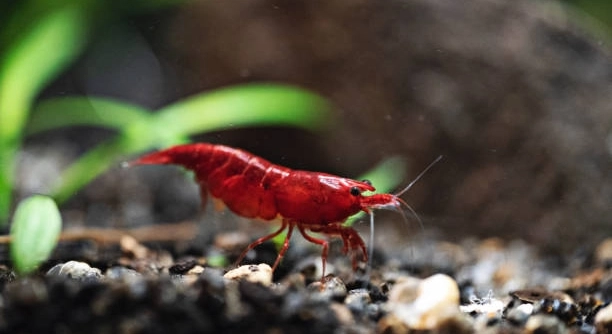
Have you ever noticed that your shrimp tank seems healthy, but the breeding numbers remain low? Even with proper feeding and clean water, many hobbyists struggle to boost shrimp reproduction effectively. Small adjustments can make a difference.
Increasing shrimp breeding rates often depends on optimizing their environment, diet, and tank conditions. Providing stable water parameters, quality food, and proper tank setup encourages healthier shrimp, reduces stress, and improves reproductive success consistently across multiple breeding cycles.
Understanding these small adjustments can significantly impact your shrimp population. Each tweak adds up, creating a more productive and thriving aquatic community for your tank.
Maintain Stable Water Parameters
Keeping water conditions consistent is key for shrimp breeding. Sudden changes in temperature, pH, or hardness can stress shrimp and reduce their willingness to reproduce. I make it a habit to monitor the water daily and make small adjustments slowly. This includes checking for ammonia, nitrite, and nitrate levels regularly. Using a quality heater ensures the tank stays at a comfortable temperature, and a gentle filter helps maintain clean water without creating strong currents. Over time, shrimp adapt better when the environment remains predictable, which encourages molting and mating behaviors. Even small fluctuations can cause a drop in egg production, so consistency matters more than dramatic improvements in water quality.
Shrimp thrive in stable, predictable conditions. Avoid sudden changes in water chemistry, as it can interrupt breeding cycles and stress the colony.
Consistent water parameters create a healthy environment for shrimp to reproduce successfully. Maintaining proper pH, temperature, and hardness reduces stress and encourages molting. Regular water testing helps catch potential issues before they affect breeding. A gentle filtration system and careful feeding practices support a stable ecosystem. Over time, these small but steady practices can lead to higher breeding rates and healthier shrimp. Stability allows shrimp to focus on reproduction rather than adjusting to changing conditions, making it easier to grow a thriving tank population.
Provide High-Quality Food
Feeding shrimp a varied, nutrient-rich diet improves breeding success. High-quality food ensures they have enough energy for molting and egg development, which directly impacts reproduction rates.
Balanced nutrition supports shrimp health and reproduction, boosting the number of eggs and survival of young.
Shrimp require more than basic flakes or pellets. Including algae wafers, blanched vegetables, and occasional protein sources ensures they receive vitamins and minerals critical for breeding. Feeding smaller amounts multiple times a day prevents water pollution and keeps food accessible for all shrimp. Proper nutrition supports molting cycles, which is essential for mating. Over time, a consistent diet tailored to shrimp needs results in more frequent and successful spawning, healthier eggs, and stronger offspring. Observing how shrimp respond to different foods helps refine the feeding routine, ultimately increasing breeding efficiency and overall tank vitality.
Provide Plenty of Hiding Spots
Shrimp feel safer when there are places to hide. Plants, moss, and small decorations reduce stress and encourage breeding.
Hiding spots protect shrimp during molting, which is a vulnerable time. Without adequate cover, they may delay molting or hide excessively, reducing mating opportunities. I add dense moss mats, small caves, and live plants to create a natural feel. Shrimp can explore freely while staying protected from potential threats, including their own tankmates. This setup encourages confidence and regular activity. Over time, the colony becomes more active and willing to reproduce, as they feel secure and less exposed in their environment. Proper hiding spots directly support healthier breeding patterns.
Providing ample cover also helps baby shrimp survive. Dense plants and moss give tiny shrimp safe spaces, reducing the chance of them being eaten or stressed.
Keep the Tank Clean
Regular cleaning is essential for healthy shrimp breeding. Removing debris and uneaten food prevents harmful bacteria and keeps water quality stable.
A clean tank minimizes disease risks and supports shrimp health. I perform partial water changes weekly, carefully removing waste without disturbing the substrate too much. Using a gentle siphon helps clear debris while keeping beneficial bacteria intact. Filters need regular maintenance to avoid clogging and maintain flow, but I avoid over-cleaning to preserve the natural microfauna shrimp feed on. Clean tanks encourage active shrimp behavior, regular molting, and successful mating. Consistent care prevents sudden declines in water quality, ensuring the colony remains productive and resilient over time.
Maintaining a clean tank also prevents algae overgrowth and keeps surfaces safe for shrimp to graze. Proper cleaning routines maintain balance, encouraging breeding and supporting healthy offspring.
Control Tank Temperature
Shrimp breed best in stable, slightly warm water. Sudden temperature changes can stress them and reduce egg production.
Maintaining the tank around 75–78°F helps shrimp stay active and encourages molting, which is necessary for mating. A reliable heater and thermometer make monitoring easy and consistent.
Separate Aggressive Tankmates
Aggressive fish or other creatures can stress shrimp, preventing breeding. I keep peaceful species only, allowing shrimp to move freely and safely. Stress-free environments increase mating activity and survival rates for both adults and juveniles.
Use Soft Water
Soft water promotes better breeding for many shrimp species. Minerals should be low, and pH slightly acidic to neutral. Regular testing ensures conditions remain suitable.
Maintain Consistent Lighting
Shrimp respond well to a consistent day-night cycle. I keep lights on about 8–10 hours daily. Proper lighting supports algae growth, which provides natural food and helps shrimp feel secure.
FAQ
How often should I feed my shrimp to improve breeding?
Feeding small amounts 2–3 times daily works best. Overfeeding can pollute the water and stress the shrimp, reducing breeding success. I prefer using a mix of high-quality pellets, blanched vegetables, and occasional protein treats. Consistent, moderate feeding ensures shrimp have enough energy for molting and reproduction. Observing how quickly they consume food helps adjust portions without creating leftover waste. Feeding routines play a big role in maintaining water quality while supporting healthy, active shrimp that are more likely to breed consistently over time.
What water parameters are ideal for shrimp breeding?
Most freshwater shrimp do best in slightly acidic to neutral pH, around 6.5–7.5. Soft to moderately hard water encourages molting and reproduction. Stable temperature is equally important, usually 75–78°F. I keep a thermometer in the tank and test water weekly to catch changes early. Ammonia and nitrite must stay at zero, while nitrates should be low. Sudden shifts in temperature, pH, or hardness can stress shrimp, delay molting, or even cause mortality. Maintaining these parameters consistently allows shrimp to focus on reproduction instead of adapting to changes, increasing breeding rates.
How can I encourage baby shrimp to survive?
Providing plenty of hiding spots, such as moss, plants, and small decorations, is essential. Juvenile shrimp are highly vulnerable to predation and stress. I also keep tankmates peaceful and avoid overcrowding. Regular partial water changes keep water clean without disturbing the substrate too much. Microscopic food like infusoria or powdered shrimp food supports growth for the youngest shrimp. Maintaining gentle water flow ensures eggs and tiny shrimp are not swept away or exposed to strong currents. Observing their behavior helps me adjust hiding areas and feeding amounts to maximize survival rates.
Do lighting and day-night cycles matter?
Yes. Shrimp feel more secure with consistent lighting. I use a timer to maintain 8–10 hours of light daily. This encourages regular activity and grazing on algae while preserving a natural rhythm for molting and mating. Too much light can stress shrimp and promote algae overgrowth, while too little may reduce their activity and interest in breeding.
Can tank size affect breeding rates?
Yes. Smaller tanks may limit breeding due to space and water stability, while larger tanks allow more room for hiding and stable parameters. I prefer medium-sized tanks for small colonies, as they are easier to maintain and provide enough space for shrimp to establish territories. Overcrowding can increase stress, reduce molting frequency, and lower reproduction rates. Proper stocking levels help maintain a balance between active shrimp behavior and environmental stability.
How important is tank maintenance for breeding success?
Tank maintenance is critical. Weekly partial water changes, careful substrate cleaning, and filter checks prevent toxins from building up. I avoid over-cleaning, which can remove beneficial bacteria. Clean water reduces stress, prevents disease, and supports healthy molting cycles. Shrimp reproduce more consistently in well-maintained environments, where food, hiding spots, and water quality are reliable and predictable.
Does diet variety really make a difference?
Absolutely. A varied diet ensures shrimp get essential nutrients needed for egg production and molting. I rotate between algae wafers, vegetables, and occasional protein like frozen daphnia. Variety keeps shrimp active, encourages healthy growth, and improves overall reproductive success. Monotonous diets can lead to deficiencies, slower molting, and reduced egg production. Consistency paired with variety is the key to supporting a thriving, reproducing colony.
What are signs that shrimp are ready to breed?
Female shrimp carrying eggs or showing a darker saddle indicate readiness. Males become more active and swim frequently around females. I watch for molting patterns too, as females typically mate shortly after shedding. Observing these behaviors helps me ensure conditions are optimal and intervene if water parameters or food availability need adjustment.
How long does it take to see breeding results?
With ideal conditions, shrimp may start reproducing within a few weeks. Some species are slower, and results depend on age, diet, and tank stability. I track breeding cycles and adjust conditions gradually, knowing that consistent care leads to reliable, long-term reproduction rather than immediate results.
Can I breed different shrimp species together?
Mixing species can work, but hybrids may form and survival rates can drop. I usually keep one species per tank to maintain control over breeding outcomes. Consistency in water parameters, diet, and habitat requirements helps prevent stress, which could otherwise reduce reproduction efficiency. Separate species allow monitoring each colony’s success without complications from interspecies interactions.
Maintaining a successful shrimp breeding tank takes patience, attention, and consistency. The small adjustments made to water quality, diet, and habitat can add up to significant improvements in reproduction rates. Keeping parameters stable, including temperature, pH, and hardness, creates a comfortable environment where shrimp can focus on molting and mating instead of adapting to sudden changes. Even small fluctuations can stress the shrimp, delaying egg production or causing them to hide more often. Over time, consistent monitoring and slow, careful adjustments ensure that shrimp remain healthy and active, which directly supports breeding success. A well-maintained tank provides the foundation for long-term productivity and a thriving colony.
Feeding practices and nutrition are equally important for encouraging reproduction. Shrimp need a diet that provides energy for molting and egg development. Offering a variety of high-quality foods, such as algae wafers, blanched vegetables, and occasional protein sources, ensures they receive all necessary nutrients. Overfeeding can harm water quality, so it’s important to give smaller amounts multiple times a day. Observing how shrimp interact with food helps fine-tune feeding routines. Proper nutrition supports stronger eggs, healthier offspring, and more frequent breeding. Along with consistent water conditions, a balanced diet creates an environment where shrimp can thrive naturally, without unnecessary stress or deficiency.
Providing enough space and hiding spots also plays a key role in breeding success. Shrimp feel safer when they have plants, moss, and small decorations to explore and take cover in, especially during molting. Baby shrimp also benefit from these protective areas, which reduce stress and increase survival rates. Minimizing aggressive tankmates and maintaining a clean, gentle-flowing tank further ensures that both adult and juvenile shrimp remain healthy. Together, these factors create a secure and productive environment. With patience and consistent care, applying these small but crucial practices can lead to a thriving shrimp colony and higher breeding success over time.

Hello,
If you enjoy the content that we create, please consider saying a "Thank You!" by leaving a tip.
Every little bit helps us continue crafting quality advice that supports the health, happiness, and well-being of pets around the world, for pets of all shapes, sizes, and species.
We really appreciate the kindness and support that you show us!