
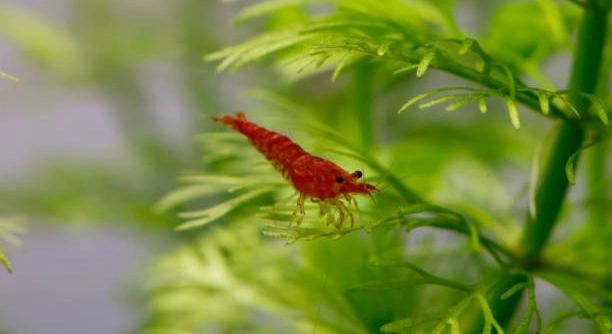
Are your freshwater shrimp showing dull colors despite your careful care? Many shrimp enthusiasts face this challenge, as vibrant coloration depends on more than just water quality and feeding routines. Small changes can make a noticeable difference in their appearance.
The most effective ways to encourage better shrimp color involve optimizing diet, maintaining stable water conditions, providing sufficient lighting, and offering natural pigments. Each factor contributes to pigmentation, overall health, and visible vibrancy, which can significantly improve the shrimp’s aesthetic appeal.
Improving shrimp coloration requires consistent care and attention to detail, ensuring they remain healthy and visually striking in any aquarium environment.
Balanced Diet for Vibrant Shrimp
A balanced diet is key to enhancing shrimp coloration. High-quality shrimp foods containing carotenoids, such as astaxanthin, can naturally deepen red and orange tones. Incorporating a variety of vegetables, algae, and protein-rich foods ensures shrimp receive essential nutrients for both health and pigment development. Avoid overfeeding, as uneaten food can degrade water quality, negatively affecting color. Including natural color enhancers like spirulina or shrimp-specific color pellets provides consistent support for pigmentation. Regularly rotating food types helps prevent deficiencies and encourages more vivid colors, as each type contributes different nutrients. Monitoring shrimp behavior during feeding also allows you to identify preferences and ensure all shrimp get access to color-boosting foods. Over time, a carefully managed diet results in shrimp that not only look healthier but are more active and resilient. Small daily adjustments in feeding routines can make a noticeable difference in their overall vibrancy and vitality.
Balanced diets directly influence pigmentation and general health, supporting vibrant, strong shrimp.
Feeding shrimp a varied mix of algae, vegetables, and color-enhancing pellets consistently provides the nutrients needed for deep, natural coloration. Proper portions and rotation ensure all shrimp benefit without harming water quality. Observing their behavior during feeding also helps identify shy or weaker shrimp, making sure every individual gets its share of nutrient-rich food. Maintaining this routine over weeks reinforces color development and strengthens their overall condition. Even minor improvements in food quality or type can noticeably enhance hue and brightness, giving shrimp a richer, more vivid appearance. Combining protein sources with natural pigments ensures a comprehensive approach to coloration.
Stable Water Conditions
Stable water conditions are crucial for shrimp color. Fluctuations in pH, temperature, or ammonia levels can stress shrimp and dull their pigmentation. Keeping water parameters consistent ensures a healthy environment that supports vibrant coloration.
Maintaining appropriate temperature, pH, and hardness directly impacts shrimp health and visual appeal.
Consistently clean water with stable chemical parameters is essential for promoting natural shrimp color. Sudden changes in temperature or pH can cause stress, leading to faded hues and sluggish behavior. Regular water testing allows early detection of shifts in ammonia, nitrite, or nitrate levels, preventing harmful effects on shrimp. Gentle water changes and avoiding overstocking minimize stress, supporting both growth and pigmentation. Substrate choice can also influence water stability, as some materials naturally buffer pH or release minerals. Ensuring proper filtration and aeration maintains oxygen levels and water clarity, which indirectly supports shrimp coloration. Over time, a stable aquatic environment allows shrimp to display their full range of colors, enhancing the visual impact of your tank. By combining consistent maintenance and careful monitoring, shrimp can thrive in conditions that maximize vibrancy and overall health.
Adequate Lighting
Proper lighting helps shrimp display their natural colors more vividly. Using full-spectrum lights that mimic daylight can enhance reds, oranges, and blues, supporting overall health and activity.
Consistent lighting schedules encourage shrimp to maintain bright colors and normal behaviors. Avoid placing tanks in direct sunlight, as it can cause algae blooms and stress. Using LED or fluorescent lights with the right intensity ensures pigment development without overheating the water. Observing shrimp under different light angles can reveal subtle changes in hue, showing how lighting affects their appearance. Combining lighting with a healthy diet and stable water conditions maximizes color potential.
Lighting also affects plant growth in the tank, which indirectly supports shrimp pigmentation. Plants absorb excess nutrients, helping maintain clean water while providing shaded areas that reduce stress. The contrast between bright light and shaded spots allows shrimp to show off richer colors when they move between zones. Adjusting duration and intensity gradually prevents sudden stress, maintaining steady pigment levels. Over time, balanced lighting, paired with careful maintenance, promotes naturally vivid shrimp in all areas of the aquarium.
Mineral-Rich Water
Minerals in the water influence shrimp coloration and shell strength. Elements like calcium and magnesium are essential for vibrant hues and healthy growth.
Maintaining mineral-rich water supports exoskeleton development and enhances natural pigments. Soft or depleted water can lead to duller colors and weaker shells, affecting both appearance and overall health. Using mineral supplements or naturally buffered substrates ensures essential ions are present. Regular testing helps maintain consistent levels, avoiding sudden drops that can stress shrimp. Careful monitoring of water hardness and alkalinity provides the foundation for stronger pigmentation, as minerals interact with dietary nutrients to produce deeper tones.
Minerals also help shrimp molt successfully, which is directly tied to coloration. Weak shells from low mineral content can cause incomplete molts, leaving shrimp pale or patchy in appearance. Supplementing with appropriate minerals supports regular molting cycles, allowing shrimp to develop their full color potential. Certain trace elements, like iodine or iron, contribute to brighter hues when present in balanced amounts. Over time, maintaining mineral-rich water results in more resilient shrimp that consistently display deeper, more vivid colors, complementing the effects of diet and lighting.
Regular Water Changes
Frequent water changes help maintain clean, stable conditions, which support shrimp color and health. Removing accumulated waste prevents toxins from stressing the shrimp.
Changing 10-20% of the water weekly keeps parameters steady. Using dechlorinated water that matches tank conditions avoids sudden shocks that can dull pigmentation.
Avoid Overcrowding
Overcrowded tanks cause stress, competition for food, and slower growth, all of which affect coloration. Providing enough space allows shrimp to move freely and display their natural colors without stress.
Use Natural Hiding Spots
Adding plants, moss, and rocks creates shaded areas that reduce stress and encourage color development. Shrimp feel safer, which helps maintain brighter hues.
Consistent Feeding Schedule
Feeding shrimp at the same time daily ensures all individuals receive proper nutrition. Consistency supports both health and natural pigmentation.
FAQ
How often should I feed my shrimp to improve color?
Feeding shrimp small portions once or twice a day is sufficient. Overfeeding can pollute the water and stress the shrimp, which dulls their coloration. Using a mix of algae-based foods, vegetables, and color-enhancing pellets ensures they receive the nutrients needed to maintain vibrant hues. Observing how much they consume in a few minutes helps adjust portion sizes, preventing leftover food from breaking down in the tank. Consistent feeding at the same time daily also supports healthy behavior and stress reduction.
Can water temperature affect shrimp color?
Yes, water temperature plays a significant role in shrimp health and pigmentation. Sudden fluctuations can stress shrimp, leading to faded colors or inactivity. Maintaining a stable temperature appropriate for the species allows their natural colors to develop fully. Heating or cooling the water gradually prevents shock, supporting overall vitality. Consistent temperatures also help regulate metabolism, which indirectly affects pigment production. Proper temperature management works best in combination with a balanced diet, stable water parameters, and good lighting.
Do lighting conditions really impact shrimp coloration?
Lighting has a noticeable effect on how shrimp display their colors. Full-spectrum or daylight-simulating lights enhance natural pigments, making reds, oranges, and blues more visible. Providing a consistent light schedule supports both plant growth and shrimp activity, contributing to brighter coloration. Too much light can stress shrimp, while too little may cause colors to appear dull. Using LED or fluorescent lights at moderate intensity allows them to show their best colors. The combination of lighting, diet, and water quality ensures shrimp maintain a healthy, vibrant appearance.
Is water hardness important for color development?
Mineral content, including calcium and magnesium, directly affects exoskeleton strength and color intensity. Soft or depleted water can result in weaker shells and less vivid pigmentation. Using mineral supplements or substrates that naturally release ions ensures shrimp get the necessary elements for consistent coloration. Regular testing keeps hardness and alkalinity stable, preventing stress that dulls hues. Minerals also aid successful molting, which is crucial for displaying full color. Balanced water hardness, paired with proper nutrition and clean conditions, supports both growth and long-lasting vibrancy.
Can stress cause shrimp to lose color?
Yes, stress can significantly impact shrimp coloration. Factors like overcrowding, sudden water changes, or aggressive tank mates can trigger stress, leading to faded or patchy hues. Providing hiding spots, stable water conditions, and a consistent feeding schedule helps reduce stress levels. Shrimp under lower stress display brighter, more consistent colors and remain more active. Paying attention to their behavior and tank environment allows adjustments to reduce stress before it affects pigmentation. Over time, calmer shrimp maintain natural, vivid coloration more reliably.
Do plants or decorations influence shrimp color?
Plants, moss, and natural decorations offer shaded areas that reduce stress and provide grazing opportunities for algae. Shrimp feel safer in these environments, which encourages natural behaviors and supports brighter pigmentation. Dense planting can also enhance visual contrast, making colors appear more vivid. Live plants help stabilize water quality by absorbing excess nutrients, indirectly supporting healthy coloration. Using rocks or driftwood creates hiding spots and subtle lighting contrasts, further helping shrimp display their full color range. A well-planted, carefully arranged tank maximizes both comfort and visual impact.
Are there foods that specifically enhance red or orange colors?
Yes, foods rich in carotenoids, like astaxanthin, help intensify red and orange pigments. Color-enhancing pellets, spirulina, and certain algae are effective choices. Combining these with a balanced diet ensures shrimp get essential nutrients for both health and color. Rotating foods provides variety and prevents deficiencies, keeping all shrimp vibrant. Observing shrimp response to specific foods helps identify which items most effectively boost pigmentation. Feeding consistently with color-promoting ingredients over several weeks produces noticeable improvements in hue and overall visual appeal.
How long does it take to see color improvement?
Visible improvements in shrimp coloration typically appear within a few weeks of consistent care. Factors like diet, water quality, lighting, and stress reduction all contribute to the timeline. Younger shrimp may take longer to develop full coloration, while adults can show quicker changes if conditions improve. Maintaining stable, high-quality tank conditions ensures that pigment development is gradual and lasting. Patience is key, as abrupt changes or inconsistent care can slow progress. Regular observation allows you to track improvements and make adjustments to feeding, lighting, or water management as needed.
Can color fade during molting?
Yes, shrimp often appear paler before and immediately after molting. Pigments are temporarily less visible until the new exoskeleton hardens. Ensuring proper minerals and nutrition supports successful molts and helps shrimp regain their full color quickly. Avoid stressing shrimp during this period, as they are more vulnerable. Maintaining consistent water conditions and a balanced diet accelerates recovery, allowing colors to return fully once the exoskeleton is firm. Recognizing this natural cycle helps prevent unnecessary worry about temporary fading.
Does tank size matter for color development?
Tank size indirectly affects shrimp coloration by influencing stress levels and water stability. Smaller tanks can experience rapid changes in temperature and chemistry, stressing shrimp and dulling color. Larger tanks provide more stable conditions, adequate swimming space, and room for plants and decorations, which support natural behavior and vibrant pigmentation. Overcrowding should be avoided regardless of size, as it increases competition for food and hiding spaces. Maintaining an appropriately sized tank ensures shrimp can thrive, display their best colors, and grow healthily without undue stress.
Maintaining vibrant shrimp color requires attention to several key factors in your aquarium. Diet plays a major role, as shrimp need a balanced mix of protein, vegetables, and color-enhancing foods to develop strong pigmentation. Including natural sources of carotenoids, such as spirulina or shrimp-specific color pellets, helps intensify red and orange hues over time. Rotating foods and providing a variety of nutrients ensures that all shrimp receive what they need to maintain health and color. Overfeeding can be just as harmful as underfeeding, because uneaten food can pollute the water and stress the shrimp, which often leads to duller colors. Observing shrimp during feeding can help identify individuals that may not be eating enough, allowing you to adjust portions or provide extra care when needed. A carefully managed diet combined with consistency in feeding times helps shrimp display their full natural coloration and supports their overall vitality.
Water quality is another essential factor that directly affects shrimp coloration. Stable water parameters, including temperature, pH, hardness, and mineral content, help prevent stress and support healthy pigmentation. Regular water changes remove waste and excess nutrients that could otherwise compromise the environment and the shrimp’s health. Minerals like calcium and magnesium are particularly important for shell development and maintaining vibrant colors, while trace elements such as iodine or iron also play a supporting role. Sudden fluctuations in water chemistry can quickly cause shrimp to lose color or become less active, so monitoring these factors consistently is crucial. Substrates, decorations, and plants can also contribute to stable water conditions while providing hiding spots and grazing surfaces that make shrimp feel secure. A well-maintained aquarium environment allows shrimp to molt successfully, grow properly, and display their brightest colors without unnecessary stress.
Lighting and tank setup complement diet and water quality in influencing shrimp coloration. Full-spectrum lighting simulates natural daylight, highlighting pigments and encouraging natural behavior, while plants, moss, and rocks provide shaded areas that reduce stress and create visually appealing contrasts. Overcrowding should be avoided, as competition for food and space can affect both health and color. A thoughtfully arranged tank with plenty of space, natural hiding spots, and stable conditions allows shrimp to move freely and show off their full range of hues. Maintaining these factors consistently over time results in shrimp that are not only more colorful but also healthier and more resilient. By combining proper feeding, water management, lighting, and tank organization, you create an environment where shrimp can thrive and exhibit their best natural coloration.

Hello,
If you enjoy the content that we create, please consider saying a "Thank You!" by leaving a tip.
Every little bit helps us continue crafting quality advice that supports the health, happiness, and well-being of pets around the world, for pets of all shapes, sizes, and species.
We really appreciate the kindness and support that you show us!