
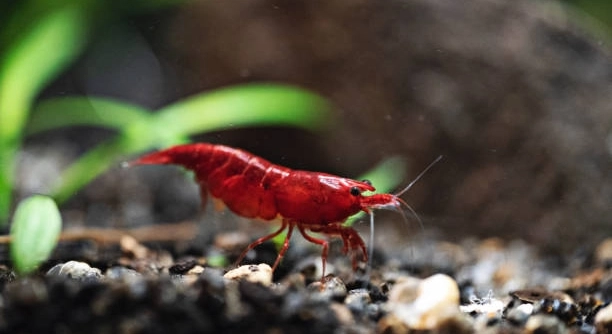
Do you ever notice your cherry shrimp ignoring the food you bought from the store? Many shrimp owners feel puzzled when their tiny pets refuse meals that seem perfectly fine. This can be frustrating and confusing.
Cherry shrimp may reject store-bought food due to differences in texture, flavor, and nutritional composition compared to their natural diet. Sensory sensitivity and dietary preferences influence acceptance, and abrupt changes in food type can trigger feeding refusal in these delicate aquatic creatures.
Understanding why your shrimp behave this way can help improve their diet and overall health. Learning these patterns ensures they stay active, nourished, and thriving in your aquarium environment.
Texture and Size Preferences
Cherry shrimp can be surprisingly picky about the texture and size of their food. Many store-bought foods are formulated as pellets or flakes, which can feel hard or too dense for their tiny mouths. Some shrimp prefer softer, flake-like foods that dissolve quickly in water. Others may favor microscopic particles that sink slowly so they can graze naturally. If the food is too large or too hard, shrimp may simply avoid it, even if it is nutritious. Over time, they develop preferences based on what they can easily handle and consume without stress. It is also common for shrimp to test new foods gradually, nibbling only a little before deciding whether to continue eating. By observing these habits, owners can adjust feeding strategies to better suit their shrimp. Small adjustments like breaking pellets into finer pieces or soaking flakes can significantly improve acceptance and reduce food waste in the tank.
Shrimp often reject food that is too large, hard, or dense, preferring smaller, softer particles that they can manage comfortably.
Offering a mix of soft flakes and finely crushed pellets helps meet their texture needs. This approach encourages consistent eating habits while minimizing leftover food that could harm water quality.
Nutritional Needs and Diet Familiarity
Shrimp tend to favor foods that match their natural diet in terms of nutrients and taste. A sudden introduction of high-protein or artificially flavored store foods can be off-putting. Over time, they may ignore food that doesn’t resemble the algae, biofilm, or plant matter they are used to consuming. Gradually incorporating new foods alongside familiar options helps them adapt more readily. It is important to remember that shrimp have tiny digestive systems, so overloading them with unfamiliar foods can lead to rejection or digestive issues. Observing which types of store-bought foods your shrimp consistently eat can guide future purchases. Additionally, rotating foods and offering occasional natural treats like blanched vegetables or biofilm supplements ensures balanced nutrition and keeps them engaged with their diet, promoting health and growth. Proper feeding routines also reduce stress, which is a factor in food refusal.
Some shrimp reject food simply because it is unfamiliar or doesn’t match their usual diet.
Tracking preferences and combining natural and store-bought options encourages acceptance. Patience and observation are key, as tiny dietary adjustments often lead to better long-term feeding habits and healthier, more active shrimp.
Water Quality and Feeding Behavior
Poor water conditions can make cherry shrimp hesitant to eat. High levels of ammonia, nitrites, or sudden changes in temperature stress them, reducing appetite. Even high-quality food can be ignored if the tank environment feels unsafe.
Maintaining stable water parameters is crucial for consistent feeding. Shrimp are sensitive to pH shifts, temperature fluctuations, and chemical changes. If the water is too harsh, they may hide and avoid food entirely. Regular water testing and partial water changes help keep the tank stable. Clean surfaces and minimal waste also encourage shrimp to explore and feed. Even a slight improvement in water quality can increase their willingness to eat store-bought food. Observing shrimp behavior alongside water readings helps pinpoint issues affecting appetite.
Stressful conditions reduce shrimp energy and digestive efficiency. They may nibble only lightly or refuse food completely. Gradual acclimation, stable water, and smaller, softer food portions improve acceptance and overall health, ensuring they remain active and nourished in the tank.
Feeding Frequency and Timing
Shrimp prefer regular, predictable feeding schedules to feel secure and eat properly. Inconsistent timing can make them ignore food.
Feeding too much or too little can both cause problems. Overfeeding leads to leftover food that pollutes the water and may deter shrimp from eating fresh portions. Underfeeding causes them to graze minimally or seek alternative, less nutritious sources in the tank. Observing natural activity patterns helps determine optimal feeding times, often early morning or evening when shrimp are most active. Consistency in timing helps build trust in the food provided, making store-bought options more acceptable.
Smaller, frequent meals are generally better than one large feeding. Dividing daily portions encourages grazing behavior, reduces waste, and allows shrimp to sample food slowly. Combining this with attention to food texture and water conditions increases overall feeding success. Predictable schedules also reduce stress and ensure all shrimp, including shy individuals, have access to food, supporting uniform growth and a healthier community in the aquarium.
Food Freshness
Cherry shrimp are sensitive to stale or old food. Store-bought flakes and pellets lose appeal if exposed to air or moisture for too long.
Even high-quality food can become less attractive over time. Moisture, oxidation, and heat can change texture and flavor, making shrimp less willing to eat.
Natural Grazing Habits
Shrimp naturally feed on biofilm, algae, and decaying plant matter. They are accustomed to grazing constantly rather than eating large, processed meals. Store foods that do not mimic these habits may be ignored. Observing their grazing patterns helps tailor feeding routines.
Sudden Diet Changes
Abruptly switching to new foods can shock their digestive system. Gradual introduction is key to acceptance.
Why do my cherry shrimp ignore high-quality store food?
Cherry shrimp may ignore food because it doesn’t match their natural preferences. Even high-quality pellets or flakes can feel hard, dry, or unappealing. Shrimp rely on texture and scent cues, and if the food is too unfamiliar, they may avoid it completely. Their small mouths favor tiny particles that are easy to graze on, similar to the biofilm and algae they naturally consume.
Can cherry shrimp starve if they reject store-bought food?
Yes, but it usually takes time. Cherry shrimp can survive on natural biofilm, algae, and detritus in a well-maintained tank. However, if their environment lacks these resources and they refuse all store food, they may become malnourished. Supplementing with natural options like blanched vegetables or algae wafers ensures they receive proper nutrients. Regular observation is key to making sure all shrimp are eating and thriving.
How can I make store food more appealing?
Soaking pellets or flakes in tank water before feeding softens them, making them easier for shrimp to consume. Crushing larger pieces into smaller fragments can also help. Mixing store food with natural items like algae wafers or finely chopped vegetables creates a more familiar texture and taste. Gradually increasing the proportion of store food while keeping familiar options helps shrimp accept it over time.
Is it normal for some shrimp to refuse food entirely?
Yes, individual preferences vary. Some shrimp are naturally shy eaters or picky due to size, age, or health. Stress from poor water quality, sudden temperature shifts, or overcrowding can worsen refusal. Offering a variety of food types in small amounts encourages exploration. Monitoring the tank ensures all shrimp receive proper nutrition without waste accumulation.
Should I change the water before introducing new food?
Not necessarily every time, but maintaining clean, stable water improves feeding behavior. Fresh water encourages shrimp to feel safe and more willing to eat. Sudden water changes or temperature fluctuations during feeding may stress shrimp and reduce appetite. Regular partial water changes help maintain optimal conditions, making food more appealing.
How often should I feed cherry shrimp store food?
Small, frequent feedings are better than one large meal. Dividing daily portions into two or three feedings reduces leftover food and mimics natural grazing. Observing shrimp activity helps determine the best schedule. Feeding only what they can consume in a few hours keeps the tank clean and prevents food from decomposing and affecting water quality.
Can adding natural foods help picky shrimp accept store-bought options?
Yes, combining familiar foods with new options increases acceptance. Algae, biofilm supplements, and blanched vegetables provide a familiar taste and texture, making shrimp more likely to try new items. Gradually increasing the proportion of store food while keeping natural items encourages consistent eating habits. Patience is essential, as adaptation may take days or weeks.
Do shrimp eat better at certain times of day?
Yes, cherry shrimp are most active in low light, often early morning or evening. Feeding during these periods aligns with their natural grazing patterns. Consistent timing helps them anticipate food, increasing acceptance. Avoid feeding under bright light, as shrimp may hide or eat minimally, reducing the effectiveness of store food.
What if only some shrimp are eating?
Individual feeding differences are common. Shy or smaller shrimp may struggle to compete for food. Providing multiple feeding points and spreading food in different areas allows all shrimp to access it. Crushing pellets or using smaller flakes ensures that timid shrimp can consume enough without interference. Observing interactions helps ensure balanced nutrition across the tank.
How long should I wait before trying a new food again?
Introduce new foods gradually, ideally over several days. Rapid changes can stress shrimp and lead to rejection. Start with small amounts mixed with familiar options, slowly increasing the new food portion. Consistency and patience help shrimp adapt, reducing food refusal while promoting healthy growth and activity in the aquarium.
This FAQ approach ensures that all common issues with cherry shrimp rejecting store-bought food are addressed while giving practical, easy-to-implement solutions. By focusing on water quality, texture, timing, and gradual introduction, shrimp are more likely to accept new foods without stress.
Cherry shrimp are delicate creatures with specific habits and preferences, and understanding these habits is key to keeping them healthy and happy. Their small size and sensitive nature mean that even minor changes in their environment or diet can have noticeable effects. Store-bought foods, while convenient and nutritionally balanced, often differ from the natural foods shrimp encounter in their habitat. They are used to grazing on biofilm, algae, and plant matter, which provides them with both nutrients and a sense of security. If these foods are replaced abruptly or offered in textures and sizes that feel unfamiliar, shrimp may refuse them. This behavior is normal and does not necessarily indicate illness or poor quality food. Observing their natural tendencies and making small, thoughtful adjustments helps ensure they continue to eat and thrive.
One of the most important factors influencing feeding success is water quality. Stable water parameters, including temperature, pH, and low levels of harmful chemicals, encourage shrimp to feel safe and explore their tank for food. Stressful conditions, such as sudden temperature swings, poor filtration, or overcrowding, can make even the most appealing food unattractive. Similarly, feeding frequency and portion size play a significant role. Cherry shrimp benefit from small, frequent meals rather than a single large feeding. This approach mimics their natural grazing patterns and reduces the risk of leftover food polluting the tank. By combining proper water management with gradual food introductions, shrimp are more likely to accept store-bought foods, even if they initially resist. Patience and attention to detail often result in a noticeable improvement in feeding behavior over time.
In addition to water quality and feeding routines, it helps to consider texture, taste, and freshness of the food offered. Some shrimp reject pellets or flakes that are too hard, large, or dry. Soaking pellets in tank water, crushing them into smaller pieces, or mixing them with familiar natural foods can make them easier to consume. Introducing new foods gradually, while keeping some familiar options available, allows shrimp to adapt without stress. Observing individual preferences and adjusting accordingly ensures that shy or picky shrimp receive adequate nutrition. By paying attention to these small but meaningful details, owners can support healthy, active shrimp and maintain a balanced, thriving aquarium. With consistent care, patience, and careful observation, cherry shrimp will gradually accept store-bought food while continuing to enjoy the natural grazing habits they evolved with.

Hello,
If you enjoy the content that we create, please consider saying a "Thank You!" by leaving a tip.
Every little bit helps us continue crafting quality advice that supports the health, happiness, and well-being of pets around the world, for pets of all shapes, sizes, and species.
We really appreciate the kindness and support that you show us!