
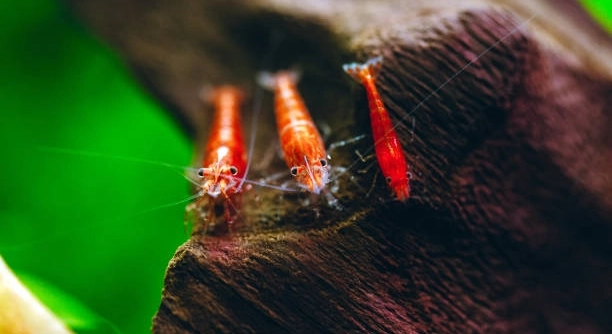
Have you ever noticed your shrimp suddenly stop moving and seem completely still in their tank? Observing this behavior can feel worrying, especially when you are unsure whether it is normal or a sign of trouble.
Shrimp often go inactive due to changes in water temperature, poor water quality, molting, illness, stress, lack of oxygen, or inappropriate tank conditions. Each factor can significantly affect their activity levels and overall well-being.
Understanding these causes can help maintain a healthy environment for your shrimp and prevent sudden inactivity from becoming a serious problem.
Water Temperature Changes
Shrimp are very sensitive to shifts in water temperature. Even small fluctuations can make them sluggish or completely still. I’ve noticed that when my tank heater malfunctions, my shrimp barely move for hours, sometimes even a full day. Cold water slows their metabolism, making feeding and swimming minimal. On the other hand, water that becomes too warm can stress them out, causing similar inactivity. Stable temperatures are essential for their health, so monitoring daily with a reliable thermometer is key. Sudden changes, like adding new water that isn’t the same temperature, can also trigger inactivity. Over time, repeated temperature swings weaken their immune systems, increasing susceptibility to diseases. I keep a gentle, consistent heating system and perform slow, gradual water changes to avoid shocking them. Observing their response after adjustments helps identify when the temperature is still off, which is crucial for keeping shrimp active and healthy.
Temperature shifts can cause shrimp to stop moving almost immediately, making careful monitoring necessary.
Keeping water stable supports shrimp health and activity. Avoid rapid changes, especially during water changes or seasonal fluctuations, to reduce stress and prevent sudden inactivity.
Poor Water Quality
Poor water quality can make shrimp completely inactive very quickly. High ammonia, nitrite, or nitrate levels, as well as pH swings, have a direct impact on their health. Even small, gradual changes can stress shrimp without obvious signs at first. I once experienced a spike in ammonia after overfeeding, and most of my shrimp hid and barely moved for days. Regular testing and partial water changes help maintain a safe environment. Filtration plays a role too; stagnant water with debris or uneaten food creates toxins that reduce shrimp activity. Temperature and water quality work together, so balancing both is critical. Observing shrimp behavior, such as lethargy or unusual clustering in corners, can indicate that the water quality needs immediate attention. Keeping gravel clean, limiting overfeeding, and testing parameters weekly are practical ways to prevent inactivity. Healthy water encourages regular movement, molting, and feeding.
Shrimp often react quickly to poor water, becoming still to conserve energy or avoid stress.
Consistent monitoring, testing, and cleaning are essential for maintaining a healthy tank. Using proper filtration, adjusting feeding habits, and performing regular water changes ensures shrimp remain active and stress-free. Avoid ignoring small changes in behavior as they can signal worsening conditions.
Molting
Molting is a natural process where shrimp shed their old exoskeleton to grow. During this time, they often become inactive, hiding in corners or under decorations. This behavior helps protect them from predators and reduces stress while their new shell hardens.
I’ve seen my shrimp remain almost motionless for hours or even a full day while molting. They choose quiet spots, usually among plants or beneath rocks, and avoid interacting with other shrimp. It’s important not to disturb them during this vulnerable stage, as any stress can lead to complications like incomplete molts or even death. Providing plenty of hiding places, gentle water flow, and stable water conditions supports healthy molting. Patience is key, as their inactivity during this period is temporary and necessary for proper growth. Observing without interference allows them to complete the process safely.
Molting requires extra care, including hiding spots and a stable environment. Inactivity is temporary, and shrimp usually resume normal movement once the new shell hardens.
Stress
Stress in shrimp can result from overcrowding, sudden tank changes, or aggressive tank mates. When stressed, shrimp often stop moving and hide. I noticed this when introducing new shrimp too quickly, causing several to stay inactive for a day.
Stress affects shrimp behavior immediately, leading to reduced feeding, minimal swimming, and extended periods of hiding. Factors like abrupt water changes, strong currents, or aggressive species nearby can trigger stress. Even minor disturbances, like tapping the tank glass or loud noises, may make shrimp retreat and remain still. Addressing the source of stress is essential to restore normal activity. I make sure new shrimp are acclimated slowly, provide plenty of hiding spots, and maintain consistent water conditions to minimize stress. Observing their response to changes helps identify stress triggers and prevents long-term inactivity.
Keeping stress low requires careful tank management and observation. Consistent water conditions, proper acclimation, and peaceful tank mates help shrimp regain activity quickly. Monitoring behavior daily ensures stress is addressed before it affects health or growth.
Lack of Oxygen
Shrimp need well-oxygenated water to stay active. Low oxygen levels can make them slow or completely still. I’ve seen shrimp gather near the surface when oxygen is low, barely moving and sometimes floating weakly.
Adding an air stone or adjusting water flow can improve oxygen. Plants also help by producing oxygen during the day, but crowded tanks can reduce circulation. Observing shrimp behavior near the surface is a simple way to detect oxygen issues early and prevent prolonged inactivity.
Illness
Shrimp can become inactive due to infections or parasites. I once had a shrimp stop moving almost entirely because of a bacterial infection. Symptoms often include lethargy, loss of appetite, and unusual hiding. Treating the tank promptly with safe remedies and maintaining clean water helps recovery.
Inappropriate Tank Conditions
Shrimp require the right tank size, substrate, and hiding places. Too small or poorly arranged tanks can cause stress and inactivity. I rearranged my tank to include more plants and hiding spots, and shrimp became more active almost immediately.
Why are my shrimp suddenly inactive even though the water looks fine?
Even if the water appears clean, small changes in parameters like pH, ammonia, nitrite, or nitrate can affect shrimp. I’ve had tanks where everything looked normal, but ammonia spikes after overfeeding caused shrimp to stop moving. Testing water regularly is the only way to be sure conditions are safe.
How long do shrimp usually stay inactive during molting?
During molting, shrimp can remain inactive for several hours up to a full day. I’ve seen mine hide under plants or decorations almost completely still. This inactivity is normal, as the new shell needs time to harden. Disturbing them can cause stress or incomplete molting.
Can temperature changes cause shrimp to stop moving?
Yes. Shrimp are sensitive to even minor shifts in temperature. Cold water slows metabolism, while warm water can stress them. I noticed that after a sudden drop in heater performance, shrimp became sluggish and mostly stayed in one spot. Stable temperatures are essential.
What signs indicate stress in shrimp?
Stress can be subtle at first. Shrimp may hide, stop eating, or reduce swimming. I once added new tank mates too quickly, and several shrimp became inactive for hours. Overcrowding, strong currents, and sudden environmental changes also trigger stress. Providing hiding spaces and consistent water helps reduce it.
How can I tell if my shrimp are suffering from low oxygen?
Shrimp low on oxygen often gather near the surface, barely moving, or slowly floating. I had a tank with weak water circulation where shrimp stayed near the top, and adding an air stone fixed the problem. Good plant coverage and water flow also improve oxygen levels.
What illnesses make shrimp inactive?
Bacterial, fungal, and parasitic infections can all cause inactivity. Shrimp may also stop eating and hide more than usual. I experienced a bacterial infection that made one shrimp almost completely still. Prompt treatment and clean water usually help recovery. Observing unusual behavior early is key.
Can tank setup affect shrimp activity?
Yes, the wrong tank size, substrate, or lack of hiding places can make shrimp stay still. I rearranged my tank to include more plants and hiding spots, and activity improved quickly. Proper setup reduces stress and encourages natural behavior.
Is overfeeding related to shrimp inactivity?
Overfeeding can lead to poor water quality, which in turn makes shrimp sluggish. Uneaten food decomposes and raises ammonia and nitrite levels. I’ve seen shrimp become inactive after a heavy feeding session, and partial water changes helped restore normal movement.
Do all shrimp species react the same to stress and inactivity?
Different species vary in sensitivity. Some are more prone to hiding or reduced movement under stress, while others stay more active. I keep multiple species and noticed that crystal red shrimp are generally more sensitive to water changes than cherry shrimp. Understanding species-specific needs helps prevent inactivity.
What can I do to encourage inactive shrimp to move again?
Maintaining stable water parameters, providing hiding places, and ensuring proper oxygen levels usually help shrimp resume normal activity. I’ve found that slow, gradual changes instead of sudden adjustments reduce stress and encourage movement. Observing behavior closely after changes is the best way to know if they are improving.
Are seasonal changes a factor in shrimp inactivity?
Yes. Temperature fluctuations from heating or cooling systems can affect activity. I noticed that during winter, shrimp moved slower until I adjusted the heater for stability. Keeping the tank environment consistent year-round helps maintain regular activity.
Can adding plants or decorations improve activity?
Definitely. Plants and hiding spots provide security, which reduces stress and encourages shrimp to explore and feed. I added moss and small caves to my tank, and inactive shrimp started moving around more consistently. This also supports natural behaviors like grazing and molting.
Is it normal for shrimp to hide for long periods?
Yes, especially during molting, stress, or low oxygen conditions. I often see shrimp staying hidden for hours even when everything else seems fine. Providing safe hiding spots and avoiding disturbances is important until they reemerge.
How often should I test water to prevent inactivity?
Testing at least once a week is ideal, but more frequent checks help identify subtle changes early. I keep a small log of ammonia, nitrite, nitrate, and pH levels to spot patterns. Early detection prevents long periods of inactivity and keeps shrimp healthy.
Can tank mates affect shrimp activity?
Yes. Aggressive or fast-moving species can intimidate shrimp, making them hide or stay still. I once added a territorial fish, and shrimp activity dropped noticeably. Choosing peaceful tank mates and providing hiding spots ensures shrimp feel safe and remain active.
Does lighting impact shrimp movement?
Lighting influences activity, but extreme brightness or sudden changes can stress shrimp. I use soft, consistent lighting, and noticed they explore more comfortably under stable light. Too much light may push them to hide, while too little can make feeding and movement slower.
Can water hardness and minerals affect shrimp activity?
Yes. Shrimp need certain mineral levels for proper exoskeleton development and overall health. Low calcium or improper GH/KH can make shrimp weak and inactive. I supplement minerals when needed, and activity improves as their bodies stay strong and healthy.
Are there behavioral signs that predict long-term inactivity?
Shrimp that consistently hide, reduce feeding, or avoid interaction may face long-term stress or illness. I watch for repeated inactivity patterns, as they often indicate underlying issues. Early intervention, like water adjustments or treatment, prevents more serious health problems and restores normal movement.
What immediate steps can be taken if shrimp suddenly stop moving?
Check water parameters, oxygen levels, and recent changes in the tank. I remove uneaten food, test water, and ensure temperature is stable. Providing hiding spots and reducing disturbances often helps shrimp regain movement. Quick action prevents prolonged inactivity and protects their health.
Is it normal for older shrimp to be less active?
Yes. Aging shrimp naturally slow down, especially if they have molted many times. I’ve noticed older shrimp moving less and spending more time hiding. Maintaining good water conditions and nutrition helps support their activity, even as they age.
How long should I wait before worrying about inactive shrimp?
A few hours of inactivity can be normal, especially during molting or minor stress. I usually monitor shrimp for a full day; if they remain still longer or show additional symptoms, I check water and tank conditions immediately. Early attention is crucial to prevent serious problems.
Can feeding routines influence activity levels?
Yes. Shrimp may move less if feeding is irregular or food is poor quality. I maintain a consistent feeding schedule with balanced food to keep shrimp engaged and active. Predictable feeding encourages natural foraging behavior and reduces stress-induced inactivity.
Do shrimp communicate through inactivity?
Indirectly, yes. Inactivity can signal stress, illness, or environmental issues to other shrimp. I’ve seen groups cluster in safe spots when one shrimp is unwell, which reduces movement collectively. Observing these patterns helps identify problems early and maintain a healthier tank.
What long-term measures prevent sudden inactivity?
Stable water parameters, proper tank setup, regular testing, and gradual changes are key. I focus on consistent feeding, adequate hiding spots, and gentle acclimation for new shrimp. These measures maintain activity, reduce stress, and support overall shrimp health, minimizing episodes of sudden inactivity.
Can molting frequency indicate potential problems?
Yes. Irregular or incomplete molts may cause repeated inactivity and signal poor water quality or nutritional deficiencies. I monitor molting patterns, provide calcium-rich foods, and maintain stable conditions. Healthy molting supports growth and prevents stress-related inactivity.
How does crowding impact shrimp activity?
Overcrowded tanks increase stress, reduce hiding spots, and make shrimp less active. I keep my shrimp population balanced with tank size to ensure space for movement and molting. Proper density allows normal activity and reduces prolonged hiding or lethargy.
Can shrimp recover fully after long periods of inactivity?
Yes, if the cause is addressed promptly. I’ve had shrimp that stayed still due to stress or poor water quality return to normal behavior once conditions improved. Recovery depends on early intervention, stable water, and proper nutrition. Observing behavior helps ensure they regain full activity.
Are there signs that indicate permanent inactivity or death?
Shrimp that do not respond to gentle prodding, stop feeding completely, or have discoloration may be dying. I carefully remove and examine inactive shrimp to determine health. Prompt action with water adjustments or treatment may save others in the tank.
Do seasonal water changes affect shrimp behavior?
Yes. Seasonal temperature or hardness shifts can make shrimp less active. I adjust water slowly during seasonal changes to avoid stress. Gradual adaptation helps shrimp maintain normal movement and prevents inactivity caused by sudden environmental differences.
How important is observation for preventing inactivity?
Observation is critical. I monitor shrimp daily for movement, feeding, and hiding patterns. Detecting subtle changes early allows intervention before stress, disease, or poor water conditions cause prolonged inactivity. Regular attention ensures shrimp remain healthy and active consistently.
Shrimp inactivity can feel worrying, especially when you notice them staying still for hours or hiding more than usual. In most cases, this behavior is linked to environmental factors, like water quality, temperature, oxygen levels, or tank setup. Even minor fluctuations in water parameters can make shrimp slow down or stop moving completely. Over time, these small changes add up, affecting their health and activity levels. Observing your shrimp closely every day helps catch problems early. Paying attention to where they hide, how much they move, and their feeding habits provides clues about what might be causing inactivity. In my experience, consistent observation is the simplest way to prevent serious issues and ensure shrimp stay healthy in their tank.
Proper tank maintenance plays a major role in preventing inactivity. Regular water testing, partial water changes, and careful monitoring of temperature and oxygen levels create a stable environment for shrimp. Filtration and plants also contribute to healthy water and proper oxygenation. Providing enough hiding spots and suitable substrates gives shrimp security, especially during molting or when they feel stressed. Avoiding overcrowding and ensuring compatible tank mates can reduce stress and improve movement. Feeding balanced, high-quality food on a consistent schedule supports their metabolism and encourages regular activity. In my tanks, following these steps has made a noticeable difference in shrimp behavior, with more movement, less hiding, and faster recovery after stressful events.
Understanding the reasons behind inactivity helps you respond appropriately. Molting, illness, stress, poor water quality, and environmental changes all have specific signs and solutions. In many cases, shrimp recover quickly once the underlying cause is addressed. Providing a stable, supportive environment, observing behavior closely, and making gradual adjustments when needed keeps shrimp active and reduces the risk of long-term health problems. It’s normal for shrimp to slow down occasionally, but persistent inactivity is a sign that something needs attention. By taking these steps, you can create a healthier tank and ensure your shrimp thrive, moving and behaving naturally with minimal stress or interruptions.

Hello,
If you enjoy the content that we create, please consider saying a "Thank You!" by leaving a tip.
Every little bit helps us continue crafting quality advice that supports the health, happiness, and well-being of pets around the world, for pets of all shapes, sizes, and species.
We really appreciate the kindness and support that you show us!