
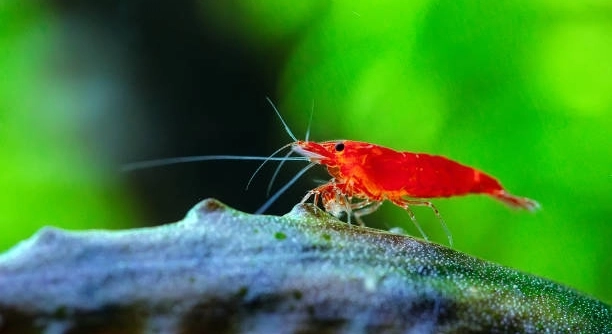
Shrimp are small creatures that live in both fresh and saltwater environments. They move carefully and observe their surroundings. Their behavior can show how they respond to changes in their habitat or the presence of other animals.
Shrimp show interest in their environment through specific movements and sensory behaviors. They use antennae to explore, react to light and motion, adjust their position for safety, and engage in feeding or social interactions that indicate awareness.
Observing these behaviors can provide insights into shrimp habits, their interactions, and the way they adapt to different aquatic settings.
Antennae as Environmental Sensors
Shrimp use their antennae constantly to explore their surroundings. These long, sensitive appendages help them detect changes in water currents, nearby objects, and even chemical signals. When a shrimp waves its antennae, it is gathering information about safety, food sources, and other creatures nearby. They can sense subtle vibrations, which helps them stay alert to predators or intruders. This behavior is not random; it is a deliberate method for understanding what is happening around them. In captivity, observing how a shrimp uses its antennae can indicate whether it feels comfortable or stressed. Movements become more cautious when the environment changes, showing the shrimp’s attention to details. Even slight shifts in light or water temperature can prompt more frequent antennae movements. These observations reveal how shrimp actively monitor their habitat rather than passively existing.
Antennae use is an essential way shrimp maintain awareness and respond to environmental changes, ensuring survival and adaptability.
Noticing antennae movements can help caretakers understand shrimp behavior, such as when they are exploring or reacting to new objects, food, or other shrimp in their area. This small action provides insight into their daily routines and natural instincts.
Color Changes and Body Language
Shrimp often change color or adjust their posture to reflect their environment or mood. These changes are subtle but noticeable if watched carefully. A shrimp may darken when hiding or lighten when relaxed.
Color shifts indicate stress levels, social hierarchy, or readiness to feed. When shrimp interact with each other, body language such as tail flicks, swimming patterns, or curling can communicate intentions or alertness. Changes in surroundings, like lighting or water quality, often trigger these responses. Observing these patterns in an aquarium setting helps identify their comfort level and preferences. Shrimp will often blend with substrates or plants, using color as camouflage. This ability shows their awareness and ability to adapt. Body posture also communicates engagement or avoidance, helping maintain social balance within groups. Environmental enrichment, such as hiding spots and varied textures, encourages natural behaviors, including color changes and movement. These adaptations are critical for their well-being. Watching these behaviors over time allows a deeper understanding of their routines and interactions with other creatures.
Interaction with Surroundings
Shrimp touch and move objects around them to learn about their environment. They use their claws and legs to test surfaces, pick up debris, and explore textures. This behavior shows curiosity and awareness.
By interacting with decorations, plants, or substrate in their tank, shrimp gather information about where they can hide or find food. This activity is deliberate and reflects their instinct to stay safe and informed. Even small changes, like a new plant or pebble, trigger them to investigate thoroughly. They may push, pick up, or turn objects repeatedly to understand size, shape, and stability. These actions reveal that shrimp actively engage with their environment instead of moving randomly. Regular observation of this behavior can indicate their comfort level and adaptability, as they respond directly to both natural and artificial elements.
These interactions also strengthen shrimp’s spatial memory. Over time, they remember where safe spots, food sources, and social partners are located. This memory helps them navigate efficiently and reduces stress. It also shows problem-solving skills, as shrimp figure out the best way to move or manipulate objects to achieve a desired outcome.
Response to Light and Shadows
Shrimp adjust their movement and position based on light levels. They avoid overly bright areas and seek dim or shaded spots for security and comfort.
Light and shadow directly influence shrimp behavior and daily routines. In brighter environments, they tend to move less and hide among plants or decorations. Dimmer areas encourage exploration and feeding activity. This sensitivity helps them avoid predators and conserve energy. Changes in light also affect their color intensity, as shrimp may darken to blend with surroundings or lighten when relaxed. Shadow patterns created by decorations, plants, or other tank inhabitants guide their pathfinding, helping them feel safer and more confident. Observing these reactions over time can provide insight into their preferred conditions and natural instincts. Light management in captivity impacts feeding, activity levels, and overall well-being. Adjusting light gradually ensures shrimp remain comfortable and maintain healthy behavior patterns.
Feeding Behavior
Shrimp use precise movements to locate and pick up food. They examine particles carefully before eating, showing awareness of their surroundings.
This feeding process involves both sensing and handling. Shrimp react to changes in food placement or competition from other shrimp, adjusting their approach to maintain access and safety.
Social Interaction
Shrimp communicate subtly through body movements and gentle touches. Antennae contact, tail flicks, and proximity indicate hierarchy, readiness to mate, or cooperation. Observing these behaviors reveals how shrimp navigate group dynamics.
Reaction to Water Flow
Shrimp respond to changes in water currents by adjusting their swimming patterns. They align with or against flow to maintain balance, conserve energy, or explore efficiently.
Cleaning and Grooming
Shrimp actively clean their bodies and appendages using small, repetitive motions. Grooming helps remove debris, parasites, and bacteria, ensuring health and alertness.
FAQ
How do shrimp explore new environments?
Shrimp use their antennae and legs to investigate surfaces, objects, and water currents. They touch and wave their antennae to sense texture, vibrations, and chemical cues. This helps them detect potential food sources, hiding spots, and other creatures. Exploration is deliberate, not random, showing awareness and curiosity.
Why do shrimp change color?
Color changes reflect shrimp’s stress level, mood, or adaptation to surroundings. Darker shades often indicate hiding or alertness, while lighter tones suggest relaxation. Changes also help shrimp blend with substrates, providing camouflage and safety from potential predators. Observing color shifts gives insight into their comfort and behavior patterns.
How do shrimp react to light?
Shrimp are sensitive to bright light and shadows. They prefer dim areas or shaded spots, which provide security. Light intensity affects movement, feeding, and color expression. Sudden changes can make them retreat or alter swimming patterns. Managing light carefully ensures they remain comfortable and maintain natural behaviors.
What role does water flow play in shrimp behavior?
Shrimp adjust swimming direction and speed based on water currents. They align with or resist flow to conserve energy, stabilize themselves, and explore efficiently. Flow changes also trigger antennae movement and cautious navigation. Understanding this response helps maintain appropriate tank conditions and reduces stress.
Why do shrimp groom themselves frequently?
Grooming removes debris, algae, and potential parasites from their bodies and appendages. Repetitive cleaning motions maintain health and sensory accuracy. Shrimp that groom regularly are more alert and active, indicating overall well-being. Observing grooming patterns can show how comfortable they are in their environment.
How do shrimp interact with each other?
Shrimp communicate using antennae contact, tail flicks, and close proximity. These interactions indicate social hierarchy, mating readiness, or cooperative behaviors. Watching these subtle cues helps understand group dynamics and predict behavior changes when new shrimp are introduced. Social behavior is essential for maintaining balance in a community tank.
What does shrimp hiding behavior indicate?
Hiding shows caution, stress, or response to new stimuli. Shrimp may retreat to plants, rocks, or crevices when sensing danger or sudden changes. Frequent hiding can indicate environmental stressors, while occasional retreats are normal and reflect natural instincts. Observing patterns helps maintain a suitable habitat.
How do shrimp react to food presence?
Shrimp carefully inspect food with their antennae before eating. They pick up small particles, test them, and sometimes compete gently with tank mates. Feeding behavior shows awareness of surroundings, resource availability, and social dynamics. Consistent reactions to food indicate healthy sensory and cognitive function.
Can shrimp remember their environment?
Shrimp can remember locations of food, hiding spots, and companions. They navigate efficiently based on prior experience, reducing stress and avoiding hazards. Memory allows them to adapt to minor environmental changes, showing that their interaction with surroundings is both active and informed.
How do changes in the tank affect shrimp behavior?
Adjustments in temperature, decorations, or water quality trigger exploration, color changes, or hiding. Shrimp respond to maintain safety and comfort. Gradual changes are tolerated better, while sudden shifts can increase stress and alter feeding or social interactions. Observing reactions ensures their habitat remains stable and supportive.
What signs show shrimp are comfortable in their environment?
Active exploration, regular grooming, natural color, and social interaction indicate comfort. Calm feeding, balanced swimming, and use of varied tank areas also reflect well-being. Monitoring these behaviors helps confirm that environmental conditions meet their needs and supports healthy, natural activity patterns.
How do shrimp use their antennae in social contexts?
Antennae contact communicates presence, intentions, and hierarchy. Gentle touches signal curiosity or recognition, while rapid waving can indicate alertness. These subtle interactions allow shrimp to maintain order within a group and respond appropriately to the presence of others. Antennae are central to both environmental awareness and social behavior.
Why is observing shrimp behavior important?
Careful observation provides insight into health, comfort, and adaptation. It reveals feeding patterns, stress responses, social structure, and environmental preferences. Understanding these behaviors allows for better care, habitat adjustments, and detection of potential issues before they affect shrimp well-being. Observation ensures a balanced and thriving environment.
How do shrimp react to new tank mates?
New introductions trigger exploration, caution, and antennae interaction. Initial hiding or limited movement is common, followed by gradual acceptance. Social hierarchy may form, with subtle dominance behaviors appearing. Monitoring these responses ensures smooth integration and reduces stress for all shrimp in the tank.
What behaviors indicate stress in shrimp?
Excessive hiding, erratic swimming, rapid color changes, or lack of grooming can signal stress. Environmental changes, poor water quality, or aggressive tank mates often cause these behaviors. Identifying and addressing these signs early helps maintain health and promotes natural, relaxed activity patterns.
How do shrimp use their tails for communication or defense?
Tail flicks convey alertness or intent to move quickly. They can signal irritation, escape readiness, or response to nearby activity. Observing tail movements provides insight into how shrimp react to environmental or social stimuli. Tails serve both functional and communicative roles in daily behavior.
How important is tank layout for shrimp behavior?
Providing hiding spots, plants, and varied substrates encourages natural exploration, social interaction, and feeding behaviors. Complex layouts reduce stress and allow shrimp to express instincts such as hiding, grazing, and navigating. Tank design directly impacts comfort, activity, and overall well-being.
Do shrimp show curiosity?
Yes, through consistent exploration, antennae use, and object manipulation. They investigate changes, new objects, and tank mates with deliberate attention. This curiosity is part of their survival strategy, helping them adapt, locate food, and avoid hazards while interacting with their environment.
What are signs of a healthy, active shrimp?
A healthy shrimp moves confidently, explores, interacts socially, maintains natural color, and grooms frequently. Steady feeding, responsive behavior to changes, and appropriate reactions to light or flow indicate strong sensory awareness and overall well-being.
Final Thoughts
Shrimp are more than small creatures that inhabit tanks or natural waters. Their behavior provides a window into how they perceive and react to the world around them. Observing shrimp carefully can reveal patterns of exploration, social interaction, and environmental adaptation. Each movement, from antennae waving to subtle changes in color, carries information about their comfort and awareness. While they may seem fragile or simple at first glance, their behaviors are deliberate and purposeful. Shrimp constantly gather data from their surroundings, whether through touch, sight, or chemical cues. This allows them to make decisions about feeding, hiding, and social interactions. Even in a controlled aquarium, these behaviors remain evident, offering insight into their natural instincts. Recognizing these actions helps ensure that shrimp are living in an environment that supports their physical and mental well-being.
The way shrimp respond to light, water flow, and new objects demonstrates their sensitivity and adaptability. They avoid excessive brightness, seek shaded areas, and adjust swimming patterns to conserve energy or explore safely. Changes in color or body posture are not random but are reflections of their current state, showing relaxation, alertness, or stress. Grooming behaviors indicate health and maintenance, while interactions with other shrimp reflect hierarchy, cooperation, or competition. Feeding habits are similarly telling; careful selection of food and the methods used to gather it reveal attentiveness and awareness of surroundings. These behaviors combine to show that shrimp are active participants in their environment. By observing these patterns, caretakers can identify the factors that contribute to their well-being and make adjustments to support natural instincts. Environmental enrichment, appropriate light management, and balanced social groupings all play a role in promoting healthy, engaged shrimp.
Understanding shrimp behavior is not only helpful for maintaining a healthy aquarium but also for appreciating their complex interactions with the environment. Each behavior, from exploring objects to responding to shadows, adds a layer of understanding about how shrimp live and thrive. Paying attention to these details allows one to create conditions that encourage natural behaviors and reduce stress. Observing shrimp over time builds familiarity with their patterns and preferences, making it easier to detect changes that could indicate discomfort or illness. Their active exploration, social interactions, and careful attention to surroundings demonstrate intelligence and adaptability that often goes unnoticed. Providing a supportive and stable environment ensures shrimp can express these behaviors fully. By respecting their natural tendencies, it becomes possible to cultivate an aquarium that is both functional and enriching, allowing shrimp to display the full range of their instincts while maintaining health and balance.

Hello,
If you enjoy the content that we create, please consider saying a "Thank You!" by leaving a tip.
Every little bit helps us continue crafting quality advice that supports the health, happiness, and well-being of pets around the world, for pets of all shapes, sizes, and species.
We really appreciate the kindness and support that you show us!