
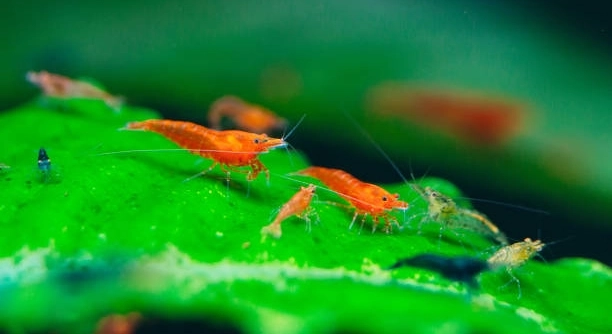
Shrimp are a popular choice for many home cooks and seafood enthusiasts. Their natural color can be dull at times, affecting the presentation of a dish. Simple adjustments in their diet can influence their hue over time.
Feeding shrimp foods rich in carotenoids, such as krill, spirulina, and paprika, naturally enhances their coloration. Regular inclusion of these nutrient-dense ingredients supports pigment development and improves overall shrimp health, resulting in a more vibrant and appealing appearance.
Enhancing shrimp color is easier than many think, and small dietary changes can make a visible difference over time. These simple steps can help shrimp look healthier and more visually appealing.
Krill
Krill are small crustaceans that are highly nutritious for shrimp. They contain natural pigments called carotenoids, which directly contribute to the vibrant pink and red tones in shrimp shells. Including krill in a shrimp’s diet not only enhances their color but also supports overall growth and health. Regular feeding with krill encourages consistent pigment development over time. Many shrimp keepers notice that shrimp fed with krill show a brighter, more appealing color within a few weeks. Krill is also easy to incorporate into commercial shrimp food or as a frozen treat. For smaller shrimp, crushed or powdered krill works well. The natural composition of krill provides protein and essential nutrients, making it more than just a coloring agent. Using krill consistently can prevent dull or pale shrimp, maintaining their visual appeal. It also supports stronger immune systems, making shrimp more resilient to minor stressors in their environment.
Krill should be offered in small portions, ensuring shrimp can consume it completely without leftover waste accumulating in the tank.
Feeding shrimp krill regularly allows for gradual color intensification. Over time, their shells take on deeper shades of pink and red. Combining krill with other carotenoid-rich foods maximizes the effect. Observing shrimp while feeding helps ensure all shrimp get access. Adjusting portion sizes based on shrimp numbers and tank conditions prevents water quality issues. For a balanced approach, rotate krill with other natural color-boosting foods like spirulina or fish roe. This combination encourages uniform coloration across the population. Krill also stimulates natural foraging behavior, keeping shrimp active and engaged. In addition, it supports molting and growth, which are essential for maintaining vibrant shells. With consistent feeding, krill becomes a reliable method to achieve strong, natural shrimp colors without chemical additives. Careful monitoring and feeding schedules ensure shrimp remain healthy and visually striking.
Spirulina
Spirulina is a blue-green algae rich in pigments that enhance shrimp coloration naturally. It provides a concentrated source of carotenoids and other nutrients that support shell vibrancy and overall health.
Regular spirulina supplementation improves shrimp color by adding intense green and red pigments to their diet.
Including spirulina in daily feeding routines can significantly improve shrimp color over time. Its powdered form is easy to mix with regular food or offer as flakes. Spirulina not only intensifies reds and pinks but also contributes to a balanced diet. It contains essential amino acids, vitamins, and minerals that support shrimp growth, immunity, and energy levels. Using spirulina in combination with other color-boosting foods ensures even pigmentation across the tank population. For best results, feed in controlled portions to avoid overfeeding, which could affect water quality. Spirulina is gentle on shrimp and integrates well into most feeding plans. Over weeks of consistent feeding, shrimp gradually develop richer and more vibrant shells, making them visually more appealing and healthier overall. It’s a simple, natural way to enhance shrimp appearance.
Paprika
Paprika is a natural spice rich in carotenoids that can boost shrimp coloration. Adding small amounts to their food enhances pink and red tones gradually without harming shrimp or water quality.
Sprinkling paprika on shrimp food or mixing it into pellets ensures even distribution. Over time, shrimp ingest the carotenoids and incorporate them into their shells, producing a deeper, more vibrant color. Paprika also encourages natural feeding behavior, as shrimp are attracted to its scent and texture. Using paprika in moderation is key; excessive amounts can affect water quality and create uneaten waste. Combining paprika with other color-enhancing foods like krill or spirulina creates a balanced, effective diet that improves overall shrimp appearance while supporting their health.
Regular use of paprika can lead to noticeable changes in shrimp shells within a few weeks. The enhancement is gradual, producing natural-looking pinks and reds. Adjusting the amount based on shrimp size and tank population ensures all shrimp benefit without overfeeding. Paprika is easy to store, inexpensive, and integrates seamlessly into standard feeding routines. It works particularly well when rotated with other natural pigments, helping maintain uniform coloration across the tank. Observing shrimp while they feed can help confirm that everyone gets a portion and prevent leftover spice from clouding water. Its natural properties make paprika a reliable and simple solution for color enhancement.
Adding paprika alongside other carotenoid-rich foods ensures consistent, long-term results. It contributes not only to shell color but also supports appetite and normal activity, keeping shrimp healthy and visually appealing.
Fish Roe
Fish roe contains high levels of natural pigments and protein, making it an effective food for shrimp color enhancement. Its small size makes it easy for shrimp to consume completely.
Incorporating fish roe into a feeding schedule provides shrimp with concentrated nutrients that support both pigmentation and growth. The proteins in roe promote healthy molting, which is essential for maintaining vibrant shells. Additionally, the carotenoids in fish roe directly intensify reds and pinks, producing a deeper, more striking appearance. It is most effective when offered a few times per week alongside other color-boosting foods. Careful portion control is important to prevent water contamination, as leftover roe can decompose quickly. Many shrimp respond eagerly to the texture and flavor of fish roe, making it a practical supplement for visual enhancement and overall vitality.
Feeding fish roe consistently over several weeks results in more pronounced coloration. Combining it with krill, spirulina, or paprika ensures a balanced intake of pigments and nutrients. Rotating these foods prevents monotony and promotes uniform color development across all shrimp. Fish roe also provides additional amino acids and lipids, which support energy levels and resilience during molting. Observing shrimp during feeding ensures everyone consumes their share, preventing competition and stress. The result is a gradual but noticeable intensification of shell color, healthier activity, and improved overall appearance, making fish roe a highly effective dietary addition.
Carrot
Carrots are naturally high in beta-carotene, a pigment that helps intensify red and orange tones in shrimp shells. Small, finely chopped pieces can be added to their tank or mixed with regular food.
Regular feeding with carrot pieces supports natural coloration while providing essential vitamins. Shrimp gradually incorporate the pigments into their shells, resulting in a more vibrant appearance.
Spinach
Spinach contains chlorophyll and carotenoids that contribute to shrimp coloration. Adding tiny, blanched pieces enhances their overall health while supporting pigment development. Consistent inclusion in the diet ensures gradual, natural improvements in shell color.
Krill Meal Powder
Krill meal powder is concentrated with carotenoids and protein, making it ideal for color enhancement. Sprinkling it over regular food ensures shrimp consume it evenly. Regular use intensifies shell color, supports molting, and improves overall vitality, making shrimp healthier and visually more appealing over time.
Fish Oil
Fish oil provides essential fatty acids that support shrimp health and pigment absorption. Including small amounts in food enhances color development and contributes to stronger, more resilient shells. Regular supplementation helps maintain vibrant coloration and supports overall wellness in shrimp populations.
How often should I feed shrimp color-boosting foods?
Shrimp benefit from color-boosting foods a few times per week rather than every day. Overfeeding can harm water quality and stress shrimp, so small, controlled portions work best. Rotating different natural pigments like krill, spirulina, and paprika ensures a balanced intake and gradual color enhancement.
Can too much pigment harm shrimp?
Yes, excess carotenoids or dense foods can lead to uneaten waste, causing ammonia spikes and poor water quality. Moderation is key. Shrimp naturally regulate pigment absorption, so providing small amounts consistently is safer and more effective than large, infrequent feedings. Observing shrimp while they eat ensures everyone consumes an appropriate portion.
Are frozen or live foods better for color enhancement?
Both frozen and live foods work well. Frozen krill, fish roe, or spirulina retain carotenoids and nutrients effectively. Live foods like daphnia or brine shrimp also contain pigments and encourage natural foraging behavior. The choice depends on convenience, availability, and tank conditions. Mixing both types provides variety and consistent nutrient intake.
How long does it take to see results in shrimp color?
Visible changes usually appear after a few weeks of consistent feeding. Shrimp incorporate carotenoids gradually, so gradual improvement is expected. Using multiple pigment-rich foods together speeds up the effect, but sudden changes rarely occur. Patience and regular observation are important to ensure shrimp are healthy while developing richer coloration.
Can shrimp maintain color without pigment-rich foods?
Shrimp can retain some color naturally, but it may be pale or uneven without supplemental pigments. Their base diet contributes minimally to shell vibrancy. Including natural carotenoids ensures brighter, more consistent coloration. Even occasional supplementation can prevent dull shells, particularly during molting periods when pigment retention is lower.
Do color-boosting foods affect shrimp health beyond appearance?
Yes, many pigment-rich foods also provide protein, vitamins, and essential nutrients. For example, krill supports growth and immunity, spirulina provides amino acids and minerals, and fish roe promotes molting and energy levels. Enhancing color while improving overall health ensures shrimp are active, resilient, and thriving in their environment.
Is it necessary to combine multiple foods for the best results?
Combining several foods is ideal because each offers unique pigments and nutrients. Krill, spirulina, paprika, and fish roe together produce deeper, uniform coloration. Rotating foods also prevents dietary monotony and ensures shrimp receive balanced nutrition, supporting molting, growth, and long-term vitality.
How should I store color-boosting foods?
Keep dried, powdered, or frozen foods in airtight containers away from light and heat. Frozen krill and fish roe should remain in the freezer until used. Proper storage preserves carotenoids, prevents spoilage, and maintains nutrient quality. Avoid prolonged exposure to moisture to prevent mold or degradation of pigments.
Can water conditions impact shrimp color?
Yes, poor water quality, high ammonia, or inconsistent temperatures can reduce pigment development. Maintaining stable, clean water helps shrimp absorb and display pigments efficiently. Even with a nutrient-rich diet, stressed or unhealthy shrimp may not show their full color potential. Regular monitoring of tank conditions is essential.
Are there alternatives if I cannot access specific foods?
Yes, natural substitutes like finely chopped carrots, spinach, or commercially prepared shrimp foods with added carotenoids work well. Consistency matters more than a single food type. A combination of accessible, pigment-rich foods still produces gradual improvements in color while supporting overall shrimp health.
Can feeding too little affect molting and shell color?
Insufficient food slows growth and molting, leading to dull shells. Adequate protein and carotenoid intake are essential for healthy molts. Balanced portions of color-boosting foods alongside regular nutrition ensure shrimp develop vibrant shells and maintain energy levels without compromising water quality.
Do juvenile shrimp require the same color-boosting diet as adults?
Juveniles benefit from pigments but in smaller amounts. Their shells are thinner, so pigment absorption happens faster, but overfeeding can harm water quality. Gradual introduction with moderate portions helps young shrimp develop healthy coloration as they grow. Rotating foods ensures balanced nutrition throughout life stages.
Can shrimp revert to paler colors if pigments are removed?
Yes, without continued carotenoid intake, shells may gradually fade over time. Regular inclusion of natural pigments ensures consistent, vibrant coloration. The rate of fading depends on diet, molting frequency, and overall health, so maintaining a schedule of color-rich foods is recommended for long-term results.
Does the type of shrimp affect color enhancement?
Different species respond uniquely to pigments. Some naturally display brighter reds or pinks, while others show subtle changes. Adjusting food types and portions according to species ensures effective color enhancement. Observation and minor adjustments help achieve the best visual results for each type.
Can I overfeed with multiple color-boosting foods at once?
Yes, combining too many foods without moderation risks water quality issues. Use small portions, rotate items, and observe feeding behavior. Gradual supplementation is safer and allows shrimp to absorb pigments effectively. Careful planning ensures vibrant shells without compromising tank conditions or shrimp health.
Are there any foods to avoid for color enhancement?
Avoid highly processed or chemical-laden foods claiming to enhance color. They may harm shrimp or alter water chemistry. Stick to natural sources like krill, spirulina, paprika, fish roe, carrots, and spinach. These provide safe, effective pigments while supporting nutrition and overall wellbeing.
Can tank size or population density affect color results?
Yes, overcrowded tanks can lead to competition for food, stress, and slower pigment absorption. Ensuring adequate space and monitoring feeding allows all shrimp to benefit from color-boosting foods. Proper stocking density supports even growth, uniform coloration, and healthier shrimp overall.
Is it necessary to measure pigments or rely on visual observation?
Visual observation is generally sufficient for hobby tanks. Consistent monitoring during feeding shows whether shrimp are consuming foods and developing color evenly. For advanced setups, some use pigment testing, but for most home shrimp keepers, careful feeding and observation produce reliable results without complicated measurements.
Do seasonal changes impact shrimp color?
Seasonal temperature shifts and light cycles can influence shrimp metabolism and pigment development. Maintaining stable tank conditions minimizes fluctuations in shell coloration. Feeding consistently with pigment-rich foods helps counter seasonal effects and supports steady, vibrant shrimp appearance.
Can shrimp coloration improve without changing water parameters?
Yes, diet alone can enhance color, but optimal water conditions accelerate pigment absorption and display. Clean, stable water ensures shrimp remain healthy, reducing stress and allowing natural pigments to show fully. Combining proper nutrition with good water management yields the best visual results.
How long should a color-enhancement feeding plan continue?
Color-enhancing diets should be maintained long-term, with rotations of different natural foods. Gradual, consistent supplementation ensures sustained vibrant shells, supports growth, and maintains health. Abruptly stopping or reducing pigments can lead to fading, so a continuous approach is most effective.
Are color-boosting foods effective for all shell colors?
They primarily enhance reds, pinks, and oranges but can also support subtle tones in other species. Each shrimp’s natural genetics affect the intensity of color changes. Using a variety of pigments ensures gradual improvements and highlights each shrimp’s unique shell patterns.
Do these foods replace regular nutrition?
No, they supplement a balanced diet. Color-boosting foods should complement protein-rich pellets or flakes, ensuring shrimp receive complete nutrition. Combining both provides vibrant coloration, healthy growth, strong molting, and overall resilience. Neglecting regular nutrition can lead to poor health despite color improvements.
Can stress or illness affect color development?
Yes, stressed or sick shrimp may fail to absorb pigments effectively. Stable water conditions, proper nutrition, and careful observation are essential. Healthy shrimp exhibit the best color, while stressed individuals may appear dull regardless of diet. Preventive care and consistent feeding maximize results.
Is it safe to mix all color-boosting foods in one feeding?
Mixing small portions is safe, but excessive amounts risk water quality issues. Rotating foods across meals or days is more effective. Observing shrimp ensures everyone consumes nutrients without creating waste. Gradual, balanced combinations yield the best color enhancement.
How do molting cycles affect coloration?
During molting, shrimp may appear paler temporarily, as new shells lack accumulated pigments. Color-boosting foods support faster pigment incorporation post-molt. Consistent feeding ensures shells regain vibrant tones quickly and maintain long-term intensity.
Do lighting conditions impact perceived color enhancement?
Yes, proper lighting highlights shrimp color, but it does not replace pigment development. Bright, natural or full-spectrum light enhances the visual effect of carotenoids, making reds, pinks, and oranges more noticeable while supporting overall tank health.
Can I use vegetables alone to enhance color?
Vegetables like carrots and spinach provide some pigments but are less concentrated than krill, fish roe, or spirulina. They work best as part of a varied diet, complementing more potent natural sources to achieve noticeable, consistent shell coloration.
Is it necessary to monitor shrimp individually?
Observation is helpful to ensure all shrimp receive color-boosting foods. Dominant individuals may consume more than others. Spreading food evenly and adjusting portions helps maintain uniform pigmentation across the population and supports overall health.
Do shrimp show immediate responses to new pigment foods?
No, pigment incorporation is gradual. Shrimp shells take time to reflect dietary changes, typically a few weeks. Consistency, portion control, and monitoring ensure safe, effective, and lasting color enhancement without sudden stress or imbalance.
Are there any signs that color-boosting foods are working?
Gradual deepening of reds, pinks, or orange hues, increased activity, and uniform shell color indicate success. Shrimp should remain healthy, feed eagerly, and molt normally, showing that nutrients and pigments are being absorbed effectively.
Can these foods improve ornamental shrimp for display purposes?
Yes, proper supplementation enhances aesthetic appeal naturally. Gradual, consistent feeding with carotenoid-rich foods produces vivid shells, healthier molting, and vibrant patterns, making shrimp visually striking for tanks without relying on artificial color additives.
How do I know if shrimp are getting enough carotenoids?
Observe shell color and behavior. Even, gradual deepening indicates adequate intake. If color remains pale despite supplementation, portion sizes, frequency, or food quality may need adjustment to achieve optimal results.
Shrimp coloration is influenced by many factors, but diet plays a central role in enhancing their natural hues. Providing foods rich in carotenoids, such as krill, spirulina, paprika, fish roe, carrots, and spinach, helps shrimp gradually develop deeper, more vibrant shells. These natural pigments are absorbed slowly over time and incorporated into the exoskeleton, producing subtle but noticeable improvements. A consistent feeding routine that includes a variety of these foods ensures that shrimp receive the necessary nutrients for pigment development while supporting overall health. Using multiple pigment-rich foods together is more effective than relying on a single source, as each contributes different types of carotenoids and essential nutrients. Rotating foods also prevents monotony in the diet, allowing shrimp to remain active and engaged while foraging.
Maintaining water quality is equally important when focusing on color enhancement. Even the best diet cannot produce vibrant coloration if shrimp are stressed by poor water conditions or overcrowding. Stable temperature, low ammonia, and balanced pH levels help shrimp absorb pigments efficiently and maintain healthy molting cycles. Overfeeding, even with natural color-boosting foods, can lead to waste accumulation, which negatively impacts water quality. It is essential to offer small portions that shrimp can consume quickly while removing any uneaten food. Observing shrimp behavior during feeding ensures all individuals receive their share, preventing competition and uneven color development. Healthy, unstressed shrimp not only display stronger, more consistent colors but also show improved activity and growth rates, reinforcing the importance of combining dietary adjustments with proper tank maintenance.
Results from natural color enhancement take time, so patience is necessary. Shrimp do not change color overnight, and gradual improvements over several weeks are expected. Monitoring their shells over time allows for adjustments to feeding routines, portion sizes, and combinations of pigment-rich foods. Even occasional supplementation can help maintain shell vibrancy, especially during molting periods when pigments are temporarily reduced. By consistently providing a balanced diet and stable environment, shrimp gradually develop richer reds, pinks, and oranges, while maintaining strong, healthy bodies. Attention to both nutrition and water conditions ensures that shrimp not only look visually appealing but also thrive long-term. Over time, these simple, natural strategies result in a tank filled with healthy, vibrantly colored shrimp without the need for chemical additives or artificial enhancements.

Hello,
If you enjoy the content that we create, please consider saying a "Thank You!" by leaving a tip.
Every little bit helps us continue crafting quality advice that supports the health, happiness, and well-being of pets around the world, for pets of all shapes, sizes, and species.
We really appreciate the kindness and support that you show us!