
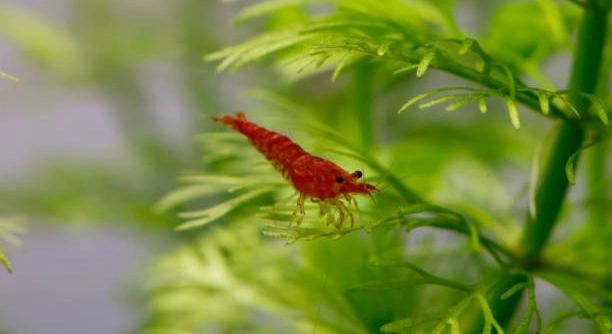
Cherry shrimp are tiny, vibrant creatures that bring life to aquariums. Their movements and behavior often attract attention, making them a favorite among hobbyists. Observing their reactions can reveal a lot about their preferences and comfort levels.
Cherry shrimp generally do not favor strong bubbles in their habitat. Excessive aeration or turbulent water can cause stress, interfere with feeding, and disrupt their natural movement patterns. Gentle filtration and calm water conditions are recommended for their well-being and activity.
Maintaining a balanced environment helps ensure your shrimp remain healthy and active. Small adjustments in water flow can make a noticeable difference in their daily behavior.
Understanding Cherry Shrimp and Water Flow
Cherry shrimp are small freshwater creatures that prefer calm, stable environments. Strong water currents or bubbles from filters and air stones can overwhelm them, making it difficult to feed or move naturally. They are sensitive to changes in their habitat and often hide when conditions feel turbulent. Observing their behavior can help you understand their comfort levels and ensure their health. These shrimp thrive in planted tanks where water movement is minimal, allowing them to graze freely on algae and biofilm. Adding gentle filtration or sponge filters maintains water quality without disturbing their delicate environment. By paying attention to how your shrimp react to bubbles or water movement, you can create a habitat that encourages natural activity and reduces stress. Over time, you will notice that calmer conditions result in more visible, active shrimp that display their vibrant colors more frequently. Small adjustments in filter output can have a big impact.
Gentle water flow is key for cherry shrimp. Too many bubbles will cause stress and reduce feeding activity.
Shrimp often respond to bubbles by retreating into plants or hiding spots. This behavior is a protective measure rather than aggression or dislike. By managing aeration levels carefully, you can observe them without causing disruption. Small changes, like lowering an air stone or redirecting filter output, make a noticeable difference. A calm, well-oxygenated tank supports molting, reproduction, and overall activity, ensuring your shrimp remain healthy. Overly turbulent water can also affect water clarity, making feeding harder. Monitoring the tank regularly and adjusting equipment ensures a balanced environment that aligns with their natural preferences.
Practical Tips for Minimizing Stress
Limiting strong bubbles in the tank protects shrimp health and encourages natural behavior.
Position air stones or filters in areas that do not disturb their main grazing zones. Sponge filters are ideal because they provide oxygen without excessive water movement. Maintaining stable water parameters, including temperature and pH, reduces additional stress. Consider adding dense plants or decorations where shrimp can retreat if they feel unsettled. Observing their behavior over time helps identify which adjustments work best. Feeding at consistent times and offering algae or specialized shrimp food allows them to thrive without unnecessary stress. Regular maintenance, like gentle water changes, ensures cleanliness while minimizing disturbance. Small, careful modifications to aeration can significantly improve shrimp activity, molting frequency, and coloration. This approach not only maintains a healthier tank environment but also allows you to enjoy their natural behaviors more consistently. By balancing oxygenation with calm water areas, shrimp can flourish and remain visible throughout the tank.
Adjusting Filtration for Cherry Shrimp
Proper filtration ensures water stays clean without creating strong currents. Sponge filters are ideal because they provide gentle aeration while protecting delicate shrimp from suction. Positioning filters away from main swimming areas reduces stress and keeps shrimp active.
Strong currents can make feeding difficult for cherry shrimp. When water moves too quickly, they struggle to graze on algae or biofilm. Sponge filters and low-flow filters maintain oxygen levels while allowing shrimp to move freely. Redirecting filter output or using flow deflectors can minimize turbulence. Observing shrimp behavior helps determine if adjustments are needed. A well-planned filter setup balances water quality and comfort, creating an environment where shrimp can thrive naturally without constant stress.
Cherry shrimp are sensitive to sudden changes in water movement. Even moderate bubbles can make them hide or cling to plants. Maintaining calm zones near feeding areas encourages grazing and natural activity. Combining gentle filtration with hiding spots ensures shrimp remain visible while still feeling safe. By fine-tuning equipment placement, you create a tank environment that supports molting, breeding, and overall health. Regularly monitoring shrimp reactions allows you to adjust flow gradually, preventing prolonged stress.
Bubble Effects on Feeding and Behavior
Bubbles in the tank can interfere with shrimp feeding habits, especially if they are too strong or concentrated in one area.
Cherry shrimp rely on calm water to graze efficiently. Excessive bubbles push food around, forcing them to expend more energy to reach it. Over time, this can reduce their feeding efficiency and slow growth. Calm water promotes consistent grazing on biofilm and algae, supporting better health and activity. Shrimp often avoid turbulent zones, so placing feeding areas in low-flow spots encourages natural behavior. Regular observation and adjustments help maintain a balanced environment where feeding is effective. Proper bubble management also reduces stress-related hiding and improves overall tank dynamics.
Stress from strong bubbles can alter shrimp behavior. When water movement is high, they may cling to plants, hide under decorations, or avoid open spaces. This reduces visible activity and can impact molting and reproduction. Managing aeration levels by using gentle sponge filters, redirecting flow, or adjusting air stones keeps the environment suitable. Observing how shrimp interact with water movement allows you to identify which areas need calmer conditions. Providing both low-flow zones for feeding and moderate oxygenation ensures shrimp remain healthy, active, and visible. Careful monitoring and minor adjustments create a harmonious tank environment.
Placement of Air Stones
Air stones can provide oxygen but must be positioned carefully. Placing them near tank edges or behind decorations reduces water turbulence in main shrimp areas, keeping them calm and active.
Avoid placing air stones directly in open swimming zones. Strong bubbles in these areas can stress shrimp and make feeding more difficult.
Using Flow Deflectors
Flow deflectors redirect water from filters, creating gentle currents without disrupting shrimp movement. They help maintain clean, oxygenated water while protecting delicate shrimp from strong surges. By adjusting their angle or position, you can fine-tune water movement to suit shrimp behavior, feeding patterns, and overall tank comfort.
Monitoring Behavior
Regular observation of shrimp activity indicates whether adjustments are needed. Hiding, clinging to plants, or reduced grazing often signal excessive water movement or stress.
FAQ
Do cherry shrimp need bubbles in their tank?
Cherry shrimp do not require strong bubbles to survive. They need oxygenated water, but this can be achieved with gentle filtration or slow-moving sponge filters. Too many bubbles or strong currents can stress them, reduce feeding efficiency, and cause hiding behavior. A calm environment with stable water parameters is best for their overall health and activity.
Can too many bubbles harm shrimp?
Yes, excessive bubbles or turbulent water can physically push shrimp around, disrupt feeding, and cause stress. Prolonged exposure to strong currents can even affect molting and reproduction. Shrimp often hide or cling to plants when bubbles are too strong. Adjusting air stones, filters, and flow deflectors can prevent harm.
What is the ideal bubble intensity for cherry shrimp?
The ideal intensity is low, enough to maintain oxygen without creating strong currents. Sponge filters or diffused air stones work best. Observing shrimp behavior is key—active grazing and swimming indicate a suitable environment, while hiding or clinging shows stress.
Do shrimp react differently to bubbles at night?
Shrimp are more active at night, but strong bubbles can still stress them. Even if they graze or swim more after dark, turbulent water can disrupt their natural behavior. Maintaining gentle aeration ensures they remain comfortable around the clock.
Will bubbles affect breeding?
Yes, strong bubbles can negatively impact breeding. Stress from turbulence may reduce mating behavior and egg laying. Calm water zones are essential for females to carry eggs and for juveniles to survive. Proper tank setup with gentle flow supports successful reproduction.
How can I reduce bubbles without harming oxygen levels?
Use sponge filters or redirect filter output toward tank sides or decorations. Lowering air stone intensity and using flow deflectors helps. Regular water changes also maintain oxygen without creating excess turbulence. Balance is key—shrimp need clean water but not aggressive aeration.
Can hiding behavior indicate too many bubbles?
Absolutely. Shrimp hiding under plants or decorations often signals that bubbles or water flow are too strong. Observing where they congregate helps identify areas needing calmer water. Adjusting equipment placement improves comfort and encourages natural activity.
Are there specific tank decorations that help shrimp avoid stress from bubbles?
Yes, dense plants, moss, and ornaments create sheltered areas. Shrimp can retreat from strong water movement while still accessing food. These areas reduce stress, improve feeding, and allow them to display natural behavior even with moderate aeration elsewhere.
Is it safe to leave air stones on all the time?
It is safe if the air stones are gentle and positioned properly. Continuous strong aeration may stress shrimp, while low-intensity stones or sponge filters provide constant oxygen without disruption. Monitoring shrimp reactions ensures ongoing safety and comfort.
Can bubbles improve water quality for shrimp?
Indirectly, yes. Gentle bubbles promote oxygenation, helping maintain healthy water chemistry. However, strong bubbles do not improve water quality and may harm shrimp. Proper filter maintenance and slow, diffused aeration provide both clean water and a safe environment.
How do I know if my shrimp are comfortable with current aeration?
Comfort is shown by active grazing, molting, swimming, and visible coloration. If shrimp hide frequently, cling to plants, or avoid open areas, aeration may be too strong. Small adjustments over time help create a calm, balanced tank suitable for healthy shrimp behavior.
Do all types of cherry shrimp respond the same to bubbles?
Most cherry shrimp strains have similar sensitivities to water flow. Variations in activity or hiding tendencies are minimal, but observing each tank setup is important. Individual behavior may vary slightly depending on tank size, decoration, and filter placement.
Can I use multiple air stones safely?
Yes, but placement and intensity matter. Spread them across the tank edges and keep output low to prevent strong currents. Observing shrimp behavior ensures they remain comfortable while maintaining oxygenated water throughout the tank.
How often should I adjust bubbles or flow?
Adjustments should be based on shrimp behavior rather than a fixed schedule. Daily observation during feeding and activity periods helps identify stress. Minor tweaks to air stones, filter output, or flow deflectors maintain a stable, comfortable environment over time.
What signs show shrimp are stressed by bubbles?
Signs include hiding under plants, clinging to decorations, reduced feeding, slowed movement, and avoiding open areas. Persistent stress can affect molting, breeding, and coloration. Immediate adjustments to flow and aeration help restore calm conditions and healthy shrimp behavior.
Do bubbles affect juvenile shrimp differently than adults?
Juveniles are more vulnerable to strong currents. They can be pushed around or trapped in turbulence more easily than adults. Ensuring calm areas with minimal bubbles allows young shrimp to feed, grow, and develop safely until they can handle moderate water movement.
Can I use a filter without bubbles?
Yes. Sponge filters or low-flow canisters provide oxygenation and water circulation without producing strong visible bubbles. Adjusting outflow or adding deflectors ensures water movement remains gentle, keeping shrimp comfortable while maintaining clean water.
Does water temperature interact with bubble stress?
Yes, higher temperatures increase shrimp metabolism and oxygen demand, making them more sensitive to turbulence. Lower temperatures reduce activity, but excessive bubbles still cause stress. Matching flow intensity to temperature ensures optimal comfort and health.
How long does it take shrimp to adapt to bubbles?
Adaptation varies by individual and bubble intensity. Gentle aeration allows shrimp to adjust quickly, often within hours to a few days. Strong or turbulent currents prolong stress and reduce activity. Observing behavior daily ensures proper adjustment without harming shrimp.
Is it better to have fewer bubbles in a heavily planted tank?
Yes. Dense plants already aid oxygenation and reduce current. Fewer bubbles prevent stress while maintaining calm zones for feeding and molting. Plants act as natural flow buffers, improving shrimp comfort and encouraging natural behavior.
What maintenance practices support low-stress aeration?
Regular water changes, gentle filter cleaning, careful air stone placement, and observation of shrimp behavior maintain calm conditions. Avoid sudden changes to water flow or equipment settings. Consistency ensures shrimp remain healthy, active, and comfortable in their habitat.
Can bubbles cause long-term health issues for shrimp?
Persistent stress from strong bubbles can affect molting, growth, reproduction, and overall vitality. Maintaining gentle, balanced aeration reduces these risks, promoting longevity and vibrant, active shrimp throughout the tank.
Final Thoughts
Cherry shrimp are delicate, small creatures that thrive in calm, stable environments. Their behavior is closely tied to water conditions, including aeration and flow. Strong bubbles or fast-moving water can overwhelm them, causing hiding, reduced feeding, and even stress that affects molting or reproduction. Observing shrimp closely is the most reliable way to understand how they respond to their environment. Every shrimp tank is unique, and small changes in water movement or filter output can make a noticeable difference in their activity and well-being. By prioritizing gentle, consistent water flow and providing areas of shelter, you can create a habitat where shrimp remain active and healthy. Calm zones near feeding areas, combined with plants and decorations, allow shrimp to graze freely while still feeling secure. Over time, these small adjustments lead to a balanced environment that supports all aspects of their life cycle.
Maintaining proper aeration is important but does not mean creating strong currents or excessive bubbles. Sponge filters or carefully placed air stones provide oxygen without disturbing the shrimp. Positioning equipment near tank edges or behind decorations reduces turbulence in open swimming areas. Flow deflectors can redirect water to avoid pushing shrimp around, while regular monitoring ensures conditions remain comfortable. It is also important to remember that shrimp are more sensitive at certain times, such as during molting or when juveniles are present. In these cases, even moderate water movement can cause stress. Gentle aeration, combined with consistent water parameters, helps shrimp feed, grow, and reproduce naturally. Providing hiding spaces and low-flow zones encourages visible activity, allowing you to enjoy their behavior without compromising health. Observing behavior regularly and adjusting water movement gradually creates a stable, suitable environment over the long term.
Creating the right balance between oxygenation and calm water is essential for cherry shrimp care. While bubbles help maintain clean and oxygen-rich water, excessive turbulence can lead to stress, hiding, or reduced feeding efficiency. By carefully controlling bubble intensity and filter output, you can ensure shrimp remain comfortable and active. Plants and decorations further support this balance, offering shelter while allowing grazing and natural movement. Paying attention to behavior, from hiding patterns to grazing habits, helps identify areas that may need adjustments. Gentle aeration combined with proper tank maintenance promotes healthy shrimp behavior, molting, and reproduction. Over time, a calm, well-oxygenated, and thoughtfully arranged tank allows cherry shrimp to thrive and display their full color and activity. Small, consistent care decisions, like adjusting air stone placement or using flow deflectors, make a significant difference in long-term shrimp health and comfort, ensuring that your tank remains a suitable home for these delicate aquatic creatures.

Hello,
If you enjoy the content that we create, please consider saying a "Thank You!" by leaving a tip.
Every little bit helps us continue crafting quality advice that supports the health, happiness, and well-being of pets around the world, for pets of all shapes, sizes, and species.
We really appreciate the kindness and support that you show us!