
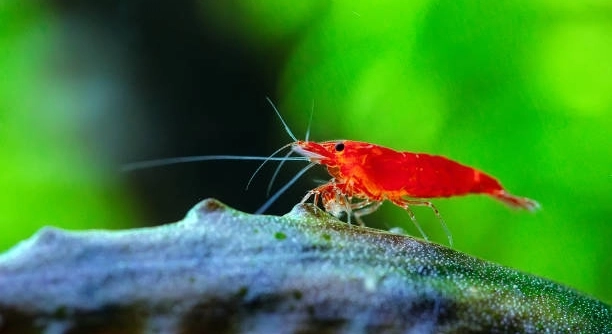
Do you ever notice your cherry shrimp spreading out in the tank instead of staying close together? Even in a well-kept aquarium, these tiny creatures often explore on their own rather than forming tight groups.
Cherry shrimp do not always stick together due to differences in age, temperament, and environmental conditions. Factors such as water temperature, available hiding spaces, and competition for food influence their tendency to move independently rather than cluster in groups.
Understanding these small behaviors can improve your tank setup and shrimp care. Observing how they interact helps create a balanced and comfortable environment for them.
Why Age and Size Matter
Cherry shrimp of different ages and sizes often behave differently in the tank. Younger shrimp are more curious and active, exploring open spaces without concern for safety. Adults tend to be more cautious, hiding among plants or decorations when they feel threatened. This natural behavior can make it seem like the group is scattered, even if there is enough food and space.
Smaller shrimp are more vulnerable and may stay hidden longer. This can make it appear as if they avoid the group, even though they are still part of the colony.
Observing these patterns can help you adjust the tank environment to better suit all shrimp. Younger shrimp may need more hiding spots to feel secure, while adults benefit from calmer areas away from high activity zones. Understanding how age and size influence behavior allows you to create a tank where every shrimp has room to move comfortably without constant stress. This simple adjustment can improve overall health and reduce aggression, letting the shrimp coexist more peacefully.
Environmental Influences
Water quality and tank setup strongly affect shrimp behavior. Poor conditions can make them hide or scatter more frequently.
Stable water temperature, proper filtration, and sufficient plant coverage encourage shrimp to feel safe. They are more likely to cluster when the environment matches their natural preferences. High levels of ammonia or nitrate, rapid temperature changes, or insufficient hiding spots create stress, prompting shrimp to move independently. Additionally, lighting impacts activity; too bright a tank can make them retreat, while gentle, indirect lighting promotes exploration. Even substrate choice matters, as some shrimp prefer fine gravel or sand for foraging. Adjusting these environmental factors reduces stress and encourages natural grouping behaviors. Keeping the tank clean and well-planted, with steady water parameters, improves overall shrimp health. Monitoring interactions allows you to identify shy or overly active individuals and adjust tank features accordingly. Over time, a balanced environment fosters a sense of security, allowing cherry shrimp to behave more naturally, move with confidence, and display social tendencies without constant separation or hiding.
Social Behavior and Temperament
Shrimp personalities vary, and this affects how closely they stick together. Some are naturally more adventurous, while others prefer solitude.
Individual temperament influences movement patterns in the tank. Bold shrimp often explore open areas, sometimes ignoring the rest of the group. Shy shrimp may stay hidden for long periods, even when food is available. Social hierarchies can also emerge, with dominant individuals claiming prime feeding spots or favorite hiding areas. These interactions cause natural spacing within the colony. Observing these behaviors helps in understanding why some shrimp prefer to be alone, while others cluster in small groups. Adjusting tank layout and feeding locations can encourage more balanced social interaction, reducing stress for less assertive shrimp. Over time, providing multiple zones for hiding and foraging allows both bold and shy shrimp to coexist comfortably, minimizing conflicts and supporting healthier behaviors across the entire group.
Environmental stress can amplify these social differences. Rapid changes in water conditions, overcrowding, or insufficient shelter can make even the most social shrimp retreat, increasing apparent isolation.
Feeding and Territory
Feeding patterns often influence how cherry shrimp group together. Access to food can encourage temporary clustering, while competition may push individuals apart.
Territorial instincts affect movement and social dynamics within the tank. Shrimp establish preferred areas for feeding and resting, which can lead to uneven distribution. Aggressive or dominant individuals sometimes monopolize high-quality spots, causing others to seek alternative zones. When food is scattered evenly, shrimp are more likely to spread out and forage independently. Over time, observing where shrimp eat and rest can help in arranging plants, decorations, and feeding areas to reduce conflicts. By creating multiple feeding points and hiding spots, shrimp feel less pressure to compete, encouraging natural interactions without constant separation. Adjusting feeding routines and tank layout can balance activity across the colony, allowing both bold and shy shrimp to thrive and feel secure within their environment.
Hiding and Shelter
Shrimp rely on hiding spots for security. Plants, rocks, and decorations provide necessary cover for both young and timid shrimp.
Limited shelter can cause overcrowding in certain areas, making shrimp scatter more often. Proper placement of hiding spaces encourages natural clustering without stress.
Mating and Reproduction
During breeding periods, behavior changes significantly. Females release pheromones to signal readiness, attracting males who may follow them around the tank. This can temporarily disrupt usual group patterns, with males focusing on pursuing receptive females. Females often seek secluded areas to molt and lay eggs, creating temporary separation from the colony. Even in a well-maintained tank, reproductive cycles influence how closely shrimp stick together. Observing these behaviors helps in understanding natural social shifts, reducing concern when shrimp temporarily isolate themselves. Adjusting tank layout with more plants and hiding spots ensures both mating and normal social activity coexist without tension.
Light and Activity
Lighting levels affect shrimp movement and group behavior. Too bright can make them hide more often.
FAQ
Why do some cherry shrimp stay alone while others group together?
Cherry shrimp personalities differ, so some prefer exploring alone while others stick close to plants or fellow shrimp. Age, size, and temperament influence this behavior. Younger shrimp are often more curious, while adults may hide more, making it seem like they are avoiding the group.
Can tank setup affect how cherry shrimp group?
Yes, tank layout plays a big role. Providing plenty of hiding spots, plants, and decorations gives shrimp security and encourages natural clustering. Open spaces without shelter can make shrimp scatter. Proper water quality, stable temperature, and gentle lighting also make them feel comfortable enough to move freely together.
Do feeding habits influence grouping behavior?
Feeding patterns can temporarily change shrimp distribution. When food is concentrated in one area, some shrimp cluster to eat while others wait their turn. Scattering food across the tank reduces competition and allows shrimp to spread out while still foraging safely.
How does molting affect social behavior?
Molting makes shrimp vulnerable, so they often hide alone until their new shell hardens. During this time, they may separate from the main group, even if the tank environment is perfect. Ensuring plenty of hiding spots helps them feel secure while molting.
Do water parameters change how shrimp stick together?
Absolutely. Poor water quality, rapid temperature shifts, or high nitrate levels increase stress, causing shrimp to hide or move independently. Maintaining stable conditions encourages them to feel safe and allows for more natural grouping behavior.
Does breeding affect shrimp social patterns?
Yes, mating periods often disrupt usual group behavior. Males may follow females around, while females look for secluded spots to molt and lay eggs. These temporary changes can make the colony appear scattered, even though they are simply following reproductive instincts.
Can shrimp personality be influenced by age?
Younger shrimp are typically more active and curious, exploring open areas without much concern for safety. Older shrimp may be more cautious, sticking to familiar hiding spots. Mixing ages naturally causes uneven distribution and varying group sizes throughout the tank.
Does lighting impact shrimp clustering?
Bright lighting can stress shrimp, causing them to hide more often and break up groups. Gentle or indirect lighting encourages them to move openly and maintain natural social interactions. Adjusting light intensity and providing shaded areas helps balance activity.
How can I encourage shrimp to stay together?
Provide multiple hiding spots, spread food evenly, and maintain stable water conditions. Arranging plants and decorations strategically gives shrimp security while still allowing for open areas where they can socialize comfortably. Observing their behavior and making small adjustments improves overall harmony.
Is it normal for some shrimp to remain isolated permanently?
Yes, some shrimp naturally prefer solitude. Even in ideal tank conditions, a few individuals may avoid the group due to personality, health, or age. As long as they eat well and show no signs of stress, this behavior is normal and should not be a concern.
Do shrimp prefer certain areas of the tank?
Shrimp establish preferred zones for feeding, resting, and hiding. Dominant individuals may occupy prime spots, while shy shrimp select quieter areas. Recognizing these preferences helps in arranging the tank to reduce conflict and support healthy social behavior.
Will overcrowding make shrimp stick together more?
Not necessarily. Overcrowding often increases stress and competition, which can cause shrimp to scatter or hide more frequently. Providing adequate space and hiding places is more effective for encouraging natural clustering than simply adding more shrimp.
How can I tell if isolated shrimp are stressed?
Signs include prolonged hiding, refusal to eat, color fading, or erratic swimming. Checking water quality, feeding habits, and tank setup can help identify the source of stress and restore comfort, encouraging shrimp to interact more naturally.
Do shrimp change behavior over time?
Yes, social behavior can shift as shrimp age, molt, or adjust to tank conditions. Occasional scattering or temporary isolation is normal. Regular observation helps track changes and ensure that all shrimp remain healthy and comfortable in their environment.
Can the presence of other species affect shrimp grouping?
Yes, fish or larger tankmates can stress shrimp, causing them to hide or move apart. Peaceful, shrimp-safe tankmates help maintain natural social patterns and allow shrimp to explore or cluster without constant fear.
This FAQ addresses most common concerns about cherry shrimp behavior and their tendency to scatter or cluster, helping you create a balanced, stress-free tank environment.
Final Thoughts
Cherry shrimp are small, delicate creatures with behaviors that can sometimes seem puzzling. Their tendency to move independently or cluster together depends on many factors. Age, size, and temperament all play important roles in how they interact with each other. Younger shrimp are usually more active and curious, exploring open spaces without worry. Adults, on the other hand, often prefer safety and may stay hidden for longer periods. This natural difference can make it appear as though some shrimp are avoiding the group, when in reality, they are simply following their instincts. Understanding these patterns helps in creating a tank environment that suits every shrimp, whether shy or bold.
Environmental conditions are another major factor in their behavior. Water quality, temperature stability, and tank layout all influence how comfortable shrimp feel in the tank. Poor water conditions or sudden changes can stress them, causing hiding or separation from the group. Similarly, limited shelter can lead to overcrowding in certain areas, forcing some shrimp to move independently. Providing plenty of plants, rocks, and hiding spots allows them to feel secure, while maintaining proper water conditions ensures their overall health. Even lighting levels affect activity. Bright or harsh light can make shrimp retreat, while gentle, indirect lighting encourages natural exploration and interaction. By carefully arranging the tank and monitoring conditions, you can support both the social and independent behaviors of your shrimp.
Feeding habits and reproduction also contribute to how cherry shrimp behave. Competition for food may cause temporary scattering, while scattering food throughout the tank can reduce stress and encourage balanced movement. During breeding, males often follow females, and females may seek secluded spots to molt and lay eggs. These periods naturally disrupt normal group behavior, but they are part of healthy shrimp life. Paying attention to their behavior during these times and providing multiple feeding points and hiding spots helps minimize stress. Observing your shrimp over time allows you to recognize their individual personalities and needs. By considering age, temperament, environment, feeding, and reproduction, you can create a tank that supports both social interaction and individual comfort, helping your cherry shrimp thrive.

Hello,
If you enjoy the content that we create, please consider saying a "Thank You!" by leaving a tip.
Every little bit helps us continue crafting quality advice that supports the health, happiness, and well-being of pets around the world, for pets of all shapes, sizes, and species.
We really appreciate the kindness and support that you show us!