
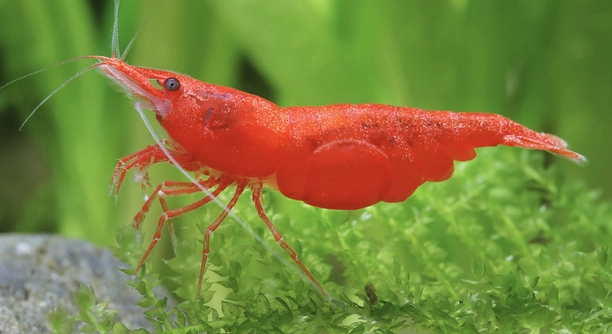
Do you ever notice your cherry shrimp resting in unusual spots around your tank? These tiny creatures have unique habits that often leave owners amused. Observing their favorite resting places can reveal fascinating insights about their behavior and comfort.
Cherry shrimp select resting locations based on safety, comfort, and environmental conditions. They often prefer areas with shelter, minimal water flow, and stable surfaces, including plants, decorations, substrate edges, and corners where they feel secure from predators and stress.
Learning where cherry shrimp choose to rest can enhance tank design and improve their well-being, offering a more natural and comfortable habitat for these delicate creatures.
Resting Among Moss and Plants
Cherry shrimp often seek refuge among moss and aquatic plants. These areas provide cover from light and create a sense of security. The soft textures of moss allow them to cling comfortably, while dense plants offer hiding spots where they can rest undisturbed. Observing them here shows how they balance comfort with safety. Tank owners may notice shrimp slowly moving along stems or curling beneath leaves during rest periods. Plants also help maintain water quality, indirectly supporting their well-being. A well-planted tank naturally encourages resting behaviors in spots that mimic their preferred environments in the wild.
Plants and moss offer both safety and comfort, making them ideal resting locations for cherry shrimp.
Positioning plants strategically encourages natural behaviors, reduces stress, and supports the shrimp’s health. Watching them navigate these spaces can be calming and reveals their selective approach to resting. Different species of moss may attract shrimp differently, with denser varieties often preferred. Providing a variety of plant types ensures that shrimp have multiple resting options throughout the tank, accommodating their need for shelter and quiet spaces. Over time, observing which plants are favored can inform future tank arrangements, ensuring the shrimp remain comfortable and secure. These spots also promote natural grazing, as the shrimp may feed while resting, combining activity with rest efficiently. Overall, moss and plant areas are essential for both behavioral enrichment and physical well-being.
Corners and Tank Edges
Shrimp frequently rest in corners or along tank edges, where movement is limited. These areas feel enclosed and offer a sense of protection from open water and potential disturbances.
Corners provide safety and minimal disturbance. Observing shrimp here can inform tank layout.
Edges and corners are prime resting spots because they reduce exposure and offer predictable surfaces for anchoring. Cherry shrimp are small and sensitive, so having defined boundaries in the tank allows them to feel secure while resting. Tank edges often accumulate biofilm, which shrimp may graze on during rest periods, combining feeding and resting efficiently. Positioning decorations or rocks near these corners enhances the sense of security and can guide shrimp to preferred resting zones. Over time, shrimp will repeatedly return to favored corners, demonstrating their reliance on structured environments. Proper lighting and gentle water flow near these areas are also key, as too much current or brightness can deter them from resting comfortably. Observing their use of corners provides insight into their natural instincts and helps maintain a balanced, stress-free habitat.
Beneath Driftwood and Rocks
Shrimp often rest under driftwood and rocks because these spots provide shade and protection. They feel safe from strong currents and external disturbances, allowing them to conserve energy while staying hidden in plain sight.
Driftwood and rocks create secure microhabitats. The overhangs offer shelter and mimic natural environments. Cherry shrimp prefer these areas because they provide cover from potential threats while maintaining easy access to food sources. They often cling to the undersides, blending into shadows. Driftwood can slowly release tannins, slightly tinting the water, which some shrimp find calming. Rocks offer stable surfaces for resting and grazing on biofilm. Over time, these spots become consistent resting zones, showing the shrimp’s preference for enclosed, stable areas. Positioning driftwood and rocks strategically ensures that shrimp have reliable places to rest while keeping the tank visually interesting.
These sheltered spots also encourage natural behaviors, including grazing and exploration. Shrimp often move between driftwood and rocks, using them as stepping stones while staying within secure areas. Such environments reduce stress and promote consistent resting habits, helping maintain overall health and comfort in the tank. Observing them here reveals how much they value shaded, protected locations for daily rest.
On Plant Leaves
Shrimp frequently rest on broad plant leaves, which provide a firm and elevated surface. They cling gently while remaining above the substrate, reducing contact with potential debris or sediment.
Leaves offer stable, elevated resting spots that combine security with easy access to grazing areas.
Cherry shrimp favor leaves because they allow visibility while maintaining safety. Broad leaves support their small bodies, preventing strain and allowing them to pause comfortably. Algae and biofilm growth on leaves add an extra benefit, as shrimp can feed while resting. Leaves located near slow water flow areas are particularly appealing because the current does not disturb them, and they can remain in place longer. Some plants with slightly textured surfaces help shrimp grip more easily, enhancing stability. By selecting leaves at different heights, shrimp balance exposure and protection, moving to preferred resting spots as needed. Leaves also encourage periodic movement, as shrimp shift to find the most comfortable angles for resting and grazing. Maintaining healthy leaves ensures these spots remain attractive and supportive for resting behaviors over time.
Inside Hollow Decorations
Hollow decorations attract shrimp because they offer full enclosure and security. The tight spaces help them feel hidden, reducing stress while allowing a quiet place to rest.
These spots also allow shrimp to escape stronger currents. They often return to the same hollow areas repeatedly, indicating preference and comfort.
On Soft Substrate
Soft substrates like sand or fine gravel are favored resting spots. Shrimp can partially bury themselves or stay lightly on the surface, which reduces pressure on their delicate bodies. These substrates are gentle, provide traction, and often collect biofilm, offering both comfort and grazing opportunities.
Clinging to Tank Glass
Shrimp occasionally rest on tank glass, particularly in low-flow areas. The smooth surface allows them to pause without being disturbed by substrate movement. Glass provides visibility while they remain stable, making it a surprisingly popular resting spot for brief periods.
Why do cherry shrimp rest in unusual spots?
Cherry shrimp select resting spots based on safety, comfort, and environmental factors. Unusual locations often provide shelter from light, flow, or potential disturbances. They instinctively seek areas where they feel protected while still having access to food. Observing these preferences helps understand their behavior and improve tank arrangements.
Is it normal for shrimp to stay in one place for long periods?
Yes, it is normal. Cherry shrimp conserve energy by remaining stationary when they feel secure. Extended rest periods are common, especially in low-light areas, under plants, or within decorations. These behaviors indicate comfort rather than illness, as long as they resume normal activity and feeding afterward.
Do shrimp prefer hiding or open spaces?
They generally prefer sheltered areas, such as moss, plants, rocks, and decorations. Open spaces are used less frequently and usually only when moving between preferred spots. Safety from strong currents, predators, and sudden disturbances drives their selection of resting locations.
Can tank setup affect where shrimp rest?
Absolutely. Placement of plants, decorations, and substrate type directly influences shrimp behavior. Providing varied textures, hiding spots, and gentle water flow encourages natural resting behaviors. In contrast, bare or overly exposed tanks may cause stress and limit their comfort, making them less likely to rest openly.
Why do shrimp sometimes rest on glass?
Resting on tank glass typically occurs in low-flow, low-disturbance areas. Glass offers a smooth, stable surface where they can pause safely. Shrimp may choose this spot temporarily while moving between hiding areas or grazing on biofilm present on the glass.
Does water flow impact resting behavior?
Yes, water flow plays a significant role. High flow areas are avoided because they make it difficult for shrimp to remain stationary. Calm, gentle-flow zones are preferred as they allow secure resting without expending energy fighting currents. Adjusting filters or flow can encourage shrimp to rest in visible areas.
Do shrimp need specific temperatures to rest comfortably?
Temperature influences activity and rest patterns. Cherry shrimp are most comfortable in stable, moderate temperatures, typically between 72–78°F (22–26°C). Fluctuations or extremes can reduce resting frequency and increase stress. Consistent conditions promote natural behaviors, including regular, peaceful resting periods.
Can shrimp resting habits indicate health issues?
Changes in resting patterns can signal health concerns. Lethargy, prolonged hiding, or unusual locations may indicate water quality problems, stress, or illness. Observing deviations from normal behavior alongside other signs like color loss or reduced feeding helps detect potential issues early.
Do shrimp prefer certain plants for resting?
Yes, dense mosses and broad-leaved plants are often favored. These provide secure, elevated surfaces and reduce exposure. Plants also encourage grazing on biofilm, combining feeding and resting efficiently. Variety in plant types ensures shrimp can choose optimal resting spots depending on their comfort needs.
How often should resting areas be cleaned?
Cleaning should be gentle and infrequent to avoid disturbing shrimp. Light rinsing or spot cleaning of plants, decorations, and substrate is sufficient. Over-cleaning removes biofilm and hiding spots, reducing comfort and natural behaviors. Maintaining a balance ensures resting areas remain safe, functional, and appealing to shrimp.
Can shrimp share resting spots?
Cherry shrimp are generally peaceful and may share resting areas, particularly among moss or plants. However, overcrowding can cause stress. Providing multiple options ensures all shrimp have access to preferred spots without competition, supporting natural behaviors and minimizing stress within the tank.
Do resting spots change over time?
Yes, shrimp may shift resting preferences as plants grow, decorations settle, or water flow changes. Observing these changes helps maintain a supportive environment. Adapting tank layout to evolving shrimp habits ensures consistent comfort and continued well-being for all inhabitants.
Does lighting affect where shrimp rest?
Lighting intensity influences resting location. Shrimp favor shaded areas or spots with gentle light. Bright, direct light can deter them from open surfaces, while dim or diffused lighting encourages visible resting areas without causing stress. Balancing lighting with natural hiding spaces is essential.
How can I encourage shrimp to use certain resting areas?
Provide secure, stable surfaces with gentle water flow, along with plants or decorations for cover. Positioning these elements in calm, shaded areas increases their appeal. Shrimp naturally explore and settle in spots that meet their safety, comfort, and feeding needs, so thoughtful tank design promotes predictable resting behavior.
Observing cherry shrimp in your tank can be surprisingly rewarding. Their resting habits reveal much about their comfort, safety, and natural instincts. Over time, you may notice that certain spots are consistently chosen for rest, such as beneath plants, under driftwood, or along tank edges. These preferences are not random. Shrimp carefully select locations that balance protection, easy access to food, and gentle water flow. Understanding these choices helps create a more harmonious environment in the tank, ensuring the shrimp remain healthy and stress-free. Providing a variety of resting options allows them to express natural behaviors and reduces competition or stress. Even small details, like the height of a plant leaf or the shape of a rock, can influence their choices. By paying attention to these subtle behaviors, you can see how much cherry shrimp value security and comfort. It also encourages a closer connection between you and your tank, as observing them closely can reveal patterns and behaviors that are not immediately obvious.
Tank design plays a significant role in supporting resting habits. A well-planted tank with varied substrates, decorations, and calm areas will provide the best conditions for shrimp. Moss, broad-leafed plants, and hollow decorations are particularly effective because they offer cover while allowing the shrimp to rest safely. Soft substrates like sand or fine gravel help reduce strain on their delicate bodies, while edges and corners provide predictable, stable surfaces. Even glass surfaces can serve as temporary resting spots in calm, low-flow zones. Positioning these elements thoughtfully creates zones that shrimp naturally favor. Regular maintenance of plants, decorations, and substrates is also important. Removing excess debris without over-cleaning preserves biofilm and hiding spots that are integral to shrimp behavior. Observing which areas are most used can guide adjustments to tank layout, ensuring that resting spots remain appealing and functional. These steps help maintain a balanced habitat where shrimp can thrive physically and behaviorally.
Finally, monitoring shrimp resting patterns offers insight into their overall health and well-being. Consistent use of safe, comfortable locations typically indicates that shrimp feel secure and are thriving. Sudden changes in preferred resting spots, excessive hiding, or prolonged inactivity can signal stress, poor water conditions, or health issues. By providing a variety of resting spaces and paying attention to their choices, you can support both natural behaviors and general health. Each shrimp may have slightly different preferences, so observing individual tendencies helps you cater to the needs of all inhabitants. Encouraging natural resting behaviors through proper tank design, gentle maintenance, and stable environmental conditions ensures that your cherry shrimp remain active, healthy, and stress-free. Over time, these small efforts create a thriving aquatic environment that supports comfort, security, and natural behavior for every shrimp in the tank.

Hello,
If you enjoy the content that we create, please consider saying a "Thank You!" by leaving a tip.
Every little bit helps us continue crafting quality advice that supports the health, happiness, and well-being of pets around the world, for pets of all shapes, sizes, and species.
We really appreciate the kindness and support that you show us!