
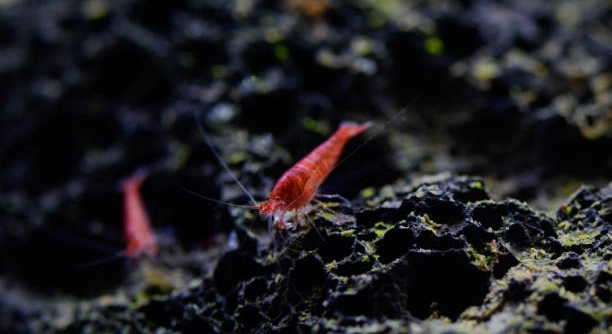
Do you enjoy keeping cherry shrimp but worry about minor changes in their water conditions? Maintaining a stable environment is essential for these small, delicate creatures, as even slight adjustments can affect their health and behavior.
Cherry shrimp can tolerate minor salinity fluctuations within a narrow range, but sudden or significant changes can cause stress, reduce feeding, and impact molting. Gradual adjustments and careful monitoring are essential to preserve their overall health and well-being.
Understanding how salinity influences shrimp is crucial for maintaining a thriving aquarium. This guide will explain the effects and best practices for small water adjustments.
Understanding Salinity Tolerance
Cherry shrimp are freshwater creatures that can survive in slightly brackish water, but their tolerance is limited. Most healthy adults handle salinity levels up to 1.012 specific gravity without serious issues. Even minor increases above this level can affect their gill function and osmoregulation. Juveniles and molting shrimp are especially sensitive, often showing stress behaviors such as reduced activity or hiding. Monitoring water parameters regularly helps prevent sudden fluctuations. Using a refractometer or hydrometer ensures accuracy when adjusting salinity. It is important to make changes gradually, no more than 0.002 to 0.003 specific gravity per day, to allow shrimp to adapt. Abrupt changes can lead to death or long-term health problems. Maintaining stable temperature, pH, and water quality along with salinity ensures a healthier shrimp population. These small adjustments can make a noticeable difference in shrimp survival and overall tank harmony. Observation is key in detecting early signs of stress.
Even tiny, unmonitored salinity shifts can impact shrimp behavior and survival. Consistency is essential to avoid stress-related issues.
Many keepers underestimate the importance of gradual adjustments. Adding a small amount of marine salt or using prepared shrimp salts must be done carefully. Mixing salt in a separate container before adding it to the tank avoids shocking the shrimp. When introducing new shrimp, acclimating them slowly to tank water helps prevent sudden osmotic stress. Watching for color changes, lethargy, or unusual hiding behaviors is crucial. These signs often indicate that the water parameters are outside their comfort range. Proper filtration, regular water changes, and a steady diet support shrimp resilience against minor salinity shifts. Consistency in maintenance routines keeps shrimp active and healthy. Documenting water changes and salt additions can help identify patterns if issues arise. Over time, careful management creates a stable environment where shrimp thrive, breed successfully, and display vibrant colors. Observing their responses reinforces good habits and builds confidence in maintaining the aquarium.
Gradual Adjustment Techniques
Start with very small changes to allow shrimp to adapt without stress. A stepwise approach is safest.
To adjust salinity, calculate the target specific gravity carefully and divide the total change into daily increments. For instance, if raising the specific gravity from 1.008 to 1.012, increase by 0.001 per day. Use a container to dissolve salts thoroughly before adding them to the tank, preventing uneven concentrations. Always monitor temperature and pH, as adding salts can slightly alter both. Observe shrimp behavior each day to ensure they remain active and feed normally. Keep records of all adjustments to spot trends or issues quickly. Even with careful changes, be prepared to perform partial water changes if signs of stress appear. Patience is key; slow adjustments reduce mortality and support molting cycles. Using these techniques, shrimp adapt smoothly, maintain vibrant colors, and continue normal behaviors. Following this method minimizes risk and promotes long-term tank stability, creating a balanced environment that supports all life stages.
Common Signs of Stress
Shrimp often hide more than usual or become less active when stressed. Color fading, reduced feeding, and slowed molting are common indicators. Frequent observation helps detect problems early. Adjusting water conditions promptly can prevent long-term health issues and mortality in the colony.
Stress in cherry shrimp usually stems from sudden changes in water chemistry, temperature fluctuations, or overcrowding. When salinity increases too quickly, shrimp may stop eating or hide constantly. Molting may be delayed, leaving them vulnerable to injury or disease. Even small variations in pH or temperature can amplify the effects of salinity changes. Monitoring water parameters daily and keeping a log helps spot subtle shifts. Providing stable hiding places, plants, and smooth surfaces can reduce stress. A balanced diet supports immune function and resilience. Avoiding abrupt water changes is critical, especially for juveniles. Consistent care promotes active, vibrant shrimp and reduces the risk of long-term stress-related problems.
Behavioral changes are often the first sign of salinity-related stress. Shrimp may cluster near the filter output or water surface seeking stable conditions. Failing to notice these subtle signs can result in declining health. By tracking behaviors alongside water parameters, owners can intervene early. Minor water adjustments, slow acclimation, and proper feeding routines support recovery and maintain population stability. Stress prevention is easier than reversing its effects, so vigilance in daily care ensures shrimp remain healthy and active. Creating an environment that mimics their natural habitat fosters confidence in their resilience and reduces unexpected mortality.
Best Practices for Maintaining Stability
Consistent monitoring and gradual adjustments prevent stress. Avoid sudden salinity shifts, maintain stable temperature, and ensure proper filtration. Observing shrimp behavior regularly is essential for timely interventions and healthy tank conditions.
Maintaining stability requires routine checks of water parameters and tank conditions. Testing for specific gravity, pH, ammonia, nitrites, and nitrates ensures the environment remains within safe limits. Small, incremental adjustments to salinity allow shrimp to adapt without triggering stress responses. Overcrowding should be avoided, and adequate hiding spaces provided to reduce territorial disputes. Feeding a varied diet with high-quality shrimp food supports growth and coloration, while regular water changes remove accumulated toxins. Keeping notes on water adjustments and shrimp behavior helps identify patterns or early warning signs. Avoid introducing chemicals or medications unnecessarily, as they may disrupt the delicate balance. Over time, these practices create a stable habitat that supports breeding, molting, and overall health. The combination of careful observation, measured changes, and proper nutrition results in a thriving, resilient shrimp colony.
Gradual Acclimation Methods
Acclimating shrimp slowly reduces stress. Introduce new water or salinity changes in small increments over several hours to allow them to adjust safely without shock. Monitoring behavior during this process is important.
Drip acclimation is one effective method. Using a siphon or airline tubing, slowly add tank water to the new water containing shrimp. Maintain a slow, steady drip for one to two hours. This ensures gradual adjustment to differences in salinity, temperature, and pH. Avoid rushing this process, as abrupt changes can be fatal. Observing shrimp for signs of stress during acclimation helps determine if adjustments need to slow further.
Water Testing Importance
Regular testing ensures water remains within safe parameters. Monitoring salinity, pH, ammonia, and nitrate levels prevents sudden changes and protects shrimp health.
Avoiding Overcorrection
Too much adjustment at once can harm shrimp. Make small, measured changes to correct issues without causing additional stress.
How much salinity can cherry shrimp tolerate?
Cherry shrimp can tolerate only slight salinity changes. Adults usually handle specific gravity levels up to 1.012 without serious issues. Juveniles and molting shrimp are more sensitive, and exceeding this range can lead to stress, reduced feeding, and even mortality. Gradual adjustments are essential to keep shrimp healthy.
What is the safest way to adjust salinity?
The safest approach is gradual adjustment. Introduce small increments of salt over several hours or days, depending on the desired change. Dissolve salt in a separate container before adding it to the tank. Monitoring specific gravity and observing shrimp behavior during this process prevents shock and stress.
Can sudden salinity changes kill cherry shrimp?
Yes. Sudden changes can disrupt osmoregulation, leaving shrimp unable to balance internal water and salt levels. This stress may result in hiding, loss of appetite, delayed molting, or death. Avoid abrupt changes by making small, controlled adjustments.
How do I know if my shrimp are stressed?
Signs of stress include hiding, reduced activity, faded colors, slow or skipped molting, and refusal to eat. Some shrimp may cluster near water flow or the tank surface seeking stable conditions. Observing behavior regularly helps detect stress before it causes serious harm.
Are juvenile shrimp more sensitive to salinity changes?
Yes. Juveniles have less developed osmoregulatory systems, making them highly sensitive to salinity fluctuations. Even minor changes can impact growth, molting, and survival. Extra caution is needed when adjusting water conditions for tanks with young shrimp.
How often should I test salinity in my tank?
Testing should be daily during changes and at least weekly during stable periods. Use a reliable hydrometer or refractometer to monitor specific gravity. Regular testing prevents unnoticed shifts that can stress shrimp and ensures a safe environment.
Can cherry shrimp recover from stress caused by salinity changes?
Recovery is possible if intervention is prompt. Correcting water parameters gradually, providing proper hiding spaces, and maintaining a consistent diet support healing. However, prolonged stress or repeated abrupt changes may weaken shrimp and reduce lifespan.
Should I mix salt directly into the tank water?
No. Mixing salt directly in the tank risks uneven concentrations, which can harm shrimp. Always pre-dissolve salt in a separate container and slowly introduce it to the aquarium. This method ensures gradual and safe adjustment for all inhabitants.
Does salinity affect molting in cherry shrimp?
Yes. Increased salinity or sudden changes can disrupt molting, leading to incomplete or delayed molts. Stress from water changes makes shrimp more vulnerable to injury and disease. Maintaining stable salinity supports regular and healthy molting cycles.
Can plants and other tank inhabitants tolerate salinity changes?
Some plants and freshwater species are sensitive to even slight salinity shifts. Ensure that any adjustment made for shrimp does not harm other tank inhabitants. Using gradual acclimation and monitoring all life forms helps maintain overall tank health.
How can I prevent salinity fluctuations?
Regular water changes using pre-conditioned water, consistent feeding, and avoiding overstocking help prevent unexpected salinity changes. Monitor evaporation, as it can concentrate salts over time. Keeping records of water adjustments supports long-term stability.
Is there a difference between synthetic shrimp salts and regular aquarium salts?
Yes. Synthetic shrimp salts are formulated to provide trace minerals beneficial for shrimp, while general aquarium salts may lack these elements. Using shrimp-specific salts ensures better health and resilience against minor salinity changes.
What should I do if shrimp show prolonged stress signs?
If stress persists, check all water parameters, including temperature, pH, and nitrates, alongside salinity. Perform partial water changes with correctly prepared water and provide extra hiding spaces. Continuous observation ensures they recover safely.
Can cherry shrimp adapt to slightly brackish water long-term?
They can survive in slightly brackish water if changes are gradual and stable. Long-term exposure to higher salinity than they tolerate can reduce health, breeding success, and lifespan. Monitoring and maintaining stable conditions is key.
How important is a consistent feeding routine during salinity changes?
Feeding consistency supports shrimp resilience. Stress from water changes can reduce appetite, so providing high-quality food on a regular schedule encourages normal behavior and helps maintain health during adjustments.
Do temperature fluctuations affect salinity tolerance?
Yes. Sudden temperature changes can amplify the effects of salinity shifts, adding stress to shrimp. Maintaining stable temperature alongside salinity ensures better survival and overall health.
Can I use tap water for salinity adjustments?
Only if it is properly treated and dechlorinated. Tap water may contain minerals or chemicals that interfere with shrimp health. Using conditioned water helps maintain stable, safe conditions during salinity adjustments.
How long should I observe shrimp after a salinity change?
Observation should continue for several days. Watch for feeding, activity, color, and hiding behaviors. Early detection of stress allows corrective action before serious harm occurs. Maintaining detailed records supports long-term health management.
Is it safe to combine salinity adjustment with other water changes?
Yes, but proceed carefully. Combine changes gradually to avoid overloading shrimp with multiple simultaneous stressors. Always monitor parameters and behavior closely when performing combined adjustments.
Do cherry shrimp show color changes with salinity stress?
Yes. Fading or dulling of colors often occurs when shrimp experience stress. Healthy, vibrant coloration is usually restored once water conditions stabilize and stress is relieved.
How can I create a long-term stable environment for cherry shrimp?
Use gradual adjustments, stable temperature, consistent feeding, quality salts, and regular monitoring. Providing hiding spaces and maintaining proper filtration support a balanced, resilient colony over time.
This FAQ section addresses most practical concerns regarding cherry shrimp and minor salinity changes, supporting safe and consistent care.
Cherry shrimp are delicate creatures that require careful attention to their environment. Slight changes in salinity can have a noticeable impact on their health, behavior, and overall well-being. While adult shrimp can tolerate minor fluctuations, juveniles and molting shrimp are far more sensitive. Gradual adjustments to water salinity are essential to prevent stress, feeding issues, or more serious health problems. Consistency in temperature, pH, and water quality supports their ability to adapt to small changes. Observing shrimp regularly allows owners to notice early signs of stress, such as hiding, color fading, or reduced activity. These signs serve as important indicators that intervention may be necessary before the problem becomes severe. By monitoring both water parameters and shrimp behavior, you create a stable environment that encourages healthy activity and normal molting cycles.
Maintaining stability involves more than just salinity control. Providing a consistent feeding routine and high-quality diet supports the shrimp’s resilience against minor stressors. Proper filtration and regular water changes remove harmful substances that can accumulate and affect the shrimp’s comfort. When adjusting salinity, pre-dissolving salts in a separate container and slowly introducing them to the tank ensures that shrimp are not shocked by sudden changes. Drip acclimation methods are particularly effective for introducing new shrimp or making water adjustments, as they allow for a gradual transition. Small, careful adjustments over several hours or days are far safer than abrupt changes. Attention to detail and patience are key components in maintaining a healthy shrimp colony. Over time, these practices create a thriving, balanced aquarium where shrimp display vibrant colors, normal activity, and successful breeding behavior.
Consistency, observation, and patience are central to keeping cherry shrimp healthy. Even minor deviations in water chemistry can create stress, but careful management minimizes these risks. Using tools such as hydrometers or refractometers to track salinity, alongside regular checks for ammonia, nitrates, and pH, provides a clear picture of the tank’s condition. Properly documenting water changes and shrimp behavior can help identify patterns and prevent future issues. In combination with stable feeding routines, safe acclimation practices, and adequate hiding spaces, these steps ensure that shrimp remain resilient to slight environmental changes. Maintaining this careful balance is not complicated, but it requires attention and commitment. Following these practices allows shrimp to thrive and ensures a healthy, vibrant aquarium for the long term.

Hello,
If you enjoy the content that we create, please consider saying a "Thank You!" by leaving a tip.
Every little bit helps us continue crafting quality advice that supports the health, happiness, and well-being of pets around the world, for pets of all shapes, sizes, and species.
We really appreciate the kindness and support that you show us!