
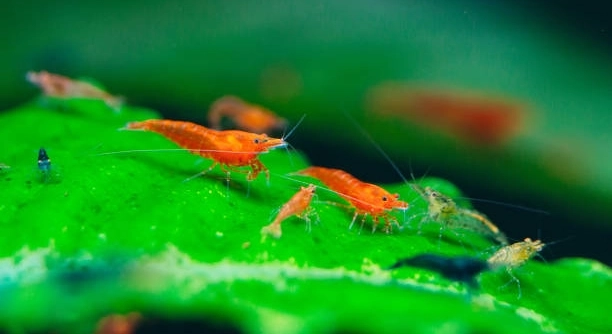
Cherry shrimp are delicate creatures that can be shy and cautious in their environment. Observing their behavior can reveal how comfortable they feel in a tank. Their movements and interactions with surroundings often indicate levels of trust.
Cherry shrimp show trust through consistent exploration of the tank, approaching food sources, interacting gently with tank mates, and resting openly. These behaviors demonstrate confidence in their environment, reflecting a stable and secure habitat where stress levels are low and survival instincts feel satisfied.
Recognizing these signs allows aquarists to better understand the shrimp’s comfort and promotes a healthy, balanced tank environment. Trust is evident in small, observable actions.
Approaching Food Confidently
Cherry shrimp that trust their tank will swim directly to food without hesitation. They do not hide or dart away when a hand approaches or when new food is added. This behavior indicates they feel safe and secure in their environment. Observing them during feeding times can reveal much about their comfort level. Shrimp that hesitate or stay in corners may still be adjusting to the tank or feeling stressed. Over time, consistent, calm feeding experiences help build their confidence. Providing a variety of foods and placing them gently in the tank encourages shrimp to explore and engage. Trust also grows when the environment remains stable, with proper water parameters, hiding spots, and minimal disturbances. Watching them interact with food shows more than hunger—it reflects their willingness to participate actively in the habitat, signaling that the tank is a secure and reliable space.
This confident feeding shows their comfort and security, which is a clear sign of trust.
Regular feeding interactions reveal trust patterns. Shrimp that explore and eat openly demonstrate adaptation, confidence, and a sense of safety. Maintaining consistency in care ensures these positive behaviors continue, allowing the shrimp to thrive naturally in a stable, stress-free tank.
Resting in Open Spaces
Shrimp that trust their tank will rest in visible areas rather than hiding constantly. They feel safe enough to pause in open spaces, exposing themselves to observation and potential tank activity.
Open resting is a significant indicator of comfort. When shrimp feel secure, they do not need constant cover.
Observing resting locations provides insight into tank conditions and shrimp confidence. Shrimp that frequently hide may experience stress from environmental changes, aggressive tank mates, or water quality issues. Providing safe, stable areas with plants, rocks, or moss can encourage more visible resting behavior. When shrimp regularly rest in the open, it shows they perceive the environment as predictable and non-threatening. This behavior is more than relaxation; it indicates mental comfort and trust. By noting where shrimp choose to rest, aquarists can adjust habitat design to support their well-being. Open resting is also linked to overall health, as shrimp that feel secure are more likely to eat properly, grow, and reproduce. Observing these subtle behaviors allows for careful monitoring of tank harmony.
Swimming Near the Front of the Tank
Shrimp that swim near the front display confidence. They are not hiding from movement outside the tank and feel safe enough to explore visible areas without fear.
This behavior reflects their trust in both the environment and routine care. Swimming openly shows they have adapted well, feel secure with water conditions, and are confident that no immediate threats exist. Over time, shrimp that repeatedly approach the front will likely interact more with food and other tank mates, demonstrating comfort. Consistent feeding, gentle movements near the tank, and stable water parameters reinforce this openness. Shrimp naturally assess their surroundings, and choosing to occupy visible spaces indicates psychological safety. It also allows for better observation, letting you notice health or behavioral changes early. This willingness to swim openly is subtle but important, signaling that the shrimp have integrated fully into their habitat and trust its stability.
Open swimming encourages social interactions among shrimp and creates a lively, dynamic tank environment. It is a clear sign of confidence and trust.
Gentle Interaction with Tank Mates
Shrimp that coexist peacefully with other tank mates demonstrate comfort and trust. Aggressive or constant hiding behavior is minimal.
Peaceful interactions are key to maintaining a healthy tank. Shrimp that trust their environment approach other shrimp slowly, share feeding areas, and avoid unnecessary stress. They recognize safe zones and respect boundaries, which reduces conflict. A tank that supports gentle social behavior encourages shrimp to display natural actions without fear. Proper hiding spots, balanced population, and calm surroundings enhance this behavior. Observing these interactions can highlight which shrimp feel most secure and adapted. Confident shrimp are more likely to reproduce and explore all areas of the tank.
By fostering a supportive environment with compatible species, shrimp can thrive and form stable social patterns. Trust develops gradually as shrimp learn the tank is safe, interactions are predictable, and daily care is consistent. Careful observation helps maintain harmony and supports the shrimp’s long-term well-being.
Exploring New Areas
Shrimp that explore new areas without hesitation demonstrate trust in their tank. They move through different sections, inspecting plants, substrate, and decorations confidently.
This willingness to investigate shows they feel safe. Shrimp that frequently hide avoid new areas, while confident shrimp actively engage with the environment, signaling comfort and stability.
Climbing Plants and Decorations
Climbing indicates both curiosity and trust. Shrimp that climb decorations or plants are confident in their balance, surroundings, and absence of threats. Observing them navigate vertical spaces shows they are secure and comfortable in their habitat.
Molting Openly
Shrimp that molt openly without hiding are displaying a high level of trust. Exposing themselves during this vulnerable time signals they feel safe from predators or disturbances.
How can I tell if my cherry shrimp trusts the tank?
Cherry shrimp display trust through their behavior. They swim openly, explore the tank without hesitation, and approach food confidently. Resting in visible areas rather than hiding, climbing plants and decorations, and interacting gently with other shrimp are clear signs of comfort. Trust also shows in molting openly without retreating to hiding spots. These behaviors indicate the shrimp feel safe, water conditions are stable, and the environment is predictable. Observing these small actions over time allows you to recognize which shrimp are most comfortable and which may need additional care or adjustments in the tank setup.
Why do some shrimp hide constantly?
Shrimp that hide frequently are usually stressed or insecure. Stress can result from poor water quality, aggressive tank mates, sudden changes in lighting, or inconsistent feeding schedules. Hiding is a natural survival instinct, helping them feel protected from perceived threats. In a well-maintained tank, hiding should be occasional rather than constant. Providing adequate plants, moss, or small caves encourages secure hiding while still allowing shrimp to explore. Gradually, as conditions stabilize and they feel safe, shy shrimp may begin to emerge, swim openly, and participate more actively in feeding and social interactions.
Is it normal for shrimp to ignore food sometimes?
Yes, occasional disinterest in food can be normal. Shrimp may be molting, resting, or stressed by minor changes in their environment. However, prolonged refusal to eat could indicate poor water quality, disease, or nutritional deficiencies. Rotating food types, maintaining consistent feeding routines, and checking water parameters can help encourage regular feeding behavior. Observing how other shrimp respond can also provide insight; confident shrimp will approach food quickly, while stressed or insecure shrimp may wait until the area feels safe.
What should I do if my shrimp are not molting openly?
Shrimp that hide during molting may feel insecure or stressed. Ensuring stable water conditions, gentle handling, and adequate hiding spaces helps them feel safe. Providing sufficient calcium and minerals in the diet supports healthy exoskeleton development. Avoid sudden disturbances, bright lights, or aggressive tank mates near molting shrimp. Gradually, as trust in the environment grows, shrimp may begin to molt more openly. Observing patterns over time can indicate whether the tank setup or social dynamics need adjustment to create a secure space for vulnerable shrimp.
Can tank mates affect shrimp trust?
Yes, tank mates play a significant role in shrimp behavior. Aggressive or fast-moving fish can cause stress, leading shrimp to hide or avoid certain areas. Peaceful, compatible species encourage shrimp to explore, feed openly, and interact gently with others. A balanced population and calm tank environment support trust and natural behavior. Observing shrimp interactions helps identify any individuals causing stress and allows adjustments in placement or tank composition. Trust develops when shrimp consistently feel safe around neighbors and can navigate their habitat without fear of attack or disturbance.
How long does it take for shrimp to show trust?
Trust develops gradually and depends on tank conditions, social environment, and shrimp personalities. Some shrimp may feel comfortable within days, while others take weeks to explore openly, feed confidently, and rest in visible areas. Consistency in care, stable water parameters, gentle feeding, and minimal disturbances encourage faster trust-building. Observing subtle changes over time, such as approaching food or climbing plants, provides reassurance that shrimp are adapting well. Patience is key, as forcing interactions or sudden changes can set back trust and cause stress, impacting health and behavior.
What environmental factors influence shrimp trust?
Stable water parameters, appropriate temperature, low stress levels, and sufficient hiding spaces are essential. Sudden changes in lighting, water chemistry, or tank decorations can make shrimp cautious. A calm environment with gentle water flow, clean substrate, and well-placed plants supports natural exploration and confidence. Consistency in daily care, feeding routines, and observation also plays a crucial role. Shrimp are sensitive to changes, and predictable conditions allow them to feel secure, express natural behaviors, and display trust through visible, confident actions in the tank.
Can trust affect shrimp reproduction?
Yes, shrimp that feel secure and comfortable are more likely to reproduce successfully. Stress and constant hiding can inhibit mating behavior, reduce activity, and impact overall health. Providing a stable, safe environment with adequate food and compatible tank mates encourages natural behaviors, including breeding. Observing shrimp that show trust—exploring, feeding, and resting openly—indicates optimal conditions for reproduction. A tank that fosters confidence ensures that shrimp can carry out all aspects of their life cycle safely, supporting long-term population health and overall tank stability.
Observing cherry shrimp in a tank can be surprisingly rewarding. Their small size and delicate nature make every action significant. Open swimming, confident feeding, and exploring different areas are all indicators of trust in their environment. Shrimp that rest in visible spaces or climb decorations without hesitation show that they feel safe. Even subtle actions, like approaching food quickly or interacting gently with tank mates, reflect their comfort level. By paying attention to these behaviors, you can better understand how secure your shrimp feel. These signs of trust are not just about activity but also indicate that the environment meets their needs, including stable water conditions, proper hiding spots, and predictable daily care. Trust is built gradually, and it is clear when shrimp consistently display these behaviors without signs of stress or fear.
Maintaining a stable tank is essential for fostering trust in shrimp. Proper water parameters, regular feeding, and minimal disturbances create a secure habitat where shrimp can thrive. Aggressive tank mates or sudden environmental changes can quickly reduce confidence, causing shrimp to hide or avoid interactions. Providing gentle water flow, safe resting areas, and varied food options helps shrimp feel comfortable in their surroundings. Observing shrimp over time allows you to notice patterns in their behavior, which can guide adjustments to the tank setup or care routines. Confident shrimp are more likely to explore, feed openly, interact with others, and even reproduce successfully. By understanding and supporting these behaviors, you create a tank where shrimp can live naturally and display trust openly. Their actions reflect the health and balance of the environment, giving insight into both their well-being and the overall quality of care.
Trust is a key part of maintaining a healthy and harmonious shrimp tank. Shrimp that feel safe demonstrate their confidence in many ways, from resting openly to climbing plants and interacting with others. These behaviors indicate that the tank conditions are suitable and that daily care is consistent. Observing these actions allows you to assess their comfort level and make adjustments if necessary. Building trust takes patience, consistent attention, and a calm environment, but it is rewarding to see shrimp thrive and behave naturally. The small, subtle signs of trust reveal the success of your care and the stability of their habitat. Recognizing and encouraging these behaviors ensures that shrimp can live securely and express their natural tendencies without stress or fear, creating a balanced and lively tank for long-term enjoyment.

Hello,
If you enjoy the content that we create, please consider saying a "Thank You!" by leaving a tip.
Every little bit helps us continue crafting quality advice that supports the health, happiness, and well-being of pets around the world, for pets of all shapes, sizes, and species.
We really appreciate the kindness and support that you show us!