
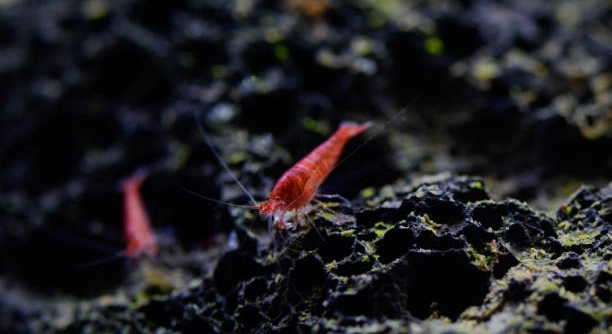
Keeping cherry shrimp healthy and happy in a tank can feel simple at first. Many aquarium owners focus on water quality and food but often overlook the impact of lighting on these delicate creatures. Lighting affects their comfort and behavior daily.
Improper lighting in cherry shrimp tanks can cause stress, disrupt molting cycles, and reduce activity levels. Excessive brightness, insufficient light duration, or inconsistent lighting schedules can negatively affect their well-being and hinder natural behaviors, making careful management essential.
Correcting lighting mistakes improves shrimp health and activity. Small adjustments can prevent stress and create a more balanced, thriving aquatic environment for your shrimp.
Too Bright Lighting
Cherry shrimp are very sensitive to light. When their tank is too bright, they tend to hide constantly and may stop feeding regularly. Excessive light can stress them, affecting their color and overall health. Bright lighting may also promote unwanted algae growth, which can compete with plants and reduce water quality. Many beginners place their tanks near windows or use high-powered bulbs without realizing the effect. Even short periods under intense light can disturb their natural rhythm. Shrimp need a balanced environment where light highlights their tank without overwhelming them. Providing shaded areas or floating plants helps them find comfort. Observing how your shrimp react to light intensity can guide adjustments. If they spend too much time hiding, the lighting is likely too strong. Gradual changes are better than sudden shifts, allowing shrimp to adapt without stress. Correcting light intensity supports their activity, molting, and natural behaviors.
Too bright lighting stresses shrimp, affects feeding, and may encourage algae, reducing overall tank health and comfort.
Adjusting the light involves lowering wattage, using a timer, or adding plants to diffuse brightness. Observation is key. Shrimp will move more, feed consistently, and display richer colors. Balancing natural and artificial light ensures a healthy tank. Experiment with duration, keeping lights on for around 8–10 hours per day, and always monitor shrimp behavior. Overly long periods of light can cause stress similar to excessive brightness. Plants and decorations provide shaded retreats, helping shrimp feel secure. Low-intensity LEDs are often sufficient for most tanks while preventing algae overgrowth. Gradual dimming in the morning and evening simulates natural conditions, giving shrimp time to adjust. Avoid placing the tank in direct sunlight, which fluctuates in intensity and temperature. Maintaining consistent lighting cycles reduces stress and supports molting, breeding, and general activity. With careful management, your shrimp will thrive and display healthy, vibrant behavior.
Inconsistent Light Schedule
Cherry shrimp rely on predictable lighting to regulate behavior. Irregular light periods confuse them and can disrupt feeding and molting routines. They may become less active and hide more often.
Maintaining a consistent light schedule helps shrimp stay healthy and active.
Using a timer for daily lighting ensures regularity. Shrimp adapt to stable schedules, which supports normal activity, feeding, and reproduction. Even small changes can disturb their rhythm, so consistency is crucial. Observing their reactions to light transitions helps refine the schedule, keeping the tank comfortable.
Light Too Close to the Tank
Placing lights too close to the water surface can overheat the tank and stress shrimp. They may hide more and stop eating. Intense light can damage plants and increase algae growth. Adjusting the height of the light prevents these issues.
Keeping lights at a reasonable distance ensures even coverage without creating hot spots. Cherry shrimp are sensitive to temperature and brightness fluctuations, so proximity matters. High-powered bulbs placed near the water can raise temperature quickly, causing stress or even health problems. Light positioned too close can also encourage excessive algae growth on decorations and plants. Spacing the light properly allows shrimp to explore the tank freely while maintaining a stable environment. Observing shrimp behavior will indicate if the distance is correct. Using adjustable mounts or racks can help fine-tune placement, balancing brightness with shrimp comfort.
Light positioning affects shrimp behavior and tank health. Proper height prevents overheating, stress, and algae issues while supporting natural shrimp activity.
Inadequate Nighttime Darkness
Shrimp need darkness to rest and maintain natural cycles. Continuous light prevents proper sleep and molting. A dark period of at least 14–16 hours each night is essential for their health.
Without sufficient darkness, cherry shrimp may experience stress, reduced molting, and lower reproductive success. Constant exposure to light disrupts circadian rhythms, leading to lethargy and poor feeding habits. Nighttime darkness helps them recover, supporting natural behaviors like hiding and grazing on biofilm. Even small tanks benefit from dark periods, which prevent overstimulation and reduce vulnerability to illness. Covering the tank partially or using timers ensures a reliable dark phase. Maintaining consistent night cycles allows shrimp to adapt and thrive, creating a stable and balanced environment for long-term health. Proper night conditions also help keep plant growth and algae under control.
Using Harsh LED Lights
Harsh LED lights can overwhelm cherry shrimp, making them hide constantly. They prefer softer, diffused lighting that mimics natural conditions. Using overly bright LEDs can stress shrimp and affect their feeding patterns.
Softening LED light with diffusers or floating plants helps shrimp feel secure. Reducing intensity prevents stress and encourages normal activity.
Flickering or Unstable Light
Flickering or unstable lighting can confuse shrimp and disturb their daily routine. Rapid changes in brightness may trigger stress responses, causing shrimp to hide or move less. Consistent and stable light is essential for maintaining their comfort and natural behaviors.
Ignoring Plant Coverage
Plants provide shade and safe hiding spots for cherry shrimp. Without adequate coverage, shrimp feel exposed and stressed, which can reduce feeding and activity.
How long should cherry shrimp lights be on each day?
Cherry shrimp thrive with a regular light schedule of about 8–10 hours daily. This gives them enough time to feed and move around without overexposure. Too long or too short light periods can stress them, disrupt molting, and reduce activity. Using a timer ensures consistency and prevents human error.
Can cherry shrimp survive under LED lights?
Yes, cherry shrimp can live under LED lights, but intensity matters. Bright, harsh LEDs can cause stress and make shrimp hide. Using softer LEDs or adding floating plants to diffuse the light creates a more natural environment. Low-intensity LEDs are enough for shrimp tanks, even with live plants.
What happens if the tank is too bright?
A tank that is too bright can stress shrimp, slow feeding, and lead to hiding behaviors. Overly bright conditions can also encourage algae growth, which competes with plants and reduces water quality. Adjusting light intensity or providing shaded areas helps shrimp feel secure. Observing shrimp behavior guides proper lighting adjustments.
Do cherry shrimp need darkness at night?
Yes, darkness is essential for rest and molting. A night period of at least 14–16 hours helps maintain their natural rhythm. Continuous light can disrupt sleep, cause stress, and affect reproductive cycles. Timers and tank covers ensure reliable dark periods, supporting overall health and activity.
How can I soften harsh lighting?
Harsh lighting can be softened by lowering intensity, using LED diffusers, or adding floating plants. Plants provide natural shade, giving shrimp spaces to hide. Gradual dimming in the morning and evening simulates natural sunrise and sunset, helping shrimp adjust smoothly to light changes.
Will flickering lights harm my shrimp?
Flickering or unstable lights can confuse and stress shrimp. Sudden brightness changes may cause hiding or reduced activity. Ensuring stable, consistent lighting prevents these problems and supports natural feeding and movement behaviors. Using a quality light fixture or checking for electrical issues helps maintain stability.
Do plants affect lighting for cherry shrimp?
Yes, plants play a key role in lighting balance. They offer shaded areas and reduce direct exposure to bright lights. Dense or floating plants help shrimp feel safe and encourage activity. Plants also compete with algae, maintaining better water quality in the tank.
Is direct sunlight safe for cherry shrimp tanks?
Direct sunlight can be harmful. It often fluctuates in intensity and temperature, stressing shrimp and promoting algae. Indirect light or placing the tank away from windows is safer. Artificial lights with controlled intensity and timers are preferable for maintaining stable conditions.
Can I use timers for shrimp lighting?
Timers are highly recommended. They ensure consistent light and dark periods, which help maintain feeding schedules, molting cycles, and overall shrimp behavior. Timers also reduce human error and make daily maintenance easier, supporting a stable and healthy tank environment.
What is the best light type for cherry shrimp?
Low-intensity LED or fluorescent lights are ideal. They provide sufficient illumination for shrimp and plants without causing stress. Avoid overly bright, harsh, or flickering lights. Combining light control with plant coverage and consistent timing creates a comfortable, thriving environment for cherry shrimp.
How do I know if the lighting is right?
Observe shrimp behavior. If they move freely, feed regularly, and display vibrant colors, the lighting is likely suitable. Excessive hiding, lethargy, or irregular molting can indicate too bright, too close, or inconsistent lighting. Adjust intensity, placement, or schedule until shrimp appear comfortable.
Are shaded areas necessary for shrimp tanks?
Shaded areas are very important. They allow shrimp to escape intense light, reduce stress, and feel secure. Plants, decorations, or floating elements create these safe zones. Shaded areas also balance algae growth and help maintain natural shrimp behavior, improving overall tank health.
Cherry shrimp are small but sensitive creatures that rely heavily on their environment to thrive. One of the most important aspects of their care is proper lighting. Lighting affects their behavior, feeding habits, and even reproduction. Too much light, light that is too harsh, or inconsistent lighting schedules can cause stress and reduce activity. When shrimp feel stressed, they tend to hide, stop eating, or molt irregularly. Providing the right light intensity, duration, and placement creates a more stable environment that supports their natural behavior. Observing how your shrimp respond to changes in lighting is essential, as their behavior will show you whether adjustments are needed. Simple changes, like adjusting the distance of the light, adding shaded areas, or using a timer, can have a significant positive impact on their well-being.
Another important factor is providing a balance between light and darkness. Cherry shrimp need periods of rest, which means darkness is just as important as light. Without enough dark time, they can become stressed and experience disrupted molting cycles or reduced reproductive success. Maintaining a predictable light schedule is crucial for their health. Timers are very useful because they create consistency and reduce the risk of human error. In addition, plants and decorations play an important role by providing shade and hiding spots, which make shrimp feel more secure. By combining proper lighting with natural tank elements, you create a supportive environment that allows shrimp to feed, explore, and reproduce without unnecessary stress.
Overall, careful attention to lighting is a simple but essential part of maintaining a healthy shrimp tank. By avoiding mistakes such as overly bright lights, inconsistent schedules, or placing lights too close to the water, you can prevent stress and support normal shrimp behavior. Creating shaded areas, using diffused lighting, and providing predictable light cycles are all effective ways to improve their environment. Even small adjustments can make a noticeable difference, helping shrimp display vibrant colors, remain active, and live longer, healthier lives. Consistent observation and small changes are the key to ensuring that cherry shrimp feel safe, comfortable, and able to thrive in their home. By taking lighting seriously and combining it with proper tank setup, you are giving your shrimp the best chance for a healthy and balanced life.

Hello,
If you enjoy the content that we create, please consider saying a "Thank You!" by leaving a tip.
Every little bit helps us continue crafting quality advice that supports the health, happiness, and well-being of pets around the world, for pets of all shapes, sizes, and species.
We really appreciate the kindness and support that you show us!