
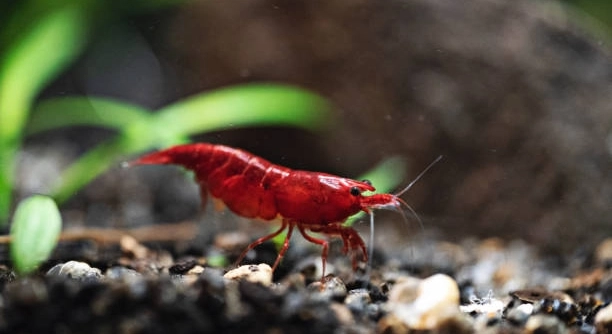
Cherry shrimp are small, colorful creatures that add life to any freshwater tank. Many people enjoy watching them, yet few realize the variety of items they actually use in their daily lives to survive.
Cherry shrimp rely on more than just food to thrive. They use plants for shelter, algae for grazing, driftwood for hiding, biofilm as a nutrient source, stones for climbing, leaves for resting, and small tank decorations to explore and maintain natural behaviors.
Learning how these tiny shrimp interact with their environment helps create a healthier and more engaging aquarium for them to flourish.
Plants as Shelter
Cherry shrimp often use live plants to hide and feel safe in their tanks. Plants like Java moss or Anubias provide leaves and stems that shrimp can cling to, rest on, or move beneath. These areas reduce stress and give them a sense of security while they explore the aquarium. Shrimp also use plants during molting, as soft leaves protect their fragile new shells. Dense plant growth encourages natural behavior, allowing them to graze and filter-feed without exposure to open water. Providing various plant types ensures there is always a safe spot for shrimp to retreat. In addition to hiding, plants improve water quality by absorbing excess nutrients, making the environment healthier overall. Shrimp tend to prefer areas with moderate lighting, as direct light may discourage them from leaving cover. Observing shrimp among plants can reveal interesting interactions, like grazing patterns and resting spots. Plants are a simple yet essential addition to any shrimp tank.
Plants help shrimp feel secure and encourage natural behaviors while improving water quality in the aquarium environment.
A well-planted tank supports shrimp health and growth. The leaves, stems, and mosses allow them to feed on biofilm and algae, providing essential nutrients. Shrimp also use plant surfaces to molt safely, reducing stress and risk of injury. Plants help maintain water quality by absorbing excess nutrients and providing shelter from strong currents. A variety of plant types creates hiding spots for shy individuals, while open areas let active shrimp explore. Observing shrimp among plants can be rewarding, showing their natural grazing and social behavior. Dense plant coverage also encourages breeding, as females feel safe releasing eggs. Even small potted plants can make a big difference. Providing a mixture of tall, short, and floating plants ensures all shrimp have access to preferred hiding and feeding areas. Plants are not only decorative but a functional part of maintaining a thriving shrimp environment.
Driftwood for Hiding
Driftwood serves as a key hiding place in shrimp tanks. Shrimp often cling to its rough surfaces or rest beneath it when molting.
Driftwood also slowly releases tannins, which slightly acidify the water and create favorable conditions.
Beyond shelter, driftwood acts as a natural grazing area. Biofilm and algae readily grow on its surface, giving shrimp an additional food source. Its texture allows them to climb and explore, encouraging exercise and activity. Driftwood can create small caves or overhangs where shrimp feel protected from tankmates or sudden movements. Choosing driftwood with varied shapes increases hiding options. Placing it near plants or substrate makes it easier for shrimp to navigate between shelters. Over time, driftwood may soften slightly, further promoting biofilm growth. Regular maintenance, like occasional gentle brushing, keeps the driftwood from excessive algae buildup while preserving shrimp access. Incorporating driftwood enhances tank complexity, making it more natural and supportive of shrimp health. A few well-positioned pieces can significantly improve both the visual appeal and functionality of the aquarium.
Algae as a Food Source
Algae is a constant food source for cherry shrimp. They graze on surfaces where it grows, including rocks, plants, and tank walls, providing essential nutrients and helping maintain tank cleanliness.
Algae is rich in vitamins and minerals that support shrimp growth and color development. Shrimp use their tiny appendages to scrape it off surfaces, making it a natural and consistent part of their diet. This grazing behavior also prevents algae from overgrowing in the tank. Some shrimp favor soft green algae, while others may nibble on tougher strands. Having a steady algae supply reduces the need for excessive supplemental feeding, which can lead to water quality issues. Observing shrimp on algae surfaces shows natural behavior patterns and ensures they remain active. Over time, algae presence helps maintain a balanced micro-ecosystem in the tank.
Shrimp grazing on algae is both practical and nutritional. They consume it for vitamins, minerals, and fiber while keeping surfaces clean, encouraging natural feeding patterns.
Algae also plays a role in shrimp reproduction. Females often feed on algae while carrying eggs, ensuring proper nutrition for developing embryos. Shrimp larvae can also graze on microalgae, supporting early growth stages. Tank algae encourages shrimp to move across the environment, exploring various surfaces. The type and amount of algae available directly influence shrimp activity and health. Maintaining moderate algae growth ensures shrimp have a reliable food source without compromising tank cleanliness. Overfeeding or removing all algae can stress shrimp, highlighting the importance of a balanced approach. By allowing controlled algae growth, shrimp thrive naturally while contributing to tank maintenance.
Stones for Climbing
Stones provide surfaces for shrimp to climb, explore, and rest. They create small elevations and textures that shrimp enjoy interacting with.
Rough stones support biofilm growth, which serves as an additional nutrient source for shrimp.
Climbing stones also improves shrimp mobility and encourages exercise. Shrimp use crevices to hide during molting or to escape more active tankmates. Different shapes and sizes create varied terrain, keeping shrimp engaged and reducing boredom. Stones near plants or driftwood form connected pathways, allowing shrimp to move freely across the tank. Smooth stones may be less appealing, so rougher surfaces are preferred for both climbing and grazing. Stones also add aesthetic appeal while serving a functional purpose. Arranging them thoughtfully ensures shrimp have safe, accessible climbing spots without overcrowding the tank. Regular cleaning prevents debris buildup, maintaining hygiene without disrupting shrimp activity. Stones are a simple way to enhance both tank complexity and shrimp behavior.
Leaves for Resting
Leaves provide cherry shrimp with soft resting areas. Shrimp often sit on them, especially after molting, to recover and feel secure.
Decaying leaves release nutrients into the water, which supports biofilm growth. This creates a secondary food source while offering a natural resting spot for shrimp.
Biofilm as a Nutrient Source
Biofilm is a thin layer of microorganisms that grows on almost every surface in a shrimp tank. Shrimp feed on it constantly, obtaining essential proteins, fats, and vitamins necessary for their health. It forms on plants, stones, driftwood, and even decorations.
Maintaining a healthy biofilm layer is important for shrimp growth and activity. Overcleaning or removing all surfaces where biofilm grows can reduce available nutrition, causing shrimp to rely solely on prepared foods. Biofilm encourages natural foraging behaviors, keeping shrimp active and engaged. It also supports the tank’s micro-ecosystem by providing nutrients for other microorganisms that coexist with shrimp. Allowing surfaces to develop biofilm slowly ensures shrimp have a steady and natural food source, which promotes vibrant color and proper molting. Observing shrimp grazing on biofilm offers insight into their feeding habits and overall well-being.
Small Tank Decorations
Small decorations give shrimp additional places to explore, hide, and climb. They enhance activity while providing variety in the tank layout.
How often should I clean the tank without disturbing my cherry shrimp?
Cleaning the tank requires balance. Cherry shrimp are sensitive to sudden changes, so avoid deep cleaning too often. Light water changes of 10-20% weekly are usually sufficient. Remove debris from the substrate gently, avoiding complete disruption of plants, biofilm, or decorations. Cleaning filters should be done carefully, using tank water instead of tap water to maintain beneficial bacteria. Over-cleaning can stress shrimp, leading to molting problems or hiding behaviors. Observing shrimp behavior during cleaning can help determine how much disruption they tolerate. Small, consistent maintenance is better than occasional heavy cleaning.
Can I mix cherry shrimp with other fish in my tank?
Cherry shrimp can coexist with small, non-aggressive fish. Species like guppies, neon tetras, or endler’s livebearers generally pose little threat. Avoid larger or aggressive fish that may prey on shrimp. Providing ample hiding spaces with plants, driftwood, and stones reduces stress and predation risks. Shrimp often hide during feeding or molting if tankmates are too active. Even with peaceful fish, shrimp benefit from dedicated feeding areas to ensure they receive proper nutrition. Monitoring interactions helps identify potential problems early. A well-planned community tank can support both shrimp and fish without compromising shrimp health.
What is the best diet for cherry shrimp?
Cherry shrimp eat a mix of natural and supplemental foods. Algae, biofilm, and decaying plant matter form their primary diet. High-quality shrimp pellets or flakes can provide extra proteins and vitamins. Vegetables like zucchini or spinach, blanched before feeding, offer additional nutrients. Avoid overfeeding, which can pollute the water. Observe how much they consume in a few hours and adjust portions accordingly. Supplementing with natural foods encourages grazing behavior, while pellets ensure they get essential minerals for shell development and coloration. A balanced diet supports growth, reproduction, and overall vitality.
Why are my cherry shrimp hiding constantly?
Hiding is normal if the shrimp are adjusting to a new tank or molting. Stress from water changes, aggressive tankmates, or poor water quality can also cause hiding. Ensuring sufficient plants, stones, and driftwood gives them safe spots. Monitor water parameters like temperature, pH, and ammonia, as poor conditions increase hiding behavior. Shrimp that spend too much time hidden may indicate a health issue or inadequate tank setup. Gradual improvements in their environment often encourage more visible and active behavior. Hiding also serves as protection during molting, which is natural and necessary.
How can I encourage breeding in cherry shrimp?
Breeding requires stable water conditions and sufficient hiding spots. Females prefer dense plants, moss, or decorations to feel secure while carrying eggs. Maintaining slightly cooler or consistent temperatures and feeding a nutrient-rich diet enhances reproduction. Avoid sudden water changes or stressors that might disrupt breeding behavior. Observing females with small egg clusters under their abdomens is normal. Providing diverse surfaces for grazing and molting helps support reproductive health. Keeping males and females in balanced numbers also improves the chance of fertilization. Stress-free, well-planted environments are key to successful breeding.
Is molting dangerous for cherry shrimp?
Molting is natural but leaves shrimp temporarily vulnerable. After shedding their old exoskeleton, shrimp need shelter to protect their soft new shells from predators or accidental injury. Providing dense plants, driftwood, and stones allows them to rest safely during this period. Water quality is crucial; poor conditions can cause molting issues or death. Feeding calcium-rich foods and maintaining mineral levels supports healthy exoskeleton development. Observing shrimp post-molt ensures they recover without difficulty. Missing or irregular molts often signal stress, illness, or nutritional deficiencies, which should be addressed promptly.
What water conditions are ideal for cherry shrimp?
Cherry shrimp thrive in slightly acidic to neutral water, with pH around 6.5-7.5. Temperature should range between 72-78°F (22-26°C). Ammonia and nitrite must remain at zero, while nitrates should be low. Consistent water parameters reduce stress and improve longevity. Soft to moderately hard water is preferred to support exoskeleton formation. Sudden changes in temperature or pH can cause hiding, molting problems, or death. Using a reliable water testing kit helps maintain stable conditions. Regular water changes with dechlorinated water help prevent harmful buildup while preserving beneficial bacteria.
Can I use artificial decorations instead of natural ones?
Artificial decorations can provide hiding spots and climbing surfaces, but they do not support biofilm or algae growth. Smooth plastic or resin items offer shelter, but rough surfaces are better for grazing. Combining natural and artificial elements balances function and aesthetics. Ensure artificial pieces are aquarium-safe and free of sharp edges. Some decorations may leach chemicals, so rinsing before use is important. While artificial items can supplement the tank, natural elements like plants, driftwood, and stones remain essential for feeding, hiding, and maintaining a healthy micro-ecosystem. Observing shrimp behavior shows whether artificial items meet their needs.
How long do cherry shrimp live?
Cherry shrimp typically live 1.5-2 years under optimal conditions. Water quality, diet, and stress levels influence lifespan. Proper tank maintenance, balanced feeding, and safe environments help shrimp reach their maximum age. Overcrowding or poor conditions can shorten life expectancy. Providing varied hiding spots, clean water, and steady nutrition contributes to longer, healthier lives. Regular observation ensures early detection of stress or illness. Shrimp that molt successfully and remain active generally indicate good health and longevity. Maintaining stable conditions reduces mortality and supports breeding, ensuring the tank remains populated with vibrant shrimp.
Cherry shrimp are small but fascinating creatures that bring life and color to a freshwater tank. Observing them interact with their environment can be rewarding, especially when you notice the many ways they use plants, driftwood, stones, and decorations. These items are not just for decoration—they serve practical purposes like hiding, climbing, resting, and feeding. Providing a variety of structures in the tank supports their natural behaviors and overall well-being. Shrimp feel safer and less stressed when they have places to retreat or explore. A well-planned tank with diverse elements allows them to thrive and display more active, natural behavior, which can be satisfying for anyone maintaining a shrimp aquarium.
Nutrition and water quality are also crucial to keeping cherry shrimp healthy. They rely on biofilm, algae, decaying plant matter, and supplemental foods to meet their dietary needs. Observing how they graze and interact with their surroundings can provide insight into whether they are getting enough nutrition. At the same time, maintaining clean, stable water conditions prevents stress and health problems. Small, consistent water changes, careful monitoring of parameters, and attention to ammonia, nitrite, and nitrate levels all contribute to a safe and supportive environment. By combining proper nutrition, stable water conditions, and a well-structured tank, cherry shrimp can live full, active lives while displaying natural behaviors such as molting, climbing, and foraging.
Understanding cherry shrimp habits also helps with breeding and long-term care. Providing hiding spots, dense plants, and a balanced diet encourages reproduction while protecting vulnerable shrimp during molting. Driftwood, stones, and decorations support activity and grazing, helping them stay healthy and vibrant. Watching them interact with these elements shows how even small details, like a few leaves or a small stone, can make a difference in their comfort and security. When these factors are consistently managed, shrimp tend to live longer, reproduce more successfully, and maintain bright coloration. Overall, attention to their environment, diet, and natural habits ensures a thriving tank where cherry shrimp can flourish, providing both visual enjoyment and a glimpse into their unique behaviors.

Hello,
If you enjoy the content that we create, please consider saying a "Thank You!" by leaving a tip.
Every little bit helps us continue crafting quality advice that supports the health, happiness, and well-being of pets around the world, for pets of all shapes, sizes, and species.
We really appreciate the kindness and support that you show us!