
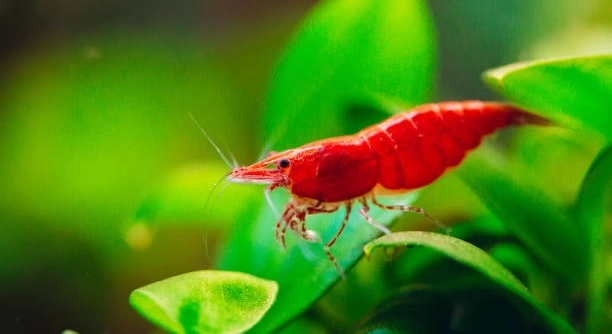
Have you ever noticed your shrimp clinging to a single decoration for most of the day, creating a small routine around that one familiar spot in their tank and showing loyalty to their chosen place.
Shrimp remain attached to one decoration because it provides consistent security, stable surfaces for grazing, and favorable microclimates that support their daily needs. These factors create a reliable habitat that encourages limited movement and reinforces their preference for familiar structures.
This small behavior reflects meaningful patterns in their environment that reveal how comfort, safety, and routine shape their daily interactions.
Why Shrimp Choose Familiar Spaces
Shrimp often settle on a single decoration because it feels consistent and stable in a changing tank. This spot delivers predictable conditions that support feeding, hiding, and resting. When a shrimp finds a place with steady flow, safe footing, and access to biofilm, it tends to return to it throughout the day. Over time, this habit becomes part of its routine, especially if the tank has areas that feel too bright or too open. A favored decoration can also hold small pockets of food that renew naturally, which makes the location even more appealing. Since shrimp rely on subtle cues to feel secure, a dependable structure becomes an easy choice. Watching this behavior can be comforting, because it shows how your shrimp respond to the environment you created for them, and how small details influence their comfort each day.
A shrimp’s attachment to one decoration often develops because it meets several daily needs with little effort.
When you understand this steady preference, you can better shape the tank so your shrimp feel safe, supported, and encouraged to explore with confidence when conditions suit them.
How Tank Conditions Influence Their Choices
Many shrimp settle into patterns based on tiny differences in water flow, surface texture, and available food. When a decoration checks all these boxes at once, it becomes a natural retreat that fits their gentle and predictable nature.
A shrimp’s environment can change how strongly it holds onto one specific decoration, whether through lighting, water quality, or the layout of the tank itself. A spot with mild flow helps them feed without being pushed around, and a textured surface lets them grip easily while grazing. Decorations that collect biofilm become ideal feeding areas because shrimp do not need to travel far for constant meals. If the tank has bright lighting, shaded sections under a decoration can feel more comfortable, especially for shrimp that prefer soft light. Even the presence of nearby plants or hiding spaces can reinforce their choice by creating a layered sense of protection. When these elements come together, the shrimp can form lasting habits that make the tank feel stable and peaceful.
Creating Appealing Alternatives
Shrimp respond well to new structures that offer stable surfaces and mild shade. Adding a few options encourages them to explore more and reduces the chance of them clinging to only one familiar decoration in the tank.
A mix of plants, textured ornaments, and gentle hiding spots helps create balance. Shrimp often move toward areas with steady biofilm growth, so choosing materials that support this can widen their comfort zone. Spread these items across different parts of the tank to avoid clustering resources in one place. When shrimp find multiple areas that feel equally safe and nourishing, they tend to rotate between them instead of settling on a single favorite. This setup also reduces competition among tank mates. With enough variety, your shrimp can establish a calmer routine and feel more confident navigating their surroundings without relying too heavily on one decoration.
It also helps to observe how your shrimp react to each change over a few days. If they gravitate toward certain textures or spots with soft lighting, you can adjust the layout gradually. Avoid rearranging everything at once, since shrimp may become stressed when their environment shifts too drastically. By introducing small updates at a steady pace, you give them time to adapt while still encouraging exploration. Each adjustment can make the tank feel more welcoming and balanced, helping your shrimp gain comfort in several different areas.
Encouraging Safe Exploration
A calm environment supports natural roaming behavior, especially when lighting, flow, and hiding spots feel gentle and predictable to your shrimp. Subtle changes in placement can encourage movement without overwhelming them or disrupting their routine.
Shrimp often explore more when their surroundings feel stable and balanced. Soft lighting helps reduce stress, and even light shading from plants can make open areas feel safer. A gentle flow that carries small food particles encourages them to follow the current and wander through different sections of the tank. Adding narrow gaps between decorations or plants gives them routes to move around without feeling exposed. The goal is to create an environment that feels open enough to explore yet sheltered enough to ease their cautious nature. When everything works together, your shrimp can build healthier habits that rely on curiosity rather than staying fixed on one decoration.
Adjusting Lighting and Flow
Soft lighting keeps shrimp calm and reduces the urge to hide in one specific spot. Gentle flow helps distribute food evenly, guiding them toward different sections of the tank in a natural and steady way.
Balanced lighting also prevents harsh glare that can make open areas uncomfortable. When shadows fall softly across the tank, shrimp feel safer exploring instead of staying tucked against one decoration.
Supporting Natural Feeding Behavior
Shrimp wander more when food is available in several places instead of collecting heavily on one surface. Spreading biofilm-friendly materials throughout the tank encourages steady movement, since shrimp can graze comfortably without returning to the same decoration over and over. Offering small amounts of sinking food in different areas also helps. This simple shift supports healthier habits and prevents one decoration from becoming the only comfortable feeding zone. Over time, they begin to recognize multiple rewarding spots, which leads to more relaxed and balanced activity in the tank.
When a Single Spot Still Dominates
Some shrimp will continue favoring one decoration even when the tank feels balanced. This behavior can be normal, especially if they formed the habit early or found a texture they enjoy.
FAQ
Why do shrimp stick to one decoration all the time?
Shrimp often stay on one decoration because it offers stability, safety, and consistent access to food. This spot typically has a texture they can grip easily, mild water flow, and some shade. Over time, this combination of comfort and convenience makes it their preferred area. Their small size and delicate nature mean they rely on these cues to feel secure, so even subtle differences in decorations can influence where they choose to spend their time. Consistency helps reduce stress, which is why they return to the same spot repeatedly.
Will my shrimp explore more if I rearrange the tank?
Rearranging the tank can encourage shrimp to explore, but sudden changes may also stress them. Gradual adjustments are more effective. Moving decorations slightly or adding new hiding spots allows shrimp to discover alternative areas without feeling threatened. Observation is key: watch how they respond to changes and adjust slowly. When multiple areas meet their comfort needs, shrimp tend to rotate between spots naturally. Small, steady updates create a sense of novelty while maintaining the stability they need.
Do lighting conditions affect their behavior?
Yes, lighting plays a major role in shrimp behavior. Bright or direct light can make them hide or cling to familiar decorations for safety. Soft, diffused lighting encourages them to explore more freely. Shaded areas under plants or decorations provide comfort, making it easier for shrimp to leave their favorite spot without feeling exposed. Even small changes in light angle or intensity can influence how comfortable they feel moving through open spaces. Proper lighting helps balance their desire for security with natural curiosity.
How important is water flow in their tank?
Water flow affects where shrimp feel safe and how they feed. Gentle currents help distribute food particles and create movement, guiding shrimp to different areas. Too strong a flow can force them to cling to a single stable surface, reinforcing attachment to one decoration. Balanced flow ensures they can explore without being pushed around. Decorations that break the current or create calm pockets encourage roaming while maintaining comfort. Flow, combined with surface texture, directly impacts their choice of resting and feeding spots.
Can I encourage shrimp to use multiple decorations?
Yes, adding a mix of textures, plants, and hiding spots encourages rotation. Shrimp prefer surfaces with biofilm and stable footing. Spreading these options across the tank gives them more areas to feel secure. Feeding in different locations also promotes movement. Gradually introducing new structures while keeping familiar ones allows shrimp to explore at their own pace. They adjust better to small changes and start recognizing multiple comfortable spots. This approach reduces stress and promotes natural grazing and roaming behaviors, keeping the tank balanced and active.
Is it normal for one shrimp to dominate a decoration?
Yes, individual shrimp often claim a favorite decoration while others use different areas. This behavior is natural and can result from size, confidence, or comfort level. Some shrimp simply feel safer on a specific surface, especially if it provides food or protection. As long as multiple hiding and feeding options exist, this behavior is not a concern. Over time, other shrimp may gradually explore the same decoration or rotate among different spots without conflict.
Do shrimp ever get bored with one decoration?
Shrimp do not experience boredom like humans, but they respond to environmental conditions. If a decoration no longer provides food, shade, or stability, they may begin exploring other areas. A healthy tank with distributed resources encourages varied activity, so they do not rely on one spot excessively. Their behavior reflects safety and nourishment rather than curiosity or disinterest. Providing multiple appealing options ensures they stay active and comfortable in the tank.
How do I know if my shrimp are stressed?
Signs of stress include hiding constantly, clinging tightly to surfaces, or refusing to eat. Sudden attachment to one decoration can indicate mild stress if it coincides with changes in lighting, flow, or water quality. Regular observation helps identify patterns. Addressing conditions like water parameters, temperature, or tank layout can reduce stress and encourage more natural movement. Ensuring multiple safe areas and stable environmental conditions supports their overall well-being and comfort.
Can shrimp adjust to new decorations over time?
Yes, shrimp adapt gradually. They need consistent conditions like stable surfaces, mild flow, and safe hiding spots. Gradual introduction of new decorations allows them to explore without fear. Over days or weeks, shrimp often rotate between old favorites and new structures, integrating them into their routine. Patience and steady observation are key to helping them adjust naturally.
Does the size or material of a decoration matter?
Absolutely. Shrimp prefer surfaces they can grip easily, often rough or textured materials. Smooth or slippery surfaces discourage attachment. Size matters as well—large surfaces provide space for resting and grazing, while small ones may only serve as temporary stops. Materials that encourage biofilm growth naturally attract shrimp, giving them a reason to return and feed. The right combination of size, texture, and surface quality influences their attachment patterns and comfort.
How often should I rearrange the tank to encourage exploration?
Frequent rearrangement is not necessary and can cause stress. Small adjustments every few weeks work best. This might include adding a new plant, moving a decoration slightly, or distributing food in new areas. Gradual changes give shrimp time to adapt while introducing variety. Observation helps determine whether they are exploring or avoiding certain spots. Steady, moderate updates keep the environment engaging without forcing them out of their comfort zones.
Do tank mates affect shrimp attachment habits?
Yes, other inhabitants can influence behavior. Shrimp may cling to one decoration to avoid more active or larger tank mates. Crowding or competition for food can reinforce attachment. Providing multiple safe zones reduces stress and encourages rotation. Observing interactions helps identify areas where shrimp feel secure, ensuring they have options that allow both comfort and natural movement.
Can shrimp be trained to explore more?
Shrimp respond more to environmental cues than intentional training. Gradually adjusting food placement, adding textured surfaces, and creating gentle currents encourages movement. Consistency and patience are key. Over time, they learn where to find resources and feel safe exploring multiple areas. Positive environmental adjustments naturally shape their behavior without forcing them.
Are some species more likely to stick to one decoration?
Yes, smaller or more timid species tend to favor single spots. Species differences affect how much they explore versus cling to secure areas. Observing your shrimp’s natural tendencies allows you to cater the tank layout, providing enough safe spaces for their comfort while gently encouraging exploration in a way that suits their personality.
Final Thoughts
Shrimp are small creatures with simple needs, but their behavior can tell us a lot about how comfortable they feel in their environment. Many shrimp will spend most of their time on a single decoration because it provides security, stable surfaces, and access to food. This attachment is not a problem but rather a natural way for them to reduce stress and feel safe. Observing which spots they prefer helps you understand how they interact with their tank. It also gives insight into the factors that matter most for their comfort, such as lighting, water flow, and available grazing surfaces. A decoration that offers shade or textured surfaces often becomes the focal point of their activity because it meets multiple needs at once. Over time, this attachment can become a predictable habit that shows how they respond to consistent, safe conditions in the tank.
Creating a balanced tank environment helps shrimp feel secure while encouraging healthy exploration. Adding multiple decorations with similar qualities—such as stable surfaces, textured materials, or gentle shading—can reduce the tendency to stay attached to only one location. Offering food in different areas of the tank also helps. Shrimp are naturally drawn to surfaces that support biofilm growth or hold small food particles, so distributing these resources encourages them to move around more. Gradual changes to the tank, like introducing new hiding spots or slightly adjusting decoration placement, can make exploration feel safer. It is important to avoid sudden, drastic changes, as these can create stress and reinforce attachment to familiar spots. By carefully observing your shrimp and providing a range of comfortable areas, you can support natural behavior while giving them options for both resting and grazing. Over time, they may start rotating between multiple spots, showing more balanced activity without losing the sense of security they value.
Even with a well-arranged tank, it is normal for some shrimp to remain attached to one decoration. Individual differences, species traits, and early habits can influence which spot they prefer. This behavior does not indicate a problem if the shrimp appears healthy, eats well, and shows normal activity in other parts of the tank. Instead, it reflects their natural approach to safety and routine. Paying attention to the details of their preferred spot—such as the flow, surface texture, or amount of shade—can provide clues on how to create similar areas elsewhere. Supporting this behavior with gradual changes, multiple safe spaces, and distributed food helps maintain a calm and engaging environment for all shrimp in the tank. Over time, this approach allows you to create a tank where shrimp feel secure, active, and well-adjusted, even if they continue to have a favorite decoration. Their attachment to one spot is just one aspect of their natural behavior, and with proper care, it can coexist with a varied and balanced tank layout.

Hello,
If you enjoy the content that we create, please consider saying a "Thank You!" by leaving a tip.
Every little bit helps us continue crafting quality advice that supports the health, happiness, and well-being of pets around the world, for pets of all shapes, sizes, and species.
We really appreciate the kindness and support that you show us!