
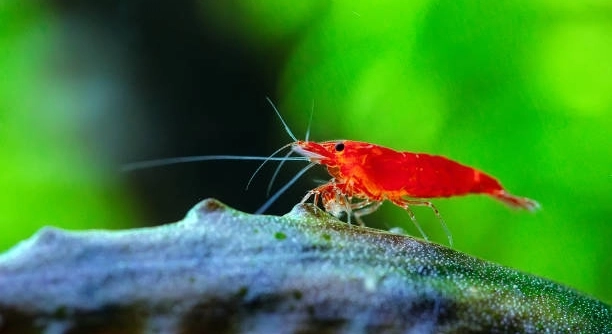
Cherry shrimp are small, vibrant creatures often admired for their bright colors and peaceful presence in aquariums. Many hobbyists enjoy watching them interact and thrive in well-maintained aquatic environments with proper care.
Research indicates that cherry shrimp do exhibit social behaviors over time, forming loose hierarchical structures and engaging in group interactions. These interactions can influence feeding patterns, molting cycles, and overall stress levels within a colony.
Understanding these behaviors can help maintain a healthier aquarium environment and ensure shrimp thrive over time in social groups.
Understanding Cherry Shrimp Behavior
Cherry shrimp often display simple yet fascinating behaviors in their tanks. They move slowly across plants and substrate, grazing on biofilm, algae, and leftover food. Watching them interact can be surprisingly calming, as they pause near each other or seem to recognize certain tankmates. Over time, these shrimp may appear to have preferred companions, though this is more about comfort and familiarity than strong emotional bonds. Their movements are predictable, yet each shrimp has its own small quirks, like lingering in a favorite corner or exploring new decorations. Males tend to be more active, while females may focus on grazing and resting, especially when carrying eggs. Social interactions often involve gentle nudges or following each other without aggression. Observing these patterns can help in understanding their needs, like when hiding spaces or additional food are necessary. It’s clear that cherry shrimp benefit from a stable environment with consistent care and minimal disturbances.
Regular observation can reveal subtle patterns in their behavior and interactions over time.
Keeping their tank conditions stable encourages consistent behaviors, making it easier to notice changes or stress signals in your shrimp colony.
How Social Bonds Develop
Over time, cherry shrimp may show familiarity with specific tankmates. They often remain near each other during feeding or when exploring. This proximity is less about strong emotional attachment and more about safety in numbers.
The development of these bonds is influenced by factors like tank size, number of shrimp, and availability of hiding spots. In a crowded or stressful tank, shrimp may avoid others and retreat into plants or decorations. Conversely, a well-maintained tank with adequate space encourages gentle group behaviors, like grazing side by side and synchronized movements. Observing these behaviors helps understand their comfort levels and can inform adjustments to tank setup, feeding routines, or habitat enrichment. Younger shrimp may follow older ones, learning efficient grazing patterns. Molting cycles also impact social interactions, as shrimp become vulnerable and seek sheltered areas near others. Over time, consistent observation allows you to notice subtle preferences and movement patterns. Understanding these behaviors supports long-term health, reduces stress, and enhances your ability to maintain a harmonious shrimp colony.
Recognizing Social Interactions
Cherry shrimp often gather near food or hiding spots. They may follow each other or briefly touch antennae, which signals awareness of one another without aggression.
These small interactions show a basic form of social organization. Shrimp rarely fight, but they do establish loose hierarchies when resources are limited. Following and touching help them coordinate grazing and avoid conflicts. Observing these interactions over time can reveal which shrimp prefer certain areas and companions. They may also react collectively to disturbances, moving together toward safer zones.
Some shrimp appear to have recurring “companions,” often grazing or resting near the same individuals. This behavior is subtle but consistent, suggesting comfort and familiarity rather than deep bonds. Monitoring these patterns can help in optimizing tank layout, food distribution, and hiding spaces. It also allows you to notice changes in behavior that may indicate stress, illness, or overcrowding.
Environmental Factors Affecting Bonds
Tank size, plant density, and water conditions heavily influence shrimp behavior. A cramped or poorly maintained tank reduces interaction and increases hiding.
Optimal environments support natural social behaviors. Cherry shrimp feel safer in tanks with plenty of hiding spots, stable water parameters, and balanced food supply. Dense plants and decorations allow shrimp to explore without constant stress, encouraging them to remain in proximity without competition. Proper water quality, including temperature, pH, and ammonia levels, directly affects activity levels and comfort. Healthy shrimp are more likely to display predictable interactions, grazing together and showing subtle patterns of familiarity. Observing these behaviors helps in maintaining both individual and group health. When a tank is well-maintained, social structures appear more organized, and shrimp demonstrate natural tendencies like synchronized grazing and gentle following. Attention to environmental conditions reduces stress and fosters an overall sense of security for your colony.
Identifying Preferred Companions
Cherry shrimp often choose to stay near certain tankmates while grazing or resting. These preferences are subtle and can change over time depending on activity and environment.
Repeated proximity to the same individuals indicates comfort and familiarity. Shrimp may not actively seek others, but they show consistent patterns in movement and grazing near familiar neighbors.
Impact of Feeding on Social Behavior
Feeding routines influence shrimp interactions. When food is plentiful, shrimp gather together calmly, following similar paths across plants and substrate. Consistent feeding schedules encourage synchronized grazing and reduce competition. Over time, shrimp learn each other’s habits and adjust their positions accordingly.
Molting and Social Comfort
During molting, shrimp become vulnerable and seek sheltered spots. Nearby companions rarely disturb them, indicating a form of social tolerance and awareness.
FAQ
Can cherry shrimp recognize individual tankmates?
Cherry shrimp do not have the cognitive ability to recognize individuals like mammals or birds. However, they do remember familiar neighbors based on movement patterns and interactions. Over time, shrimp may show comfort by grazing or resting near specific tankmates repeatedly. This behavior reflects familiarity rather than true recognition.
Do cherry shrimp prefer to stay in groups?
Yes, cherry shrimp naturally feel more secure in groups. Being near other shrimp provides safety from perceived threats, reduces stress, and encourages grazing in open areas. Even small groups of three to five shrimp demonstrate more relaxed behavior than isolated individuals, often moving and feeding in coordinated ways.
How long does it take for social patterns to form?
Social patterns can appear within a few weeks in a stable environment. Shrimp gradually learn each other’s movements, preferred grazing spots, and hiding habits. Observing consistent proximity between certain shrimp over time is an indication that these patterns are established, although they remain flexible if tank conditions change.
Does tank size affect social behavior?
Absolutely. Smaller tanks can limit movement and increase competition, which may reduce interactions or cause hiding. Larger tanks with adequate plants and hiding spaces allow shrimp to interact naturally, form loose hierarchies, and graze comfortably near others without stress. Proper tank size is essential for maintaining healthy social behavior.
Do males and females behave differently socially?
Yes, males are generally more active, exploring the tank and moving frequently between neighbors. Females, especially when carrying eggs, may focus more on grazing and hiding. This difference in activity affects how social interactions appear, with males often initiating following behaviors while females remain in consistent spots.
How do feeding routines impact social bonds?
Regular and adequate feeding encourages calm social behavior. When food is available, shrimp gather without aggression and follow similar paths across the tank. Irregular feeding or insufficient food can lead to competition and reduce time spent in proximity, which disrupts social patterns and increases stress.
Do shrimp show affection or attachment?
Cherry shrimp do not form emotional bonds like mammals, but they display tolerance and familiarity. Staying near the same neighbors repeatedly, following them, or grazing side by side indicates comfort. These behaviors suggest a preference for familiar companions rather than emotional attachment.
What role do hiding spots play in social interactions?
Hiding spots are critical for molting and stress management. Shrimp retreat to these areas when vulnerable, and nearby neighbors rarely disturb them. Adequate shelters promote natural social tolerance and allow shrimp to feel secure, encouraging more visible interactions when they are active.
Can social behavior change over time?
Yes, social patterns are influenced by age, molting cycles, and environmental conditions. New shrimp introductions, changes in tank setup, or water quality fluctuations can alter who interacts with whom. Observing these changes helps understand the colony’s dynamics and maintain a healthy environment.
Are social bonds important for shrimp health?
While not essential in the emotional sense, social interactions reduce stress and encourage natural grazing and activity. A stable group with predictable patterns is often healthier, less prone to hiding excessively, and shows more consistent growth and molting cycles, reflecting overall wellbeing.
Do shrimp communicate with each other?
Communication is subtle and mostly involves antennae contact, body movements, and following behaviors. These interactions coordinate grazing, establish comfort zones, and reduce conflict. Although it is not communication in a complex sense, it helps maintain order within the group and supports their basic social structure.
How can I encourage healthy social behavior in my tank?
Maintaining stable water parameters, providing enough space and hiding spots, and feeding consistently are key. Observing shrimp and adjusting environmental factors based on their behavior ensures that they can interact naturally and reduces stress, helping establish a comfortable, cooperative colony.
What signs indicate disrupted social behavior?
Excessive hiding, aggression, or isolation from the group suggests stress or poor environmental conditions. Molting complications, uneven growth, or erratic swimming patterns also indicate that social structures are affected. Timely adjustments in water quality, tank layout, or population density can restore healthy interactions.
Can social bonds influence breeding?
Indirectly, yes. Shrimp that are comfortable and less stressed in their social environment are more likely to engage in normal reproductive behaviors. While bonds are not emotional, familiarity reduces stress, encourages activity, and increases the likelihood of successful mating and egg carrying.
Is it necessary to separate aggressive shrimp?
Cherry shrimp are generally peaceful, so aggression is rare. However, overcrowding or competition for food can cause temporary disputes. If aggression persists, providing more hiding spaces or reducing population density usually resolves issues without needing to remove individuals from the tank.
Cherry shrimp are small but fascinating creatures, and observing their behavior can be surprisingly rewarding. Over time, they develop subtle patterns in how they interact with their tankmates. While they do not form emotional bonds like mammals, they do display familiarity and comfort with certain shrimp, often grazing or resting near the same individuals. These behaviors reflect an underlying social structure that is gentle and flexible. Males tend to be more active, exploring the tank and following other shrimp, while females focus more on grazing, hiding, and caring for eggs. Recognizing these differences can help you understand your colony better and provide an environment that suits all shrimp, regardless of gender.
Environmental conditions play a crucial role in shaping shrimp behavior. A stable tank with consistent water parameters, adequate space, and plenty of hiding spots encourages natural interactions. Shrimp feel safer in groups, and they are more likely to engage in gentle following, synchronized grazing, and recurring proximity when they are comfortable. Feeding routines also impact these interactions. Regular and sufficient food supply reduces competition, while irregular feeding or overcrowding can increase stress and alter social patterns. Observing shrimp behavior over time allows you to notice these subtle changes and adjust the environment accordingly. Molting is another critical factor. During this time, shrimp become vulnerable and retreat to sheltered spots. Nearby tankmates rarely disturb them, showing a form of social tolerance that contributes to their overall well-being. Providing a secure environment for molting supports both individual health and group stability.
Understanding these social tendencies is not just interesting, but it also helps maintain a healthy aquarium. By monitoring interactions, you can identify which shrimp are more comfortable together, which areas of the tank they prefer, and how environmental factors influence their behavior. This knowledge allows you to make small but meaningful adjustments to tank layout, population density, and feeding practices, ultimately fostering a more harmonious colony. While cherry shrimp do not form deep social bonds, their patterns of comfort and familiarity are significant for their daily activities and overall health. Paying attention to these behaviors can improve your ability to care for them, ensuring a stable, stress-free environment where each shrimp can thrive. Observing them over months can reveal fascinating dynamics that are subtle yet consistent, reflecting a balance of individuality and social interaction in a small but vibrant aquatic community.

Hello,
If you enjoy the content that we create, please consider saying a "Thank You!" by leaving a tip.
Every little bit helps us continue crafting quality advice that supports the health, happiness, and well-being of pets around the world, for pets of all shapes, sizes, and species.
We really appreciate the kindness and support that you show us!