
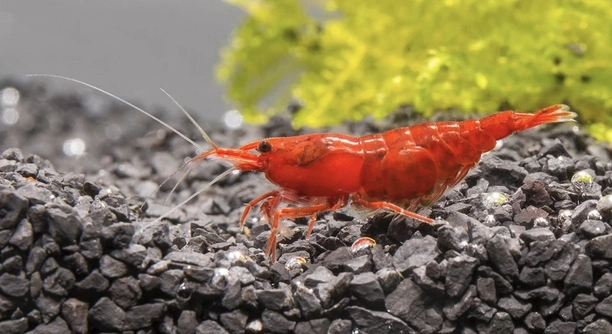
Cherry shrimp are delicate creatures that rely on a calm environment to rest properly. Their sleep patterns can be affected by numerous subtle changes in their habitat, making it important to understand what may disturb them.
Several factors can interfere with cherry shrimp sleep, including improper lighting, sudden temperature fluctuations, excessive tank noise, high water flow, overcrowding, stress from other tank mates, and irregular feeding schedules. Each element can disrupt natural resting behaviors.
Identifying these disturbances helps ensure your shrimp remain healthy and active, providing a peaceful and balanced environment in their aquarium home.
Improper Lighting
Cherry shrimp require a consistent day-night cycle to regulate their sleep. Too much light, especially at night, can prevent them from resting properly. Bright aquarium lights left on for extended periods may stress them, reducing their activity during the day and affecting molting. It is important to maintain a balance between light and darkness. Natural daylight or a timer-controlled aquarium light can help mimic their natural environment. Avoid sudden changes in brightness, as this can startle the shrimp and disturb their resting habits. Providing shaded areas or plants also allows them to retreat when they need quiet time. Consistency in lighting encourages regular sleep cycles, supporting overall health, growth, and molting. By observing their behavior under different lighting conditions, you can determine what works best for your tank setup. Keeping lights on a predictable schedule helps maintain a calm and stable environment for cherry shrimp.
Proper lighting helps shrimp maintain normal sleep and activity patterns without unnecessary stress or disruption.
Adding floating plants or dimmable lights can provide shaded areas. This allows cherry shrimp to find safe, quiet spots to rest.
Sudden Temperature Fluctuations
Cherry shrimp are highly sensitive to temperature changes. Rapid shifts in water temperature can cause stress, disrupting their sleep and overall well-being. Stable water temperatures are essential for maintaining their metabolism and natural resting patterns. Sudden heat or cold shocks may trigger hiding, erratic swimming, or lethargy, all of which indicate discomfort. Consistent heating or cooling equipment, such as aquarium heaters or chillers, ensures gradual changes in temperature. Monitoring the tank with reliable thermometers can prevent extreme fluctuations and maintain a stable environment. Seasonal changes or tank placement near windows can also affect temperature stability. Taking preventive measures, like insulating the tank or avoiding drafts, helps minimize risks. By keeping water conditions steady, you create a calm environment where cherry shrimp can sleep and feed normally, reducing stress-related behaviors and improving their overall health. Proper temperature control supports growth, molting, and active, healthy shrimp behavior.
Even small temperature shifts can disturb sleep patterns, so maintaining steady warmth is crucial.
Excessive Tank Noise
Tank noise can startle cherry shrimp, preventing them from resting properly. Vibrations from pumps, filters, or nearby activity may keep them active or hiding instead of sleeping, affecting their overall health.
Even normal aquarium equipment can produce vibrations that disturb shrimp. High-flow filters, air pumps, or external vibrations from tapping on the glass may trigger stress responses. Cherry shrimp are sensitive to movement and sudden changes in water pressure, which can interrupt resting periods. Placing equipment on soft surfaces, using quieter filters, or reducing nearby disturbances can help. Monitoring their behavior after adjustments will indicate if noise levels are appropriate. Quiet, stable conditions encourage proper sleep, normal feeding, and molting.
Providing hiding spots like plants or decorations can reduce stress from vibrations. Cherry shrimp use these areas to rest safely when the tank environment feels too active or noisy. Maintaining a calm setting helps them establish consistent sleep patterns and improves overall health.
Overcrowding
Overcrowding increases competition for food and space, leading to stress that interferes with sleep. Cherry shrimp need enough room to move freely and rest without disturbances.
Too many shrimp in a tank can lead to constant chasing, hiding, or fighting for resources. Overcrowding creates tension, reducing time spent resting and increasing susceptibility to illness. Ensuring a proper shrimp-to-space ratio helps maintain calm, reduces stress, and encourages normal activity cycles. Providing sufficient plants, decorations, and open swimming areas allows each shrimp a place to rest and feel secure. Observation of shrimp behavior can guide adjustments in population or tank layout.
A balanced tank population supports healthier shrimp behavior, including proper sleep and molting. Overcrowding disrupts natural routines, so maintaining space and resources is essential. Providing additional hiding spots and monitoring interactions ensures each shrimp can rest, feed, and grow without constant competition or stress.
Stress from Tank Mates
Aggressive or overly active tank mates can disturb cherry shrimp, preventing them from resting. Constant chasing or predatory behavior creates stress and interrupts sleep patterns.
Even non-aggressive fish may inadvertently stress shrimp by swimming too close or competing for food. Stress reduces resting periods, affecting molting and overall health. Providing separate areas or hiding spots helps shrimp avoid unnecessary stress.
High Water Flow
Strong currents can make it difficult for cherry shrimp to stay in one place. They often expend extra energy clinging to surfaces instead of resting, which interferes with sleep.
Adjusting the flow rate allows shrimp to move naturally while finding calm areas. Strategic placement of plants and decorations can break up currents and provide safe resting zones. High water flow can also dislodge shrimp from their favorite hiding spots, creating repeated disturbances. Ensuring some quiet areas in the tank supports natural resting behavior and overall well-being.
Irregular Feeding Schedules
Cherry shrimp thrive on consistent feeding patterns. Irregular schedules can stress them, causing restlessness and reduced sleep.
Poor Water Quality
Dirty or unstable water conditions can significantly affect cherry shrimp sleep. Accumulated waste, high ammonia, or fluctuating pH levels create stress, forcing shrimp to hide or stay active instead of resting.
How can I tell if my cherry shrimp is not sleeping well?
Cherry shrimp that are not resting properly often show signs of stress or unusual activity. They may hide more than usual, swim erratically, or stay near the filter or tank surface constantly. Molting issues and slower growth can also indicate disturbed sleep. Observing daily behavior helps identify patterns of restlessness, which can be linked to environmental factors like lighting, water flow, or tank mates. Providing calm areas, hiding spots, and consistent conditions allows you to monitor changes and ensure they get enough rest for proper health.
What is the best lighting schedule for cherry shrimp?
A consistent day-night cycle helps maintain natural sleep patterns. Keeping lights on for about 8–10 hours during the day and off at night works well. Using timers ensures consistency, even if you are busy or forget. Too much light can stress shrimp, while too little can disrupt their natural activity and feeding behavior. Floating plants or shaded areas provide additional refuge, allowing shrimp to adjust light exposure according to their comfort. Maintaining predictable lighting encourages normal activity, molting, and sleep without introducing unnecessary stress.
How can I reduce stress from tank mates?
Separating aggressive or active fish from shrimp is the most effective approach. Adding plants, moss, or decorations gives shrimp hiding spots and breaks lines of sight with potential threats. Observing interactions helps identify which tank mates may cause tension. Shrimp need quiet spaces to feed and rest, and too much competition or chasing interferes with sleep. Creating territories within the tank ensures shrimp can retreat when necessary, reducing stress and supporting overall health. Choosing peaceful tank mates from the start also minimizes disturbances.
What is the ideal water flow for cherry shrimp?
Cherry shrimp prefer gentle currents that allow easy movement without expending extra energy. Strong flows can push them into hiding or prevent proper rest. Using adjustable filters or positioning equipment strategically can create calm areas within the tank. Plants, decorations, and caves also reduce the impact of current, giving shrimp zones where they can anchor themselves and sleep naturally. Observing how shrimp respond to flow adjustments ensures the environment meets their needs for rest and activity. Maintaining moderate flow protects both health and comfort.
How often should I feed my cherry shrimp?
Feeding schedules should be consistent to avoid stress. Small amounts once or twice a day are sufficient, depending on tank population and plant growth. Overfeeding can pollute the water, while underfeeding may cause competition and restless behavior. Providing sinking foods, algae wafers, or biofilm supplements ensures shrimp get nutrients without disturbing others. Observing feeding patterns helps fine-tune the routine. Regular feeding supports normal activity, molting, and sleep cycles. Keeping a predictable schedule creates stability and reduces unnecessary stress in the tank environment.
What water parameters affect sleep the most?
Stable water quality is critical. High ammonia, nitrite, or nitrate levels, fluctuating pH, or temperature changes can stress shrimp and interrupt sleep. Regular testing and maintenance help maintain safe levels. Water changes, gentle filtration, and monitoring seasonal shifts contribute to a stable environment. Shrimp thrive in clean, calm water with steady conditions, which allows them to rest and carry out normal behaviors. Observing shrimp response to water changes ensures adjustments improve comfort and sleep quality.
Can plants help improve cherry shrimp sleep?
Yes, live plants provide hiding spots and reduce stress. They create shaded areas where shrimp feel secure, helping them rest undisturbed. Moss, floating plants, and dense foliage give shrimp the option to retreat when tank activity or flow is high. Plants also support water quality by absorbing excess nutrients, which further reduces stress. Including a variety of plants ensures multiple safe zones for shrimp, encouraging natural sleep patterns, healthy activity, and molting without unnecessary disturbances.
Do temperature fluctuations really disturb shrimp sleep?
Even small shifts in temperature can stress cherry shrimp. Rapid cooling or heating forces them to adjust constantly, reducing resting time. Using reliable heaters, avoiding drafts, and placing the tank away from windows or vents minimizes fluctuations. Maintaining a steady temperature supports metabolism, molting, and calm behavior. Observing shrimp after temperature adjustments can confirm if conditions are comfortable and conducive to proper sleep. Stable warmth is essential for both day-to-day activity and long-term health.
How do I know if my tank is overcrowded?
Signs of overcrowding include constant hiding, frequent chasing, and uneven feeding. Shrimp may struggle to find space to rest, leading to stress and interrupted sleep. Maintaining appropriate stocking levels and providing enough plants or decorations ensures each shrimp has safe zones. Observation helps determine if the tank population needs adjustment to support proper rest, growth, and overall well-being.
Cherry shrimp are sensitive creatures that thrive in stable and calm environments. Their sleep patterns are influenced by multiple factors, including lighting, water flow, temperature, tank mates, and feeding schedules. Even small changes in their environment can affect their ability to rest properly, which in turn impacts their overall health. Observing shrimp behavior closely can help identify when something is causing stress or disruption. Over time, you will begin to notice patterns in how your shrimp respond to changes, which can guide adjustments to their habitat. Consistency is key, and creating predictable conditions in the tank supports not only sleep but also feeding, molting, and social interactions among shrimp.
Maintaining proper tank conditions is one of the most important steps in helping cherry shrimp rest well. Ensuring stable water parameters, including temperature, pH, and cleanliness, reduces stress and promotes a natural routine. Gentle water flow and quiet equipment also contribute to a calm environment where shrimp can feel safe. Adding plants, moss, and decorations provides additional hiding spots, giving shrimp the ability to retreat when needed. Lighting schedules should mimic natural day and night cycles to support their circadian rhythms. Feeding should be consistent but moderate to avoid water quality issues. By addressing these factors systematically, you create an environment that minimizes disturbances and supports healthy, restful behavior.
Paying attention to your cherry shrimp’s needs helps ensure they remain active, healthy, and stress-free. Overcrowding, sudden changes, and aggressive tank mates can all interfere with their ability to sleep properly, so careful planning of population and tank layout is important. By observing, adjusting, and maintaining consistent conditions, you help shrimp develop regular sleep habits and a stronger immune system. Proper sleep contributes to better growth, successful molting, and natural behaviors, which ultimately makes the tank a more balanced and healthy habitat. Taking these steps allows cherry shrimp to thrive, and a calm, well-maintained aquarium provides satisfaction for both the shrimp and the person caring for them.

Hello,
If you enjoy the content that we create, please consider saying a "Thank You!" by leaving a tip.
Every little bit helps us continue crafting quality advice that supports the health, happiness, and well-being of pets around the world, for pets of all shapes, sizes, and species.
We really appreciate the kindness and support that you show us!