
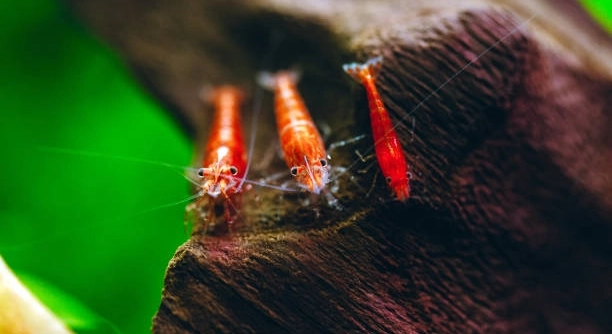
Shrimp are fascinating creatures that often move in ways that seem unusual to the casual observer. One common behavior is swimming up and down repeatedly in their tanks or natural habitats. This motion can appear random but often has a purpose.
Shrimp may swim vertically due to factors such as feeding behavior, water temperature changes, oxygen levels, or stress. These repeated movements help them explore their environment, maintain buoyancy, and respond to environmental stimuli efficiently.
Understanding why shrimp exhibit this behavior can help improve their care and habitat conditions. Observing these movements provides insight into their overall health and well-being.
Why Shrimp Swim Up and Down
Shrimp often swim vertically as a way to interact with their environment. In many cases, this behavior is linked to their search for food or adjusting to water currents. They may rise to the surface to grab floating particles or sink to the bottom to sift through sediment. Changes in water temperature or oxygen levels can also trigger these movements. When oxygen is lower near the bottom, shrimp may move upward where the water is more aerated. Stress from overcrowding, sudden changes in lighting, or new tank conditions can also cause repeated vertical swimming. Observing the patterns carefully can give insight into their needs and help maintain a healthy environment. By paying attention to water quality, temperature, and feeding routines, it is possible to reduce unnecessary stress and encourage natural, comfortable movement. Vertical swimming is often normal but can signal adjustment to surroundings.
Shrimp swim vertically mainly to feed, adjust to water conditions, or respond to minor stress in their environment.
Noticing consistent up-and-down swimming can indicate environmental factors at play. Monitoring water quality, temperature, and tank setup can ensure shrimp remain healthy and active. It also helps identify whether movements are typical or a sign of discomfort that needs correction. Understanding these patterns supports proper shrimp care and maintains a stable tank ecosystem.
Common Triggers for Vertical Movement
Environmental changes often prompt shrimp to swim vertically. They respond to shifts in oxygen levels, water flow, or light exposure.
Temperature fluctuations, food placement, and oxygen gradients strongly influence shrimp activity. Low oxygen areas near the tank bottom encourage them to rise, while surface feeding draws them upward. Sudden changes in lighting or water movement can startle shrimp, causing repeated swimming until they adjust. Regular tank maintenance and careful observation reduce stress and promote natural behavior. Monitoring these triggers ensures shrimp can swim comfortably while maintaining health.
Vertical swimming can also be linked to feeding routines. Shrimp explore the water column to locate food particles, moving between the bottom and surface as needed. Proper feeding schedules help minimize frantic movements, while keeping oxygen levels stable allows shrimp to move freely without stress. Tank decorations, plants, or hiding spots can influence swimming patterns by offering areas to rest or forage. Ensuring a consistent environment with minimal sudden changes supports normal vertical behavior. Over time, careful observation and adjustment of tank conditions can provide a healthier, more predictable habitat for shrimp, reducing excessive swimming caused by stress. This understanding helps maintain their natural habits while keeping the aquarium balanced and comfortable.
Feeding Behavior and Vertical Swimming
Shrimp often swim up and down while searching for food. They move through the water column to find particles at different levels. This behavior helps them access more nutrients and ensures they do not miss any edible material in their tank.
Feeding patterns strongly influence vertical movement. Shrimp rise to the surface for floating food, then sink to the bottom to forage among substrate or plants. They may repeat this cycle multiple times during feeding periods. This motion allows them to cover the entire tank efficiently and ensures all shrimp have access to food. Overfeeding or uneven food distribution can cause frantic swimming, while proper feeding routines keep movements natural and calm.
Some shrimp may also swim vertically after feeding to clean themselves or adjust buoyancy. This behavior ensures that leftover particles do not irritate them and that they remain comfortable. Maintaining a balanced diet and distributing food evenly reduces unnecessary stress and promotes steady, purposeful movement, keeping shrimp active yet relaxed throughout the day.
Water Quality and Swimming Patterns
Shrimp are highly sensitive to water conditions. Poor quality, low oxygen, or sudden chemical changes can trigger repeated vertical swimming. Careful monitoring prevents stress and supports healthy activity.
Water temperature, pH, and oxygen levels all affect shrimp movement. When water becomes too warm or oxygen levels drop, shrimp instinctively rise to the surface. Chemicals like ammonia or nitrites can cause discomfort, leading to frantic swimming or hiding. Regular testing and adjustments help maintain a stable environment, preventing stress-related behavior. Adding aeration, filtration, and plants improves water quality and encourages natural movement. Observing patterns over time can reveal subtle environmental issues before they impact shrimp health.
Proper water management reduces vertical swimming caused by stress and environmental imbalance. Consistent cleaning, monitoring parameters, and gradual changes support natural behavior. Shrimp can swim freely, explore their habitat, and feed without unnecessary agitation. Providing a stable environment allows them to thrive and minimizes repetitive movements that indicate discomfort. Implementing these measures ensures shrimp remain healthy, active, and calm, which benefits the overall aquarium ecosystem.
Stress and Environmental Changes
Shrimp react quickly to changes in their environment. Sudden lighting, tank rearrangements, or overcrowding can trigger repeated vertical swimming. This is their way of coping with discomfort.
Providing hiding spots and maintaining consistent conditions helps reduce stress. Shrimp swim calmly when they feel secure and the tank remains stable.
Tank Size and Swimming Space
Shrimp in small tanks may swim up and down more often due to limited horizontal space. A larger tank allows them to explore freely and reduces repetitive vertical movement. Adjusting tank size or adding decorations can help balance activity and comfort levels.
Lighting Effects
Bright or fluctuating lighting can cause shrimp to move vertically. They instinctively seek areas with appropriate light, adjusting their position to feel safe and comfortable.
Observation Tips
Watching shrimp closely reveals patterns in their movement. Noting times of day, feeding, and water conditions helps identify causes of vertical swimming. Regular observation ensures shrimp remain healthy and their environment is well-adjusted.
FAQ
Why does my shrimp swim up and down repeatedly?
Shrimp swim vertically for several reasons, including feeding, oxygen-seeking, and responding to environmental changes. They may move toward the surface to grab floating food or rise when oxygen levels are higher near the top. Stress from sudden changes in light, water chemistry, or overcrowding can also cause repeated up-and-down movement. Observing the tank and maintaining stable conditions often reduces excessive vertical swimming.
Is vertical swimming normal behavior for shrimp?
Yes, some vertical swimming is normal. Shrimp naturally explore their environment and search for food throughout the water column. Regular, steady up-and-down movements usually indicate healthy activity. However, frantic or continuous swimming without pause may signal stress, low oxygen, or poor water quality, which should be addressed promptly.
Can water quality affect shrimp movement?
Absolutely. Poor water quality, including low oxygen, high ammonia, or fluctuating pH, can trigger vertical swimming. Shrimp rise toward more oxygenated water or move repeatedly when stressed by chemicals. Regular water testing and maintenance, along with proper filtration and aeration, help shrimp swim comfortably without unnecessary stress.
How does feeding influence vertical swimming?
Shrimp often move up and down during feeding to locate food at different levels. They rise to the surface for floating particles and sink to the substrate to pick up settled pieces. Overfeeding or uneven food distribution can cause repeated frantic swimming, while proper feeding schedules keep movements natural and calm.
Do tank decorations or hiding spots affect shrimp swimming?
Yes, they do. Shrimp feel more secure with plants, rocks, or other structures. Without enough hiding spots, they may swim up and down more frequently, seeking a safe area. Adding decorations and ensuring a varied tank layout can reduce stress-related vertical movement and allow more relaxed behavior.
Does temperature change affect shrimp behavior?
Shrimp are sensitive to temperature fluctuations. Rapid increases or decreases can make them swim vertically to find a comfortable area in the tank. Stable water temperature, ideally suited to the species, minimizes unnecessary movement and helps maintain overall health. Monitoring heaters and avoiding sudden temperature shifts keeps shrimp calm.
Can shrimp overexert themselves by swimming too much?
Excessive vertical swimming can be tiring, especially if caused by stress or poor water conditions. While brief bursts are normal, continuous movement may lead to fatigue or weaken immunity. Ensuring proper water quality, temperature, feeding, and space allows shrimp to swim naturally without overexertion.
How can I tell if vertical swimming is a sign of illness?
If vertical swimming is accompanied by unusual behavior, discoloration, lethargy, or refusal to eat, it may indicate illness. Parasites, bacterial infections, or poor water conditions are often the cause. Prompt observation, water testing, and treatment if needed can prevent health deterioration and restore normal behavior.
Does tank size matter for shrimp activity?
Yes, small tanks can increase vertical swimming due to limited horizontal space. Shrimp in larger tanks have more room to explore and move naturally. Adding plants and hiding areas also helps distribute activity evenly, reducing repetitive up-and-down swimming caused by restricted movement.
Can light intensity influence shrimp swimming patterns?
Bright or fluctuating light can prompt vertical movement. Shrimp naturally avoid overly bright areas and may rise or descend to find more comfortable light conditions. Maintaining consistent, moderate lighting helps reduce stress and keeps shrimp swimming steadily and confidently in their tank.
How often should I observe my shrimp for vertical swimming patterns?
Regular observation, ideally daily, helps track normal behavior and identify any unusual vertical swimming. Noting feeding times, water conditions, and movement patterns makes it easier to detect stress, environmental changes, or health issues early. Consistent monitoring ensures shrimp remain healthy and active.
What should I do if vertical swimming increases suddenly?
Check water quality, oxygen levels, temperature, and lighting first. Make sure food is properly distributed and the tank is not overcrowded. Adding hiding spots and stabilizing the environment usually reduces repeated vertical swimming. Continuous observation ensures changes are effective and shrimp remain comfortable.
Can shrimp adapt to repeated vertical movement over time?
Yes, shrimp often adapt if the cause is consistent, like feeding routines or gentle water currents. However, adaptation does not occur if stressors remain harmful. Reducing stress factors and creating a stable, comfortable tank ensures vertical swimming is purposeful rather than a sign of discomfort.
Does water flow in the tank impact shrimp swimming?
Strong currents or uneven water flow can increase vertical movement as shrimp adjust to maintain balance. Gentle, uniform flow encourages natural swimming and prevents excessive up-and-down motion. Adjusting filter output or tank placement can help shrimp navigate the water column more calmly.
Can multiple factors combine to cause vertical swimming?
Yes, factors like feeding, oxygen levels, temperature, light, and stress often interact. Vertical swimming may result from a combination rather than a single cause. Observing patterns and addressing all potential issues ensures shrimp remain healthy and their movements are natural.
Are there preventive measures to reduce unnecessary vertical swimming?
Maintaining stable water quality, proper feeding, consistent lighting, suitable tank size, hiding spots, and gentle water flow all help minimize stress-related vertical movement. Regular observation allows early intervention if unusual behavior appears, keeping shrimp active, calm, and healthy.
How do I know if my shrimp are healthy despite vertical swimming?
Normal vertical swimming paired with regular feeding, clear eyes, vibrant color, and interaction with the environment generally indicates good health. Sudden changes in swimming patterns or appearance may require attention, but purposeful up-and-down movement is often a sign of active, healthy shrimp.
Final Thoughts
Shrimp are small creatures with surprisingly complex behaviors. Their vertical swimming is one of the most noticeable actions, and it often reflects their daily needs and interactions with the environment. While it can seem unusual or even concerning at first, repeated up-and-down movement is usually a natural response to their surroundings. Factors like feeding, oxygen levels, water temperature, and tank conditions all play a role in shaping how shrimp move. Observing these patterns over time gives a clearer understanding of their habits and can help improve their care. Paying attention to their behavior ensures that any unusual activity is spotted early and addressed before it becomes a serious issue.
Maintaining a stable environment is one of the most effective ways to support healthy shrimp behavior. Consistent water temperature, regular testing, and proper oxygenation reduce stress and allow shrimp to move naturally. Feeding routines that distribute food evenly across different levels of the tank also encourage purposeful swimming, rather than frantic or repetitive movement. Including plants, decorations, and hiding spots provides both comfort and stimulation, giving shrimp places to rest or explore. By creating a balanced and predictable environment, vertical swimming becomes a normal part of their activity rather than a sign of distress. Over time, this stability promotes not only proper behavior but also overall health and longevity.
Vertical swimming can serve as a window into the well-being of shrimp. Watching them rise and sink with intent often shows they are actively engaging with their environment, searching for food, or adjusting to water conditions. Changes in movement patterns can indicate minor stress, shifts in water quality, or other environmental factors that may need attention. Understanding these signals allows for proactive care, such as adjusting oxygen levels, improving tank layout, or modifying feeding schedules. Observing shrimp behavior closely strengthens the connection between their natural instincts and human care. With careful attention and a stable setup, vertical swimming is a positive sign of activity and adaptation rather than a concern, making it easier to keep shrimp healthy, comfortable, and active in their aquatic home.

Hello,
If you enjoy the content that we create, please consider saying a "Thank You!" by leaving a tip.
Every little bit helps us continue crafting quality advice that supports the health, happiness, and well-being of pets around the world, for pets of all shapes, sizes, and species.
We really appreciate the kindness and support that you show us!