
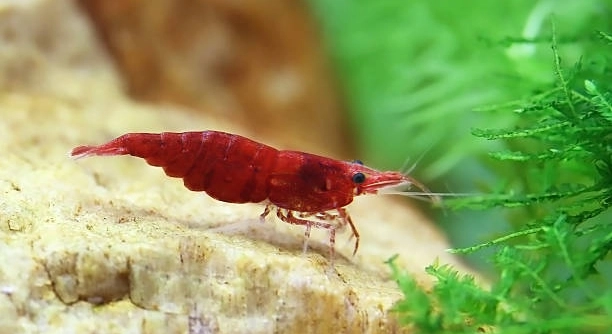
Do you ever notice your cherry shrimp moving differently when a new tankmate is introduced? Observing their behavior can be surprising, especially when they seem more alert or cautious around certain companions. These small creatures show fascinating reactions.
Cherry shrimp can detect stress in tankmates through chemical signals released in the water. These signals allow them to adjust their behavior, avoid potential threats, and maintain social harmony within the aquarium, reflecting an innate sensitivity to environmental cues.
Learning how shrimp respond to stressed companions can improve tank management and enhance their overall well-being in a shared aquatic environment.
How Cherry Shrimp Sense Stress
Cherry shrimp have a subtle way of detecting stress in their tankmates. They rely on chemoreception, which is the ability to sense chemical changes in the water. When a shrimp is stressed, it releases specific substances that other shrimp can detect immediately. These signals often cause nearby shrimp to change their swimming patterns or hide among plants. Over time, this behavior helps them avoid conflicts and ensures safety in their environment. Observing these reactions can be interesting because it shows a kind of communication that isn’t obvious at first glance. Even small shifts in movement or color can indicate a response to a stressed tankmate. Some shrimp may become more cautious, while others may actively avoid certain areas. Understanding these cues allows tank owners to create a calmer and more balanced habitat. This also encourages healthier social interactions and reduces overall stress in the aquarium.
Detecting these signals helps maintain harmony and prevents aggressive encounters between shrimp.
Being aware of chemical cues in the tank makes it easier to notice early signs of stress, which is crucial for their well-being.
Managing Stress in a Community Tank
Keeping stress low is essential for cherry shrimp to thrive.
Stress in shrimp often arises from overcrowding, sudden water changes, or aggressive tankmates. Even minor disturbances can trigger chemical signals that alert other shrimp. To reduce stress, it’s important to provide plenty of hiding spots using plants, rocks, and decorations. Gradual water changes are better than large, sudden ones, and maintaining stable water parameters is key. Avoid introducing aggressive fish or species that may disturb shrimp. Feeding small amounts regularly instead of one large feeding can also minimize competition. Observing shrimp behavior over time helps identify patterns, such as which individuals are more sensitive or easily stressed. Adjusting the tank environment based on these observations improves overall health. A calm environment not only reduces stress signals but also encourages natural behaviors like grazing and exploring. Over time, shrimp adapt better, resulting in a more peaceful tank where each shrimp can flourish and interact without constant tension.
Recognizing Stress Signals
Cherry shrimp show stress through changes in movement, color, and hiding behavior. Subtle trembling or sudden darting often indicates discomfort. Observing these signs helps you understand when a shrimp feels threatened or uneasy in the tank.
Shrimp may also release pheromones into the water when stressed. These chemical signals alert other shrimp, prompting them to act cautiously or retreat to safer areas. Over time, repeated exposure to stress signals can affect their behavior, making them more skittish or hesitant. Regular observation allows you to notice patterns, like which tankmates trigger these responses, helping you manage the environment more effectively. Stress is not always obvious at first, but paying attention to small changes can prevent bigger problems.
Color changes are another way stress becomes visible. Pale or dull colors often indicate that a shrimp is experiencing prolonged stress or discomfort. Pairing this observation with behavior patterns gives a clearer understanding of their overall well-being. Adjusting tank conditions promptly can help reduce these stressors, promoting healthier interactions among all tankmates.
Creating a Calm Environment
Providing plenty of plants and hiding spots reduces stress for cherry shrimp. Dense foliage and decorations offer safe areas to retreat when needed.
Stable water conditions are essential for shrimp health. Rapid changes in temperature, pH, or ammonia levels can trigger stress responses. Keeping the tank clean and monitoring parameters consistently prevents sudden disruptions. Gentle filtration and careful placement of tankmates also contribute to a calm environment. Observing shrimp behavior regularly helps identify any issues before they escalate. Feeding small, frequent meals reduces competition and ensures all shrimp have access to food. Combining these measures promotes natural behaviors, such as grazing and exploring, while minimizing stress signals. Over time, a well-structured habitat encourages more relaxed shrimp interactions and supports overall health.
Observing Social Behavior
Cherry shrimp interact subtly, often through gentle movements and territory awareness. Watching how they respond to each other can reveal stress levels without any obvious signs.
Shrimp may avoid certain areas or tankmates when tension is present. Noticing these patterns helps maintain a balanced and calm aquarium environment.
Adjusting Tank Conditions
Water quality plays a major role in reducing stress. Regular monitoring of temperature, pH, and ammonia levels ensures a stable environment. Even small fluctuations can trigger stress signals among shrimp. Introducing hiding spots and maintaining gentle water flow also minimizes tension. Observing shrimp responses after changes allows you to refine conditions effectively. Over time, a stable, carefully managed habitat promotes natural behaviors like grazing and exploration while reducing stress-related reactions. Consistency in tank care is key to maintaining a peaceful community where all shrimp feel secure and can thrive without constant anxiety or conflict.
Feeding Practices
Small, frequent feedings reduce competition and prevent stress in cherry shrimp.
FAQ
Can cherry shrimp recognize stress in other shrimp?
Yes, cherry shrimp can detect stress in other shrimp through chemical signals released into the water. These signals are subtle, but nearby shrimp often react by changing their behavior, hiding, or swimming cautiously. This ability helps maintain social harmony and reduces potential conflicts in a shared tank.
What signs indicate a shrimp is stressed?
Stress in cherry shrimp often shows through changes in movement, such as sudden darting or trembling. Color changes, like paleness or dull tones, are also common indicators. Shrimp may hide more often or avoid certain areas, signaling discomfort or tension in the tank.
How can I reduce stress in my tank?
Providing plenty of hiding spots using plants, rocks, and decorations helps shrimp feel secure. Stable water conditions, including consistent temperature, pH, and low ammonia levels, are crucial. Gentle water flow, gradual water changes, and avoiding aggressive tankmates further reduce stress.
Do stressed shrimp affect others in the tank?
Yes, stressed shrimp release chemical cues that nearby shrimp can detect. These cues can make other shrimp more cautious, skittish, or hesitant. Over time, repeated exposure may alter overall behavior, so managing stress for all shrimp is important to maintain a calm environment.
How often should I observe shrimp behavior?
Regular observation is important to notice subtle changes in movement, color, or social interactions. Checking daily or several times a week allows you to detect early stress signals and adjust tank conditions before problems escalate. Consistent observation helps maintain a healthier, more balanced aquarium.
Can feeding practices influence stress levels?
Yes, feeding can affect shrimp behavior. Offering small, frequent meals prevents competition and ensures all shrimp get food without conflict. Overfeeding or irregular feeding may trigger stress-related behaviors, while a predictable schedule helps shrimp feel secure and encourages natural grazing habits.
Are certain tankmates more likely to stress cherry shrimp?
Aggressive or overly active fish can increase stress levels for shrimp. Choosing calm, compatible species and monitoring interactions helps prevent tension. Providing escape routes and hiding areas is especially important in mixed-species tanks to allow shrimp to avoid potential threats.
Do water changes affect shrimp stress?
Sudden or large water changes can trigger stress by altering temperature, pH, or other water parameters quickly. Gradual water changes are safer and help maintain stable conditions. This minimizes chemical and environmental stressors, allowing shrimp to adjust comfortably without affecting their social interactions.
Can stress affect shrimp health?
Prolonged stress can weaken shrimp immune systems, making them more susceptible to disease or molting issues. Ensuring a stable, calm environment with proper food, water quality, and hiding spots supports both physical health and natural behavior patterns. Monitoring stress signs is key for long-term well-being.
Is it possible for shrimp to recover from stress?
Yes, shrimp can recover if environmental conditions improve. Reducing stressors, stabilizing water parameters, and providing safe spaces help shrimp regain normal behavior. Recovery may take time, depending on the severity and duration of stress, but attentive care generally restores balance and overall health.
Can tank layout impact stress detection?
The arrangement of plants, rocks, and decorations influences how easily shrimp can hide or interact. A well-structured layout allows shrimp to escape stressed tankmates and reduces tension. Observing movement patterns in relation to hiding spots can help optimize the tank for a calmer environment.
Do all shrimp react the same way to stress?
Individual shrimp may react differently. Some become highly cautious, hiding frequently, while others continue exploring but remain alert. Observing each shrimp’s behavior helps identify which individuals are more sensitive and allows adjustments to tank conditions to reduce stress for everyone.
How long does it take for shrimp to adapt to new tankmates?
Adaptation varies depending on species, temperament, and tank setup. Some shrimp adjust within days, while others may take weeks to feel secure. Providing hiding spots, stable water parameters, and gentle introductions helps shorten the adaptation period and minimizes stress signals in the tank.
Can stress signals affect breeding?
Yes, high-stress environments can reduce breeding activity. Stressed shrimp may hide more and eat less, which can impact reproductive behaviors. Maintaining calm water conditions, adequate food, and secure spaces encourages natural breeding habits and helps offspring thrive in a less stressful environment.
Does tank size influence stress levels?
Smaller tanks can increase stress if shrimp feel crowded or have limited hiding places. Adequate space allows for natural movement, social interaction, and escape from stressed tankmates. Providing an appropriate tank size relative to the number of shrimp helps maintain a peaceful, balanced environment.
Can lighting affect shrimp stress?
Bright or constantly changing lighting may stress shrimp, causing them to hide or remain inactive. Using subdued or consistent lighting helps shrimp feel safe, encourages normal behavior, and reduces the release of chemical stress signals. Observing responses to light adjustments can guide optimal conditions.
Is water flow important for stress management?
Yes, gentle water flow prevents stagnant areas while avoiding strong currents that can overwhelm shrimp. Balanced flow ensures oxygenation and distributes food evenly without forcing shrimp into stressful situations. Adjusting flow to match shrimp activity supports a calmer, more stable environment.
Can decorations alone reduce stress?
Decorations like rocks, caves, and dense plants provide essential hiding places, allowing shrimp to retreat from stressed or aggressive tankmates. Thoughtful placement of these elements ensures accessibility while maintaining open areas for exploration, supporting a balance between safety and activity.
Are chemical additives safe for stressed shrimp?
Some additives can help reduce stress by stabilizing water parameters, but overuse or incompatible products may harm shrimp. Always research products carefully and follow recommended dosages to avoid creating new stressors. Natural stabilization through regular monitoring is often the safest approach.
How can I tell if a shrimp is recovering from stress?
Signs of recovery include increased activity, normal coloration, and regular feeding behavior. Shrimp may explore more and interact calmly with tankmates. Monitoring these positive changes over time confirms that adjustments to the environment are effective, allowing continued health and social stability.
What is the most important factor in minimizing stress?
Stable water conditions, adequate hiding spots, compatible tankmates, and careful feeding practices collectively reduce stress. Regular observation and prompt adjustments create an environment where shrimp can express natural behaviors, maintain health, and interact peacefully with each other, promoting long-term well-being.
How do I balance social interactions and stress reduction?
Providing enough space and hiding areas allows shrimp to engage socially while avoiding constant stress signals. Observing individual behaviors helps manage tankmate dynamics, ensuring each shrimp has opportunities to explore, feed, and rest without feeling threatened, fostering a balanced, healthy community.
Can stress signals impact other invertebrates in the tank?
Yes, other invertebrates may respond to chemical cues from stressed shrimp. This can influence behavior, feeding, and activity levels. Ensuring a calm, stable environment benefits all tank inhabitants, promoting overall harmony and reducing stress-related interactions among multiple species.
What role does diet play in stress management?
A balanced diet supports overall health and resilience. Shrimp with adequate nutrition cope better with environmental stress. Providing a mix of algae, pellets, and occasional treats ensures energy for normal behaviors while minimizing competition and stress. Observing feeding patterns helps adjust portions to suit all tankmates.
Can overcrowding increase stress signals?
Overcrowding limits space and increases interactions that trigger chemical stress signals. Providing appropriate tank size for the number of shrimp and ensuring adequate hiding spots reduces tension, allowing natural movement and social behavior without constant stress responses.
How often should I check water parameters?
Daily or several times a week is recommended, depending on tank size and population. Frequent monitoring helps catch fluctuations early, preventing stress from sudden changes. Stable, consistent conditions are essential for maintaining calm behavior and minimizing chemical stress signals among shrimp.
Does seasonal change affect stress?
Temperature fluctuations during seasonal changes can impact water conditions, affecting shrimp stress levels. Adjusting heaters, monitoring pH, and keeping consistent care routines help shrimp remain comfortable and reduce stress responses related to environmental changes.
Can shrimp communicate stress to fish?
While shrimp primarily communicate stress chemically to other shrimp, some fish may react indirectly to these cues, altering their behavior. Understanding tankmate dynamics helps manage interactions and ensures a calmer, more stable aquarium for all inhabitants.
Are there long-term effects of chronic stress?
Chronic stress can reduce lifespan, impair molting, and weaken immunity. Continuous exposure to stress signals affects overall health and behavior. Maintaining a stable, supportive environment mitigates these risks, allowing shrimp to thrive and maintain normal activity and social interactions.
Can stress influence molting?
Yes, stressed shrimp may molt less frequently or experience molting complications. Providing calm conditions, adequate hiding spots, and consistent care supports normal molting cycles and reduces the risk of injury or incomplete molts caused by stress.
How do I introduce new shrimp without causing stress?
Quarantine new shrimp, acclimate them gradually, and provide hiding spots during introduction. Observing initial interactions and avoiding overcrowding minimizes stress signals. Slow integration allows both existing and new shrimp to adapt comfortably, reducing tension and promoting peaceful cohabitation.
Is there a way to test if shrimp are stressed?
Observation is the most effective method. Look for changes in movement, color, hiding frequency, and social interactions. Consistent behavioral monitoring combined with stable water conditions allows you to identify stress early and take corrective measures, ensuring shrimp remain healthy and active.
Do stress signals differ between shrimp species?
Yes, different species may release varying chemical cues and react differently to stress. Understanding the behavior of each species in a community tank helps manage interactions, prevent excessive stress, and create a supportive environment for all invertebrates.
Can environmental enrichment reduce stress?
Yes, adding plants, hiding spaces, and safe exploration areas keeps shrimp engaged and reduces boredom-related tension. Environmental enrichment encourages natural behaviors and decreases the likelihood of chronic stress, supporting both physical and mental well-being.
Are there visible differences between acute and chronic stress?
Acute stress often shows as sudden darting or brief hiding. Chronic stress may present as prolonged hiding, dull coloration, reduced feeding, or abnormal behavior. Recognizing these differences helps you intervene appropriately, creating a healthier, more stable tank environment for shrimp.
How do I ensure long-term stress management?
Regular observation, stable water parameters, consistent feeding, and appropriate tankmate selection are key. Maintaining hiding spaces, environmental enrichment, and careful monitoring ensures shrimp continue to thrive while minimizing stress over time, promoting health, social balance, and longevity.
Can stress signals accumulate in small tanks?
Yes, limited space can concentrate chemical cues, increasing overall stress levels. Ensuring proper tank size, hiding spots, and water flow reduces buildup, allowing shrimp to interact naturally without constant tension, which supports a healthier, more balanced aquarium environment.
Do juvenile shrimp react differently to stress?
Juveniles are often more sensitive and may hide more frequently or react strongly to chemical cues. Providing adequate cover and gentle conditions helps them adapt safely, promoting growth and reducing the risk of negative impacts from stressed tankmates.
Is it safe to mix different invertebrate species with cherry shrimp?
Some invertebrates can coexist without issues, while others may compete for food or trigger stress signals. Observing interactions and providing sufficient space and hiding areas ensures peaceful coexistence and minimizes tension in a mixed-species tank.
Can overfeeding cause stress?
Yes, excessive food can lead to water quality issues, which indirectly stress shrimp. Maintaining appropriate feeding amounts and cleaning uneaten food prevents chemical changes, promoting a healthier environment and reducing stress-related behaviors.
Do shrimp remember stressful encounters?
Shrimp exhibit behavioral adaptations to repeated stress, avoiding certain areas or tankmates. While they do not have long-term memory like mammals, their responses show learned caution, which helps them navigate social interactions more safely and reduces future stress.
Can stress affect shrimp coloration permanently?
Prolonged stress may cause temporary dullness, but permanent changes are uncommon. Restoring stable, calm conditions usually allows shrimp to regain normal coloration, reflecting improved well-being and reduced chemical stress signals in the tank.
How do I know if my tank setup is ideal?
A combination of stable water parameters, adequate hiding spots, compatible tankmates, gentle flow, and normal shrimp behavior indicates a suitable setup. Regular observation of movement, feeding, and color helps ensure ongoing comfort and minimal stress for all inhabitants.
Are there signs that stress is escalating?
Escalating stress may show as aggressive interactions, excessive hiding, refusal to eat, or abnormal movement. Promptly addressing environmental or social triggers prevents long-term health issues and restores calm, reducing chemical stress signals in the tank.
What is the best approach to prevent stress from the start?
Careful planning of tank size, water stability, hiding areas, feeding schedule, and tankmate compatibility from the beginning reduces the likelihood of stress. Consistent monitoring and small adjustments maintain balance, promoting a healthy, calm, and thriving shrimp community.
Can stress affect shrimp lifespan?
Chronic stress can reduce lifespan by impacting immunity, molting, and overall health. Maintaining a stable, calm, and well-structured environment supports longevity and allows shrimp to exhibit natural behaviors safely over time.
How do I track improvements in stressed shrimp?
Monitor activity levels, hiding behavior, feeding, and coloration. Positive changes over time indicate recovery. Keeping notes or photos can help track progress, making it easier to adjust tank conditions and support long-term shrimp well-being.
Are stress signals stronger in smaller tanks?
Yes, limited space concentrates chemical signals, intensifying reactions among shrimp. Adequate space, hiding spots, and gentle water flow help dilute stress cues, creating a more comfortable and balanced environment for all inhabitants.
Can stress affect molting frequency?
Prolonged stress may delay or complicate molting. Stable water conditions, hiding spots, and reduced tension help shrimp molt safely and maintain healthy growth cycles. Observing molting patterns can also indicate overall stress levels in the tank.
Does water temperature influence stress?
Rapid changes in water temperature can trigger stress. Maintaining a consistent, species-appropriate range ensures shrimp remain comfortable, reducing chemical stress signals and supporting normal behavior and health.
Can shrimp adapt to recurring stress?
Some shrimp show behavioral adaptation to repeated mild stress, becoming more cautious or selective in movement. However, chronic stress still affects health and should be mitigated to ensure long-term well-being.
How does tank complexity impact stress?
A well-structured tank with plants, rocks, and hiding spots allows shrimp to navigate safely, reducing stress. Simple layouts may leave shrimp exposed, while balanced complexity supports exploration, feeding, and social interaction without constant tension.
Are some shrimp more sensitive than others?
Yes, individual temperament varies. Some shrimp react strongly to minor disturbances, while others remain calm. Observing each shrimp helps identify sensitive individuals and adjust conditions to reduce stress across the tank.
Can stress signals affect breeding success?
High stress reduces mating behavior and egg development. Calm, stable conditions with hiding spots, balanced diet, and compatible tankmates support breeding and increase the likelihood of successful offspring development.
Is it possible to completely eliminate stress?
While some stress is unavoidable, careful tank management can minimize it. Stable water, hiding areas, compatible tankmates, and attentive observation reduce stress signals, allowing shrimp to thrive and interact naturally in a healthy environment.
How do I know if shrimp are comfortable together?
Signs include normal grazing, exploration, color, and gentle social interactions. Minimal hiding, smooth movement, and stable behavior indicate a calm environment where shrimp coexist comfortably without excessive stress.
Can stress signals affect algae growth?
Indirectly, yes. Stress-related behaviors, such as hiding or reduced grazing, may change algae consumption patterns. Maintaining a balanced environment ensures shrimp continue natural activities that support tank ecology and prevent overgrowth.
Do stress signals dissipate quickly in water?
Yes, chemical stress cues generally dilute over time, especially with adequate water flow and volume. However, constant stressors can keep signals present, so maintaining stable conditions and reducing triggers is essential.
How does tank lighting interact with stress?
Bright or fluctuating light can make shrimp feel exposed, increasing stress behaviors. Consistent, moderate lighting encourages natural activity and reduces tension, supporting a stable social environment.
Can stress signals build up in heavily populated tanks?
Yes, crowded conditions amplify chemical cues, increasing overall stress. Providing sufficient space, hiding spots, and careful monitoring reduces tension and helps maintain a peaceful, balanced aquarium.
Do shrimp ever ignore stress signals?
Some may continue exploring despite minor stress signals, especially if hiding spots are limited. Observing behavior helps assess whether environmental adjustments are needed to protect more sensitive individuals.
Can stress affect shrimp appetite?
Yes, stressed shrimp may eat less or avoid food, impacting health. Ensuring calm conditions and gentle feeding encourages regular eating habits, supporting energy and resilience against future stress.
Is it possible to predict stress triggers?
By observing shrimp behavior, tankmate interactions, and environmental changes, common stress triggers can be identified. Predicting and minimizing these factors helps maintain a calm, balanced tank.
Can seasonal water changes reduce chronic stress?
Gradual adjustments for seasonal temperature or parameter shifts can prevent sudden stress. Consistent monitoring ensures shrimp remain comfortable, reducing chemical stress signals and supporting normal activity.
How do I know if tankmates are causing stress?
Observe interactions closely. Frequent chasing, hiding, or skittish behavior often indicates certain tankmates are a source of stress. Adjust placement, tank structure, or species selection to reduce tension.
Can water hardness influence stress?
Sudden changes in hardness can stress shrimp. Maintaining consistent hardness appropriate for the species ensures comfort, stable chemical balance, and reduced stress signaling.
Do shrimp communicate stress through behavior alone?
Behavioral changes often accompany chemical cues. Darting, hiding, or altered swimming patterns signal stress to others. Observing both behavior and environmental factors helps fully understand shrimp reactions and reduce stress triggers.
Can stress affect shrimp coloration long-term?
Temporary dullness is common during stress, but permanent color loss is rare. Stabilizing conditions usually restores normal coloration and signals improved well-being.
Are some shrimp breeds more resilient to stress?
Yes, certain cherry shrimp variants tolerate minor disturbances better. Understanding breed-specific behavior helps in selecting compatible shrimp for calmer, balanced tanks.
Can noise or vibrations stress shrimp?
Yes, sudden vibrations or loud noise can startle shrimp, triggering stress reactions. Placing tanks in quiet, stable locations reduces environmental stressors.
Is tank cleanliness linked to stress?
Dirty tanks with poor water quality increase chemical stress signals. Regular cleaning, filtration, and parameter monitoring maintain a healthy, low-stress environment.
Do shrimp respond differently to acute vs. chronic stress?
Acute stress causes temporary hiding or darting, while chronic stress leads to prolonged hiding, dull colors, and reduced activity. Early intervention helps prevent long-term effects.
Can stress signals affect shrimp molting timing?
Yes, chronic stress can delay or complicate molting. Stable conditions and minimal tension support normal molting cycles.
How do I help shrimp recover from a stressful event?
Provide hiding spots, stable water
Cherry shrimp are fascinating creatures, and understanding how they sense and respond to stress is an important part of keeping them healthy in a tank. These tiny shrimp rely heavily on chemical cues in the water to detect when a tankmate is stressed. Observing their reactions can give you insight into the subtle ways they communicate. Changes in movement, color, and hiding behavior are all signs that a shrimp may be feeling uneasy. Paying attention to these behaviors allows you to respond quickly and make adjustments to the tank environment. By noticing which shrimp are more sensitive or reactive, you can better manage interactions among tankmates and maintain a calmer aquarium. Over time, this careful observation becomes second nature, helping you create a peaceful and balanced habitat where shrimp can feel safe and secure.
Creating a calm environment is one of the most effective ways to reduce stress for cherry shrimp. Providing plenty of plants, rocks, and other hiding spots gives shrimp safe areas to retreat when they feel threatened. Stable water conditions, including temperature, pH, and ammonia levels, are also essential. Sudden changes in water parameters or the introduction of aggressive tankmates can increase stress and trigger chemical signals that affect the entire tank. Feeding practices play a role too. Small, frequent meals help minimize competition and ensure that all shrimp get the nutrition they need. Observing how shrimp react to these adjustments allows you to fine-tune the tank environment. Over time, these efforts promote natural behaviors such as grazing, exploring, and interacting without constant tension. A well-structured tank supports the physical and social well-being of all shrimp, reducing the risk of illness or prolonged stress.
Finally, managing stress is an ongoing part of caring for cherry shrimp. It requires attention, patience, and consistency. Regular observation helps identify stress signals early, while careful planning of tank layout, feeding schedules, and tankmate selection prevents unnecessary tension. Even minor changes, such as adjusting lighting or water flow, can have a noticeable impact on shrimp behavior. Supporting shrimp through stressful periods, whether caused by new tankmates, water changes, or environmental shifts, ensures they recover quickly and continue to thrive. By creating a calm and stable environment, you allow shrimp to display their natural behaviors and maintain healthy interactions with one another. This approach not only improves their well-being but also makes the experience of keeping and observing cherry shrimp more enjoyable and rewarding.

Hello,
If you enjoy the content that we create, please consider saying a "Thank You!" by leaving a tip.
Every little bit helps us continue crafting quality advice that supports the health, happiness, and well-being of pets around the world, for pets of all shapes, sizes, and species.
We really appreciate the kindness and support that you show us!