
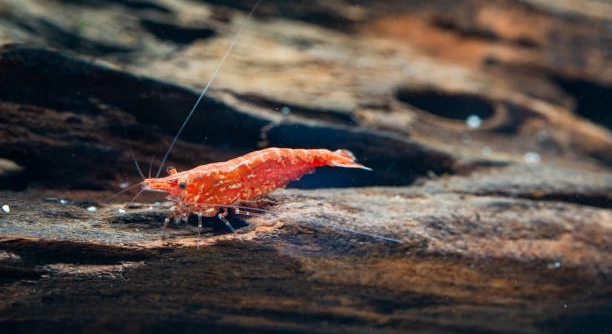
Do your cherry shrimp seem hesitant to shed their shells despite living in a healthy tank? Many shrimp owners face this problem and feel frustrated when their pets stop molting, affecting growth and overall wellbeing in the aquarium environment.
Cherry shrimp may refuse to molt due to various environmental, dietary, or health-related factors. Common causes include poor water quality, insufficient minerals like calcium, stress, overcrowding, improper temperature, and underlying diseases, all of which can disrupt the natural molting cycle.
Understanding these reasons can help you create a safer, healthier tank. Proper care and attention can encourage regular molting and improve your shrimp’s long-term growth.
Poor Water Quality
When water in your shrimp tank is not properly maintained, it can seriously affect molting. High levels of ammonia, nitrites, or nitrates create a stressful environment. Even small fluctuations in pH or hardness can slow or stop the molting process. Cherry shrimp are sensitive to their surroundings, and clean, stable water is essential. Regular water changes, testing, and using a reliable filter help maintain proper conditions. Soft water that suddenly becomes too hard, or vice versa, can shock shrimp and prevent them from shedding. Observing shrimp behavior during water changes can reveal subtle signs of discomfort or stress. Tank decorations and substrate also play a role because leftover food and debris can build up toxins. By carefully monitoring water parameters and performing scheduled maintenance, you can create a stable environment that supports healthy molting and overall growth. Consistency is key; sudden changes often cause molting delays or even mortality.
Maintaining proper water quality is vital for encouraging regular molting in cherry shrimp. Unstable conditions or contamination can halt the process and harm overall shrimp health.
Regular care and testing prevent surprises and ensure your shrimp stay active and healthy. Adjusting water parameters gradually helps them adapt without stress.
Insufficient Minerals
Shrimp require certain minerals, particularly calcium and magnesium, to form their exoskeletons. Without enough of these nutrients, molting becomes difficult or impossible. Tank water lacking minerals slows growth and can result in deformed shells or molting problems. Providing mineral-rich foods, supplements, or adding specialized shrimp salts can help maintain proper levels. Leaf litter and certain plants can also release beneficial minerals slowly over time, creating a more natural environment. Observing shrimp shells can indicate deficiencies; thin or translucent shells are often a sign of low calcium. Testing water hardness regularly helps track essential mineral levels. Many hobbyists overlook mineral content, focusing only on temperature or cleanliness. Balanced mineral levels improve not only molting but also coloration, activity, and overall vitality. When adjusting minerals, make changes gradually to avoid shocking your shrimp, as sudden increases can be just as harmful as deficiencies.
Providing adequate minerals is essential for strong, healthy exoskeletons and successful molting cycles.
Focusing on diet, water hardness, and supplements ensures shrimp receive nutrients needed to molt naturally. Regular monitoring keeps mineral levels in check.
Stress and Overcrowding
Stress from too many shrimp in one tank can prevent molting. Constant movement, chasing, or lack of hiding spots makes shrimp nervous. Stress weakens their bodies and delays shedding, reducing overall growth and health.
Overcrowding creates competition for food and space, which adds constant stress. Shrimp may avoid molting because they feel unsafe or exposed. Lack of proper hiding places amplifies the problem, as molting is a vulnerable time. In a crowded tank, weaker shrimp may be harassed or bumped by others, causing further stress and injury. Adjusting population density and adding plants, moss, or decorations provides cover, giving shrimp confidence to molt. Regularly checking tank activity can show if shrimp are stressed, allowing quick adjustments to improve their environment and reduce tension. Calm conditions encourage normal molting and support overall vitality.
Providing enough space and hiding spots allows shrimp to molt without stress. Balanced tank populations lead to healthier, more active shrimp.
Improper Temperature
Shrimp are sensitive to temperature changes, and water that is too cold or too hot can halt molting. Consistent temperature is essential for their metabolism and growth.
Sudden shifts in temperature shock shrimp, preventing natural molting cycles. Ideal ranges vary slightly, but most cherry shrimp thrive between 72°F and 78°F. Temperatures outside this range slow metabolism, making molting difficult and prolonging vulnerability. Using a reliable heater and thermometer helps maintain steady conditions. Avoid placing tanks near windows, vents, or heaters that create fluctuations. Even minor swings can stress shrimp and interfere with exoskeleton formation. Gradual adjustments are safer when seasonal changes occur. Consistent monitoring ensures shrimp remain in their comfort zone.
Stable temperature promotes molting and overall activity. Proper heating and careful observation prevent stress and growth delays.
Inadequate Diet
Shrimp need a balanced diet to molt properly. Lack of protein and essential nutrients slows growth and weakens shells.
Feeding only flakes or algae can leave gaps in nutrition. High-quality shrimp pellets, blanched vegetables, and occasional protein sources support healthy molting.
Disease and Parasites
Illness or parasites can disrupt molting cycles. Infected shrimp may refuse to shed due to weakness or internal stress. Regular observation helps detect unusual behavior, spots, or lethargy. Quarantining new shrimp prevents introducing pathogens, and treating infections early improves survival. Maintaining cleanliness and stable water reduces disease risk.
Incompatible Tank Mates
Aggressive fish or large tank mates can scare shrimp and prevent molting. Constant harassment or attacks make shrimp hide and avoid shedding. Even small disturbances cause stress. A peaceful community tank ensures shrimp feel safe, supporting natural growth and proper molting habits.
FAQ
Why are my cherry shrimp refusing to molt even in a clean tank?
Even with clean water, other factors like diet, minerals, temperature, and stress can prevent molting. Shrimp need a stable, nutrient-rich environment. Check water hardness, calcium levels, and make sure the tank isn’t overcrowded or stressful. Sometimes subtle environmental issues are the real reason.
How can I encourage my shrimp to molt naturally?
Provide a balanced diet with proteins, vegetables, and mineral supplements. Ensure stable water conditions with consistent temperature and clean water. Adding hiding spots like moss, plants, or decorations gives shrimp confidence to shed. Gradual adjustments are safer than sudden changes.
Is it normal for shrimp to skip molting sometimes?
Occasionally, shrimp may delay molting due to stress, minor water fluctuations, or seasonal changes. Small delays are not dangerous if overall health remains good. Persistent refusal to molt signals a deeper problem, like poor water quality or nutritional deficiencies.
Can low calcium really stop molting?
Yes. Calcium is essential for building a strong exoskeleton. Without it, shrimp struggle to form a proper shell, which can halt molting. Using mineral supplements or calcium-rich foods helps maintain proper levels, supporting growth and successful molting cycles.
Does overcrowding affect molting?
Yes. Too many shrimp create stress and competition for food and space. Stressful conditions make shrimp feel unsafe, delaying or preventing shedding. Reducing population density and adding hiding spots encourages natural molting and healthier behavior.
What water parameters are ideal for molting?
Cherry shrimp thrive in slightly acidic to neutral pH (6.5–7.5) with stable temperature between 72–78°F. Ammonia and nitrite must be zero, and nitrates low. Soft to moderately hard water with minerals ensures proper exoskeleton development. Gradual adjustments prevent stress.
Can temperature changes really stop molting?
Yes. Shrimp metabolism is temperature-sensitive. Sudden increases or decreases in water temperature can stress them and disrupt molting cycles. Maintaining steady temperature with a reliable heater or monitoring seasonal changes carefully is crucial.
How do I know if my shrimp are stressed?
Signs include hiding, lethargy, slow movement, or unusual clustering. Stress can come from tank mates, overcrowding, water fluctuations, or poor diet. Observing shrimp behavior daily helps catch problems early and prevent molting issues.
Are there foods that improve molting?
High-protein foods, blanched vegetables, and algae-based foods provide essential nutrients. Mineral-rich supplements or shrimp-specific pellets ensure they get calcium and other elements needed for healthy shells. A varied diet encourages regular molting and stronger shrimp.
When should I worry about molting problems?
If shrimp refuse to molt for several weeks, show deformed shells, or appear weak, it’s a serious concern. Persistent molting issues often point to water, dietary, or health problems. Early intervention improves survival and overall health.
Can parasites affect molting?
Yes. Parasites can weaken shrimp and make them avoid molting. Signs include unusual spots, lethargy, or reduced activity. Quarantining new shrimp, maintaining a clean tank, and treating infections early help prevent molting disruptions.
Does tank decoration influence molting?
Yes. Hiding spots like plants, moss, or rocks provide safety during the vulnerable molting process. Shrimp avoid shedding in open, exposed areas. Proper decor encourages natural behavior and reduces stress-related molting problems.
How long should molting take for cherry shrimp?
Molting itself is fast, usually a few hours. Pre- and post-molt recovery can take days. Healthy shrimp in proper conditions shed regularly. Irregular molting patterns indicate environmental or dietary issues.
Is it normal for shrimp to eat their old shell?
Yes. Eating the shed exoskeleton recycles calcium and minerals. It’s a natural behavior that supports future molting and strengthens the new shell.
How often should I check water quality to prevent molting problems?
Frequent monitoring is important. Test ammonia, nitrites, nitrates, pH, and hardness weekly. Adjust parameters gradually if needed. Consistent observation prevents issues that could halt molting and ensures shrimp remain healthy.
Can I mix shrimp of different ages safely?
Yes, but overcrowding should be avoided. Juveniles and adults may compete for food or stress each other. Ensure enough space, hiding spots, and proper diet to allow all shrimp to molt safely.
Does light affect molting?
Indirectly. Proper light encourages algae growth and a natural day-night cycle. Overly bright or constant light can stress shrimp, while complete darkness may reduce activity. Balanced lighting supports overall health and natural molting behavior.
Can I prevent molting problems completely?
While you can’t control everything, maintaining stable water, proper diet, sufficient minerals, hiding spots, and low stress goes a long way. Regular observation and gradual adjustments help shrimp molt successfully most of the time.
Are there signs a shrimp failed to molt properly?
Yes. Curled, deformed, or stuck exoskeletons, lethargy, or missing limbs indicate molting issues. Immediate attention to water quality, diet, and tank conditions is necessary to prevent mortality.
Is molting more common at certain ages?
Juvenile shrimp molt more frequently as they grow rapidly. Adults molt less often but still require proper conditions. Ensuring all age groups have adequate nutrition and low stress supports healthy molting cycles.
How can I safely treat molting issues?
Identify the cause first: water, diet, stress, or disease. Adjust water parameters slowly, provide mineral supplements, reduce overcrowding, and treat infections if needed. Avoid rapid changes that can further stress shrimp. Careful observation during treatment ensures shrimp recover successfully.
Do cherry shrimp molt at night or day?
Mostly at night or in dim conditions when they feel safe. Providing hiding places and low lighting encourages natural molting times and reduces stress. Observing during these periods helps track shedding and health.
Can adding plants improve molting?
Yes. Plants provide cover, release minor nutrients, and create a natural environment. Moss, Java fern, or floating plants are especially helpful for hiding during molting. This reduces stress and supports regular shedding.
What’s the impact of leftover food on molting?
Decaying food affects water quality, producing toxins that stress shrimp. Poor water quality slows or stops molting. Remove uneaten food regularly and maintain a clean tank to ensure healthy molting cycles.
Can I help weak shrimp molt safely?
Provide calm, clean conditions, hiding spots, and mineral-rich food. Avoid disturbances and maintain stable temperature. Gradual improvements in water and diet give weak shrimp a better chance to shed successfully.
Is molting painful for shrimp?
It’s a vulnerable process but not painful in the way mammals feel. Stress, poor water, or weak shells can make it harder, but in proper conditions, molting is a natural, smooth process.
How do I know my tank is safe for molting?
Stable water parameters, minimal stress, hiding spots, and adequate nutrition indicate a safe environment. Observing shrimp behavior and regular maintenance ensures molting occurs without issues.
Can water changes affect molting?
Yes. Large, sudden changes can stress shrimp. Perform gradual water changes with matching temperature and mineral content to maintain stability. Properly done water changes support healthy molting.
Do different shrimp breeds have varying molting needs?
Slightly. Most cherry shrimp share similar requirements, but selectively bred strains may have minor differences in water hardness tolerance or coloration, which can affect shell formation. Observing their behavior helps fine-tune care.
How long does it take for a shrimp to recover after molting?
Recovery can take a few hours to a couple of days. During this time, the new shell hardens, and shrimp remain more vulnerable. Safe hiding places and stress-free conditions are critical.
Can I prevent shell deformities during molting?
Yes, by maintaining minerals, clean water, balanced diet, and stable temperature. Avoid stressing shrimp during this time, and ensure hiding spots are available for safety. Proper care reduces the risk of deformities.
What role does protein play in molting?
Protein supports growth and exoskeleton development. Without adequate protein, shrimp struggle to build strong shells, delaying or preventing molting. Blanched vegetables, shrimp pellets, and occasional protein sources meet their needs.
Are there signs that my shrimp are ready to molt?
Shrimp may become less active, hide more, or appear dull in color. They may also show separation between the old shell and body. Watching these subtle signs allows preparation for a smooth molting process.
Can I use supplements to help molting?
Yes. Mineral supplements, calcium powders, and specialized shrimp products support exoskeleton formation. Administer carefully and gradually to avoid stress or water imbalance.
Do shrimp molt more in certain seasons?
Temperature and light cycles can influence activity and molting frequency. Warmer, stable conditions usually encourage regular molting, while abrupt seasonal changes may delay it. Maintaining consistent tank conditions mitigates seasonal stress.
How do I handle a shrimp stuck in its shell?
Gently provide calm, clean water and hide it from stressors. Avoid handling directly. Monitor closely, as weak or sick shrimp may need special care. Proper prevention is better than rescue.
Is molting frequency a good indicator of health?
Yes. Regular, smooth molting indicates healthy shrimp, proper diet, and water conditions. Irregular or failed molting signals stress, deficiencies, or disease, requiring attention.
Can tank mates eat molting shrimp?
Yes. Many fish or larger shrimp may prey on vulnerable molting shrimp. Providing hiding spots and peaceful tank mates reduces risk during this sensitive period.
Does algae affect molting?
Indirectly. Algae provides food and minor nutrients, but overgrowth can impact water quality. Balance is key—moderate algae benefits shrimp without harming molting cycles.
How important is pH for molting?
pH affects shrimp metabolism and shell formation. Stable pH within 6.5–7.5 supports proper molting. Sudden swings can stress shrimp and slow or prevent shedding. Monitoring and gradual adjustments help maintain balance.
Can I mix molting shrimp with juveniles safely?
Yes, if the tank isn’t overcrowded. Ensure hiding spots and even food distribution. Molting adults are vulnerable, and juveniles should not disturb them. Safe cohabitation supports healthy development for all.
Is it okay if shrimp molt at irregular intervals?
Minor irregularities are normal, especially for adults. Persistent irregular molting often indicates stress, poor water quality, or dietary deficiencies. Observing shrimp behavior and maintaining proper conditions encourages more consistent cycles.
Can I speed up molting safely?
Not directly. Focus on stable water, balanced nutrition, and low stress. Gradual improvements help shrimp molt naturally. Rapid changes or forcing conditions can harm shrimp.
How can I tell if molting problems are genetic?
Repeated issues despite ideal conditions may indicate hereditary weaknesses. Selective breeding strains may be more prone to shell or molting problems. Careful observation and controlled breeding reduce risks.
Do shrimp molt more frequently when they are young?
Yes. Juveniles grow faster and shed more often. Providing extra nutrition and hiding spots supports their rapid growth and safe molting.
How does tank size affect molting?
Small tanks can increase stress and reduce hiding options. Larger, well-planted tanks provide space and cover, encouraging safer, more regular molting. Adequate size reduces stress and competition.
Can I treat molting issues with chemicals?
Only carefully. Mineral supplements or balanced water conditioners can help, but harsh chemicals or sudden changes may worsen the problem. Gentle adjustments are safest.
What’s the first step if my shrimp stop molting?
Check water parameters, diet, tank conditions, and stress factors. Addressing these systematically helps shrimp resume healthy molting cycles and prevents further health issues.
Do hiding spots really make a difference?
Yes. Shrimp need privacy to feel safe while shedding. Plants, moss, and decorations reduce stress and improve molting success.
Can I keep different shrimp species together without molting issues?
Yes, if all species share similar water and dietary needs. Ensure hiding spots and low-stress conditions. Monitor for aggression to prevent molting disruptions.
Is it normal for shrimp to molt at different times?
Yes. Individual shrimp may have slightly different schedules. Variations are normal if water quality, diet, and tank conditions are adequate.
Can molting issues cause death?
Yes. Persistent failure to molt weakens shrimp, leading to health decline or death. Early detection and correction are critical to prevent mortality.
Do I need special lighting for molting shrimp?
No special lighting is required. Balanced day-night cycles encourage natural behavior. Overly bright or constant light can stress shrimp, affecting molting.
Can I encourage molting by increasing food?
Not directly. Overfeeding can harm water quality, causing stress. Balanced, nutrient-rich meals are more effective than simply feeding more.
Is molting harder in winter?
Colder water slows metabolism, making molting more difficult. Maintaining stable, warm temperatures ensures shrimp continue regular shedding despite seasonal changes.
Do male and female shrimp molt differently?
Females often molt slightly less frequently than fast-growing males, but both require proper care. Nutrition, water quality, and stress impact all shrimp similarly.
Can I prevent molting problems completely with perfect care?
No method guarantees it, but consistent care, stable water, proper diet, and low stress greatly reduce issues and encourage regular, healthy molting cycles.
What’s the most important factor for molting?
Stable water quality, adequate minerals, balanced diet, hiding spots, and minimal stress. Attention to these factors supports healthy, regular molting for cherry shrimp.
Can I use tank additives to help molting?
Yes, if carefully selected. Mineral supplements, calcium powders, and shrimp-specific products help exoskeleton formation without stressing shrimp. Gradual introduction is safest.
Is molting stressful for shrimp?
It’s a vulnerable period, but proper conditions make it manageable. Stress comes from poor water, crowding, or predators, not the process itself.
How do I know if my shrimp are molting properly?
Regular shedding, strong shells, healthy behavior, and eating shed exoskeletons indicate proper molting. Weak, deformed, or stuck shells signal problems needing attention.
Do I need to quarantine new shrimp to prevent molting issues?
Yes. Quarantining prevents introducing diseases or parasites that disrupt molting cycles. Observing new shrimp separately ensures a safe addition to the main tank.
Can soft water prevent molting?
Soft water alone is usually fine, but very low minerals can cause deficiencies. Maintaining adequate calcium and magnesium supports proper exoskeleton formation.
Are there signs of imminent molting?
Shrimp may hide more, show dull coloration, or display a gap between body and old shell. These subtle signs indicate preparation for shedding.
Can I fix molting problems without changing the tank?
Minor adjustments to diet, minerals, or hiding spots may help. Significant water parameter issues usually require intervention for proper recovery.
How long between molts is normal?
Juveniles molt every few days to a week, adults every few weeks. Irregular timing is normal if shrimp remain healthy.
Can stress from handling affect molting?
Yes. Handling or disturbances increase stress, delaying or preventing molting. Minimize contact and maintain calm tank conditions.
Do shrimp need extra calcium during molting?
Yes. Calcium is critical for forming a new exoskeleton. Supplements or mineral-rich foods help ensure proper shell strength.
What’s the risk if a shrimp fails to molt?
Weak shells, growth stunting, infections, and death. Early intervention with stable water, proper diet, and low stress is essential.
Can I help shrimp molt faster safely?
No safe method exists to force molting. Focus on ideal water, diet, and low-stress environment to support natural cycles.
How can I tell if a molting issue is temporary?
Shrimp that resume shedding after minor changes in water, diet, or stress likely face temporary delays. Persistent problems indicate deeper issues.
Are there supplements that harm molting?
Harsh chemicals or excess minerals can stress shrimp and disrupt molting. Use only balanced, shrimp-safe products in moderation.
Can molting problems affect reproduction?
Yes. Shrimp that cannot molt properly may be too weak to breed. Healthy molting supports growth and reproductive readiness.
Do shrimp molt more in planted tanks?
Planted tanks provide cover, food, and stability, which can encourage natural molting. Dense plants reduce stress during vulnerable periods.
Can molting issues indicate disease?
Yes. Parasites, bacterial infections, or fungal growth can interfere with molting. Observing symptoms and addressing water quality or treatment needs helps shrimp recover.
How do I prevent molting problems long-term?
Maintain stable water, balanced diet, sufficient minerals, hiding spots, and low-stress conditions. Regular monitoring and gradual adjustments keep shrimp healthy and molting regularly.
Are molting problems reversible?
Often yes, if environmental, dietary, or stress issues are corrected early. Persistent neglect may cause permanent damage or death.
Does shrimp color indicate molting readiness?
Sometimes. Dull or translucent coloration may signal upcoming molting, mineral deficiencies, or stress. Observation helps anticipate shedding and provide care.
Do older shrimp molt less frequently?
Yes. Adults molt less often than juveniles, but proper care ensures safe shedding and healthy growth.
Can I prevent injury during molting?
Providing hiding spots and peaceful tank mates reduces risk. Avoid overcrowding, aggressive species, or disturbances during the vulnerable period.
Is water flow important for molting?
Moderate water flow is fine, but strong currents stress shrimp. Gentle circulation maintains oxygen and cleanliness without disturbing molting shrimp.
Can molting issues affect lifespan?
Yes. Repeated molting problems weaken shrimp, reduce growth, and increase mortality. Early intervention improves longevity and overall health.
Do shrimp need extra food before molting?
Balanced nutrition supports energy and shell formation. Overfeeding isn’t necessary, but consistent nutrient-rich meals aid successful molting.
Is molting more frequent in certain seasons?
Warm, stable conditions encourage more frequent molting. Abrupt seasonal changes may delay shedding. Consistent tank care mitigates seasonal effects.
Can tank mates eat baby shrimp during molting?
Yes. Vulnerable juveniles may be preyed on. Provide hiding places and gentle tank mates to protect young shrimp during molting.
Does light intensity affect molting?
High intensity can stress shrimp. Low to moderate lighting encourages natural behavior and safer molting. Balanced
Cherry shrimp are delicate creatures, and molting is one of the most important processes for their growth and health. When shrimp refuse to molt, it is often a sign that something in their environment is not ideal. Water quality, temperature, diet, minerals, and stress all play major roles in supporting healthy molting cycles. Even small changes in these factors can make a big difference in how often and successfully shrimp shed their shells. Consistency is key. Keeping water clean, stable, and within the proper parameters helps create a safe environment where shrimp feel comfortable molting. Regular testing for ammonia, nitrite, nitrate, pH, and hardness ensures the water remains suitable for their delicate systems. A clean tank with stable conditions reduces stress and prevents disruptions in their natural cycles.
Diet and nutrition are equally important for successful molting. Cherry shrimp need a balance of protein, vegetables, and minerals like calcium and magnesium to develop strong exoskeletons. Feeding only one type of food, or missing essential nutrients, can make molting difficult or even impossible. Mineral supplements, shrimp-specific pellets, and blanched vegetables provide the nutrients necessary for shell formation. In addition, shrimp often consume their shed exoskeletons, recycling calcium and other minerals to support future molting. By paying attention to the diet and ensuring shrimp receive balanced nutrition, you are helping them grow properly and reducing the risk of deformities or failed molts.
Stress management and tank setup also have a significant impact on molting. Overcrowding, aggressive tank mates, sudden temperature changes, or insufficient hiding spots can make shrimp feel unsafe. Since molting is a vulnerable process, shrimp avoid shedding if they sense danger. Providing plenty of hiding places with plants, moss, and decorations gives them a sense of security. Maintaining stable temperatures and gradually adjusting water parameters during seasonal changes also helps. Even minor improvements in tank conditions can encourage regular molting and improve overall shrimp health. Taking these steps ensures that shrimp are comfortable, nourished, and supported in every way, which makes molting a natural and consistent process. Over time, paying attention to water quality, nutrition, and stress prevention leads to healthier, more active shrimp with strong exoskeletons and a higher chance of thriving in your aquarium.

Hello,
If you enjoy the content that we create, please consider saying a "Thank You!" by leaving a tip.
Every little bit helps us continue crafting quality advice that supports the health, happiness, and well-being of pets around the world, for pets of all shapes, sizes, and species.
We really appreciate the kindness and support that you show us!