
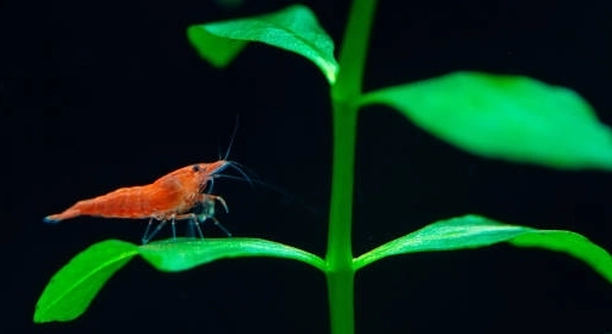
Do you ever add fresh moss to your tank only to notice your cherry shrimp wandering elsewhere instead of settling in? It can feel confusing, especially when you expect them to explore right away today.
Cherry shrimp often ignore new moss due to unfamiliar scents, handling residues, or subtle shifts in water parameters. Their cautious nature leads them to delay interaction until the moss stabilizes and integrates fully within their environment, promoting comfort and shelter.
As you continue reading, you will find simple insights that make understanding their behavior easier while guiding your next steps.
Understanding Their First Reactions
New moss can change the feel of a tank, and cherry shrimp often notice every little detail as they move around their space. When moss is freshly added, it may carry slight residues from packaging, trimming, or rinsing. These traces can make the shrimp pause until the moss settles fully. Small shifts in water flow, lighting, or texture can also influence how quickly they approach it. Shrimp prefer steady, familiar surroundings, so anything that seems different can slow their interest. Giving them time to observe the new addition lets them adjust without pressure. As the moss begins to blend in, its natural scents soften, and its surface becomes more inviting. The shrimp will then explore it more freely. This slow approach is normal, and it helps them feel safe. Watching their gradual acceptance can be reassuring, since it shows they are responding to their environment in a healthy way today.
They respond at their own pace, and new moss sometimes needs a little time to feel natural in the tank. Once the scents fade and the surface settles, the shrimp begin exploring again, showing steady behavior that usually matches their comfort level in familiar surroundings as they adjust even more.
Giving the tank a chance to stabilize makes a noticeable difference. As the moss absorbs water and settles into place, it begins to function more naturally. The shrimp sense these changes through touch and scent, allowing them to judge whether the new addition feels safe. Patience helps them regain confidence. Over time, the moss develops a gentle layer of biofilm that shrimp enjoy grazing on, and this encourages them to return. Their interest grows steadily as the environment becomes familiar again. This slow but steady process helps maintain calm behavior and supports a comfortable, stable home for the shrimp today.
What Makes Moss Less Appealing at First
Fresh moss can hold subtle residues or differences in texture that feel unfamiliar to shrimp. Their cautious nature leads them to wait until the new plant settles fully. Once the surface stabilizes and natural scents return, they approach it with more confidence and resume their usual grazing behavior each day.
New moss can introduce several small changes that shrimp notice right away. Even if the water looks clear, tiny particles from packaging, trimming, or handling may linger on the plant surface. These traces usually fade with time, but shrimp prefer to observe before interacting. Handling marks, slight shifts in water movement, or differences in lighting can also affect how quickly they explore the new growth. Shrimp rely heavily on scent and touch, so anything that feels out of place can slow their interest. Allowing the moss to settle naturally gives it a chance to soften, absorb water, and develop a surface that feels more familiar. As the plant adjusts to the tank, biofilm begins forming, creating a gentle layer that shrimp enjoy. This change often marks the point when they start visiting the moss more frequently. Their behavior reflects a steady pattern of exploring, assessing, and returning when conditions meet their comfort level. With time, the new moss blends into the environment, and the shrimp treat it like any other part of their home. Patience is helpful, since these small steps encourage healthy behavior and create a stable, peaceful space for them to graze, rest, and move with ease today.
When Shrimp Need More Time to Adjust
Cherry shrimp often wait until new moss settles, since fresh textures and scents can feel unusual at first. Giving the plant time to soften and blend into the tank helps them feel more comfortable while they slowly return to their normal grazing patterns.
New moss may release subtle traces from handling, trimming, or packaging, and shrimp notice these small differences quickly. They rely heavily on scent and touch, so anything unfamiliar can keep them at a distance. As the moss absorbs water and begins to soften, it becomes easier for them to explore. Over time, it also starts forming a thin layer of biofilm, which shrimp naturally enjoy eating. Once this layer appears, the shrimp often approach with more confidence. Their behavior follows a slow and steady pattern, showing how much they depend on familiar textures and stable surroundings to feel secure.
The adjustment period varies, but shrimp usually respond predictably when moss settles well. As the plant integrates into the tank, its scent stabilizes and the surface becomes less foreign. These small changes signal safety, encouraging shrimp to interact again. They often return to gentle grazing, weaving through the stems with more ease. This gradual acceptance shows that their instincts guide them to move carefully when something new appears in their environment. Patience helps them regain confidence while keeping their behavior steady. Watching them respond at their own pace can feel reassuring, especially as the moss settles into a natural part of their space.
How Water Conditions Affect Their Interest
Small shifts in water parameters can make shrimp hesitant, especially when new plants slightly alter flow, clarity, or dissolved substances. These changes are often temporary, but shrimp prefer consistency, so they may pause their exploration until the water feels steady again.
When moss is added, it can release tiny organic particles that lightly affect the water. Shrimp sense these changes fast, and their cautious nature makes them stay away until things stabilize. Slight differences in flow caused by new placement can also change how they move around the tank. Once the water clears and the flow balances out, their behavior becomes more relaxed. They start moving toward the moss with their usual curiosity, checking the surface and grazing when it feels safe. Over time, the water settles, the moss adjusts, and the shrimp return to their normal patterns, showing that even small improvements can help them feel comfortable again.
How Moss Placement Changes Their Behavior
Placement affects how quickly shrimp approach new moss, especially if it sits in an area with stronger flow or brighter light. They tend to explore calmer spots first, so adjusting the moss to a gentler location can help them feel more comfortable early on.
Lighting also influences their interest, since shrimp prefer softer, shaded areas where they can move without feeling exposed. If the moss sits in a harshly lit section, they might ignore it until the surroundings feel calmer. A small change in placement can make a noticeable difference in their behavior.
How Biofilm Development Encourages Interaction
Biofilm plays an important role in how shrimp respond to new moss. When the moss is freshly added, its surface can feel too clean, and shrimp may not find it appealing right away. As time passes, a thin layer of biofilm begins forming across the strands. This natural buildup gives the moss a texture and scent that shrimp recognize immediately. Their interest usually increases once they sense this familiar food source, and they start visiting the moss more frequently. Biofilm also helps the plant blend into the tank, making it feel like a normal part of their space. With steady growth and stable conditions, the shrimp regain their comfort and interact with the moss naturally.
When Shrimp Prefer Familiar Surfaces
Shrimp often return to the plants and decorations they know best, even when new moss is available. Familiar textures make them feel secure, so they gradually warm up to fresh additions once the tank settles and the moss feels more natural to them.
FAQ
Why are my cherry shrimp ignoring new moss?
Cherry shrimp often ignore new moss because it feels unfamiliar. Fresh moss can carry subtle residues from packaging, trimming, or rinsing that shrimp notice immediately. They rely on touch and scent to explore their environment. Until the moss settles, softens, and develops a thin layer of biofilm, shrimp may stay cautious and keep their distance. Changes in lighting or water flow caused by adding new moss can also make them hesitant. Over time, as the moss blends in and the water stabilizes, shrimp typically start grazing and exploring it naturally.
How long does it take for shrimp to start using new moss?
The adjustment period varies, but it usually takes a few days to a week for shrimp to fully interact with new moss. Factors like water stability, lighting, flow, and the size of the moss influence timing. Biofilm growth is an important part of this process, since shrimp are drawn to the natural food source it provides. Patience is key, as rushing or handling the moss repeatedly may stress the shrimp and delay their acceptance. Gradually, shrimp explore the moss, graze on its surfaces, and treat it as part of their regular habitat.
Can water conditions prevent shrimp from exploring new moss?
Yes, water parameters play a significant role. Even small shifts in pH, temperature, or dissolved substances can make shrimp pause. Fresh moss may release tiny organic particles that slightly alter water quality or flow. Shrimp notice these changes and may stay away until the water stabilizes. Ensuring consistent temperature, pH, and flow allows shrimp to feel safe while exploring new additions. Once the water conditions settle and the moss integrates into the tank, shrimp generally resume their normal patterns of grazing and moving freely through their environment.
Does moss placement affect shrimp behavior?
Absolutely. Cherry shrimp prefer calm, shaded areas, and strong currents or bright lighting can make new moss less appealing. Placing moss in gentle-flow areas encourages them to explore sooner. Gradually, shrimp may extend their range into brighter or more active parts of the tank as they gain confidence. A small adjustment in placement can make a noticeable difference in how quickly they interact with the new plant. Observing their preferred paths and spots helps in positioning moss where they feel secure and are most likely to use it regularly.
Why do shrimp sometimes return to old plants first?
Shrimp are naturally cautious and tend to stick to familiar surfaces. Known plants provide comfort, consistent textures, and established biofilm that serve as a reliable food source. When new moss is added, shrimp may explore it slowly, returning to what they already trust. This behavior is normal and shows they feel secure in their environment. Over time, as new moss stabilizes and develops biofilm, shrimp gradually spend more time on it, balancing their interactions between old and new plant surfaces. Patience and steady tank conditions help them make the transition smoothly.
How important is biofilm for moss acceptance?
Biofilm is critical in encouraging shrimp interaction. Fresh moss may seem “too clean” to them, lacking the familiar scent and texture they look for. As biofilm forms, it provides a natural food source that attracts shrimp. They begin grazing more frequently, exploring the moss, and treating it as part of their habitat. The presence of biofilm signals that the moss is safe and integrated into the tank environment. Maintaining consistent water conditions ensures biofilm develops steadily, supporting healthy shrimp behavior and increasing the likelihood they will use new moss regularly.
Can handling moss affect shrimp behavior?
Yes, excessive handling can stress shrimp or leave residues that make moss less appealing. Even gentle rinsing is better done sparingly, allowing the plant to settle naturally. Minimal disturbance gives shrimp time to adjust at their own pace. Once the moss feels stable and develops biofilm, shrimp usually resume normal grazing and exploration without hesitation.
Is it normal for shrimp to ignore moss for several days?
Yes, this is completely normal. Shrimp take time to assess new additions and only interact when they feel safe. Environmental changes, water stability, moss texture, and lighting all influence their timing. Patience allows shrimp to explore at their own pace, eventually using the moss as part of their regular habitat.
What can I do to encourage shrimp to explore new moss?
Focus on stabilizing the environment: keep water parameters consistent, place moss in calmer areas, and avoid unnecessary handling. Wait for biofilm to form, as it is the main attraction for shrimp. Observing them without interference helps them gain confidence, and they gradually start grazing and exploring the moss naturally.
Cherry shrimp can seem picky when it comes to new moss, and it is normal for them to take some time before exploring it. Fresh moss often carries slight residues from packaging or trimming, and its texture feels different from the plants already in the tank. Shrimp rely heavily on touch and scent to navigate their surroundings, so anything unfamiliar can make them cautious. When the moss is added, it may slightly change water flow, lighting, or even release tiny particles into the water. These small shifts are noticeable to shrimp, and their natural instinct is to wait until the environment feels safe. Observing them during this period can feel slow, but it is part of how they assess their surroundings. Over time, the moss absorbs water, softens, and blends into the tank, gradually becoming a familiar and comfortable place for them to explore.
The development of biofilm is one of the most important factors in getting shrimp to interact with new moss. Fresh moss can feel too clean or unfamiliar at first, but as biofilm forms, it provides a natural food source that shrimp recognize. This layer of biofilm grows over days and signals safety and familiarity, making shrimp more confident in approaching the moss. Placement also plays a role, since shrimp prefer calmer, shaded areas where they feel secure. If moss is added in a strong current or brightly lit area, they may stay away longer. Adjusting the moss to a quieter spot encourages them to explore sooner. Patience and careful observation are key. Rushing the process or moving the moss repeatedly can make them hesitate further, but allowing the plant to settle naturally gives the shrimp time to become comfortable on their own schedule.
Water conditions are another factor that affects how shrimp respond to new moss. Even slight changes in temperature, pH, or dissolved substances can make them cautious. Shrimp are sensitive to these small differences, so keeping the environment stable helps them regain confidence more quickly. Once the water conditions settle and the moss blends into the tank, shrimp gradually return to their normal routines, grazing and exploring without hesitation. Returning to familiar surfaces is also part of their behavior, and they usually begin incorporating new moss slowly. Giving shrimp time, maintaining stable conditions, and understanding their natural instincts ensures they adapt smoothly. With patience, the new moss becomes a healthy part of their habitat, supporting grazing, movement, and overall well-being.

Hello,
If you enjoy the content that we create, please consider saying a "Thank You!" by leaving a tip.
Every little bit helps us continue crafting quality advice that supports the health, happiness, and well-being of pets around the world, for pets of all shapes, sizes, and species.
We really appreciate the kindness and support that you show us!