
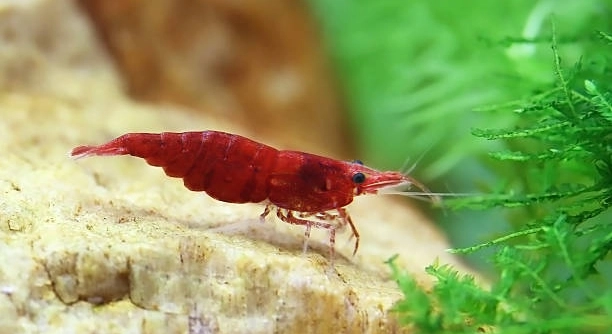
Do you ever find yourself noticing that some of your cherry shrimp have vanished from your tank without explanation? Many shrimp keepers experience this sudden disappearance, leaving them puzzled and concerned about their aquatic pets’ wellbeing.
Cherry shrimp can disappear due to a variety of factors including poor water quality, stress, predation by tank mates, molting issues, disease, inadequate nutrition, and insufficient hiding spaces. Each factor can significantly impact shrimp survival and overall tank population.
Understanding these causes will help you maintain a healthier tank and ensure your shrimp thrive in their environment consistently.
Poor Water Quality
Maintaining stable water parameters is essential for cherry shrimp survival. Sudden changes in pH, ammonia spikes, or high nitrate levels can stress shrimp and cause them to disappear. Even small fluctuations in temperature or hardness can affect their health. Regular testing and partial water changes help keep water conditions stable. Filtration systems also play a key role, but over-filtering can create strong currents that shrimp avoid. Observing shrimp behavior can indicate water issues; lethargy or hiding more than usual often signals stress. Keeping a clean tank, removing uneaten food, and ensuring proper aeration all contribute to a safer environment for shrimp to thrive and stay visible.
Poor water quality can quickly lead to stress, illness, or death if left unchecked. Consistency is key to maintaining shrimp health and population stability.
Monitoring water parameters, performing regular maintenance, and ensuring proper filtration not only prevent sudden disappearance but also promote molting, breeding, and overall activity. By understanding the specific needs of cherry shrimp, you can minimize losses and maintain a vibrant, healthy colony. Proper care reduces stress-related mortality and encourages natural behavior, making the tank a more predictable and enjoyable environment. Regular observation helps catch problems early, ensuring interventions before issues become severe. Maintaining a balanced environment with controlled pH, stable temperature, and clean water allows shrimp to feed, molt, and reproduce successfully. This approach ensures fewer disappearances and a lively tank that reflects proper husbandry.
Predation by Tank Mates
Predation is a common reason for disappearing shrimp. Aggressive or larger fish can eat cherry shrimp.
Keeping shrimp with peaceful tank mates reduces risk. Dense plants and hiding spots give them refuge.
Selecting compatible species and creating secure hiding spaces is crucial. Even small snails or crabs can stress or injure shrimp. Understanding which species coexist safely ensures a stable shrimp population. Overcrowding increases stress, making shrimp slower and easier targets. Observing interactions helps identify threats before losses escalate. Providing floating plants, moss, or caves allows shrimp to escape predators. By carefully planning tank composition and structure, you can significantly reduce predation and maintain a thriving shrimp colony. Regular monitoring ensures that aggressive behavior is addressed quickly, preventing further disappearances. Proper tank design and species selection balance visibility and safety, encouraging natural shrimp behavior while minimizing loss.
Stress from Overcrowding
Overcrowding in a tank can make cherry shrimp stressed and hide more often. Too many shrimp or incompatible species increases competition for food and space.
Stress from overcrowding weakens their immune system and can affect molting cycles. Shrimp may stop eating or reproduce less when stressed. Hiding constantly increases their chance of being overlooked, which can make it seem like they have disappeared. Providing adequate space, reducing the number of tank mates, and ensuring sufficient hiding spots can help minimize stress and promote normal activity and feeding behavior.
Monitoring shrimp activity and adjusting population levels prevents ongoing stress. When shrimp have space to explore and enough resources, they display healthier behavior and are more visible. Overcrowding can also increase aggression among some species, so regular observation and tank management are necessary to maintain balance. Creating areas with moss, plants, or caves allows shrimp to retreat safely without affecting the overall health of the tank community. Proper spacing encourages thriving colonies and reduces sudden disappearance incidents.
Molting Problems
Molting issues can lead to weakened shrimp or death. Incomplete molts often result from poor water quality or lack of calcium.
Providing proper nutrition and stable water conditions supports successful molting. Calcium supplements and mineral-rich foods strengthen their exoskeletons.
Shrimp that fail to molt properly may become trapped in their old exoskeleton, leading to vulnerability or death. Ensuring consistent temperature and water parameters is critical during molting periods. Hiding places reduce stress while shrimp shed their shells, increasing their chances of a successful molt. Observing molting behavior helps identify individuals struggling and allows intervention before fatal complications occur. Feeding a balanced diet, including mineral-rich foods and calcium sources, supports the growth of healthy exoskeletons. Combining good nutrition with a safe, stress-free environment ensures shrimp can complete molting cycles successfully, reducing disappearances and mortality.
Disease and Parasites
Diseases and parasites can quickly affect cherry shrimp, causing them to hide or die. Poor water quality and stress make shrimp more vulnerable to infections.
Observing unusual behavior, discoloration, or lethargy can indicate illness. Quarantining new additions helps prevent outbreaks and keeps the tank healthy.
Inadequate Nutrition
Cherry shrimp require a varied diet to stay healthy. Feeding only one type of food can weaken them and affect molting. Including algae wafers, blanched vegetables, and high-quality shrimp pellets ensures they get necessary nutrients. A balanced diet improves activity, coloration, and survival.
Lack of Hiding Spaces
Shrimp need hiding places to feel secure, especially during molting or when stressed. Plants, moss, and small caves provide refuge. Without adequate shelter, shrimp hide excessively or become easy targets for tank mates. Proper hiding spots promote normal behavior and reduce disappearance in the tank.
FAQ
Why are my cherry shrimp disappearing even though my water looks fine?
Even if your water appears clean, parameters like ammonia, nitrites, nitrates, pH, and hardness may be off. Small fluctuations can stress shrimp and make them hide or die. Regular testing and partial water changes help maintain stable conditions and prevent unnoticed problems.
Can tank mates really cause cherry shrimp to disappear?
Yes. Larger or aggressive fish, snails, or crabs can eat or stress shrimp. Even seemingly peaceful species may harass them during feeding or molting. Dense plants, moss, and hiding spots help shrimp avoid aggressive tank mates and stay safe.
How do I know if overcrowding is affecting my shrimp?
Signs include excessive hiding, slower movement, reduced feeding, and fewer molts. Overcrowding increases competition for food and space, causing stress. Adjusting the number of shrimp or tank mates, and providing more space or shelters, can help shrimp feel secure.
What foods are best to prevent shrimp disappearance?
A varied diet is essential. Feed algae wafers, blanched vegetables, and high-quality shrimp pellets. Proper nutrition strengthens the exoskeleton, supports molting, and improves immunity. Weak shrimp are more likely to hide or die, making them appear to disappear.
How can I prevent molting problems?
Stable water conditions, proper nutrition, and access to hiding spots are key. Calcium supplements and mineral-rich foods help build strong exoskeletons. Stress-free environments during molting reduce the risk of incomplete molts and fatalities.
Are diseases common in cherry shrimp tanks?
Yes, shrimp are sensitive to infections caused by bacteria, fungi, and parasites. Poor water quality, stress, and overcrowding increase risk. Quarantining new additions and monitoring behavior and appearance can help prevent outbreaks and reduce disappearances.
Do cherry shrimp need hiding spaces even if the tank is peaceful?
Absolutely. Even in calm tanks, shrimp need places to feel secure during molting or when stressed. Plants, moss, and caves reduce anxiety, promote natural behavior, and minimize sudden disappearances.
Can temperature affect shrimp survival?
Yes. Sudden temperature changes or prolonged exposure to inappropriate temperatures can stress shrimp and affect molting and immunity. Keeping a stable, suitable temperature range ensures shrimp remain active and visible.
How often should I check water parameters?
Regular testing is important, at least weekly for ammonia, nitrite, nitrate, pH, and hardness. Sudden changes can go unnoticed, causing stress or death. Consistent monitoring ensures shrimp remain healthy and reduces the chance of unexplained disappearances.
What are signs my shrimp are stressed?
Shrimp that hide excessively, stop eating, appear lethargic, or show unusual coloring may be stressed. Identifying stressors like water quality, tank mates, or overcrowding quickly helps prevent loss and encourages normal behavior.
Can I save shrimp that hide too much?
Yes, with proper care. Adjusting water parameters, reducing stress, providing hiding spots, and offering nutritious food helps shrimp recover. Observing their behavior ensures they begin to explore the tank and return to normal activity levels.
Is it normal for shrimp to disappear without a trace?
Sometimes shrimp are eaten, die in hidden areas, or molt and appear gone temporarily. Consistent observation, proper care, and suitable tank conditions reduce unexplained disappearances and maintain a stable population.
How do I prevent future disappearances?
Maintain water quality, provide hiding spots, feed a varied diet, avoid overcrowding, and select compatible tank mates. Regular observation helps detect problems early, ensuring shrimp remain healthy, active, and visible. Proper care minimizes stress and mortality.
Can I keep cherry shrimp with other species safely?
Yes, but choose peaceful species that do not harass or eat shrimp. Monitor interactions, provide dense plants or caves, and avoid aggressive or predatory species to keep shrimp safe. Proper planning ensures coexistence without sudden disappearances.
How important is tank maintenance for shrimp survival?
Extremely important. Regular water changes, cleaning, and monitoring reduce stress, prevent disease, and support molting. Consistent maintenance ensures a healthy environment where shrimp thrive and remain visible. Neglect increases the chance of sudden loss.
Do hiding spots help during breeding?
Yes. Shrimp feel safer and are more likely to breed when they have places to hide. Hiding spots protect juveniles and reduce stress for adults, ensuring a thriving, stable population.
Can shrimp die from stress alone?
Yes. Stress from overcrowding, aggressive tank mates, poor water quality, or sudden changes can weaken shrimp and lead to death. Reducing stress is essential to prevent disappearances and promote healthy behavior.
How can I tell if a shrimp died in the tank?
Dead shrimp often remain hidden among plants or decorations. Look for unusual coloring, lack of movement, or a body in corners. Removing dead shrimp quickly prevents water quality issues that could affect the rest of the population.
Are supplements necessary for cherry shrimp health?
Yes. Calcium and mineral supplements strengthen exoskeletons, support molting, and improve overall health. Proper supplementation reduces molting problems and decreases the likelihood of disappearance due to weakness or injury.
How long do cherry shrimp usually live?
Cherry shrimp typically live 1.5 to 2 years with proper care. Maintaining water quality, proper nutrition, safe tank mates, and hiding spots ensures they reach their full lifespan without unexplained disappearance.
What should I do if multiple shrimp disappear suddenly?
Check water parameters immediately, inspect for aggressive tank mates, and review feeding and maintenance routines. Quarantine new additions, provide extra hiding spots, and observe closely. Prompt action prevents further loss and restores a stable, healthy population.
Can cherry shrimp return after hiding for days?
Yes. Hiding is often a response to stress, molting, or predators. With a stable environment, proper food, and shelter, shrimp usually resume normal activity and become visible again.
Is it normal for baby shrimp to vanish?
Yes. Juveniles are more vulnerable to predation, water fluctuations, and stress. Providing dense moss, plants, and careful tank management increases survival and reduces apparent disappearance.
How can I track shrimp population effectively?
Regular observation, noting molting, feeding, and hiding behavior, helps track population health. Counting visible shrimp and checking plants or hiding spots ensures you notice disappearances early and can take action.
Are live plants important for shrimp survival?
Yes. Plants provide hiding spots, surfaces for biofilm, and improve water quality. They reduce stress, offer nutrition, and help shrimp feel secure, decreasing disappearance incidents.
Can sudden tank changes cause shrimp loss?
Yes. Rapid changes in water temperature, pH, or introduction of new tank mates can stress or kill shrimp. Gradual adjustments and proper acclimation reduce risk and maintain a stable population.
How do I prevent disease outbreaks?
Quarantine new additions, maintain water quality, avoid overcrowding, and feed a balanced diet. Observing behavior and removing dead shrimp promptly helps prevent the spread of infection.
What is the best way to provide hiding spots?
Include moss, live plants, caves, and decorations with crevices. Ensure each shrimp has space to retreat during molting, stress, or predator presence. Proper shelter encourages activity while reducing disappearances.
Can I use tank decorations safely for shrimp?
Yes, as long as they have smooth surfaces without sharp edges. Decorations provide hiding places, enrich the environment, and promote natural behavior without harming shrimp.
How often should I feed cherry shrimp?
Feed small amounts 1-2 times daily. Overfeeding pollutes water, while underfeeding weakens shrimp. A balanced schedule keeps shrimp healthy and visible.
Do cherry shrimp need a specific pH range?
Yes. A stable pH between 6.5 and 7.5 supports molting, immunity, and overall health. Sudden shifts can stress shrimp, leading to hiding or death. Regular monitoring prevents unnoticed problems.
How do I acclimate new shrimp?
Gradually introduce them to the tank water over 1-2 hours using drip acclimation or floating methods. Slow acclimation reduces stress and prevents sudden disappearance from shock.
Can I keep shrimp in a bare tank?
Bare tanks make shrimp more visible but increase stress. Without plants or hiding spots, shrimp may hide excessively or become easy targets. A balanced setup improves survival.
How important is tank temperature stability?
Crucial. Rapid changes affect molting, immunity, and activity. Maintaining a stable temperature ensures shrimp remain healthy, active, and visible in the tank.
Should I remove uneaten food promptly?
Yes. Leftover food decays and pollutes water, leading to stress, disease, and potential disappearance. Removing it keeps water clean and shrimp healthy.
Can shrimp survive with minimal care?
Minimal care increases stress, disease risk, and molting problems. Consistent maintenance, feeding, and observation are essential for survival and reducing disappearances.
How do I know if my shrimp tank is balanced?
A balanced tank shows active shrimp, stable water parameters, minimal algae issues, and low mortality. Regular observation and maintenance keep the ecosystem healthy and thriving.
Is it normal for shrimp to hide during the day?
Yes, especially if stressed or molting. Providing plants and caves encourages natural hiding behavior without affecting survival or visibility too drastically.
Do shrimp need additional lighting?
Moderate lighting supports plant growth and natural activity. Excessive lighting may stress shrimp or algae overgrowth. Balance ensures shrimp comfort and tank health.
How can I reduce stress for cherry shrimp?
Maintain stable water, provide hiding spots, avoid overcrowding, feed varied foods, and ensure compatible tank mates. Lower stress improves survival, molting, and visibility.
What is the best way to observe shrimp without disturbing them?
Watch from outside the tank quietly, avoid tapping glass, and move slowly around the aquarium. Observation allows monitoring health and behavior without causing stress or hiding.
Can shrimp survive without plants?
Yes, but survival decreases. Plants provide food, shelter, and water quality benefits. Without them, shrimp are more stressed, vulnerable, and prone to disappearance.
Do all shrimp hide during molting?
Yes. Hiding during molting protects them from stress and predation. Providing secure spots reduces the risk of incomplete molts or accidental death.
How often should I perform water changes?
Regular changes, about 10-20% weekly, maintain water quality. This prevents stress, supports molting, and reduces disappearance due to poor conditions.
Can shrimp survive sudden pH drops?
Sudden pH drops can be fatal. Gradual adjustments are safer. Monitoring pH and buffering water prevents stress and death.
How can I tell if shrimp are eating enough?
Shrimp should actively graze on food, algae, and surfaces. Weak, slow, or hiding shrimp may indicate underfeeding or stress.
Are all shrimp equally sensitive to water parameters?
Yes, but younger shrimp are more vulnerable. Consistent water quality, feeding, and shelter protect all shrimp, especially juveniles.
Can I mix cherry shrimp with other shrimp species?
Yes, if they are peaceful and have similar water requirements. Proper planning reduces aggression and disappearance risk.
How do I help molting shrimp safely?
Provide hiding spots, maintain stable water, and offer calcium-rich foods. Avoid disturbance until the molt is complete.
Is it normal for shrimp to disappear after introducing new tank mates?
Yes. New tank mates may stress shrimp or cause predation. Monitoring interactions and providing shelters reduces losses.
Can I use supplements to prevent disappearance?
Yes. Calcium and trace minerals strengthen exoskeletons and reduce molting failures. Proper supplementation improves survival and reduces hiding or death.
What is the most common reason for shrimp disappearance?
Stress from water changes, predation, or overcrowding. Maintaining stable water, safe tank mates, and adequate hiding spots prevents most disappearances.
Can shrimp die during transportation?
Yes. Temperature fluctuations, poor water quality, or rough handling can stress or kill shrimp. Proper acclimation reduces risk.
How do I encourage shy shrimp to explore?
Provide gentle lighting, stable water, and food in open areas. Secure hiding spots make them feel safe enough to explore gradually.
Are cherry shrimp sensitive to chemicals?
Yes. Detergents, pesticides, or medications can be toxic. Avoid chemical exposure to protect health and prevent disappearance.
How can I tell if shrimp are breeding successfully?
Visible berried females, juvenile sightings, and active shrimp indicate successful breeding. Proper water, food, and hiding spots support reproduction.
Do shrimp need aeration?
Moderate aeration improves oxygen and circulation. Excessive flow may stress shrimp. Proper balance ensures survival and activity.
Can tank size affect shrimp disappearance?
Yes. Small tanks increase stress and competition, while larger tanks provide space and hiding spots. Proper sizing reduces mortality.
How do I maintain a low-stress environment?
Stable water, adequate hiding spots, compatible tank mates, balanced diet, and minimal disturbances help maintain calm, healthy shrimp.
What role does biofilm play in shrimp health?
Biofilm provides natural grazing food and improves nutrition. Encouraging growth on surfaces reduces feeding stress and supports molting.
Can shrimp survive without calcium supplements?
They may survive, but shells can weaken, increasing molting problems and disappearance risk. Calcium-rich foods or supplements are recommended.
Is it normal for shrimp to disappear during the night?
Yes. They may hide while inactive or molting. Observing during the day shows activity levels and population health.
How do I prevent sudden deaths after water changes?
Perform gradual changes, match temperature and pH, and avoid shocking shrimp. Proper acclimation prevents stress-related loss.
Can stress cause color fading in shrimp?
Yes. Stress, poor nutrition, or water issues can dull coloration. Healthy, unstressed shrimp display vibrant colors and are more active.
How long should new shrimp be quarantined?
At least 2-3 weeks to monitor for disease and prevent introducing illness into the main tank.
Do cherry shrimp need specialized tanks?
Not necessarily. Standard freshwater tanks work if conditions, hiding spots, and tank mates are managed properly.
How do I prevent juvenile shrimp from disappearing?
Provide dense moss, plants, and calm conditions. Juveniles are sensitive to predation and water fluctuations. Proper care ensures survival.
Is it normal for shrimp to hide after feeding?
Yes. After eating, shrimp may retreat to digest safely. Adequate hiding spots make this behavior natural and stress-free.
Can shrimp survive cold snaps?
Sudden temperature drops can be fatal. Stable temperature is essential, particularly for tropical cherry shrimp.
Do shrimp require a certain water hardness?
Yes. Stable GH and KH support molting and overall health. Fluctuations stress shrimp and may cause disappearance.
Can stress from light changes affect shrimp?
Yes. Sudden shifts in lighting can cause hiding or inactivity. Gradual adjustments maintain normal behavior.
How often should I inspect shrimp for health issues?
Weekly observation of behavior, color, and molting helps catch problems early and prevent loss.
Can shrimp survive with inconsistent feeding?
Inconsistent feeding weakens shrimp, affects molting, and increases hiding or death risk. Regular, balanced feeding is crucial.
What is the best way to reduce predation risk?
Provide hiding spots, select peaceful tank mates, avoid overcrowding, and observe interactions regularly.
Are shrimp affected by water movement?
Yes. Strong currents can stress or trap them. Moderate flow supports oxygenation while minimizing stress.
Do shrimp need separate breeding tanks?
Not always, but breeding tanks with dense hiding spots increase juvenile survival. Proper planning supports population growth.
Can shrimp adapt to new tanks easily?
Gradual acclimation, stable water, and hiding spots improve adaptation. Sudden changes increase stress and risk of disappearance.
How do I know if shrimp are molting successfully?
Successful molts leave intact shells, normal behavior, and continued growth. Incomplete molts indicate stress or mineral deficiency.
Are shrimp sensitive to tank chemicals?
Yes. Medications, cleaning agents, and chlorine can harm or kill them. Always ensure water is safe before adding shrimp.
How long can shrimp survive without food?
A few days, but prolonged fasting weakens them, affecting molting and immunity. Regular feeding ensures survival and activity.
Do shrimp need hiding spaces if alone?
Yes. Even solitary shrimp benefit from shelters during molting or stress periods. Proper hiding spots reduce vulnerability.
Can shrimp hide for weeks and be okay?
Yes. Extended hiding is usually due to stress, molting, or predators. Proper care helps them return to normal activity.
How do I reduce stress during tank cleaning?
Remove some decorations carefully, avoid sudden water changes, and clean gradually to minimize disturbance.
Can temperature fluctuations cause shrimp disappearance?
Yes. Rapid changes affect molting, feeding, and immunity, leading to hiding or death. Stable temperature is essential.
How do I support shrimp during molting?
Provide hiding spots, stable water, calcium-rich foods, and avoid disturbances until molting is complete.
Are shrimp affected by strong lighting?
Yes. Too much light can stress shrimp, encourage hiding, and promote algae overgrowth. Moderate lighting is ideal.
Can poor water circulation harm shrimp?
Yes. Stagnant water reduces oxygen, while strong currents stress them. Balanced flow supports survival and activity.
Do shrimp need biofilm in their diet?
Yes. Biofilm provides natural grazing food, supports molting, and reduces reliance on supplemental feeding.
Can stress cause shrimp to disappear temporarily?
Yes. Stress from water changes, predators, or overcrowding leads to hiding. Providing stability encourages them to reappear.
How do I keep shrimp safe with fish in the same tank?
Select peaceful species, provide hiding spots, and monitor interactions. Avoid aggressive or predatory fish to prevent loss.
Is it normal for shrimp to disappear after a new water change?
Yes. Sudden changes can stress shrimp, prompting hiding. Gradual adjustments and stable parameters minimize this risk.
Can shrimp survive without plants?
Yes, but survival and molting success improve with plants, moss, or decorations providing food and shelter.
How important is calcium for shrimp?
Essential. Calcium supports exoskeleton formation, proper molting, and reduces disappearance due to weak shells.
Do shrimp need a specific KH level?
Yes. Stable carbonate hardness prevents pH swings, supports molting, and reduces stress-related losses.
Can shrimp survive long without hiding spots?
They may survive, but stress increases, molting risks rise, and disappearances are more likely. Providing shelters improves survival.
How do I prevent shrimp from being eaten?
Use peaceful tank mates, provide dense plants
Cherry shrimp are delicate creatures that require careful attention to thrive in an aquarium. Their disappearance is often the result of multiple factors interacting, rather than a single cause. Water quality is the most crucial element to monitor, as even minor fluctuations in pH, ammonia, nitrites, or nitrates can stress shrimp and impact their health. Temperature stability, proper filtration, and regular water changes are all necessary to maintain a safe environment. Stress from overcrowding, aggressive tank mates, or sudden changes in water parameters can further contribute to disappearance. By understanding these aspects and observing shrimp behavior closely, it becomes easier to identify potential problems before they lead to loss.
Nutrition and diet also play a significant role in maintaining a healthy shrimp population. A varied diet that includes algae wafers, high-quality shrimp pellets, and blanched vegetables ensures that shrimp receive essential nutrients to support molting, growth, and immunity. Calcium and mineral supplements are particularly important for strengthening exoskeletons and preventing incomplete molts, which can result in injury or death. Hiding spots, such as moss, plants, and small caves, provide a safe space during molting or periods of stress. Without sufficient shelter, shrimp are more likely to hide excessively or become vulnerable to tank mates. Providing these basic environmental and dietary needs allows shrimp to display natural behavior, reduces stress, and increases visibility within the tank.
Regular observation and proactive tank management are essential for preventing shrimp disappearance. Monitoring water parameters, checking for signs of illness or parasites, and ensuring a balanced tank setup all contribute to a stable population. Quarantining new additions before introducing them into the main tank helps reduce the risk of disease or predation. Adjusting population density and providing adequate space and hiding spots allows shrimp to feed, molt, and breed safely. Even small measures, such as removing uneaten food promptly and maintaining moderate lighting, can have a noticeable impact on shrimp health and activity. By maintaining a consistent routine and responding promptly to any signs of stress, shrimp keepers can create a reliable and thriving environment. With patience and proper care, cherry shrimp can live longer, healthier lives, and their natural behaviors can be observed without the frustration of unexplained disappearances. This careful approach ensures a balanced and vibrant aquarium where shrimp can flourish.

Hello,
If you enjoy the content that we create, please consider saying a "Thank You!" by leaving a tip.
Every little bit helps us continue crafting quality advice that supports the health, happiness, and well-being of pets around the world, for pets of all shapes, sizes, and species.
We really appreciate the kindness and support that you show us!