
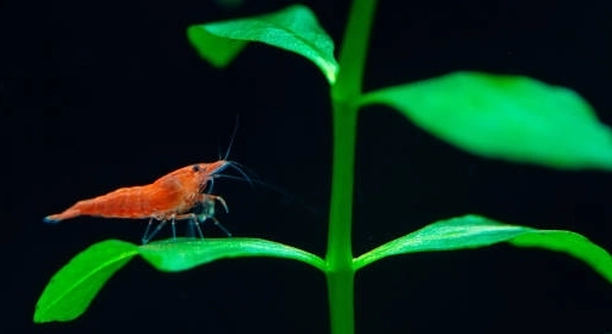
Shrimp are fascinating creatures that respond quickly to their surroundings. Observing them can reveal sudden changes in movement or activity. These small behaviors often reflect shifts in their environment, diet, or water conditions that are not always obvious.
Shrimp behavior can be altered rapidly by several factors, including water temperature, salinity, light exposure, diet, tank mates, oxygen levels, and stress. Each element affects physiological and neurological responses, resulting in noticeable behavioral adjustments over short periods.
Recognizing these factors is essential for maintaining healthy, active shrimp. Understanding their behavior helps ensure a stable and thriving aquatic environment for them.
Water Temperature
Shrimp are very sensitive to changes in water temperature. Even a few degrees higher or lower than their preferred range can make them less active or more skittish. In colder water, shrimp often slow down, eat less, and hide more frequently. Warmer water can increase their activity and metabolism but can also cause stress if it rises too quickly. Sudden fluctuations, like pouring new water that is a different temperature, can shock them and trigger rapid behavioral changes. Maintaining a stable, consistent temperature suited to the species is essential. Regularly checking your heater and thermometer helps prevent unexpected shifts. Seasonal changes can also affect tank temperature, so adjustments may be necessary. Observing your shrimp’s daily habits can indicate whether the temperature is ideal.
Maintaining stable water temperature helps shrimp stay active and healthy, avoiding stress-related behavior changes that can affect their feeding and interactions.
Consistency in temperature fosters a calm environment. Shrimp can thrive and display natural behaviors when temperature fluctuations are minimized.
Salinity
Shrimp respond quickly to changes in salinity levels. Even small adjustments can make them hide or move differently.
Salinity affects shrimp osmoregulation, which is their ability to balance internal fluids. If the water becomes too salty or too fresh suddenly, shrimp may struggle to adapt. Over time, this can weaken their immune system, reduce feeding, and make them more prone to disease. Gradual changes are crucial when adjusting salinity, and using a reliable hydrometer ensures accuracy. Some species require very specific ranges, so research is important. Mixing new water properly before adding it to the tank prevents shock. Observing how shrimp react to these adjustments provides insight into their comfort level and overall health. Ensuring the salinity is stable supports growth, molting, and natural activity patterns. Regular monitoring is the best way to keep your shrimp behaving normally.
Light Exposure
Shrimp react quickly to changes in light. Sudden bright lights can make them hide, while dim or consistent lighting encourages normal activity.
Light affects shrimp’s circadian rhythms and molting cycles. Too much direct light can stress them, causing them to retreat to hiding spots or reduce feeding. Conversely, insufficient light may make them sluggish and less visible. Maintaining a regular day-night cycle helps them stay active and healthy. Using timers ensures consistent lighting, preventing sudden shifts that can trigger unusual behavior. Some shrimp also prefer shaded areas, so providing plants or decorations allows them to regulate exposure naturally. Observing their movement in response to light gives clues about comfort levels and stress.
Providing a mix of shaded spots and moderate lighting allows shrimp to explore and feed safely. Balanced light encourages regular activity and natural behaviors, reducing stress and promoting well-being.
Diet and Feeding
Shrimp behavior changes rapidly when diet is inconsistent. Skipping meals or offering unfamiliar food can cause them to hide or compete aggressively.
Nutrition directly affects energy levels and activity. High-quality, species-appropriate food helps shrimp stay active, supports growth, and encourages regular molting. Sudden introduction of new foods may cause hesitation or avoidance, while overfeeding can pollute the water and reduce oxygen levels. Feeding small amounts at consistent times encourages predictable behavior and keeps shrimp from becoming stressed or lethargic. Observing feeding habits allows you to adjust portions and types of food for optimal health. Balanced nutrition ensures shrimp remain lively and interact normally with their environment and tank mates.
Consistency in feeding supports natural rhythms. By providing the right type and amount of food, shrimp maintain stable behavior, remain healthy, and display natural activity patterns.
Tank Mates
Shrimp behavior changes when tank mates are aggressive or overly active. Stress from larger or faster species can make them hide more often.
Peaceful tank mates promote calm behavior. Aggressive or predatory fish can cause shrimp to stay in shelters, avoid feeding areas, and reduce overall activity.
Oxygen Levels
Low oxygen levels make shrimp sluggish and increase hiding. They may also come to the surface more often to access air.
Maintaining proper oxygenation is essential for active and healthy shrimp. Use an air pump, filter, or plants to keep water well-oxygenated. Monitor bubbles and movement to ensure all shrimp receive enough oxygen, preventing stress and promoting natural activity.
Stress Factors
Shrimp are sensitive to sudden changes, including water quality, noise, or handling. Stress triggers rapid changes in behavior, such as hiding, erratic swimming, or reduced feeding.
FAQ
Why is my shrimp hiding all the time?
Shrimp often hide when they feel stressed or unsafe. Common causes include sudden changes in water temperature, poor water quality, aggressive tank mates, or inadequate hiding spots. Providing plants, rocks, or decorations gives them a sense of security. Regular monitoring of tank conditions helps reduce constant hiding and encourages normal activity.
How quickly do shrimp react to water changes?
Shrimp respond almost immediately to changes in temperature, pH, or salinity. Even minor fluctuations can make them slow down, hide, or swim erratically. Gradual adjustments are essential. Always acclimate shrimp slowly when adding new water or relocating them to prevent shock and stress-related behavior.
Can light make shrimp behave differently?
Yes, shrimp are highly sensitive to light. Sudden bright light can make them retreat into shelters, while consistent, moderate lighting supports normal activity. Providing shaded areas and using timers for lights can help maintain their natural rhythm and reduce stress.
Does feeding affect shrimp behavior?
Diet and feeding schedules have a direct impact on shrimp activity. Inconsistent feeding or overfeeding can make shrimp hide, compete aggressively, or appear lethargic. Feeding small, appropriate portions at regular times encourages regular movement and natural behavior patterns. Observing their response to new food helps ensure they remain comfortable and healthy.
How do oxygen levels influence shrimp?
Shrimp need well-oxygenated water to stay active. Low oxygen can cause sluggishness, frequent surface visits, and reduced feeding. Proper aeration through pumps, filters, or plants maintains oxygen levels and keeps shrimp behaving normally. Regular observation ensures all shrimp receive enough oxygen for healthy activity.
Do tank mates impact shrimp behavior?
Aggressive or fast-moving tank mates can stress shrimp, causing them to hide or reduce activity. Peaceful, compatible species create a calm environment, encouraging shrimp to explore and feed. Proper selection of tank mates is essential for maintaining a stable and safe habitat.
What signs indicate shrimp are stressed?
Stress in shrimp can appear as constant hiding, erratic swimming, reduced feeding, or molting problems. Sudden environmental changes, poor water quality, or aggressive neighbors often trigger these behaviors. Maintaining stable water parameters and providing shelter can help reduce stress.
Can temperature changes really affect shrimp quickly?
Yes, shrimp are highly temperature-sensitive. Cold water slows their metabolism, while rapid warming can cause overactivity or stress. Keeping temperature stable within the species-specific range ensures normal behavior and supports growth, feeding, and molting.
How can I prevent sudden behavioral changes in shrimp?
Consistency is key. Maintain stable water temperature, salinity, pH, and oxygen levels. Use gentle lighting, provide hiding spots, feed appropriate amounts at regular times, and ensure peaceful tank mates. Observing shrimp daily helps detect minor changes before they become serious issues.
Are shrimp social creatures?
Many shrimp species are social and feel more secure in groups. Observing group interactions can help gauge tank health. Crowding can cause stress, while isolation may reduce activity. Balance numbers to support natural behavior while avoiding overcrowding.
How do I acclimate shrimp properly to a new tank?
Gradual acclimation prevents stress and sudden behavioral changes. Float the shrimp in a bag for temperature equalization, slowly add tank water in small increments over an hour or more, and monitor them closely for signs of stress or hiding.
Can molting affect shrimp behavior?
Yes, molting makes shrimp vulnerable. During this time, they may hide, reduce activity, or refuse food. Providing safe hiding spots and stable water conditions during molting supports healthy growth and prevents stress-related behavior changes.
What water quality parameters are most important for shrimp?
Key factors include temperature, pH, hardness, salinity (for certain species), and ammonia/nitrite/nitrate levels. Sudden shifts in these parameters can trigger rapid behavioral changes. Regular testing and careful maintenance keep shrimp healthy and active.
How often should I monitor shrimp behavior?
Daily observation is best. Watching their movement, feeding habits, and interactions with tank mates helps detect early signs of stress, disease, or environmental issues. Early intervention prevents long-term behavioral or health problems.
Do stress factors combine to affect shrimp behavior?
Yes, multiple stressors such as poor water quality, improper diet, or aggressive tank mates can amplify behavioral changes. Addressing each factor individually and maintaining a stable environment helps shrimp remain active and healthy.
Can shrimp recover quickly from stress?
Shrimp can bounce back if conditions are corrected promptly. Stabilizing water parameters, providing hiding spots, adjusting lighting, and feeding appropriate amounts helps restore normal behavior within hours to days, depending on the severity of stress.
Is it normal for shrimp to act differently at night?
Many shrimp are more active during low light or nighttime hours. Increased movement and feeding during these periods are natural and not a cause for concern, as long as they behave normally during the day as well.
Do plants influence shrimp behavior?
Yes, plants provide hiding spots, reduce stress, and improve water quality by oxygenating the water and absorbing nitrates. Shrimp feel secure exploring planted areas, which promotes natural activity and healthy feeding habits.
How do I know if my shrimp are happy in the tank?
Active swimming, regular feeding, consistent interaction with tank mates, and normal molting patterns indicate shrimp are comfortable. Hiding only occasionally or responding calmly to minor disturbances is a positive sign of well-being.
What are common mistakes that affect shrimp behavior?
Rapid environmental changes, overfeeding, poor water quality, aggressive tank mates, or inadequate hiding spots are frequent mistakes. Preventing these issues ensures shrimp remain active, healthy, and display natural behaviors consistently.
Final Thoughts
Shrimp are small but highly sensitive creatures. Their behavior can change quickly in response to even minor alterations in their environment. Water temperature, salinity, light exposure, oxygen levels, diet, tank mates, and stress all play a role in how shrimp act daily. Observing these factors carefully can help you understand their needs better. Stability is key; sudden changes can cause hiding, erratic swimming, reduced feeding, or other signs of stress. Providing a consistent and balanced environment allows shrimp to thrive and display natural behaviors, which makes caring for them easier and more rewarding.
Maintaining proper conditions requires attention to detail and regular monitoring. Using reliable tools, such as thermometers, hydrometers, and water test kits, ensures that water parameters remain within suitable ranges. Consistent feeding with appropriate amounts of species-specific food supports their energy and overall health. Offering plants, rocks, and decorations gives them safe spaces to hide and explore, reducing stress. Light schedules and oxygenation also affect daily behavior, so timers and proper aeration can help maintain stability. When tank conditions are managed carefully, shrimp show more natural activity patterns, interact calmly with each other, and experience fewer health problems, which ultimately improves their lifespan.
Understanding shrimp behavior allows for a more successful and enjoyable experience as a caretaker. By observing movement, feeding habits, and interactions with their environment and tank mates, it becomes easier to identify early signs of stress or illness. This knowledge makes it possible to respond promptly and prevent long-term issues. Paying attention to small details and maintaining a stable habitat not only encourages shrimp to remain active and healthy but also creates a visually engaging and peaceful tank environment. Caring for shrimp is a process that benefits from consistency, patience, and awareness, and when these elements are combined, shrimp are more likely to thrive, stay active, and demonstrate natural behaviors over time.

Hello,
If you enjoy the content that we create, please consider saying a "Thank You!" by leaving a tip.
Every little bit helps us continue crafting quality advice that supports the health, happiness, and well-being of pets around the world, for pets of all shapes, sizes, and species.
We really appreciate the kindness and support that you show us!