
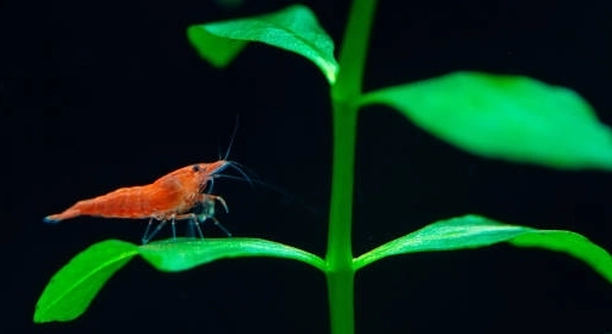
Shrimp are fascinating creatures that often behave in unexpected ways. Many aquarium owners notice them moving toward the surface at night, which can be puzzling. Observing their nighttime habits can reveal much about their natural instincts and environment.
Shrimp swim to the surface at night primarily due to low oxygen levels near the bottom and their natural foraging behavior. They rise to find food, oxygen, and safer areas while avoiding predators and conserving energy in darker conditions.
This nightly movement reflects their instinctual survival strategies and environmental responses, offering insights into proper care and understanding of these delicate aquatic animals.
Common Reasons Shrimp Swim to the Surface
One of the main reasons shrimp move toward the surface at night is oxygen distribution. Water near the bottom can become stagnant, especially in tanks with poor circulation. When oxygen levels drop, shrimp instinctively rise to areas with more oxygen to breathe comfortably. Light also plays a role; shrimp are naturally more active during low-light conditions, which often occur at night. They explore their environment, searching for food that may float near the surface. Water quality can also influence this behavior. High levels of ammonia, nitrites, or nitrates create stress, prompting shrimp to leave lower regions. Temperature differences matter as well. Warmer water tends to rise, bringing nutrients and oxygen to the upper layers. By understanding these factors, owners can create a more stable and healthy tank environment. Observing shrimp movement provides insight into their health and tank conditions, helping maintain balance and prevent stress-related behaviors.
Oxygen levels and water quality are usually the most influential factors affecting nighttime surface swimming in shrimp.
Maintaining good water circulation and monitoring chemical levels ensures shrimp remain comfortable in all areas of the tank. Regular water changes, aeration, and careful feeding help stabilize conditions. Additionally, observing their activity can indicate potential health or environmental issues. Adjusting lighting and temperature carefully can reduce stress, allowing shrimp to remain near the bottom if they prefer. Understanding these behaviors also makes it easier to provide a suitable habitat that matches their natural instincts, leading to healthier and more active shrimp. A stable tank reduces the risk of sudden movements to the surface and supports overall well-being.
How to Improve Your Tank Environment
Proper filtration is essential for keeping water clean and oxygenated, which helps shrimp stay near preferred areas.
Regular monitoring of pH, ammonia, and temperature ensures a consistent habitat. Adding aeration devices or live plants can increase oxygen levels. Observing shrimp behavior after adjustments helps identify specific needs. Feeding practices also matter; small, consistent meals prevent overfeeding and water contamination. Substrate choices and hiding spots encourage natural activity without forcing shrimp to the surface. Gradual changes are safer than sudden alterations, as shrimp are sensitive to environmental shifts. Maintaining a stable routine promotes healthier and calmer shrimp, reducing night-time surface excursions. Overall, attention to tank balance and careful observation supports both the shrimp’s physical health and natural behaviors.
Nighttime Feeding Habits
Shrimp often rise to the surface at night to search for food. They take advantage of quieter hours when there is less disturbance. Floating particles and leftover food near the top attract their attention. This behavior helps them access nutrients efficiently while staying relatively safe.
Shrimp are opportunistic feeders, meaning they will eat whenever food is available. At night, their natural activity increases, and they explore areas that may contain floating food or detritus. In aquariums, uneaten pellets or flakes often drift upward, creating a convenient food source. Observing this behavior can help owners understand how much to feed, avoiding overfeeding while keeping shrimp healthy. Nighttime feeding aligns with their instincts and ensures they receive enough nutrition for growth and molting cycles.
Providing a balanced diet and observing shrimp behavior helps maintain proper nutrition. Feeding at regular intervals prevents overcrowding at the surface and reduces stress. Live or frozen foods can encourage natural foraging behavior, while occasional algae wafers supplement their diet. Adjusting feeding amounts based on activity patterns ensures shrimp remain healthy without polluting the tank. Tracking how often shrimp rise to feed can also indicate appetite changes or health concerns, allowing timely intervention and care.
Environmental Triggers
Changes in temperature, light, and oxygen levels can influence shrimp activity. Small fluctuations often prompt surface swimming.
Temperature shifts, especially cooler water at the bottom, encourage shrimp to move upward where the water feels warmer. Bright lighting may drive them away from exposed areas during the day, making nighttime more favorable for exploration. Water movement created by filters or pumps affects oxygen distribution, pushing shrimp toward calmer, more oxygen-rich layers. Recognizing these triggers allows owners to create stable conditions. By adjusting lighting cycles, maintaining even temperatures, and ensuring adequate aeration, shrimp can remain active without unnecessary stress. Consistency is key to preventing erratic nighttime swimming.
Oxygen Levels
Shrimp often swim to the surface when oxygen levels near the bottom are low. Warmer water at the top holds more oxygen, making it easier for them to breathe. Proper aeration and circulation help maintain even oxygen distribution throughout the tank, reducing this behavior.
Monitoring dissolved oxygen regularly is important. Adding air stones, increasing water movement, or introducing live plants can improve oxygen availability. This ensures shrimp remain comfortable and reduces stress-related surface swimming.
Light and Activity Patterns
Shrimp are naturally more active during low-light periods. Dim or nighttime conditions encourage foraging and exploration near the water’s surface. Managing light cycles helps regulate their activity and prevents excessive surface movement.
Tank Crowding
Overcrowded tanks increase competition for food and space, causing shrimp to move upward at night. Maintaining proper stocking levels and providing sufficient hiding areas reduces stress and encourages balanced activity.
FAQ
Why are my shrimp only swimming at night?
Shrimp are naturally more active in low-light conditions. Nighttime provides a safer environment for foraging, reducing exposure to potential threats. Activity increases at night as they search for food and explore their surroundings while conserving energy during the day.
Is it normal for shrimp to stay near the surface?
Yes, occasional surface swimming is normal, especially if shrimp are seeking oxygen or food. It becomes a concern only if they spend extended periods at the surface or show signs of stress, such as lethargy or clamped limbs.
How can I tell if my shrimp need more oxygen?
Signs include frequent surface swimming, rapid gill movement, or clustering near water movement or filters. Measuring dissolved oxygen with a test kit or adding aeration devices can help maintain proper oxygen levels.
Could water quality be affecting shrimp behavior?
Absolutely. Poor water conditions, high ammonia, nitrite, or nitrate levels, and fluctuating pH can stress shrimp. Regular testing and partial water changes help keep the tank stable, reducing nighttime surface excursions.
Does tank temperature influence shrimp movement?
Yes, temperature changes affect metabolism and activity. Cooler water at the bottom may prompt shrimp to swim upward to find warmer, more comfortable layers. Keeping a consistent temperature suited to your shrimp species minimizes unnecessary surface activity.
Can lighting affect shrimp behavior at night?
Shrimp respond to light cycles. Bright daytime lighting can keep them hidden, while dim or no light at night encourages exploration. Maintaining predictable light cycles helps regulate natural activity and keeps shrimp less stressed.
Should I be worried if all my shrimp are at the surface at once?
Sudden clustering at the surface often signals a problem, such as low oxygen, chemical imbalance, or stress. Immediate testing of water parameters and improving aeration is recommended to prevent harm.
Does feeding influence nighttime swimming?
Yes, shrimp often swim to the surface to access floating food during night hours. Uneaten food near the top attracts them naturally. Adjusting feeding amounts and schedules ensures shrimp get enough nutrition without polluting the water.
How can I encourage shrimp to stay near the bottom?
Improving oxygen distribution, maintaining clean water, providing hiding spots, and keeping a consistent temperature encourages bottom activity. Adding plants or moss gives them safe areas to explore and feed.
Are certain species more prone to swimming at the surface?
Some shrimp species are more active and exploratory than others. Species like Cherry Shrimp and Amano Shrimp may show more surface activity, especially at night. Understanding species-specific behavior helps in anticipating and managing this movement.
What long-term care steps prevent excessive surface swimming?
Regular water testing, proper tank maintenance, consistent lighting, and careful feeding all reduce stress and support healthy behavior. Adequate space, hiding spots, and stable environmental conditions promote natural activity at all tank levels.
Can surface swimming indicate illness?
It can. Persistent surface swimming combined with lethargy, discoloration, or unusual posture may indicate stress, disease, or poor water quality. Observing shrimp carefully and maintaining optimal conditions helps prevent health issues.
Does the type of tank setup matter?
Yes, tanks with uneven oxygen distribution, strong currents, or poor filtration can increase surface swimming. A well-planned setup with even flow, aeration, and plants ensures shrimp are comfortable in all areas of the tank.
How do I monitor shrimp activity effectively?
Regular observation, especially during night hours, helps identify patterns and potential issues. Tracking their movement, feeding habits, and interaction with tank mates provides insights into their health and tank conditions.
Can surface swimming affect shrimp health?
Occasional surface swimming is harmless, but prolonged stress from poor conditions can impact growth, molting, and immune function. Ensuring stable water parameters and reducing environmental stress supports long-term shrimp health.
Are live plants beneficial for reducing surface activity?
Yes, live plants improve oxygen levels, provide hiding spaces, and offer natural feeding opportunities. They create a balanced environment that keeps shrimp comfortable and reduces unnecessary surface excursions.
Should I adjust aeration if shrimp swim at night?
Adding or adjusting aeration can help, especially if low oxygen is the cause. Air stones, sponge filters, or gentle water movement evenly distribute oxygen and reduce nighttime surface activity.
How do I know if my tank is overcrowded?
Signs include increased surface swimming, competition for food, and constant hiding. Calculating the appropriate shrimp-to-gallon ratio and providing enough space reduces stress and encourages normal behavior.
Do shrimp communicate through movement?
Shrimp use movement to signal territory, stress, or feeding interest. Group swimming patterns can indicate social behavior, environmental stress, or attraction to food sources. Observing these patterns helps interpret their needs.
Can temperature fluctuations cause nightly surface swimming?
Yes, sudden changes in temperature affect metabolism and oxygen demand. Keeping a stable, species-appropriate temperature prevents stress and encourages normal movement throughout the tank.
Is surface swimming more common in new tanks?
Newly established tanks often have uneven oxygen and water parameters, prompting shrimp to explore surface layers. Regular monitoring and careful stabilization help shrimp settle into normal routines.
Do water currents impact nighttime activity?
Strong currents at the bottom may push shrimp upward to calmer areas. Adjusting flow or adding plants and hiding spots allows them to rest safely without excessive surface swimming.
How important is feeding timing for shrimp activity?
Feeding in smaller, controlled portions reduces floating food waste and prevents over-crowding at the surface. Scheduling feeding to match natural activity patterns helps maintain balance.
Are there signs of stress associated with surface swimming?
Stress indicators include rapid gill movement, erratic swimming, clamped limbs, and persistent surface presence. Identifying these signs early allows prompt action to improve tank conditions.
Does surface swimming vary with shrimp age?
Juvenile shrimp may explore more actively, including surface areas, as they grow and learn to find food. Adults tend to establish routines and may show less surface activity if conditions are stable.
Can adding more plants reduce nighttime surface swimming?
Yes, plants improve oxygenation, provide shelter, and offer food sources. They create safer environments near the bottom, reducing the need for shrimp to rise unnecessarily.
How often should I check water parameters for surface-swimming shrimp?
Frequent monitoring, at least weekly, ensures oxygen, temperature, and chemical levels remain optimal. Consistent checks prevent sudden changes that could trigger excessive surface activity.
Are there behavioral differences between male and female shrimp?
Females carrying eggs may prefer calmer, lower areas, while males often explore more, including surface layers. Understanding gender-related behavior helps interpret activity patterns and care needs.
Does surface swimming affect breeding?
If shrimp are stressed or spending too much time at the surface, breeding may slow. Stable conditions, hiding spots, and consistent feeding encourage normal reproductive behavior.
Can surface swimming indicate filter issues?
Yes, poor or uneven filtration can reduce oxygen near the bottom. Shrimp rise to compensate. Ensuring filters circulate water effectively and do not create excessive turbulence helps maintain comfort.
How do I balance tank aesthetics with shrimp comfort?
Using plants, gentle lighting, and moderate currents keeps shrimp safe and active. Hiding areas, moss, and proper substrate allow shrimp to explore without forcing surface swimming.
Should I separate shrimp if they constantly swim at the surface?
Separation is usually unnecessary unless water quality or stress is severe. Fixing environmental conditions is more effective than isolating shrimp.
Are surface movements more visible in clear tanks?
Yes, clear tanks make activity easier to see, which may seem alarming. Observing behavior alongside water parameters provides context to determine if it is normal.
Can adding floating foods help reduce stress?
Floating foods provide convenient access without overloading the tank floor. This encourages natural foraging while preventing excess competition and surface crowding.
Does tank size affect nighttime surface swimming?
Smaller tanks may concentrate waste and reduce oxygen at lower levels. Larger tanks with proper circulation distribute oxygen better, reducing the need for surface excursions.
Can surface swimming indicate predator stress?
Presence of fish or other aggressive tank mates may drive shrimp upward. Providing hiding spots and monitoring interactions minimizes stress and supports natural activity.
Is it safe to observe shrimp at night?
Yes, using dim lighting or red lights allows monitoring without disturbing them. Nighttime observation helps track behavior and detect potential health or environmental issues.
How long does surface swimming typically last?
Short periods are normal, often coinciding with feeding or oxygen-seeking. Persistent or constant surface presence usually indicates environmental stress that needs correction.
Are there tools to track shrimp movement?
Cameras or manual observation logs help track patterns. Recording nighttime activity can reveal triggers and inform care adjustments.
Does molting affect surface behavior?
Shrimp may seek calmer, oxygen-rich areas during molting. Providing stable conditions and hiding spots supports safe molting and reduces unnecessary surface swimming.
Can surface swimming signal disease?
Yes, combined with lethargy, discoloration, or unusual posture, it may indicate illness. Maintaining clean, stable water helps prevent disease-related behavior changes.
How do I prevent long-term stress from surface swimming?
Consistent water quality, stable temperature, proper feeding, adequate space, and hiding spots all reduce stress and support healthy natural behavior in shrimp.
Is surface swimming more common in certain seasons?
Temperature and light changes with seasons can affect activity. Stable indoor conditions mitigate these seasonal variations and keep shrimp behavior predictable.
Does the presence of other invertebrates influence shrimp surface activity?
Yes, competition or interaction with snails or other shrimp may push them to explore surface areas. Providing sufficient resources and space reduces unnecessary movement.
How often should I adjust aeration if shrimp swim at night?
Adjustments should be gradual and based on observations of oxygen levels and shrimp behavior. Over-aeration can disturb them, while proper distribution encourages comfort.
Can substrate type influence surface swimming?
Smooth, fine substrates allow shrimp to forage safely on the bottom. Rough or uneven surfaces may push them to search higher layers for food or safety.
Does water hardness impact nighttime swimming?
Extreme hardness or softness can stress shrimp, affecting their movement. Maintaining species-appropriate hardness supports normal activity and reduces surface excursions.
Can frequent water changes reduce nighttime surface swimming?
Yes, regular partial water changes stabilize parameters, remove toxins, and improve oxygen levels, decreasing the need for shrimp to move upward.
Are there signs that surface swimming is beneficial?
Moderate surface swimming for feeding or oxygen seeking reflects healthy instincts. Problems arise only when movement is persistent or associated with stress indicators.
Does diet type affect nighttime activity?
High-quality food that sinks slowly encourages natural foraging and reduces stress-driven surface swimming. Balancing nutrition and feeding schedules maintains activity without overexertion.
Can adding hiding spots reduce surface swimming at night?
Yes, providing caves, moss, or plants allows shrimp to feel secure near the bottom, minimizing upward movement while satisfying exploration needs.
How do I know if my tank lighting is suitable?
Consistent day-night cycles, moderate brightness, and absence of harsh glare create comfortable conditions. Shrimp remain active at night without unnecessary surface swimming.
Is nighttime surface swimming more common in young tanks?
Yes, newly established tanks often have uneven oxygen, temperature, and chemical distribution. Stabilizing the environment gradually reduces excessive surface activity.
Does water flow affect where shrimp swim?
Strong currents at the bottom can push shrimp upward to calmer zones. Adjusting flow and creating sheltered areas supports balanced activity throughout the tank.
Can monitoring shrimp movement prevent health issues?
Yes, observing patterns and correlating them with water parameters helps detect early stress or illness, allowing timely intervention to maintain shrimp health.
Should I worry if only a few shrimp swim at night?
Not usually. Individual differences, age, or minor environmental factors can explain isolated surface activity. Persistent or collective swimming warrants further investigation.
Do shrimp ever rest near the surface intentionally?
Occasionally, they may pause in oxygen-rich layers or calmer areas. Short rests are normal, especially after feeding or molting.
Can excessive surface swimming indicate overpopulation?
Yes, crowded tanks create competition for food and space, prompting shrimp to seek upper layers. Maintaining proper stocking density reduces this behavior.
How do I balance feeding and surface activity?
Smaller, timed feedings that sink slowly reduce competition and surface excursions. Observing shrimp helps fine-tune the amount and frequency of food provided.
Is surface swimming related to social behavior?
Yes, shrimp communicate and interact through movement. Group activity near the surface can indicate feeding or social signaling rather than stress alone.
Does tank size influence nighttime behavior?
Smaller tanks may concentrate waste and reduce oxygen near the bottom, causing shrimp to rise. Larger tanks with even circulation support balanced activity.
Can changing tank layout reduce surface swimming?
Rearranging plants, rocks, and hiding spots creates secure zones at all levels. This encourages shrimp to remain active without unnecessary surface excursions.
Are there long-term benefits to observing nighttime swimming?
Yes, consistent observation allows detection of health issues, stress triggers, and environmental needs, enabling better care and improved shrimp well-being.
How often should I test water if surface swimming is frequent?
Testing at least weekly, or more often during observed stress, ensures oxygen, chemical, and temperature levels remain stable, preventing persistent surface activity.
Does species compatibility affect surface swimming?
Aggressive or fast-moving tank mates may force shrimp upward. Matching compatible species and monitoring interactions helps reduce unnecessary stress.
Can surface swimming indicate substrate problems?
Rough, sharp, or poorly compacted substrates may make bottom foraging uncomfortable, prompting shrimp to explore upper layers. Smooth, natural substrates reduce this behavior.
Does molting stage influence nighttime activity?
Yes, shrimp often seek calm, oxygen-rich layers during molting. Stable conditions and sufficient hiding areas support safe molting without excessive surface movement.
Can adding floating plants help regulate activity?
Floating plants provide cover and shade, reducing stress while offering a safe area to explore or rest near the surface without danger.
Should I reduce feeding if shrimp swim at night?
Not necessarily. Adjusting portions or timing to reduce competition and surface clutter is more effective than skipping meals, ensuring shrimp remain healthy.
Are shrimp more active in planted tanks?
Yes, plants provide food sources, shelter, and oxygen, encouraging natural movement while reducing stress-related surface swimming.
How can I create a stress-free environment?
Stable water parameters, adequate hiding spots, gentle currents, proper feeding, and consistent lighting reduce stress and encourage balanced activity at all tank levels.
Is it normal for surface swimming to vary daily?
Yes, minor changes in temperature, oxygen, or feeding schedules can influence daily activity. Observing patterns helps maintain a stable environment.
Can excessive surface swimming damage shrimp health?
Persistent stress from poor water conditions or overcrowding can affect growth, molting, and immune function. Maintaining stable, clean, and comfortable conditions prevents long-term harm.
Does surface swimming indicate a need for tank upgrades?
Sometimes, improving filtration, aeration, lighting, or space reduces stress and prevents excessive surface movement, creating a healthier environment for shrimp.
How do I know if my shrimp are comfortable?
Healthy shrimp forage at various levels, molt normally, and show steady movement. Excessive surface swimming with stress indicators signals environmental adjustments are needed.
Can observing shrimp improve tank management?
Yes, careful monitoring helps identify water issues, behavior changes, or dietary needs. Timely adjustments based on observation ensure a stable, healthy habitat for all shrimp.
Is nighttime surface swimming ever beneficial?
Moderate surface activity for oxygen or feeding aligns with natural behavior. Problems arise only when it indicates stress, poor water quality, or overcrowding.
Can adjusting aeration reduce nighttime swimming?
Yes, gentle and evenly distributed aeration improves oxygen levels throughout the tank, reducing the need for shrimp to move upward unnecessarily.
Does surface swimming change with seasons?
Indoor tanks are generally stable, but subtle seasonal temperature or light shifts can slightly influence shrimp activity. Consistent conditions mitigate these effects.
Are there visual cues to monitor shrimp health during surface swimming?
Look for coloration, limb movement, and responsiveness. Healthy shrimp display steady activity and normal coloration, even when briefly at the surface.
How do I distinguish normal from concerning surface swimming?
Short, occasional excursions are normal. Persistent clustering, rapid gill movement, lethargy, or discoloration signals environmental stress or health issues requiring attention.
Can changing tank plants affect shrimp behavior?
Yes, adding or rearranging plants can provide hiding spaces and oxygenation, encouraging natural activity and reducing stress-driven surface swimming.
How do I maintain long-term comfort for shrimp?
Regular water testing, consistent feeding, stable temperatures, adequate space, hiding spots, and proper lighting support healthy behavior and minimize unnecessary surface movement.
Is surface swimming more frequent in some tanks than others?
Tanks with uneven oxygen distribution, poor filtration, or overcrowding tend to have more nighttime surface activity. Proper setup and maintenance balance behavior naturally.
Does substrate depth influence swimming patterns?
Deeper, fine substrates allow bottom foraging without discomfort. Shallow or rough substrates may encourage shrimp to explore upper layers more frequently.
How can I track behavior over time?
Keep logs of feeding, water parameters, and surface activity. Observing patterns helps identify triggers and informs adjustments to improve shrimp well-being.
Are there preventative measures for excessive surface swimming?
Stable water conditions, adequate oxygenation, proper feeding, sufficient space, hiding spots, and gentle currents all reduce stress and unnecessary upward movement.
Can surface swimming indicate the need for dietary changes?
If shrimp consistently rise for food, adjusting diet type, feeding frequency, or portion size ensures they get nutrients without overexerting themselves.
Does tank maintenance frequency affect surface activity?
Regular water changes and cleaning prevent buildup of toxins and oxygen depletion, reducing the likelihood of persistent surface swimming.
Can observation at night prevent serious health issues?
Yes, monitoring nighttime activity helps detect stress, oxygen problems, or disease early, allowing timely intervention and ensuring shrimp remain healthy.
Do tank decorations influence surface swimming?
Properly placed plants, rocks, and shelters allow shrimp to explore and hide safely, reducing stress and unnecessary surface excursions.
How important is gentle water flow for shrimp?
Excessive currents can push shrimp upward. Moderate, even flow supports oxygenation while allowing natural movement throughout the tank.
Can surface swimming patterns indicate molting cycles?
Shrimp may seek calmer, oxygen-rich areas during molting. Observing this behavior helps anticipate care needs during vulnerable stages.
Are juvenile shrimp more prone to surface swimming?
Yes, juveniles explore more actively while learning to forage. Adults may settle near the bottom if conditions are stable.
Can monitoring movement improve breeding success?
Yes, stable conditions and careful observation support healthy mating and egg development, reducing stress-related surface activity.
**
Final Thoughts
Observing shrimp swim to the surface at night can seem unusual at first, but it is often a natural part of their behavior. Many shrimp explore their environment during low-light conditions, which allows them to search for food and locate areas with higher oxygen levels. This movement is closely linked to their instincts and survival strategies. Understanding why they do this can help you maintain a healthier tank environment and reduce stress for your shrimp. Paying attention to their activity patterns provides insight into their needs and helps you notice changes that might indicate issues with water quality, temperature, or overcrowding. Over time, learning these behaviors becomes a helpful guide for keeping shrimp happy and active in their habitat.
Proper tank management plays a key role in regulating surface swimming. Maintaining consistent water parameters, such as oxygen levels, temperature, and pH, ensures that shrimp feel comfortable in all parts of the tank. Adequate aeration and water circulation help distribute oxygen evenly, reducing the need for shrimp to constantly rise to the top. Providing hiding spots, live plants, and gentle water flow encourages shrimp to stay active near the bottom while still allowing natural exploration. Feeding schedules also influence behavior; smaller, consistent portions help prevent excessive surface activity and competition. By monitoring shrimp behavior alongside environmental conditions, it is possible to identify stress or discomfort early, making adjustments before it affects their health. A balanced and stable habitat supports both their physical well-being and natural instincts.
Shrimp behavior, including nighttime surface swimming, reflects their sensitivity to their surroundings and their need for stability. While occasional excursions are normal, prolonged or frequent surface activity may indicate underlying issues such as low oxygen, overcrowding, or poor water quality. Regular observation, proper feeding, and attention to water parameters are essential to minimize stress and support natural behaviors. Creating a stable and comfortable environment allows shrimp to forage, molt, and interact safely, contributing to their overall health. Over time, noticing subtle patterns in behavior can improve care practices and help anticipate potential problems. Maintaining a calm, balanced tank not only supports shrimp physically but also fosters a habitat where they can behave naturally and thrive.

Hello,
If you enjoy the content that we create, please consider saying a "Thank You!" by leaving a tip.
Every little bit helps us continue crafting quality advice that supports the health, happiness, and well-being of pets around the world, for pets of all shapes, sizes, and species.
We really appreciate the kindness and support that you show us!