
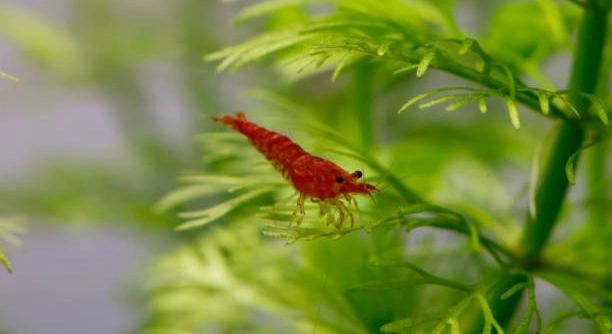
Have you ever noticed tiny shells left behind in your shrimp tank and wondered what they are? Cherry shrimp go through changes as they grow, and molting is a natural part of their life cycle. Observing these changes helps you understand their health.
Cherry shrimp molt frequently, especially during their early growth stages. Molting allows them to shed their old exoskeleton and grow larger. Healthy shrimp may molt every one to two weeks, though frequency decreases as they reach adulthood.
Knowing how often molting occurs helps you care for your shrimp properly. It also provides insight into their growth, nutrition, and overall wellbeing in the aquarium environment.
Why Cherry Shrimp Molt
Molting is a vital process for cherry shrimp as it allows them to grow and maintain a healthy exoskeleton. When shrimp grow, their hard shells do not expand, so they must shed the old exoskeleton to make room for a larger one. This process begins when a shrimp absorbs water, causing its body to swell and crack the old shell. Afterward, it carefully wiggles out of the old shell, leaving behind a translucent husk. Newly molted shrimp are soft and vulnerable, making hiding spots and plants essential for protection. Water quality, temperature, and diet all influence the frequency and success of molting. Shrimp with proper nutrition and stable water conditions tend to molt regularly and display healthy growth. Observing molting patterns can help you gauge the shrimp’s health, identify stress, and prevent common issues such as failed molts. Consistent monitoring ensures that shrimp remain active, healthy, and thriving in the aquarium.
Molting supports growth, strengthens their exoskeleton, and helps shrimp adapt to changes in their environment.
Proper care during molting includes maintaining clean water, stable temperatures, and a balanced diet. Ensuring safe spaces helps shrimp recover and reduces stress during this vulnerable time. Regular observation allows adjustments to feeding and tank conditions, supporting consistent growth.
Signs Your Cherry Shrimp is About to Molt
Before molting, shrimp may appear less active or hide more than usual.
Shrimp show subtle signs that indicate a molt is approaching. Their color may dull slightly, and they may reduce movement, often staying close to plants or decorations. Some shrimp will graze less or spend more time resting on surfaces. Molting is stressful, and shrimp instinctively seek safe areas where they feel protected. They may also show a slight swelling in the abdomen as the old shell loosens. By observing these behaviors, you can predict when a shrimp is about to molt. Ensuring clean water, adequate hiding spots, and proper nutrition during this time can prevent failed molts and injuries. Monitoring these signs helps maintain a healthy aquarium and supports the shrimp’s natural growth cycle. Regular observation not only protects shrimp during this delicate stage but also allows you to respond quickly to any issues that arise. Maintaining stable conditions reduces stress and promotes healthy, frequent molting over time.
How Often Do Cherry Shrimp Molt
Frequency varies with age, diet, and water conditions. Younger shrimp molt more often, while adults slow down.
Juvenile cherry shrimp can molt every 5 to 10 days as they grow rapidly. Adults molt less frequently, typically every few weeks. Proper nutrition, including calcium and minerals, is essential for healthy molting. Stable water parameters like temperature, pH, and hardness support regular molts. Stress from poor water quality or overcrowding can delay or disrupt molting. Observation helps you notice changes and respond to any issues. Ensuring plants and hiding spots allows shrimp to feel safe, reducing failed molts and injuries during this vulnerable time.
Tracking molt frequency helps determine shrimp health and growth patterns. Consistency in care encourages steady development and supports a thriving aquarium environment.
Caring for Molting Shrimp
Provide safe spaces and plants for hiding during molting.
Shrimp are soft and vulnerable immediately after shedding their shell. They may hide for several hours to a day while their new exoskeleton hardens. Avoid handling or disturbing them during this period. Feeding calcium-rich foods and maintaining stable water conditions helps the new shell develop properly. Keep an eye on water temperature and quality, as sudden changes can stress shrimp and interfere with molting. Observing molting behavior regularly allows you to notice any abnormal patterns or failed molts early. By providing proper care, you ensure shrimp recover safely, stay healthy, and continue their natural growth without setbacks.
Factors Affecting Molting
Water quality, diet, and temperature all impact molting frequency. Poor conditions can slow or stop the process.
Stress from overcrowding or sudden changes in the tank also affects how often shrimp molt. Consistent care helps maintain healthy growth and regular molts.
Signs of a Failed Molt
Failed molts occur when a shrimp cannot fully shed its old exoskeleton. This can happen due to insufficient minerals, stress, or weak water conditions. A stuck exoskeleton can damage legs or antennae, leaving the shrimp vulnerable. Observing early signs, like partial shedding or inactivity, allows you to take action. Providing hiding spots, calcium-rich foods, and stable water parameters reduces the risk of failed molts. Regular monitoring ensures that shrimp recover safely, maintain proper growth, and remain healthy. Adjusting diet or tank conditions when needed supports successful molts in the long term.
Post-Molt Care
Keep newly molted shrimp safe and stress-free for several hours.
FAQ
How long does it take for a cherry shrimp to molt?
Molting usually takes a few minutes to an hour for the shrimp to fully shed its old exoskeleton. The process begins when the shrimp loosens its shell and ends once the new exoskeleton hardens. After molting, the shrimp is soft and vulnerable for several hours, so hiding spots are important during this time. Proper water quality and a balanced diet help ensure that each molt goes smoothly.
Why is my cherry shrimp not molting?
Shrimp may stop molting due to stress, poor water quality, or inadequate nutrition. High ammonia, nitrite, or unstable pH can disrupt their natural molting cycle. Lack of essential minerals, especially calcium, can prevent the new exoskeleton from forming properly. Overcrowding or frequent disturbances can also delay molting. Adjusting diet, improving water conditions, and providing safe spaces encourages regular molting and healthy growth.
How often do adult cherry shrimp molt?
Adult cherry shrimp molt less frequently than juveniles. While young shrimp may molt every week, adults typically molt every few weeks, sometimes once a month. The frequency depends on diet, water conditions, and overall health. Ensuring stable water parameters, a nutritious diet, and minimal stress helps adults maintain proper molting cycles without complications.
What are the signs of a shrimp preparing to molt?
Before molting, shrimp may hide more often and reduce activity. Their color may appear slightly dull, and they may graze less. Some shrimp show swelling in the abdomen as the old exoskeleton loosens. Observing these behaviors allows you to provide extra hiding spots and monitor water conditions, which helps prevent failed molts and injuries.
Can shrimp die from molting?
Yes, molting is a vulnerable time. Failure to shed the old exoskeleton properly, insufficient minerals, or stress can lead to injuries or death. Providing hiding spots, a mineral-rich diet, and stable water conditions significantly reduces the risk. Early observation of abnormal behavior during molting helps prevent fatal issues.
Should I feed shrimp differently during molting?
Yes, feeding calcium-rich and protein-rich foods supports exoskeleton development and recovery. Blanched vegetables, specialized shrimp pellets, and supplements provide the minerals needed for strong new shells. Avoid overfeeding or sudden diet changes, as these can stress the shrimp and affect the molting process.
What happens if a shrimp fails to molt?
A failed molt can result in a shrimp being stuck in its old exoskeleton, damaging legs or antennae. This leaves the shrimp vulnerable to disease, stress, and predators. Correcting water conditions, adding calcium sources, and reducing stress in the tank can help shrimp complete future molts successfully.
How do water conditions affect molting?
Stable water parameters are critical. Sudden changes in temperature, pH, or hardness can stress shrimp and disrupt molting. Clean water with balanced minerals supports exoskeleton formation. Regular water testing and partial water changes help maintain optimal conditions, promoting healthy and consistent molting cycles.
Do all cherry shrimp molt at the same rate?
No, molting frequency varies by age, health, diet, and environmental conditions. Juveniles molt more often to grow quickly, while adults slow down. Differences in individual health and tank stress levels also affect how often each shrimp molts. Observing your shrimp individually helps you notice irregular patterns.
How can I make molting safer for my shrimp?
Provide plenty of hiding spots like plants, moss, and decorations. Keep water stable and clean, and offer a balanced diet with minerals. Avoid handling shrimp or disturbing the tank during molting periods. Watching for early signs of molting allows you to make adjustments, ensuring a safer process and healthier growth.
This FAQ covers the main concerns about cherry shrimp molting, from frequency to care. Paying attention to water quality, diet, and stress management ensures shrimp molt successfully and remain healthy in your aquarium.
Molting is an essential process for cherry shrimp and plays a major role in their growth and overall health. When a shrimp molts, it sheds its old exoskeleton to allow for a larger, stronger shell. This process is completely natural but can make shrimp vulnerable for a short period. Newly molted shrimp are soft and need safe spaces where they can hide and recover without being disturbed. Providing plants, moss, or decorations in the aquarium creates these hiding spots and helps them feel secure. Observing molting behavior over time can also give you insight into the general wellbeing of your shrimp, as frequent or irregular molts may indicate issues with water quality, diet, or stress levels. Paying attention to these details allows you to maintain a stable environment where shrimp can grow steadily and safely.
Water conditions and nutrition are two of the most important factors affecting molting. Stable water parameters, including pH, temperature, and hardness, are critical to supporting healthy molting cycles. Sudden fluctuations or poor water quality can delay or prevent a successful molt, and this may even lead to injury or death. Diet is equally important, as shrimp need minerals like calcium to form strong exoskeletons. Providing a balanced diet with shrimp pellets, blanched vegetables, and mineral supplements ensures they have the nutrients required for proper growth. Observing the frequency and success of molts helps you identify whether adjustments are needed. For example, if a shrimp struggles to molt, it may be a sign that water conditions need attention or additional minerals are necessary. Small changes in care can make a significant difference, ensuring that shrimp complete each molt safely and continue growing at a healthy pace.
Understanding molting also helps you care for your shrimp over the long term. By knowing what to expect and recognizing the signs of an upcoming molt, you can reduce stress and prevent injuries. Consistent monitoring, providing safe spaces, maintaining clean water, and offering proper nutrition all work together to create an ideal environment for shrimp. Even small adjustments in tank care can support successful molts and improve overall shrimp health. Observing shrimp as they molt also creates opportunities to notice other behaviors and health issues early, making it easier to take corrective action when needed. In the end, a focus on proper molting care ensures that your cherry shrimp remain active, healthy, and thriving in the aquarium for years to come.

Hello,
If you enjoy the content that we create, please consider saying a "Thank You!" by leaving a tip.
Every little bit helps us continue crafting quality advice that supports the health, happiness, and well-being of pets around the world, for pets of all shapes, sizes, and species.
We really appreciate the kindness and support that you show us!