
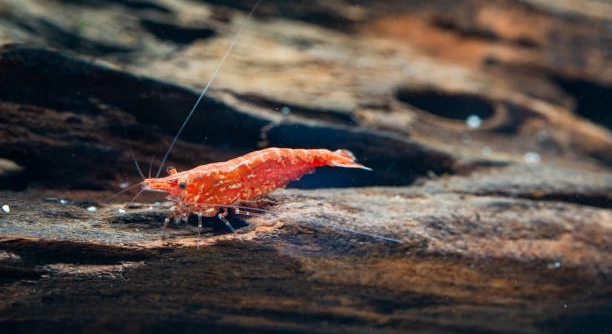
Do you ever find yourself watching your cherry shrimp hide constantly, wondering if they are stressed or uncomfortable in their tank? Providing a calm environment can make a noticeable difference in their behavior and overall well-being.
Cherry shrimp feel safe when their habitat provides sufficient hiding places, stable water parameters, and minimal disturbances. Ensuring proper lighting, vegetation, and gentle feeding routines reduces stress and supports natural behavior, allowing shrimp to thrive and display normal activity.
Maintaining these conditions can transform your tank into a secure space where your shrimp feel comfortable and active almost immediately.
Provide Plenty of Hiding Spots
Cherry shrimp feel safer when they have places to retreat. Rocks, caves, and dense plants allow them to hide when stressed or molting. Moss, Java ferns, and floating plants are excellent options. Hiding spots reduce aggression from tank mates and give shrimp a sense of security. Even small structures like ceramic tubes or PVC pieces can make a difference. Observing your shrimp, you’ll notice they venture out more when there is enough cover. Avoid overcrowding decorations, but make sure each area has at least one retreat. This arrangement helps mimic their natural habitat, giving them confidence to explore while knowing safety is nearby. Consistently rearranging the tank can increase stress, so aim for stability. Proper placement of hiding areas near feeding zones allows shrimp to forage without feeling exposed. Over time, shrimp will show more natural behaviors, like grazing on biofilm and interacting with plants, indicating their environment feels secure. The presence of shelters is essential for breeding as well.
Adding different textures and heights in the tank encourages shrimp to use hiding spots and explore safely.
Shrimp are cautious animals. By giving them multiple hiding options, they learn where to retreat and feel more confident. Dense plants and moss provide both cover and grazing surfaces. Well-placed shelters near food areas reduce stress and encourage active, natural behaviors. Observing shrimp using these spots helps assess comfort levels. Over time, this setup supports growth, molting, and even breeding, creating a more balanced, thriving tank environment.
Maintain Stable Water Parameters
Cherry shrimp are highly sensitive to changes in water conditions, including temperature, pH, and hardness. Fluctuations cause stress and hiding behavior. Regular testing helps detect issues before they escalate. Small weekly water changes keep toxins low and maintain consistent chemistry. Temperature should remain steady between 72–78°F (22–26°C), and pH should stay near neutral, around 6.5–7.5. Sudden shifts can trigger molting problems or illness. Using a reliable heater and thermometer ensures stability. Avoid introducing untreated tap water; always dechlorinate to prevent harm. Hardness levels also matter, as shrimp require moderate GH and KH for healthy exoskeleton formation. Filtering helps maintain clean water, but strong currents should be avoided because shrimp prefer gentle flow. Adding live plants can buffer minor pH changes naturally. Observing shrimp activity is a good indicator of water comfort: active, grazing shrimp usually signify stable conditions. Keeping parameters steady is one of the most effective ways to make shrimp feel safe quickly and sustain long-term health.
Monitoring water chemistry daily in the first few weeks after setup prevents stress and supports acclimation.
Consistent water conditions reduce stress and encourage shrimp to explore freely. Using plants, gentle filtration, and controlled temperature helps maintain a stable environment. Regular testing and adjustments ensure long-term safety and comfort. Stable parameters promote molting, growth, and breeding.
Limit Sudden Movements
Shrimp are easily startled by sudden movements near the tank. Quick hand motions or tapping on the glass can cause them to retreat and hide. Moving slowly during feeding or maintenance helps them remain calm and reduces stress significantly.
Cherry shrimp perceive fast movements as threats. Frequent sudden gestures can cause them to stay hidden for long periods, avoiding food and natural behavior. Approaching the tank slowly during water changes or when adding decorations minimizes panic. Avoid banging lids or equipment near the tank, as vibrations can also stress shrimp. Even light shadows or reflections can make them skittish, so consider the tank’s placement carefully. Over time, slow and steady actions allow shrimp to become more confident, gradually exploring open areas without fear. This consistency helps maintain their health and encourages feeding and interaction with the environment.
Maintaining calm activity around the tank ensures shrimp spend more time grazing and exploring. Gentle movements and avoiding sudden noises create a secure space. Observing shrimp over time shows that consistent, slow handling encourages natural behavior, reduces hiding, and supports overall well-being. Proper handling reduces stress, which is vital for molting and breeding success.
Provide Natural Cover
Live plants, driftwood, and moss create shaded areas where shrimp can retreat. Natural cover mimics their environment, offering protection and comfort. Dense foliage near feeding areas allows them to eat safely while staying hidden.
Using natural materials helps reduce stress and encourages shrimp to explore. Plants like Java moss and Anubias provide both cover and grazing surfaces. Driftwood adds hiding spaces and slowly releases tannins that can benefit water quality. Floating plants create shadows, giving a sense of security. Arranging cover in layers allows shrimp to choose their preferred retreat. Combining plants with small caves or tubes increases available shelter. The presence of multiple options reduces competition and territorial behavior among shrimp. Over time, shrimp using these areas freely signals that they feel safe and comfortable in the tank.
Strategically placing natural cover promotes confidence and reduces fear. Shrimp can retreat, graze, and interact with the environment without exposure. A mix of plants, wood, and hiding spots supports healthy behaviors, molting, and breeding. Observing shrimp exploring these areas confirms a secure and thriving habitat.
Keep Tank Lighting Gentle
Bright lights can stress cherry shrimp and make them hide. Using soft or indirect lighting helps them feel secure and encourages natural activity throughout the day. Adjust light intensity gradually when introducing new bulbs.
Providing shaded areas under plants and decorations reduces exposure to direct light. This allows shrimp to explore safely and feed without feeling threatened.
Feed Small Portions Regularly
Cherry shrimp feel safer when food is predictable and not overwhelming. Offering small amounts several times a day prevents competition and reduces stress. Uneaten food should be removed to maintain water quality and avoid overfeeding.
Avoid Aggressive Tank Mates
Keeping shrimp with non-aggressive species reduces constant hiding. Peaceful fish or snails allow shrimp to move freely without fear of attacks.
How often should I feed my cherry shrimp?
Cherry shrimp do best with small, frequent feedings rather than a single large meal. Providing tiny portions two to three times daily ensures they get enough nutrition without polluting the water. Shrimp graze naturally on biofilm, algae, and leftover detritus, so overfeeding can lead to water quality problems. Observe how much they consume within a few hours and remove any uneaten food promptly. This approach prevents ammonia spikes and keeps shrimp healthy. Consistent feeding also encourages shrimp to explore the tank more confidently, knowing that food is available at regular intervals.
What plants are best for providing hiding spots?
Java moss, Anubias, and Java fern are excellent for creating cover. Moss can form thick mats where shrimp hide and graze. Anubias and Java fern provide large leaves under which shrimp can retreat. Floating plants like duckweed or frogbit also create shaded areas, reducing stress from bright light. Combining different plant types offers multiple levels of security, from ground cover to mid-level leaves. Dense planting allows shrimp to feel protected while foraging. Over time, shrimp will naturally spend more time outside hiding spots once they learn the environment is safe. This setup encourages natural grazing and breeding behavior.
How can I tell if my shrimp are stressed?
Signs of stress include constant hiding, reduced movement, and refusal to eat. Shrimp may also molt less frequently or show discolored shells. Watching their behavior carefully is important. If they cluster in one area or remain motionless for long periods, water conditions or tank disturbances might be the cause. Stress can also make shrimp more susceptible to disease and impact growth and reproduction. Addressing water quality, hiding spaces, and gentle handling usually helps stressed shrimp recover. Observing them daily helps spot issues early, allowing adjustments before problems escalate.
Can shrimp live with other fish?
Yes, but tank mates must be peaceful and non-predatory. Small tetras, rasboras, or snails are generally safe companions. Avoid larger or aggressive fish that may nip or eat shrimp. Even seemingly calm fish can intimidate shrimp, causing them to hide constantly. Observing interactions after introducing tank mates is essential. If shrimp remain hidden or show signs of stress, separation may be necessary. Proper hiding spots and plant cover help shrimp feel safer in a community tank. Over time, shrimp usually adapt to suitable companions and explore more confidently, especially in well-planted areas.
How do I maintain stable water conditions?
Regular testing of temperature, pH, GH, and KH is crucial. Cherry shrimp prefer stable temperatures around 72–78°F and near-neutral pH. Gradual water changes prevent sudden swings. Dechlorinate tap water before adding it to the tank. Using a reliable heater, gentle filter, and live plants helps maintain balance. Avoid overcrowding and overfeeding, as both can destabilize water parameters. Keeping a log of measurements allows tracking trends over time, helping prevent stress and molting problems. Stable water conditions are one of the most effective ways to make shrimp feel safe and encourage natural behavior.
Do shrimp need special care during molting?
Molting is a vulnerable time for shrimp, so they need secure hiding places. During this period, they may remain hidden for hours or even days. Proper water conditions and adequate calcium and minerals support healthy molts. Avoid disturbing shrimp during this time, as stress can cause molting issues or even death. Observing shrimp molting successfully indicates they feel secure and the tank environment is suitable. Providing plants, moss, and gentle handling ensures they can molt safely and continue normal activity afterward.
What should I do if my shrimp hide too much?
Excessive hiding often indicates stress from water parameters, tank mates, or insufficient cover. Check temperature, pH, hardness, and ammonia levels immediately. Add more plants or moss and rearrange decorations to create safe zones. Limit sudden movements around the tank and reduce strong lighting temporarily. Feeding small portions consistently helps shrimp emerge from hiding. Over time, shrimp will explore more freely when they feel secure. Monitoring behavior daily ensures adjustments are effective and prevents prolonged stress that could affect health or reproduction.
How important is tank placement?
Tank location affects shrimp behavior significantly. Avoid areas with frequent vibrations, bright sunlight, or heavy traffic. A quiet corner with indirect light helps shrimp feel safe. Sudden shadows, reflections, or loud noises can cause prolonged hiding. Choosing a stable spot and minimizing disturbances encourages exploration and feeding. Over time, shrimp learn the tank is secure, which supports molting, breeding, and natural grazing habits. Proper placement contributes as much to shrimp comfort as water quality or hiding spots, creating a balanced, stress-free environment.
Can I use decorations to improve safety?
Yes, carefully chosen decorations create additional hiding spots. Ceramic caves, tubes, and driftwood work well alongside live plants. Layering these elements at different heights gives shrimp options for retreat and exploration. Avoid overcrowding, which can limit swimming space. Decorations should be stable to prevent accidental shifts that could injure shrimp. Observing how shrimp use these areas helps assess comfort and safety. Over time, shrimp will actively explore open areas while relying on decorations for refuge, promoting confidence and healthy activity patterns.
Is water change frequency important?
Frequent, small water changes maintain stable chemistry and reduce stress. Large or irregular changes can shock shrimp, affecting molting and feeding. A 10–20% weekly change is usually sufficient. Always match temperature and pH with the tank water to avoid sudden fluctuations. Consistent maintenance supports shrimp health, allowing them to feel secure and thrive in their habitat. Monitoring water after changes ensures stability, and regular partial changes prevent buildup of toxins while preserving beneficial bacteria. Over time, this routine helps shrimp establish normal behavior and reduces excessive hiding.
Taking care of cherry shrimp requires attention to their environment and behavior. These small creatures are highly sensitive to changes in their tank, and even minor disturbances can make them hide or become stressed. Providing plenty of hiding spots, such as moss, plants, driftwood, and small caves, helps them feel secure. Stable water parameters are equally important. Regularly checking temperature, pH, and hardness, along with performing consistent water changes, ensures their habitat remains safe and healthy. Gentle lighting and avoiding sudden movements around the tank allow shrimp to explore naturally and interact with their surroundings without fear. Over time, these careful steps make a significant difference in how comfortable and confident your shrimp feel in their home.
Feeding also plays a key role in maintaining shrimp comfort. Offering small portions multiple times a day prevents food competition and reduces stress. Cherry shrimp are natural grazers, feeding on biofilm, algae, and detritus in addition to prepared foods. Overfeeding can harm water quality, so monitoring what they eat and removing uneaten food is essential. Keeping tank mates peaceful and non-aggressive further encourages a sense of safety. Aggressive or predatory species can force shrimp to hide constantly, preventing them from eating and exhibiting normal behaviors. By combining proper feeding routines with careful selection of tank companions, you can create an environment that supports both physical health and psychological comfort for your shrimp.
Observing shrimp behavior is one of the best ways to understand their needs. Signs of stress include excessive hiding, reduced movement, and changes in color or molting frequency. When shrimp appear active, feed regularly, and explore their environment, it indicates they feel secure. Adding natural cover, gentle lighting, and stable water conditions provides a foundation for healthy activity, growth, and even breeding. Every tank is unique, and small adjustments may be necessary to maintain optimal conditions. By consistently monitoring their environment and habits, you can ensure your cherry shrimp thrive. The effort put into creating a calm, well-maintained tank will be rewarded with shrimp that are more confident, active, and visibly healthier. A balanced approach combining hiding spots, water stability, proper feeding, and careful handling is the most reliable way to make your shrimp feel safe and happy over the long term.

Hello,
If you enjoy the content that we create, please consider saying a "Thank You!" by leaving a tip.
Every little bit helps us continue crafting quality advice that supports the health, happiness, and well-being of pets around the world, for pets of all shapes, sizes, and species.
We really appreciate the kindness and support that you show us!