
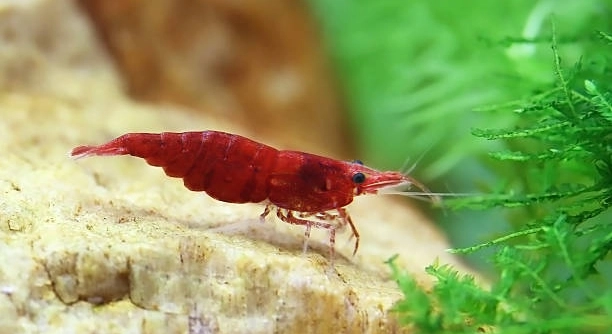
Are your cherry shrimp leaving fresh algae untouched even though it seems like a natural food source for them? This can confuse aquarists, but understanding their preferences helps create a more supportive and balanced environment.
Cherry shrimp may ignore fresh algae because it is often too new or lacks the biofilm and microorganisms they prefer. Their feeding behavior centers on softer, mature growth that offers richer nutritional value and easier grazing compared to formed algae.
Exploring the subtle reasons behind their selective feeding reveals helpful insights that can strengthen your shrimp care and aquarium harmony.
Understanding Their Feeding Preferences
Cherry shrimp often follow natural instincts that influence how and when they graze. Fresh algae may look appealing to us, but shrimp tend to search for surfaces that already support softer growth. They rely on layers that form over time, which allows them to pick through material that feels easier to break apart. This preference ties closely to their need for gentle textures and richer nutrients. I have noticed that when the tank is stable and mature, they become more active and confident as they graze. Fresh algae simply does not offer the same comfort, which is why they may ignore it even if it is abundant. A balanced aquarium with aged surfaces creates an environment that suits their delicate feeding style and keeps them feeling secure.
Fresh algae lacks the micro life they prefer and may be too firm for comfortable grazing. They naturally choose surfaces that offer softness and variety.
Biofilm layers build up slowly and offer a mix of microorganisms, soft algae, and organic particles that cherry shrimp love to pick at. These layers give them enough nutrition without forcing them to work too hard. As the tank matures, more surfaces develop this gentle coating. Even though fresh algae can look bright and healthy, the texture is often too dense. Once biofilm becomes established, shrimp begin to graze more consistently. Their feeding habits improve as they explore areas that feel safe and familiar. This balance helps them maintain better health and encourages natural behavior throughout the tank.
When Fresh Algae Is Not Enough
Cherry shrimp may ignore fresh algae when it does not provide the softness or nutrients they expect from mature growth. They rely heavily on the mix of biofilm and micro particles that form over time.
When shrimp do not show interest in new algae, it often signals that the tank’s surfaces have not matured enough to support their preferred feeding style. A developing aquarium produces algae quickly, but biofilm forms much slower. Cherry shrimp need this mix because it supplies both nutrition and comfort. Hard or newly grown algae simply does not suit their delicate picking behavior. By allowing the tank to stabilize, the environment naturally becomes more inviting. Plants, driftwood, and rocks begin to gather the soft coating that shrimp instinctively seek out. Stable filtration, consistent water changes, and gentle lighting also help support this balance. Once these factors align, cherry shrimp become more active grazers and respond better to the food sources available in the tank.
Supporting a Stable Environment
Cherry shrimp often respond better when the tank offers steady conditions that support natural feeding behavior. Fresh algae alone cannot meet their needs, so maintaining stable parameters helps them feel comfortable. I have seen how consistency encourages grazing and keeps their activity level steady throughout the day in my care.
Stable water parameters play an important role in how cherry shrimp interact with available food. When temperature, pH, and hardness stay within comfortable ranges, biofilm production becomes more predictable and easier for them to depend on. Fresh algae may appear lively, but without steady conditions the softer layers they prefer cannot develop properly. I have noticed that even slight fluctuations slow their grazing because they rely on consistency to feel secure. Keeping the tank calm, balanced, and clean supports their natural routine and allows them to explore surfaces that gradually build the material they enjoy picking at each day daily.
Shrimp behavior changes noticeably when the tank matures enough to support their feeding style. Fresh algae remains secondary while they focus on textured surfaces that feel familiar. As the aquarium grows stable layers, shrimp become more confident as they pick through softer material. Their grazing patterns improve because they no longer struggle with the firmness of new algae. I have seen this shift happen gradually, especially when lighting, filtration, and water flow remain gentle. This creates calm spaces where biofilm collects naturally. With time, shrimp adjust their routine to these richer surfaces and show more consistent activity across the tank.
Why Mature Growth Matters
Cherry shrimp depend on mature surfaces because these areas provide soft layers that support comfortable grazing. Fresh algae does not always offer the texture or microbial content they need. When tanks develop slowly, the balance between biofilm and algae becomes stronger. I have found that shrimp respond well when conditions stay calm, allowing them to move freely and feed without stress throughout the day and this stable setup helps them maintain steady grazing habits daily.
Mature surfaces form gradually, and cherry shrimp rely on this slow development to feel comfortable while feeding. Fresh algae may look appealing, but it lacks the softness and microbial richness they depend on. Over time, natural coatings thicken, creating an ideal texture for gentle grazing. I have seen shrimp become noticeably more active once these layers settle across plants, rocks, and driftwood. Consistent lighting and stable water flow support this growth, making the tank feel calm and predictable. When conditions remain balanced, shrimp spread out and explore more areas instead of clustering in one place. This steady environment encourages natural patterns and helps them maintain better health. As the tank matures, shrimp adjust and show stronger engagement with the surfaces that support their feeding needs.
Promoting Biofilm Growth
Biofilm growth develops best when the tank stays calm and balanced, giving cherry shrimp the gentle surfaces they naturally seek. I have seen how soft layers form more reliably when light intensity stays moderate and water flow remains steady. These conditions help shrimp graze comfortably without relying on fresh algae.
Keeping surfaces clean but not overly scrubbed allows softer coatings shrimp prefer to build gradually. I’ve noticed that reducing aggressive maintenance encourages healthier grazing behavior. When surfaces develop at a natural pace, shrimp feel more at ease and explore more areas without depending heavily on new algae in their tank.
Recognizing Feeding Shifts
Cherry shrimp often reveal their comfort level through subtle changes in grazing activity, and these shifts help indicate how well the tank supports natural habits. When mature surfaces develop consistently, shrimp spread out more and graze for longer periods. I have noticed that they become calmer and more focused on softer coatings once the aquarium stabilizes. Fresh algae may still grow quickly, but shrimp continue to prioritize biofilm-rich areas that feel familiar and gentle. Observing these patterns makes it easier to understand preferences and adjust care routines so the tank continues supporting healthy feeding behavior without stressing shrimp properly.
Adjusting Your Expectations
Cherry shrimp often develop stronger grazing behavior only after the tank matures enough to provide the soft layers they favor. I’ve learned that patience helps, since fresh algae rarely satisfies their needs. Allowing surfaces to develop naturally supports healthier activity and more consistent feeding patterns over time in the aquarium.
FAQ
Why do my cherry shrimp ignore fresh algae even when it is growing well in the tank?
Cherry shrimp often ignore fresh algae because it lacks the softness and microbial richness they depend on. I’ve noticed that they choose surfaces that have matured enough to support layers of biofilm. Fresh algae tends to be firmer and does not offer the same comfort during grazing. Shrimp look for areas that feel familiar and gentle, which helps them pick through material without struggling. As the tank ages, the combination of biofilm and softened algae becomes far more appealing to them than newly formed growth.
Is it normal for cherry shrimp to graze more on older surfaces instead of bright green new algae?
Yes, this is completely normal. Cherry shrimp prefer aged surfaces because they hold a mixture of microorganisms, soft algae, and micro particles. These layers create a comfortable feeding area that supports gentle picking. Fresh algae might look healthy to us, but for shrimp it often feels too firm and lacks the texture they instinctively respond to. Once older surfaces become coated with natural growth, shrimp explore and graze more willingly.
How long does it take for a tank to mature enough for shrimp to show steady grazing habits?
In my experience, a tank usually needs several weeks to a few months before shrimp behave consistently. The timing depends on lighting, planting, filtration, and overall stability. Biofilm forms slowly, and shrimp rely on it heavily. A newly cycled tank can support life, but it may not offer enough of the soft coating they depend on. As the aquarium matures, their grazing patterns strengthen and become more predictable.
Does strong lighting help shrimp graze more on fresh algae?
Stronger lighting may increase algae growth, but it does not necessarily improve shrimp grazing. Cherry shrimp still prefer softer, mature coatings rather than firm new algae. High lighting can encourage algae that grows too quickly or too densely for them to enjoy. I’ve found that moderate lighting creates the best balance, producing enough algae and biofilm without overwhelming the tank.
Why do cherry shrimp seem more active in older tanks compared to new ones?
Older tanks offer stable conditions and richer surfaces, which help shrimp feel safe and comfortable. Fresh setups often have harsher textures and fewer microorganisms. As biofilm builds, shrimp spend more time exploring, grazing, and settling into predictable patterns. Activity naturally increases once they feel supported by the environment.
Can too much cleaning reduce the amount of biofilm available to shrimp?
Yes, excessive cleaning can slow biofilm development and remove layers that shrimp depend on. Over-scrubbing surfaces, replacing decor too often, or wiping down glass too aggressively removes the very material that supports their feeding habits. I’ve learned that gentle maintenance helps more than constant intervention.
Should I supplement their diet if they continue to ignore fresh algae?
Supplementing their diet can help, especially while the tank matures. Blanched vegetables, shrimp-specific pellets, and occasional powdered foods can support their nutritional needs. These options do not replace biofilm, but they can ease the transition while natural growth develops. Shrimp still prefer grazing, so supplements work best as temporary additions.
What signs show that my cherry shrimp are comfortable with their feeding environment?
Comfortable shrimp graze throughout the day, move calmly across surfaces, and explore different parts of the tank. When biofilm is available, they pick steadily and show relaxed movements. If they cluster in one area or remain inactive, the environment may need more time to mature.
Will cherry shrimp ever fully rely on fresh algae as a primary food source?
Fresh algae can be part of their diet, but it rarely becomes the main source. Cherry shrimp evolved to feed on softer coatings filled with microorganisms. Even in tanks with strong algae growth, shrimp still choose surfaces with established biofilm. Over time, these layers provide exactly what they need for consistent, healthy grazing.
Can tankmates affect shrimp feeding behavior?
Yes, some tankmates create stress or compete for surfaces. Fast-moving fish or species that graze aggressively can make shrimp feel uneasy. When shrimp feel pressured, they stay hidden and forage less. Keeping peaceful companions helps maintain predictable and relaxed feeding patterns.
Why do shrimp sometimes graze more at night than during the day?
Shrimp often feel safer during low-light periods. Soft lighting or nighttime hours create calmer surroundings where shrimp explore freely. Fresh algae still may not interest them, but biofilm-covered surfaces become more appealing when they feel less exposed. Over time, as they settle into the tank, daytime activity usually increases.
Final Thoughts
Cherry shrimp can be selective feeders, and it often takes time to understand the small details behind their choices. When they ignore fresh algae, it does not mean anything is wrong with them or with the tank. It usually reflects the natural way they search for food that feels familiar, gentle, and soft. Over time, I have seen how shrimp adjust to their environment in calm and predictable ways. Their habits change as the tank matures, and their routine becomes easier to follow when the surfaces offer more of the coatings they depend on. Fresh algae may grow quickly, but shrimp prefer layers that develop slowly and give them a comfortable place to graze. This can feel subtle at first, but once you observe their behavior closely, it becomes clear that their needs revolve around stability and softness rather than bright green new growth.
As the aquarium settles, cherry shrimp grow more confident and active. They explore more areas, pick through surfaces with steady movements, and show stronger interest in spaces that have collected enough biofilm to support their natural feeding rhythm. I have noticed that a calm tank makes a significant difference in how they behave. Stable lighting, gentle water flow, and consistent water parameters create an environment that encourages natural patterns. These conditions help mature the surfaces that shrimp rely on. Fresh algae still forms and plays a role in the ecosystem, but it rarely takes center stage in their feeding routine. Instead, shrimp depend on the mix of microorganisms and soft coatings that slowly build on plants, driftwood, and other surfaces. Once these layers appear, they begin to graze more confidently, showing how much they value texture, variety, and softness in their food sources.
Understanding this selective behavior can help keep expectations realistic. Cherry shrimp are not ignoring fresh algae because of poor health or a lack of interest in feeding. They are simply following natural instincts shaped by the need for gentle, nutritious surfaces that feel easy for them to pick at. By giving the tank enough time to mature, their feeding patterns naturally improve. They grow calmer, more active, and more consistent in their routine. The process may feel slow, but it leads to a more balanced aquarium and healthier shrimp in the long run. With patience, steady care, and a willingness to observe their subtle habits, the environment will gradually shift into one that supports their needs fully and encourages the behavior that many keepers enjoy watching each day.

Hello,
If you enjoy the content that we create, please consider saying a "Thank You!" by leaving a tip.
Every little bit helps us continue crafting quality advice that supports the health, happiness, and well-being of pets around the world, for pets of all shapes, sizes, and species.
We really appreciate the kindness and support that you show us!