
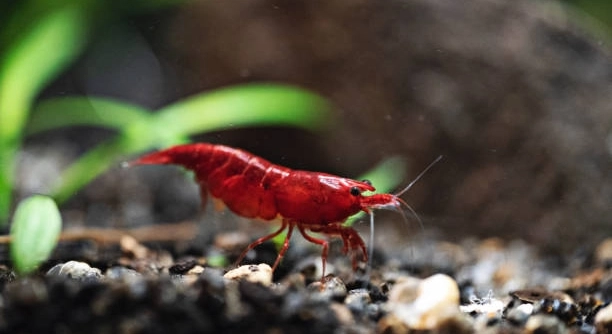
Do you love keeping cherry shrimp but worry about unexpected power outages affecting their tiny world? Even short interruptions can make you wonder how these delicate creatures manage without oxygen and filtration for a while.
Cherry shrimp can generally survive brief power outages if the water temperature remains stable and oxygen levels are sufficient. Their small size and slow metabolism allow them to tolerate short periods without active filtration, though prolonged outages increase stress and risk.
Knowing simple steps to protect them during outages can make a significant difference. Preparing in advance ensures their environment remains safe and their well-being is maintained throughout disruptions.
Understanding How Power Outages Affect Cherry Shrimp
During a short power outage, the main concern for cherry shrimp is oxygen availability. Without a functioning filter or air pump, oxygen levels in the tank can drop, making it harder for shrimp to breathe. Temperature changes can also stress them, especially in smaller tanks where water cools or heats quickly. Observing your shrimp, you may notice slower movements or hiding, which are signs of stress. The good news is that cherry shrimp are resilient and can often tolerate a few hours without active filtration. Keeping a thermometer nearby can help you monitor water conditions, and having a backup air stone or battery-powered pump can significantly reduce stress during outages. Additionally, avoid feeding shrimp during power loss, as uneaten food can further reduce water quality. Simple preparation and observation can keep your shrimp safe, even during brief interruptions in electricity.
Short outages usually last less than a day, which is manageable for cherry shrimp with minimal intervention.
Planning ahead is key. Maintaining water stability and having emergency tools ensures your shrimp remain healthy during outages. Batteries for air pumps, spare heaters, or insulated tank covers can prevent rapid temperature swings. Even temporary manual aeration by gently stirring the water can help, though it should be done carefully to avoid stress. Removing uneaten food before an outage helps reduce ammonia buildup, which could otherwise harm shrimp. Monitoring shrimp behavior after power returns is also important, as some may need time to readjust. With preparation and attention, even small tanks can survive short interruptions without major issues, keeping your shrimp safe and stress-free.
Tips to Protect Shrimp During Outages
Keeping a few backup supplies ready is essential for short outages. Battery-powered pumps or aeration devices can maintain oxygen in the tank when electricity fails.
Using insulated covers or moving tanks away from direct sunlight can reduce temperature swings. Prepare containers with clean, aerated water if you need to temporarily relocate shrimp. Avoid overcrowding, as limited oxygen affects more shrimp faster. Regularly checking equipment and maintaining water quality ensures that when outages occur, the shrimp are less stressed. Even a few simple precautions can make the difference between a minor inconvenience and a serious problem for your shrimp. Consistency and observation are the best safeguards for their health.
Immediate Steps to Take During a Power Outage
If the power goes out, prioritize oxygenation. Gently stir the water or use a battery-powered air pump. Avoid feeding your shrimp, as uneaten food can quickly pollute the water and increase stress levels.
Keeping water movement helps prevent oxygen depletion. A small battery-operated air pump can sustain oxygen for several hours, especially in a small tank. Avoid sudden changes in temperature by covering the tank or moving it to a stable environment. Observing shrimp behavior is important. Some may hide or slow down, which is normal under stress. Minimizing disturbances and monitoring the tank can help them survive until power returns safely.
After the outage, check water parameters. Test for ammonia or nitrite spikes caused by leftover food or debris. Remove any uneaten food and replace part of the water if necessary to restore balance. Restart filters gradually to avoid shocking shrimp. Maintaining stable conditions and slowly returning the tank to normal operation reduces stress and prevents long-term damage. Observing shrimp over the next hours ensures they recover fully and remain healthy.
Preparing for Future Outages
Have backup equipment ready, including a battery-operated air pump and extra batteries. Store clean, aerated water for emergency use, ensuring it matches tank temperature and pH.
Regular maintenance reduces risks during outages. Keep tanks clean and avoid overfeeding. Check all equipment frequently, including heaters and filters. Simple measures like insulating the tank or relocating it temporarily can prevent sudden temperature changes. Planning ahead for short interruptions ensures your shrimp experience minimal stress and remain healthy. Keeping emergency supplies organized and accessible allows quick action during unexpected power loss, making recovery smoother and safer for your shrimp.
Signs Your Shrimp Are Stressed
Shrimp may hide more often or move slowly during a power outage. Loss of color or unusual clumping at the surface can also indicate stress. Monitoring behavior helps determine if intervention is needed.
A sudden spike in water parameters after an outage can stress shrimp further. Observing shrimp closely allows for quick adjustments, such as partial water changes or gentle aeration. Early action can prevent long-term health problems.
Maintaining Water Quality After Power Returns
Once power is restored, check water temperature, pH, and ammonia levels immediately. Restart filters gradually and remove any debris that accumulated during the outage. Ensuring stable water conditions supports recovery and reduces stress on the shrimp.
Avoiding Frequent Power-Related Stress
Minimize feeding before expected outages. Keeping tanks stable and equipment well-maintained reduces the impact of short interruptions. Regular checks help prevent repeated stress and promote long-term shrimp health.
FAQ
How long can cherry shrimp survive without power?
Cherry shrimp can usually tolerate a few hours without power if water temperature remains stable and oxygen is sufficient. Small tanks are more vulnerable to rapid temperature and oxygen changes, so monitoring and quick action are important during any outage.
What is the main risk during a short power outage?
The primary risk is oxygen depletion. Without a filter or air pump, oxygen levels can drop, causing stress or even fatalities if the outage lasts too long. Temperature changes and water quality deterioration are secondary concerns.
Can I feed my shrimp during a power outage?
It is best to avoid feeding shrimp during an outage. Uneaten food can decompose and produce ammonia, which worsens water quality and adds stress. Wait until power is restored and the tank has stabilized before feeding again.
Is it safe to stir the water manually?
Gently stirring the water can help increase oxygen levels temporarily. Avoid aggressive movement, as it can stress shrimp. Using a small, battery-operated air pump is a safer and more consistent option for aeration.
Do cherry shrimp need a backup pump?
A battery-operated air pump or aeration device is highly recommended. Even a short power loss can be managed with proper backup equipment, ensuring oxygen levels remain adequate and shrimp experience minimal stress.
How should I prepare my tank for potential outages?
Regular maintenance is key. Keep tanks clean, avoid overfeeding, and check equipment like heaters and filters. Store extra batteries, battery-powered pumps, and clean water to use in emergencies. Simple preparation reduces stress during power loss.
What signs show my shrimp are stressed after an outage?
Shrimp may hide, move slowly, or cluster at the surface. Faded coloration or erratic swimming indicates stress. Observing behavior closely allows for quick intervention to restore proper conditions.
Should I change water after an outage?
Partial water changes may be necessary if ammonia or nitrite levels rise. Remove debris or uneaten food and gradually restart filtration. Avoid shocking the shrimp with sudden changes, as stability is critical for recovery.
How can I prevent temperature fluctuations?
Insulate the tank with blankets or move it to a stable environment away from sunlight or drafts. Maintaining a consistent temperature reduces stress and helps shrimp survive even during longer outages.
How often should I check equipment to avoid outage problems?
Regular checks of heaters, filters, and air pumps are essential. Ensuring all equipment is functional before outages occur minimizes risks and allows quick response during unexpected interruptions.
Is my tank size important during outages?
Yes, larger tanks are more stable in temperature and oxygen levels, giving shrimp a better chance of surviving short outages. Smaller tanks may require more intervention, such as aeration or temporary relocation of water.
Can multiple outages harm shrimp long-term?
Frequent power interruptions increase stress and weaken shrimp over time. Consistent monitoring, backup equipment, and stable conditions help mitigate long-term impacts and maintain a healthy population.
Are some shrimp more resilient than others?
Younger or smaller shrimp may tolerate short outages better due to lower oxygen needs, but all shrimp benefit from preparation and stable conditions. Observation remains the best tool to ensure their safety during outages.
What is the easiest emergency measure during a sudden outage?
Using a battery-operated air pump or gently stirring the water is the quickest way to maintain oxygen levels. Removing uneaten food before the outage also prevents water quality issues.
How long should I observe shrimp after power returns?
Monitoring for several hours after power is restored is ideal. Watch for normal swimming patterns, coloration, and feeding behavior. Prompt action during recovery ensures they regain health quickly and reduces stress-related problems.
Is it necessary to adjust lighting during an outage?
Lighting is less critical than oxygen and temperature. Turning off lights during an outage may even reduce stress, as shrimp are less active and conserve energy. Focus primarily on water conditions and aeration.
Can I move shrimp to another tank during an outage?
Temporary relocation is possible if oxygen or temperature stability is threatened. Ensure the new container has clean, aerated water at the same temperature. Minimize handling to avoid additional stress.
What long-term practices reduce power outage risks?
Maintain water quality, avoid overfeeding, regularly check equipment, and keep backup air pumps and batteries. Preparedness and consistent observation make outages less stressful and protect shrimp health.
Do cherry shrimp survive better in planted tanks?
Planted tanks offer some natural oxygenation and shelter, which can help shrimp during short outages. However, backup aeration is still recommended, as plants alone may not sustain adequate oxygen for all shrimp.
How do I balance oxygen and temperature during an outage?
Focus first on oxygen. Gently stir water or use a battery-powered pump. Insulate the tank or move it to a stable environment to reduce temperature swings. Both factors combined increase survival chances during short interruptions.
Final Thoughts
Cherry shrimp are small and delicate, but they are surprisingly resilient when it comes to short power outages. Their tiny bodies and slower metabolism allow them to survive for a few hours without active filtration or aeration, provided water conditions remain relatively stable. The main concerns during an outage are oxygen depletion and temperature fluctuations. Even brief drops in oxygen can stress shrimp, and rapid changes in temperature can impact their overall health. Observing shrimp behavior during and after a power outage is crucial. Signs such as hiding, slower movement, or clumping at the water surface indicate stress and may require intervention, like gentle aeration or partial water changes. Taking preventive measures in advance ensures your shrimp are better equipped to handle these temporary disruptions.
Preparation is one of the most important steps in protecting your cherry shrimp. Keeping a small battery-operated air pump or spare batteries for equipment can make a noticeable difference during a short power outage. Regular tank maintenance is equally important, including cleaning, monitoring water parameters, and avoiding overfeeding, which can lead to ammonia buildup when filters stop working. For smaller tanks, which are more sensitive to temperature and oxygen changes, additional measures like insulating the tank or moving it to a more stable location can be very helpful. Even simple precautions, such as having clean, aerated water ready for temporary use or knowing how to restart filters gradually after power returns, help reduce stress and prevent long-term damage. These measures are straightforward but highly effective in maintaining shrimp health.
After a power outage, returning the tank to stable conditions should be your top priority. Restart filters carefully, avoid sudden changes in water parameters, and monitor shrimp for several hours to ensure they recover fully. Partial water changes may be necessary if ammonia or nitrite levels rise during the outage. Observing shrimp behavior and water quality in the hours following the return of power can prevent delayed problems and support long-term health. By combining careful monitoring, emergency preparation, and consistent maintenance, you can protect your cherry shrimp from the negative effects of short power outages. Over time, these practices become routine, making it easier to manage unexpected interruptions while ensuring your shrimp remain healthy, active, and vibrant in their aquatic environment.

Hello,
If you enjoy the content that we create, please consider saying a "Thank You!" by leaving a tip.
Every little bit helps us continue crafting quality advice that supports the health, happiness, and well-being of pets around the world, for pets of all shapes, sizes, and species.
We really appreciate the kindness and support that you show us!