
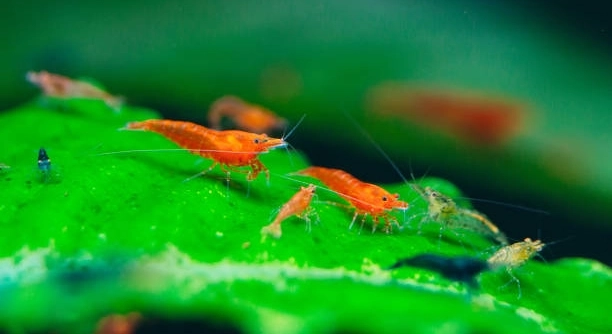
Are your shrimp suddenly ignoring their usual meals, leaving you worried about their health and appetite? Changes in behavior can be stressful, especially when your tank has always had a lively and eager group of shrimp.
When shrimp stop eating, offering a variety of alternative foods can help stimulate their appetite and maintain proper nutrition. Introducing different textures, flavors, and nutrient profiles ensures they receive essential minerals and proteins required for growth and overall health.
Exploring these options will help you restore balance in your aquarium and support your shrimp’s recovery and well-being over time.
Blanched Vegetables
Blanched vegetables such as zucchini, spinach, and carrots are excellent options for shrimp that have lost their appetite. The blanching process softens the vegetables, making them easier for shrimp to grasp and digest. This method also removes potential harmful bacteria while retaining most of the nutrients. Many shrimp respond well to the mild flavors and textures, helping them regain interest in food. Start with small portions to prevent water contamination, as uneaten vegetables can decompose quickly. Rotate the types of vegetables offered to provide a range of vitamins and minerals, supporting overall shrimp health. Keep an eye on how your shrimp interact with the vegetables. Some species may prefer thin slices, while others may pick at tiny fragments. Maintaining cleanliness in the tank while feeding these vegetables ensures a balanced environment that promotes shrimp activity and vitality, encouraging consistent eating habits.
Offering blanched vegetables in moderation improves nutrition and encourages natural feeding behavior without overwhelming the tank ecosystem.
Consistency is key. Introduce one type of vegetable at a time and observe how the shrimp respond. Remove uneaten pieces after several hours to maintain water quality and prevent algae growth. Over time, you can mix different vegetables to keep the diet varied. This practice supports digestive health and ensures shrimp receive essential nutrients like fiber, iron, and calcium. Blanching preserves vitamins while softening textures, making food more accessible. Many shrimp show renewed activity and appetite when vegetables are offered, especially if their usual diet is lacking variety. Using vegetables as a staple alongside their regular feed can prevent long-term deficiencies. The approach is simple, low-cost, and highly effective for maintaining shrimp vitality and encouraging natural feeding instincts in a controlled aquarium setting.
Protein-Rich Alternatives
Protein-rich alternatives are essential for shrimp recovering from reduced appetite.
Shrimp require adequate protein to support growth, molting, and overall energy levels. Options such as finely chopped fish, brine shrimp, or specially formulated protein pellets are effective. Introduce small portions gradually to monitor consumption and avoid water pollution. Protein supplements should complement their regular diet, not replace it entirely. Observing shrimp reactions ensures they are digesting the food properly, and rotating sources prevents monotony. Consistency in offering protein-rich items helps maintain vitality, supports molting cycles, and encourages healthy behavior, making it a practical strategy for shrimp showing low interest in standard meals.
Algae Wafers
Algae wafers provide a concentrated source of nutrients that shrimp find appealing. They are easy to eat and slowly release food into the water, preventing sudden contamination and helping maintain consistent feeding habits.
Algae wafers are particularly effective for shrimp that have become picky or are recovering from stress. The slow-sinking nature allows shrimp to graze over time, reducing competition and encouraging shy or less active individuals to eat. Many wafers contain added vitamins and minerals, supporting exoskeleton development and overall health. Offering wafers alongside vegetables or protein sources ensures a balanced diet without overfeeding. Monitor tank conditions and remove excess to prevent water quality issues. The gradual feeding process also mimics natural grazing behavior, keeping shrimp engaged and active. Rotating flavors or brands can help maintain interest and prevent stagnation in diet preferences.
Regular use of algae wafers supports consistent feeding, reduces malnutrition risk, and encourages shrimp to maintain natural foraging patterns. Their ease of use and nutritional value make them a practical addition to the diet.
Frozen or Live Foods
Frozen or live foods such as daphnia, bloodworms, and brine shrimp are high in protein and nutrients that stimulate shrimp appetite. They encourage active feeding and mimic natural prey.
These foods provide essential amino acids and minerals that support growth, molting, and vitality. Introducing small portions gradually helps prevent water contamination and allows shrimp to acclimate to the texture. Many shrimp respond enthusiastically to live food, often displaying increased activity and interaction within the tank. Rotating different types ensures variety and balanced nutrition. Frozen foods are convenient and safe, while live options can add environmental enrichment. Observing shrimp while feeding ensures proper consumption and prevents overfeeding. Careful handling and storage maintain quality and reduce the risk of introducing pathogens. Consistent inclusion of these foods can reverse appetite loss and support long-term health.
Feeding a mix of frozen and live foods revitalizes shrimp activity and appetite. These nutrient-rich options complement their usual diet, ensuring overall wellness and encouraging natural foraging instincts, creating a healthier, more dynamic tank environment.
Leafy Greens
Leafy greens like lettuce, kale, and spinach offer a soft, digestible option for shrimp. Blanching the leaves slightly makes them easier to eat and prevents them from polluting the tank quickly.
Shrimp tend to nibble on the edges, grazing slowly over several hours. Leafy greens provide fiber and essential nutrients that support digestion and overall health. Rotating different types of greens keeps the diet varied and encourages consistent feeding habits. Removing leftover portions promptly ensures water quality remains stable and prevents unwanted algae growth.
Squid or Fish Pieces
Small, finely chopped pieces of squid or fish provide high-protein nutrition for shrimp. These foods are rich in amino acids that support molting, growth, and vitality. Feeding in small amounts prevents water contamination and allows shrimp to consume the food comfortably.
Commercial Shrimp Pellets
Commercial shrimp pellets are formulated with balanced nutrients tailored to shrimp needs. They sink slowly, allowing shrimp to feed at their own pace while maintaining tank cleanliness.
Pumpkin or Squash
Soft vegetables like pumpkin or squash are easy for shrimp to nibble. Boiling or steaming slightly helps soften the texture, making them more appealing and digestible.
FAQ
Why have my shrimp stopped eating suddenly?
Shrimp can stop eating due to stress, water quality issues, illness, or changes in their environment. Poor water parameters, sudden temperature shifts, or overcrowding often reduce appetite. Observing behavior and testing water conditions can help identify the cause and restore normal feeding.
How can I encourage picky shrimp to eat?
Offering a variety of foods, such as blanched vegetables, protein-rich items, and algae wafers, can stimulate appetite. Rotating foods regularly helps prevent boredom. Feeding small portions multiple times a day allows shrimp to eat comfortably and reduces the risk of uneaten food polluting the tank.
Are live foods necessary for shrimp nutrition?
Live foods are not strictly necessary but are highly beneficial. They provide essential proteins, amino acids, and micronutrients that support molting, growth, and activity. Many shrimp respond more enthusiastically to live foods, which can encourage natural foraging behavior and improve overall health.
Can water quality affect shrimp appetite?
Yes, poor water quality is one of the most common reasons shrimp stop eating. High ammonia, nitrite, or nitrate levels can stress shrimp and reduce their appetite. Regular water changes, proper filtration, and monitoring parameters help maintain a healthy environment that promotes feeding.
How do I prevent uneaten food from affecting my tank?
Feed shrimp small portions to ensure they consume the food quickly. Remove any uneaten pieces after a few hours. This helps prevent water contamination, algae growth, and bacterial spikes that can harm shrimp and affect their appetite.
What vegetables are safest for shrimp?
Blanched spinach, zucchini, kale, and carrots are safe and nutritious options. Blanching softens the texture, making it easier to eat and digest. Rotating vegetables provides a variety of nutrients while keeping shrimp interested in feeding.
Can shrimp eat commercial pellets exclusively?
Commercial shrimp pellets can meet most dietary needs, but combining them with vegetables and protein sources ensures balanced nutrition. Pellets are formulated to sink slowly, allowing shrimp to feed at their own pace without causing water pollution.
How often should I feed my shrimp?
Feeding small amounts once or twice a day is usually sufficient. Overfeeding can harm water quality and lead to uneaten food. Observing how much shrimp consume in 2–3 hours helps determine the right portion size.
Do shrimp need protein supplements regularly?
Yes, shrimp require protein for growth, molting, and energy. Offering protein-rich foods like brine shrimp, bloodworms, or finely chopped fish supports health and vitality. Proteins should complement their regular diet, not replace vegetables and pellets entirely.
What signs indicate shrimp are getting proper nutrition?
Healthy shrimp are active, molting regularly, and displaying vibrant colors. They should graze consistently, consume food promptly, and show normal social behavior. Poor nutrition often leads to lethargy, slow growth, faded colors, or irregular molting patterns.
Is it normal for shrimp to skip meals occasionally?
Occasional skipped meals can happen due to molting, stress, or environmental changes. Short periods of reduced feeding are normal, but prolonged loss of appetite requires attention to water quality, diet variety, and possible illness.
Can I feed shrimp human food?
Some vegetables and boiled foods are safe in moderation, but avoid seasoned, salted, or processed human foods. Stick to natural, unseasoned options like pumpkin, squash, and blanched greens to maintain health.
How do I introduce new foods to shrimp?
Introduce one food at a time in small portions. Observe how shrimp react before adding more. Gradually incorporating new foods prevents sudden digestive issues and allows shrimp to adapt to different textures and flavors.
Why do some shrimp refuse certain foods?
Individual preferences, species differences, or previous exposure can affect food acceptance. Some shrimp may prefer softer textures or live foods, while others graze on algae or pellets. Rotating options helps identify their preferences while ensuring balanced nutrition.
Can I use frozen foods safely?
Frozen foods are safe and convenient when thawed properly. They retain nutrients and are less likely to introduce pathogens compared to wild-caught options. Feed in small portions and remove uneaten pieces to maintain water quality.
How long can shrimp go without eating?
Shrimp can survive a few days without food, but extended periods risk malnutrition and stress. Promptly addressing appetite loss with varied, nutrient-rich foods helps maintain health and prevents long-term issues.
What is the best way to monitor shrimp feeding?
Observe shrimp during feeding times and note how quickly they consume food. Monitor behavior, molting, and activity levels regularly. Tracking these patterns helps identify early signs of appetite loss or health problems.
Can stress cause shrimp to stop eating?
Yes, stress from tankmates, water changes, or environmental disruptions often reduces appetite. Minimizing stressors, providing hiding spots, and maintaining stable conditions encourages consistent feeding and overall health.
Are there signs of overfeeding shrimp?
Yes, leftover food, cloudy water, algae blooms, and lethargic shrimp indicate overfeeding. Adjust portion sizes, remove uneaten food, and ensure a balanced diet to prevent water quality problems and support shrimp appetite.
How can I ensure long-term feeding success?
Provide a balanced, varied diet, maintain clean water, and observe shrimp behavior regularly. Combining vegetables, protein, pellets, and occasional live or frozen foods supports health, activity, and natural feeding patterns. Consistency and careful monitoring are key to sustaining appetite and vitality.
Final Thoughts
Keeping shrimp healthy and active requires careful attention to both diet and environment. When shrimp stop eating, it is often a sign that something in their tank is off balance. Factors such as water quality, temperature, stress, or a lack of suitable food can all affect their appetite. Observing shrimp behavior closely and checking water parameters regularly are essential steps to prevent long-term health issues. Even small changes in feeding habits or activity levels can indicate a problem that needs addressing. Providing a clean, stable environment with adequate hiding spaces and proper lighting helps shrimp feel secure, which in turn encourages consistent eating.
Offering a varied diet is crucial for shrimp health. Foods like blanched vegetables, leafy greens, protein-rich options, and algae wafers provide essential nutrients that support molting, growth, and energy levels. Rotating foods and introducing new textures gradually can help maintain interest and stimulate appetite. Frozen or live foods are particularly effective in encouraging feeding, as their movement or aroma can attract shrimp and mimic natural prey. While commercial shrimp pellets alone are often sufficient, combining them with fresh or frozen foods ensures a balanced diet and prevents nutrient deficiencies. Feeding in small, controlled portions prevents overfeeding and helps maintain water quality, creating a healthier environment for all tank inhabitants.
Patience and observation are key when addressing appetite loss in shrimp. Changes in behavior or feeding patterns do not always indicate a serious problem, but prolonged appetite loss should be taken seriously. By monitoring how shrimp interact with different foods, adjusting feeding routines, and maintaining proper tank conditions, you can help them regain regular eating habits. Supporting their diet with nutrient-rich options and maintaining clean, stable water conditions will improve their overall health and vitality. With consistent care and attention, shrimp can quickly return to their normal, active behavior, and a balanced feeding approach will ensure they continue to thrive over time.

Hello,
If you enjoy the content that we create, please consider saying a "Thank You!" by leaving a tip.
Every little bit helps us continue crafting quality advice that supports the health, happiness, and well-being of pets around the world, for pets of all shapes, sizes, and species.
We really appreciate the kindness and support that you show us!